Your skincare routine is like a puzzle, and choosing the right exfoliant can feel like finding the missing piece. AHA and BHA—two powerhouse ingredients—promise smoother, brighter skin, but how do you know which one’s your perfect match? The answer lies in understanding what your skin craves.
Imagine gently dissolving dull, dead skin cells to reveal a radiant glow or clearing out stubborn pores for a flawless finish. AHAs (alpha hydroxy acids) and BHAs (beta hydroxy acids) work wonders, but they target different skin concerns. Whether you’re battling dryness, sensitivity, or persistent breakouts, the right choice can transform your complexion.
So, how do you decide? It’s not just about the labels; it’s about revealing the science behind these acids and aligning them with your skin’s unique needs. Let’s jump into the world of AHA and BHA to help you make the best choice for your skin.
Understanding AHA and BHA
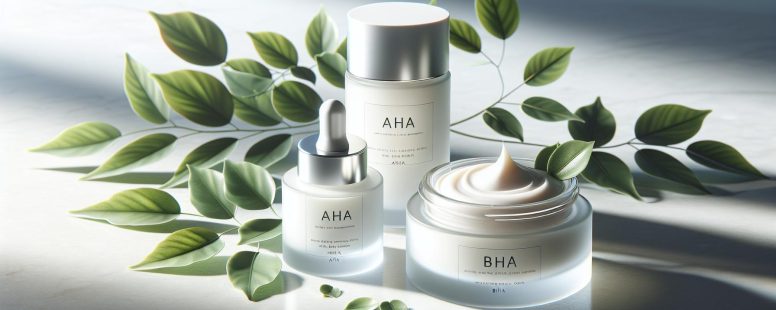
AHAs and BHAs are chemical exfoliants commonly used in skincare to improve skin health and target specific concerns. Knowing their differences helps you choose the best option for your needs.
What Are AHAs?
AHAs, or alpha hydroxy acids, are water-soluble compounds that exfoliate the skin’s surface. They work by breaking down the dead skin cells to reveal smoother, brighter skin. Derived from natural substances like sugarcane and milk, common AHAs include glycolic acid, lactic acid, and mandelic acid.
Glycolic acid penetrates deeply, making it effective for fine lines and uneven texture. Lactic acid suits sensitive skin by offering mild exfoliation. Mandelic acid gently addresses hyperpigmentation, improving skin tone. By promoting cell turnover, AHAs target dullness, sun damage, and dryness.
What Are BHAs?
BHAs, or beta hydroxy acids, are oil-soluble, allowing them to penetrate pores effectively. They exfoliate dead skin inside pores, reducing buildup and minimizing acne. Salicylic acid is the most recognized BHA and is often recommended for acne-prone or oily skin.
By cleaning pore linings, BHAs minimize blackheads and whiteheads while reducing redness. They combat inflammation, making them a preferred option for those with sensitive or breakout-prone skin. Unlike AHAs, BHAs also suit combination skin due to their ability to control excess oil.
Key Differences Between AHA and BHA
AHAs target the skin’s surface, enhancing hydration and brightness, while BHAs dive deeper into pores to address oil and acne. AHAs work best for dry skin or uneven texture, and BHAs excel in reducing breakouts and oiliness.
AHAs are typically used for anti-aging concerns like fine lines, while BHAs address issues linked to clogged pores. AHAs are water-based, making them ideal for hydrating needs. BHAs are oil-soluble, catering primarily to oily or combination skin.
Choose AHAs when dealing with dullness or surface-level concerns. Opt for BHAs when tackling acne, redness, or deeper pore issues. Use one at a time, or layer with proper guidance to avoid over-exfoliation. Ensure compatibility with your skin type to achieve optimal results.
Benefits of AHAs
Alpha hydroxy acids (AHAs) are powerful water-soluble exfoliants that resurface your skin, visibly improving tone and texture. These acids, derived from natural sources, offer multiple advantages when addressing surface-level concerns.
Skin Concerns AHAs Address
AHAs target a range of skin issues, including uneven tone, fine lines, and dullness. Glycolic acid, known for its small molecular size, penetrates deeply, making it ideal for reducing hyperpigmentation and enhancing brightness. Lactic acid helps with sensitive skin by improving hydration and smoothing uneven patches. For acne scars or aging concerns, mandelic acid, with its larger molecules, gently exfoliates without causing irritation.
If your skin experiences dryness or has a rough surface, AHAs provide the necessary exfoliation to remove dead skin cells and refresh your complexion. These acids encourage cell turnover, revealing healthier skin layers beneath.
Pros and Cons of Using AHAs
Pros of AHAs include their ability to enhance the skin’s moisture retention by promoting a stronger barrier. Regular use of AHAs can also enhance the effectiveness of serums and moisturizers, as they prepare your skin by clearing buildup. Their versatile functions make them suitable for a variety of skin concerns, such as reducing the appearance of dark spots and improving overall luminosity.
Cons might arise if AHAs are used excessively or on highly reactive skin. Overuse can lead to redness, peeling, or increased sensitivity to the sun. It’s crucial to incorporate sunscreen daily when using AHAs, as they can make your skin more susceptible to UV damage. For sensitive users, starting with a low concentration, like 5-10%, helps minimize irritation.
Benefits of BHAs
Beta hydroxy acids (BHAs) provide a range of advantages, particularly for oily and acne-prone skin. Their oil-soluble nature allows them to penetrate deeper than AHAs, delivering targeted care for specific concerns.
Skin Concerns BHAs Address
BHAs excel in treating clogged pores, blackheads, and acne. They penetrate the skin’s deeper layers, dislodging sebum and debris that lead to these issues. For instance, salicylic acid, a common BHA, is often recommended for managing mild to moderate acne because of its anti-inflammatory and keratolytic properties. This makes BHAs effective in reducing the appearance of blemishes over time.
Uneven skin texture and redness benefit from BHA usage. Exfoliating dead skin cells can smooth rough patches and calm irritated areas, creating a balanced and healthier complexion. This is particularly beneficial for those with combination or oily skin types.
Pros and Cons of Using BHAs
BHAs offer multiple benefits but aren’t without limitations. They are ideal for oily skin, dissolving excess oil and minimizing shine. By targeting the deeper dermal layers, they enhance skin clarity, which makes them effective for individuals dealing with stubborn breakouts or uneven skin tones.
But, overuse can lead to dryness and irritation, especially if you have sensitive skin. It’s best to start with a low concentration, applying it sparingly to build up tolerance. Some users might also experience purging— an initial breakout phase as BHAs clear deeper congestion. This is temporary but worth noting to manage expectations.
Always patch-test BHAs before incorporating them into your routine to mitigate potential adverse reactions.
Factors to Consider When Choosing Between AHA and BHA
Selecting between AHA and BHA depends on various aspects of your skincare needs. Evaluating your skin type, concerns, and use frequency helps in determining the right option.
Skin Type and Concerns
Identify your skin type and its specific issues. AHAs, such as glycolic or lactic acid, suit dry, uneven, or aging skin with surface-level concerns like fine lines and dullness. For instance, if you experience dry patches and an uneven tone, lactic acid offers hydration while gently exfoliating. On the other hand, oily or acne-prone skin often benefits from BHAs like salicylic acid, which address clogged pores and blackheads effectively.
Consider overlapping issues. If your skin is sensitive but acne-prone, BHAs may work better, as they penetrate oil to clear build-up without irritating the surface. Use AHAs if hyperpigmentation from old acne scars remains your biggest concern, but introduce them gradually to avoid overburdening your skin.
Frequency of Use and Potential Sensitivity
Assess product suitability based on how often your skin can tolerate exfoliation. Over-using AHAs might lead to redness and increased sun sensitivity, while excessive BHA usage causes dryness or peeling. For sensitive skin, start with a once-weekly application of a mild AHA or a 1% salicylic acid product. Adjust frequency over time according to how your skin reacts.
Always patch-test before incorporating new exfoliants. If irritation occurs within the first 48 hours, consider lowering the concentration or exploring an alternative. Combining frequency considerations with your product strength can minimize adverse reactions and improve long-term results.
Combination Use of AHA and BHA
Leverage the strengths of both types by using them on alternate days or different areas. For example, apply an AHA serum to your cheeks with hyperpigmentation, and a BHA treatment to your T-zone to address blackheads. This approach avoids overloading your skin while targeting distinct issues effectively.
Avoid layering both on the same day unless you’re experienced and using products formulated for dual exfoliation. Excessive exfoliation risks weakening the skin barrier, leading to irritation or prolonged recovery periods. Instead, monitor progress periodically to decide if your current routine provides the desired balance.
Which Is Best: AHA or BHA?
Choosing between AHA and BHA largely depends on your skin’s specific needs. AHAs target surface concerns like dullness, uneven tone, or fine lines. They work best if your skin is dry or shows signs of aging. Glycolic acid, for example, can resurface skin for a brighter appearance, while lactic acid gently enhances moisture for sensitive skin.
BHAs, on the other hand, excel in managing oily or acne-prone skin. Salicylic acid is highly effective at cleaning out pores, reducing blackheads, and calming redness. If acne breakouts or excessive oil production dominate your concerns, BHA may be your best choice. Its ability to settle into pores makes it ideal for more in-depth treatment.
Can you combine both? Yes, alternating between AHA and BHA or applying them to different areas can address multiple concerns. For example, use BHA on your T-zone for oil control and AHA on your cheeks to brighten dry, uneven skin. But, overusing either can lead to irritation, so start slowly and monitor how your skin reacts.
There’s no one-size-fits-all answer. Your choice of exfoliant should align with your skin type and goals, whether they’re improved hydration, a reduction in blemishes, or smoother overall texture. Use patch-tests and small doses to find what truely fits your routine. Skin care, as dynamic as it is, revolves around understanding its changing rhythms.
Conclusion
Choosing between AHA and BHA depends entirely on your skin’s unique needs and concerns. Both offer powerful benefits when used correctly, whether you’re targeting dryness, dullness, breakouts, or uneven texture.
Take the time to understand your skin type and introduce these exfoliants gradually to avoid irritation. Whether you opt for AHA, BHA, or a combination of both, consistency and proper usage will help you achieve healthier, glowing skin.
To provide the best experiences, we use technologies like cookies to store and/or access device information. Consenting to these technologies will allow us to process data such as browsing behaviour or unique IDs on this site. Not consenting or withdrawing consent, may adversely affect certain features and functions.
Functional
Always active
The technical storage or access is strictly necessary for the legitimate purpose of enabling the use of a specific service explicitly requested by the subscriber or user, or for the sole purpose of carrying out the transmission of a communication over an electronic communications network.
Preferences
The technical storage or access is necessary for the legitimate purpose of storing preferences that are not requested by the subscriber or user.
Statistics
The technical storage or access that is used exclusively for statistical purposes.The technical storage or access that is used exclusively for anonymous statistical purposes. Without a subpoena, voluntary compliance on the part of your Internet Service Provider, or additional records from a third party, information stored or retrieved for this purpose alone cannot usually be used to identify you.
Marketing
The technical storage or access is required to create user profiles to send advertising, or to track the user on a website or across several websites for similar marketing purposes.