Imagine sifting through a box of treasures, each item whispering stories from the past. Did you know that most people only keep about 20 percent of their memorabilia and souvenirs, yet those few cherished pieces carry 80 percent of their sentimental weight? It’s like finding hidden gems in a sea of clutter, revealing how the true value lies in what resonates with your heart.
Understanding the subtle difference between memorabilia and souvenirs can unlock a surprising benefit—helping you organize your keepsakes with clarity and purpose.
Ready to see your collection in a whole new light?
What Are Memorabilia and Souvenirs? Understanding the Basics
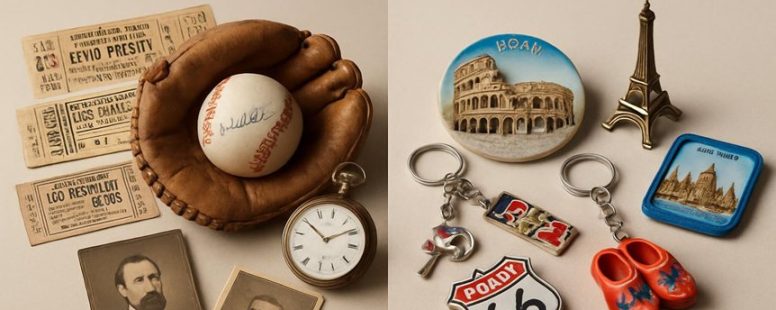
Memorabilia are objects that have a special connection to important events, people, or achievements. They tell a story about history or culture and are often collected because they hold a deeper meaning. For example, a signed baseball from a famous game or a historic photograph of a well-known person are considered memorabilia. These items are valuable because they link us to moments that changed history or shaped culture.
Souvenirs are items that remind you of a specific place or trip. They are usually small and easy to carry, like a postcard from Paris or a keychain from New York City. Souvenirs focus on capturing the feeling of a trip or experience and are often less about history. For example, buying a mini Eiffel Tower magnet as a reminder of visiting France is a typical souvenir.
Some people think memorabilia is more important because it holds historical significance. Others say souvenirs are more meaningful because they remind us of personal memories. Both kinds of objects help us remember different parts of our lives. If you want to start collecting, think about whether you want items that tell a story or objects that remind you of a special trip. Both can be fun and meaningful, but it’s good to know the difference.
How Do Memorabilia and Souvenirs Differ in Purpose and Meaning?
Memorabilia and souvenirs are different in purpose and meaning. Memorabilia are items that have strong emotional meaning. They are often connected to personal achievements or special moments in life. For example, a trophy from a sports game or a concert ticket from a favorite band can be memorabilia because they remind us of important experiences. These items serve as lasting symbols of what we have gone through and often hold sentimental value.
Souvenirs are different because they focus on representing a place or culture. When you travel, you might buy a magnet from New York City or a small figurine from Paris. These items remind you of a trip or a place you visited, but they don’t usually have deep personal feelings attached to them. Souvenirs are more about capturing the essence of a destination or event for memories or sharing with others.
Some people see memorabilia as more personal and meaningful, while souvenirs are more about cultural or shared experiences. For example, a signed baseball can be memorabilia because it connects to a favorite player and a special game. Meanwhile, a postcard from Italy is a souvenir that shows a place you visited.
Both types of keepsakes can be valuable, but they serve different roles. Memorabilia might make us feel closer to our own memories, and souvenirs help us remember where we have been. If you want to keep a special part of your life, memorabilia might be best. If you want to remember a trip or a culture, souvenirs are a good choice.
Just remember that not all souvenirs are meaningful, and some memorabilia can lose value over time if the memory isn’t important to you anymore. So, choose carefully what you keep as a reminder of your life’s moments.
Why Do Memorabilia Often Have More Emotional Value?
Memorabilia are special objects that remind us of personal moments or passions. They often hold more emotional value than other souvenirs because they are connected to our own lives. For example, a baseball glove signed by your favorite player or a ticket from a first concert can bring back strong memories. These objects become symbols of important times, people, or events that shaped us.
Unlike typical souvenirs, which are bought mainly for their look or nostalgic feel, memorabilia are kept because they mean something personally. They serve as physical reminders of milestones like graduation days or favorite hobbies. Seeing or holding memorabilia can make us feel happy, proud, or even sentimental. They help us remember who we are and where we come from.
Some people might think memorabilia is just about emotional value. But others worry that holding on to too many objects can clutter life or make it hard to move forward. Still, for many, memorabilia are treasured keepsakes that tell their stories and preserve their best memories. It’s like holding a tiny piece of their history in their hands.
How Do You Collect and Display These Keepsakes Effectively?
Collecting and displaying your keepsakes is a great way to keep memories alive and make your space personal. To do this well, follow these steps:
First, decide how you want to organize your items. Group similar keepsakes together, like photos from vacations or souvenirs from special events. This makes your display look neat and meaningful. You can also organize by size or color to create a pleasing visual effect.
Next, choose the best display methods. Shadow boxes or clear cases are good options because they protect your keepsakes from dust and damage while letting you see them clearly. For example, a shadow box can hold a favorite shell collection or a special medal. Consider adding lighting, like small LED lights, to highlight your favorite pieces. Just be careful not to overcrowd the display, because space helps each item stand out and makes the display less cluttered.
Another tip is to change your display from time to time. Rotate items every few months to keep things fresh and to give each keepsake its moment in the spotlight. You can also add personal touches like handwritten labels or small notes that tell the story behind each item. This adds emotional meaning and makes your display more special.
Finally, think about what fits your personality. Some people prefer a simple, clean look, while others like a more colorful and busy display. Remember, the goal is to enjoy your keepsakes without creating clutter. Choose display methods that make you happy and are easy to maintain. For example, if you have a lot of tiny mementos, a glass jar or small boxes might work better than a large wall display.
There are different opinions about how to display keepsakes. Some say keep everything visible so memories are easy to enjoy. Others believe less is more and recommend only displaying a few favorite items to avoid clutter. Both ways can work, but it depends on how much space you have and what makes you happy. Just be aware that overloading your space can make it look messy, so find a balance.
What Is the Real Worth of Memorabilia and Souvenirs?
Memorabilia and souvenirs have value beyond just memories. The real worth of these items depends mainly on two things: authenticity and emotional meaning. Authentic memorabilia, like a signed baseball from Babe Ruth or a vintage concert poster, can be worth a lot of money if it is genuine and in good condition. The more rare and well-preserved the item, the higher its potential value. For example, a rare Elvis Presley record in mint condition can fetch thousands at auction.
Souvenirs, such as keychains or t-shirts from a trip, usually hold more sentimental value than market value. They remind you of special moments, but most people do not sell them for a lot of money. Still, if a souvenir is extremely rare or linked to a famous event, it might have some worth for collectors.
Knowing the difference between genuine memorabilia and souvenirs helps you figure out if your items might be worth money or just treasured keepsakes. Authenticity is key. If you have a signed sports jersey or a vintage toy in its original box, it could be worth more than a similar item that is fake or damaged. However, emotional value is just as important. Sometimes, a simple souvenir from a family vacation means the world to you, even if it has no market value.
There are two views on how to value memorabilia. One says that authentic items are worth more because they are rare and genuine. The other reminds us that emotional meaning often makes keepsakes priceless, no matter what the market says. Be careful, though. Not every item claiming to be rare is real. Fake collectibles can be sold for high prices, but they lose value once proven fake.
In short, the true value of memorabilia and souvenirs depends on both how genuine they are and what they mean to you. Recognizing these factors helps you decide if your collection is worth investing in or just enjoying for your memories. Remember, each item is unique and special in its own way.
How to Choose the Right Keepsake for Your Collection Goals
Choosing the right keepsake depends on what you want from your collection. The first step is to know your goals. Are you collecting for fun memories, to make money, or to display? If you want to remember special moments, pick items that bring back feelings or stories. If you hope to sell later, look for keepsakes that are rare or valuable. If you want to show off your interests, choose items that fit your theme or style.
Next, think about how personal you want your keepsake to be. Items you can customize or that have unique details often hold more meaning. For example, a necklace with your initials or a souvenir with a special date can make the keepsake more special. Some people prefer simple, everyday items, while others like unique or handcrafted pieces.
Ethical choices matter too. Pick keepsakes that are responsibly made or come from eco-friendly sources. For example, souvenirs made by fair-trade companies or from recycled materials are better for the planet and feel good to own. But keep in mind that these items sometimes cost more or are harder to find.
Another thing to think about is what story or theme you connect with. Do you love items from a certain place, time period, or hobby? For example, someone who loves the beach might collect shells or sand from different trips. Choosing keepsakes that match your interests makes your collection more meaningful.
Some collectors might focus on specific types of keepsakes, like vintage toys or signed sports memorabilia. Others prefer to keep a variety of items. Both ways work, but being clear about what you want helps you build a collection that truly reflects you.
How Knowing the Difference Can Enhance Your Keepsake Journey
Knowing the difference between memorabilia and souvenirs can help you build a more meaningful keepsake collection. Memorabilia are items connected to specific memories or achievements. For example, a baseball signed by your favorite player or a concert ticket from a special night can remind you of that moment. Souvenirs are items that show where you have been, like a keychain from Paris or a magnet from New York. They capture a place or experience but may not hold personal memories.
Understanding this difference helps you choose pieces that mean something to you. If you want your collection to remind you of important moments, focus on memorabilia. If you like to remember places you have visited, souvenirs are perfect. Some people collect both, but knowing what each type represents makes your collection more special.
Be careful though. Sometimes souvenirs can lose their meaning if we buy too many just to fill space. Also, memorabilia can be hard to find or expensive, especially if they are linked to famous events or people. So, while collecting, think about what truly matters to you. Does that baseball remind you of your childhood or just look nice? Does that magnet bring back a fun trip or just sit on your fridge?
To provide the best experiences, we use technologies like cookies to store and/or access device information. Consenting to these technologies will allow us to process data such as browsing behaviour or unique IDs on this site. Not consenting or withdrawing consent, may adversely affect certain features and functions.
Functional
Always active
The technical storage or access is strictly necessary for the legitimate purpose of enabling the use of a specific service explicitly requested by the subscriber or user, or for the sole purpose of carrying out the transmission of a communication over an electronic communications network.
Preferences
The technical storage or access is necessary for the legitimate purpose of storing preferences that are not requested by the subscriber or user.
Statistics
The technical storage or access that is used exclusively for statistical purposes.The technical storage or access that is used exclusively for anonymous statistical purposes. Without a subpoena, voluntary compliance on the part of your Internet Service Provider, or additional records from a third party, information stored or retrieved for this purpose alone cannot usually be used to identify you.
Marketing
The technical storage or access is required to create user profiles to send advertising, or to track the user on a website or across several websites for similar marketing purposes.