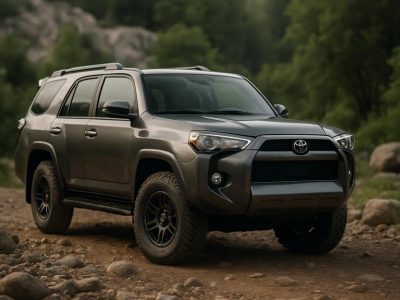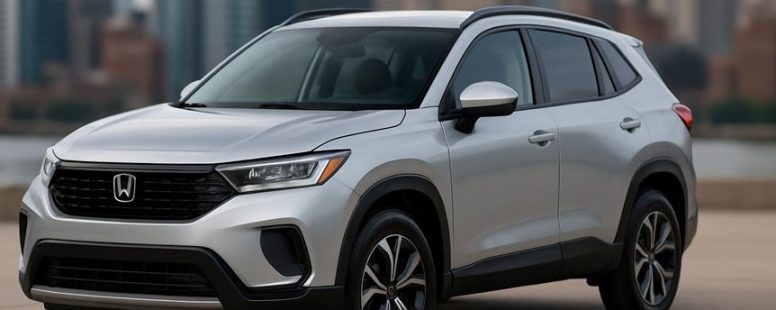
Best Suv on a Budget 2025
Looking for the best SUV on a budget in 2025 can feel like finding a hidden gem in a crowded market.
As you weigh options, imagine a vehicle that offers not just sleek style but a cozy, dependable ride that fits snugly into your daily routine. The secret lies in balancing cost, fuel efficiency, and safety—like tuning a finely crafted instrument.
Surprisingly, some budget-friendly SUVs pack advanced tech that keeps you connected and secure without draining your wallet.
With a little knowledge, you can steer confidently toward a choice that harmonizes your lifestyle and your finances, turning the search into an exciting journey rather than a chore.
Setting Your Budget for a 2025 SUV
Setting a budget for your 2025 SUV is the first step before looking at features or models. The most important thing to know is your total spending limit. Think about how you will pay for the SUV. If you plan to finance it, consider what your monthly payments will be and make sure they fit your budget. For example, if a new SUV costs around $30,000, and you plan to pay over five years with a 4 percent interest rate, your monthly payment might be about $550. Checking your loan options early helps you avoid surprises later.
Insurance costs are another big part of your budget. Insurance can change a lot depending on the brand, model, and your driving record. For example, insuring a luxury SUV like a BMW might cost more than a basic model like a Honda CR-V. It’s smart to call insurance companies or use online quotes to see what your premium might be.
Resale value is also important. Some SUVs like Toyota RAV4 or Honda CR-V hold their value better over time, meaning you can sell them for good money later. This can save you money in the long run. Think about how long you want to keep the SUV and look up resale estimates for the models you like.
Maintenance costs and warranty coverage are other factors. Some brands, like Subaru or Kia, offer better warranties that can save you money if something breaks. Regular maintenance like oil changes or tire replacements can add up, so ask your dealer or do some research to know what to expect.
Dealership incentives and trade-in deals can help you get a better price. For example, a dealership might offer cashback or discounts if you trade in your old car. Always ask about these before you start negotiating to get the most value.
Finally, don’t forget about taxes and registration fees. These costs can increase your initial expenses. For example, in some states, taxes can add hundreds to thousands of dollars to the total cost of your SUV.
Top Features to Prioritize in 2025 Budget SUVs
When choosing a 2025 SUV within your budget, it’s key to focus on features that give you the most value. Here are three simple things to consider:
- Fuel efficiency. This means how far the SUV can go on a gallon of gas. A car that uses less fuel saves you money on gas over time. For example, brands like Subaru and Honda often have good fuel economy. If your trips are long, this feature can make a big difference in your monthly costs. But beware—sometimes, more fuel-efficient models cost a bit more upfront. You need to decide if saving money later is worth paying a little more now.
- Resale value. Some SUVs keep their worth longer than others. This is important if you plan to sell or trade your vehicle in a few years. For example, Toyota SUVs are known to hold their value well. Choosing a model with a high resale value can help you get more money back when you sell it. But keep in mind, resale value depends on how well you take care of the car and market changes.
- Technology and connectivity. Features like Bluetooth, Apple CarPlay, or Android Auto make your drives easier and more fun. Imagine being able to control your music or get directions without fumbling for your phone. Brands like Ford and Chevrolet offer many of these features. However, these tech options can add to the cost. Decide if these features are worth the extra money for you.
Balancing these features with your budget helps you find an SUV that’s good today and will still be good later. Think about what matters most to you and be aware that some features cost more but might save you money or make driving more enjoyable. Keep these points in mind, and you’ll pick a SUV that fits your needs for years to come.
Safety Ratings of 2025 Budget SUVs You Should Know
Safety Ratings of 2025 Budget SUVs You Should Know
The main point is that budget SUVs can be safe. Many 2025 models get good crash test scores and protect drivers and passengers well. Don’t think that buying an affordable SUV means giving up safety. These vehicles now have features like automatic emergency braking, lane-keeping assist, and adaptive cruise control. These safety techs used to be only in expensive cars but are now common in lower-priced options.
When picking an SUV, look up official safety ratings from organizations like the National Highway Traffic Safety Administration (NHTSA) or the Insurance Institute for Highway Safety (IIHS). Also, make sure the SUV has safety features you want. Sometimes, cheaper models might skip some tech, so check carefully.
Some people worry that budget SUVs might not be safe enough. That’s a fair concern. Some models may not perform as well in crash tests or might lack certain safety features. It’s good to compare different SUVs and read reviews before buying. Remember, safety features like automatic brakes and lane assist can really make a difference in an accident.
On the other hand, not all cheap SUVs are perfect. Some might have weak crash test scores or missing tech. It’s smart to do your homework and pick models with high safety ratings. Sometimes, spending a little more can give you extra peace of mind. But overall, many 2025 budget SUVs are safer than you might think, and they give good protection without costing too much.
Best Fuel-Efficient Budget SUVs for City Driving
What Are the Best Fuel-Efficient Budget SUVs for City Driving?
Fuel efficiency means how far a vehicle can go on a gallon of gas. For city driving, where you often stop and start, a good fuel-efficient SUV saves you money and reduces emissions. The best models are small, easy to park, and often have hybrid options. They handle city streets well and are cheaper to keep running.
Which SUVs are the best for city driving?
Here are the top three choices based on fuel use, size, and features:
- Hybrid SUVs – These vehicles use both a gas engine and an electric motor. They use less fuel and put out fewer emissions. Examples include the Toyota RAV4 Hybrid and Honda CR-V Hybrid. They are a smart choice if you want to save money on gas and help the environment. But, hybrids can cost more upfront and may have higher repair costs if something breaks.
- Compact Designs – Small SUVs fit easily into tight parking spots and narrow streets. Models like the Ford EcoSport or Hyundai Kona are easy to maneuver in busy city traffic. They are not as roomy as bigger SUVs but are perfect for quick trips and parking in crowded areas.
- City-Friendly Features – Look for SUVs with parking assist, responsive steering, and good visibility. These features make city driving safer and less stressful. Some models also come with features like rearview cameras and automatic parking, which can help even new drivers.
Some people say hybrid SUVs are the best for saving fuel, but they cost more to buy. Others argue that small SUVs are great for parking but may lack space for bigger families or lots of gear. Be aware that hybrid batteries might need replacing after many years, which can be expensive.
Is this the right choice for everyone? Not necessarily. If you mostly drive long distances outside the city, a hybrid might not save you as much money. Also, some small SUVs might not have all the features you want, or they might be less comfortable on long drives.
In simple words:
If you want an affordable SUV that’s good for city streets, pick a small hybrid with helpful city features. It will save you gas, fit in tight spots, and make your trips easier. Just remember, it’s good to compare models and check what fits your needs best.
Spacious Budget SUVs Perfect for Families Under $30,000
When choosing a family SUV under $30,000, it’s important to look at a few key things. First, check how much space there is inside. Kids, pets, and gear all need room to breathe. Think about the seats and how comfortable they are, especially for long trips. For example, models like the Honda CR-V or Toyota RAV4 often have roomy interiors and comfortable seats that families like.
Next, safety is a must. Find out what safety features each SUV has, like backup cameras, lane assist, or automatic brakes. These help keep everyone safe on the road. Some models may have more advanced safety tech, but they could come with higher prices or added options. Be sure to compare what each SUV offers to see which one protects your loved ones best.
Cargo space is also important. How much stuff can you fit in the back? If you like to take trips or haul sports gear, look for SUVs with big cargo areas. For example, the Subaru Forester offers a lot of room for its price, making it a good choice for families who need space.
Some people might say that with a budget under 30,000 dollars, you might have to compromise on features. Others argue that many good SUVs still pack a lot of value and safety at this price. It’s smart to visit dealerships, sit in different models, and compare their space and features in person.
In the end, the best family SUV is the one that fits your needs and budget. Make sure to read reviews and test drive a few options before buying. Remember, a good SUV should keep your family safe, comfortable, and ready for whatever comes next.
Interior Space and Comfort
Interior Space and Comfort
A good SUV should give you enough room and make you feel comfortable without costing too much. Here are some key points to look for when choosing a budget-friendly SUV under $30,000:
- Legroom and seating options. The best SUVs have seats you can adjust easily and smart layouts. This helps everyone sit comfortably, whether you’re going on a family trip or just running errands around town. For example, models like the Honda HR-V and Toyota RAV4 often have flexible seating to fit more gear or passengers.
- Interior materials and style. Even at a lower price, you want finishes that last and look nice. Durable plastics, cloth seats, and simple designs can make the cabin feel upscale without costing a lot. Cars like the Hyundai Tucson balance style and durability well.
- Noise, climate, and tech features. Quiet cabins help you relax, and good climate controls keep everyone comfortable. Touchscreen displays and built-in tech like Bluetooth and USB ports are common today and make driving more fun. The Kia Seltos, for instance, offers these features at a fair price.
Some people might wonder if these SUVs are really comfortable enough for long drives or if they have enough space for a family of four. While they are good options, some cheaper models might have less noise insulation or fewer tech features. It’s always a good idea to test drive and check reviews before buying.
In the end, choosing an SUV with plenty of interior space and comfort at a low cost can be smart. It helps you enjoy your trips without spending more than you should. Wouldn’t you want a vehicle that feels bigger on the inside but still keeps your wallet happy?
Safety Features Included
Safety features are very important when choosing a budget SUV for families. Here are the key safety features you should look for under $30,000 to keep everyone safe on the road.
First, driver assistance systems are now common even in affordable cars. These include lane-keeping assist, which helps you stay in your lane, and adaptive cruise control, which adjusts your speed to keep a safe distance from other vehicles. These features reduce fatigue and help prevent accidents. For example, Hyundai Kona and Kia Seltos offer these systems at lower prices, making them good options for families.
Second, collision avoidance technology can alert you to hazards and automatically apply brakes if a collision looks likely. This technology acts like an extra set of eyes watching the road. Some models like the Mazda CX-30 or Subaru Crosstrek include these safety features, but not all budget SUVs do. So, it’s wise to check before buying.
Finally, many budget SUVs now come with multiple airbags and stronger frames to protect everyone inside. Airbags can cushion impacts, and reinforced frames add strength during crashes. For example, the Toyota HR-V offers good protection features for its price.
Some people worry that buying a cheaper SUV means sacrificing safety. That’s not always true. Many affordable models now include advanced safety tech that used to only be available in expensive cars. But, be aware that these features may vary between brands and models. Always check the safety ratings from sources like the National Highway Traffic Safety Administration or the Insurance Institute for Highway Safety.
Cargo Capacity Comparison
Cargo Space Comparison for SUVs Under $30,000
If you want an SUV that fits your family and gear, cargo space is just as important as safety features. Here’s a simple guide to understanding how compact and midsize SUVs compare in cargo capacity.
- Midsize SUVs usually have more space for luggage, sports gear, or camping supplies. If you often carry a lot of stuff, they are a better choice. For example, models like the Honda Pilot or Toyota Highlander offer plenty of room for big families or outdoor adventures.
- Compact SUVs use smart design tricks to make the most of limited space. Features like fold-flat seats and hidden compartments help maximize storage. For instance, the Subaru Crosstrek or Mazda CX-30 have clever ways to fit more in less space.
- Both types now come with adjustable cargo floors and sliding rear seats. These allow you to customize the space for different needs, whether you’re hauling groceries or larger items.
Choosing between a compact or midsize SUV depends on your usual cargo load and parking space. Compact models are easier to park and fuel-efficient, but midsize SUVs offer more room for bulky gear. Thanks to new storage innovations, even budget SUVs can be practical for families. Just remember, more space often means a bigger vehicle, so think about your daily drives and storage needs before making a decision.
Rugged Budget SUVs for Weekend Adventures
What are rugged budget SUVs for weekend adventures?
They are affordable vehicles built to handle off-road fun like dirt roads, mud, and uneven terrain. These SUVs are not fancy but are strong enough to carry you through rough trails. They usually cost less than high-end off-road vehicles but still have features for outdoor adventures.
What should I look for in a budget SUV for off-road trips?
You want models with tough suspension, good ground clearance, and four-wheel drive systems. These features help the vehicle climb over rocks or muddy paths without getting stuck. For example, the Ford EcoSport and Jeep Renegade are popular choices that are affordable and capable off-road.
What are the pros and cons of these SUVs?
On the plus side, they are low-cost and practical for weekend trips. They can handle dirt, mud, and dirt trails well. But they might not be perfect for very tough or long off-road adventures. Some models may have less power or smaller tires that limit their off-road ability. Always check reviews and test drive before buying.
Why choose a budget SUV for outdoor adventures?
Because they let you enjoy nature without spending a lot of money. You can explore mountain paths, forest trails, or beach areas confidently. They are also more affordable to maintain than expensive off-road vehicles. If you like quick getaways or camping trips, these SUVs are a good choice.
What are some honest warnings?
Cheap SUVs may not last as long or perform as well as pricier models. They might need repairs sooner or have less ground clearance. Also, some models labeled as “budget” might have fewer safety features. So, read reviews and choose wisely.
Thinking about it, do I really need a rugged SUV?
If your weekend plans include dirt roads or muddy trails, then yes. But if you mostly drive on paved roads, a regular SUV might be enough. Remember, the goal is to find a vehicle that is tough but does not break your budget.
From the perspectives of the competitors, consumers, and casual scrollers:
The competitor would say, “Our high-end models beat these budget SUVs in off-road ability every time.” They’d warn that cheap vehicles might break down or get stuck easily. The cynical consumer would think, “Yeah, I’ve heard that before. Will this one really last or just be another disappointment?” The distracted scroller might think, “Sounds good, but will I remember the name later? Maybe I just need something cheap to get me to the trail and back.”
Final tip:
Before buying, test drive different models like the Subaru Crosstrek or Kia Soul. Check their ground clearance and four-wheel drive options. Remember, a good budget SUV can make outdoor weekends more fun and less stressful, just don’t forget to do some homework first.
Best Tech Features in Budget SUVs for the Price
How do budget SUVs include helpful tech features without costing a lot? The key is smart tech that focuses on what drivers really need. Here are three common features you will find in many affordable SUVs:
- Infotainment systems that work with smartphones – These systems make it easy to use apps, listen to music, and get directions. For example, brands like Toyota RAV4 and Honda CR-V have user-friendly screens that connect quickly with your phone, making driving safer and more convenient. But sometimes, these systems can be slow or glitchy, especially in lower trims.
- Driver help features like lane keeping and automatic braking – Many budget SUVs now include safety tools that used to only be in expensive cars. These features help keep you in your lane or stop the car if you’re about to hit something. For example, Ford Escape and Subaru Crosstrek offer these tools at a low price. Still, some of these systems can be a little over-sensitive or not work well on bad roads.
- Connectivity and sound systems – Most affordable SUVs come with multiple USB ports, Bluetooth, and good quality speakers. You can stay connected and enjoy music on long drives. For instance, Kia Seltos and Mazda CX-30 have strong audio systems that make every trip more fun. However, some models might have limited Bluetooth range or sound quality that’s not very loud.
How to Find the Best Deals on 2025 Budget SUVs
Finding the best deals on 2025 budget SUVs means knowing where to look and what steps to take. The main goal is to get a good SUV at a price that fits your wallet without overspending. Here’s how to do it:
First, look for discounts and incentives from manufacturers like Toyota, Honda, and Ford. These offers are often available during holiday sales or when new models come out. For example, a dealer might reduce the price or include free maintenance. Doing this can save you hundreds or even thousands of dollars upfront.
Next, compare financing options. Some banks and credit unions offer low-interest loans that can make monthly payments more affordable. Be sure to check if the dealer offers special financing plans too. Choosing a loan with a low rate or flexible payment plan can save you a lot over the years.
Third, don’t be afraid to negotiate. Dealers often have some wiggle room in their prices or can include extras like free oil changes or upgraded features. It pays to ask and compare offers from different dealerships. Checking online for deals can help you see who is offering the best price.
Finally, be aware of the limits. Sometimes a deal sounds great but comes with hidden fees or high interest rates. Always read the fine print and consider total costs, not just the sticker price. And remember, a little patience and research can help you find a SUV that’s both reliable and affordable.
In the end, combining discounts, good financing, and smart shopping gives you the best chance to find a 2025 budget SUV you’ll be happy with. Just make sure to compare all options and stay cautious of deals that seem too good to be true.
Tips for Test Driving and Picking Your Budget SUV
Why is it important to take your time during test drives when choosing a budget SUV? Because a test drive shows you how the vehicle really feels and behaves on the road. It helps you find out if the SUV is comfortable, easy to drive, and has the features you want. Here are some steps to make your test drive count:
- Check Comfort and Handling: Sit in the driver’s seat and see if the seats support you. Notice if you can see clearly out of all windows. Drive the SUV on different roads like highways, city streets, and rough patches. Pay attention to how it responds to steering and braking. If it feels bumpy or unstable, it might not be the right choice.
- Try Out Features and Technology: Use the infotainment system to see if it’s easy to operate. Test safety features like backup cameras or blind spot alerts. Make sure you can access everything without confusion. If the tech feels complicated, it might be frustrating later.
- Simulate Your Daily Drive: Think about your usual trips. Do you drive long distances on the highway? Or mostly short city rides? If you have a family, check how much space there is for everyone. If you go off-road sometimes, test how the SUV handles rough roads. This will tell you if the vehicle suits your lifestyle.
Once you find an SUV you like, it’s time to negotiate the price. Know what similar SUVs are selling for and set your limit. Being prepared helps you get the best deal without overspending. Remember, taking your time with test drives and price talks makes sure you pick a budget SUV that fits your needs and your wallet.
Counter-Strategies & Warnings:
- The Ruthless Competitor might say: “This advice is too generic. How do I compare different brands like Toyota RAV4 or Honda CR-V effectively?” You should look at safety ratings, fuel economy, and resale value for each.
- The Cynical Consumer would think: “Test drives are a waste of time. They all feel fine in the lot.” But driving the SUV on real roads reveals issues that a quick test at the dealership can’t show.
- The Distracted Scroller might ask: “Why should I read all this? Just tell me the best SUV.” Focus on your needs—if you need space or fuel efficiency, pick models that excel in those areas.
In the end, a careful test drive, good research, and smart bargaining help you find the best budget SUV for your lifestyle without wasting money or ending up with a vehicle you don’t like.

- The Best Cyberflix Alternative for Streaming Movies - October 4, 2026
- 7 Free Alternatives to Mobbin for UI/UX Design - October 4, 2026
- Mt 03 Competitors - October 4, 2026
by Ellie B, Site Owner / Publisher