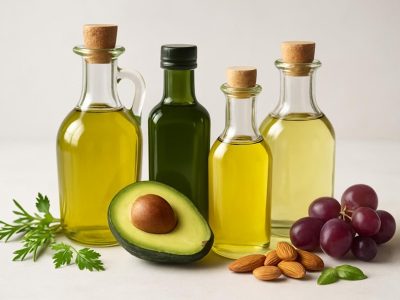
Imagine whipping up your favorite recipe or crafting a DIY skincare product, only to realize you’re out of coconut oil. Don’t panic—there’s a world of versatile alternatives waiting to step in. Whether you’re looking for something with a similar texture, a unique flavor twist, or even a better nutritional profile, the options might surprise you.
Coconut oil has long been a staple in kitchens and beauty routines, but it’s not the only star of the show. From rich, buttery oils to plant-based wonders, these substitutes can match or even surpass coconut oil’s benefits. So why limit yourself? Exploring these alternatives could unlock new flavors, textures, and benefits you didn’t know you needed.
Why Look For An Alternative To Coconut Oil?
Coconut oil, even though its popularity, might not suit every situation. Some individuals face dietary restrictions or allergies that make using coconut oil unsuitable. Exploring alternatives can ensure inclusivity in recipes and skincare routines.
Certain dishes and cuisines may require a neutral flavor, something coconut oil doesn’t provide. Oils like avocado or grapeseed deliver subtler tastes, making them better suited for these scenarios. In skincare, lighter oils like jojoba or argan might be preferable for specific skin types.
Sustainability concerns also push you to consider alternatives. Coconut oil production affects ecosystems in regions it’s harvested, whereas options like olive oil or hemp oil have varying environmental impacts. Understanding these aspects aids in making more ethical choices.
Exploration of substitutes doesn’t just address functional or ethical needs but broadens your experience with textures and properties. Almond oil, for instance, is nutritionally dense and versatile. Trying these can expand your knowledge of ingredients to enhance both daily meals and beauty practices.
Popular Alternatives To Coconut Oil
Coconut oil has many substitutes suited for diverse needs in cooking and skincare. These alternatives vary in texture, flavor, and nutritional benefits, allowing you to tailor choices to your specific goals.
Olive Oil
Olive oil, rich in monounsaturated fats and antioxidants, serves as an excellent coconut oil substitute. Its mild flavor complements salad dressings, marinades, and sautéed dishes. For skincare, extra virgin olive oil provides deep moisturization and alleviates dryness. When opting for olive oil, consider its lower smoking point, which suits low-to-medium heat cooking.
Avocado Oil
Avocado oil offers a neutral flavor and a high smoking point of about 520°F, making it ideal for high-heat cooking, such as frying or roasting. Packed with vitamins E and K, it nourishes skin, promoting elasticity and hydration. Use cold-pressed avocado oil for the best nutritional profile and taste retention.
Almond Oil
Almond oil, available in sweet and bitter varieties, works well for both topical application and specific culinary uses. Sweet almond oil enriches baked goods like cakes and cookies and softens dry skin during massages. Its rich vitamin E content helps reduce inflammation. Ensure you check for nut allergies when incorporating almond oil into recipes or skincare routines.
Grapeseed Oil
Grapeseed oil, a byproduct of winemaking, contains polyunsaturated fats and antioxidants. Its light texture and neutral taste make it perfect for vinaigrettes and stir-fries. In skincare, it’s a non-greasy moisturizer suitable for oily or combination skin. Use refined grapeseed oil for cooking due to its stability under heat.
Palm Oil
Palm oil, known for its creamy texture and high saturated fat content, serves as a replacement in baking recipes. Sustainable palm oil options minimize the environmental impact of your choice. Its suitability in cosmetics aligns with its use as a natural conditioner for hair or as a base for lotions. Prioritize ethically sourced products to support sustainability efforts.
Choosing The Right Substitute For Your Needs
Your choice of a coconut oil substitute depends on whether you’re using it for cooking, baking, skincare, or accommodating dietary restrictions. Matching the substitute’s properties with your intended use ensures the best results.
Cooking And Baking
For cooking and baking, selecting oils with similar flavor profiles and heat stability is key. Olive oil, with its robust flavor, pairs well with savory dishes and can replace coconut oil in sautéing. Avocado oil, with a neutral taste and a high smoke point of 520°F, works best for frying or grilling. For baking, butter provides a creamy texture, while almond oil adds a subtle nutty essence to cakes or cookies. If you’re avoiding oils altogether, applesauce or mashed bananas can keep baked goods moist.
Skincare And Haircare
For beauty routines, consider substitutes that match your skin or hair’s needs. Jojoba oil mimics the skin’s natural sebum, making it ideal for sensitive or combination skin. For hydration, argan oil nourishes without clogging pores. If you’re targeting dry scalp or dull hair, sweet almond oil offers light moisturization. Shea butter is another creamy alternative to replace coconut oil in DIY skincare recipes, especially for combating dryness.
Dietary Restrictions And Allergies
Substitutes become important when dietary restrictions or allergies arise. Those allergic to nuts can use grapeseed oil, a light choice that’s hypoallergenic. For vegan diets, margarine or plant-based butter replicates coconut oil’s texture in baking. If you’re lowering saturated fat intake, canola oil offers a heart-healthy option with mild flavor. Reading labels and sourcing unprocessed alternatives minimizes allergy risks.
Choosing a substitute widens your options while maintaining functionality.
Comparing Alternatives To Coconut Oil: Pros And Cons
Olive Oil: Health Benefits and Versatility
Olive oil offers high nutritional value due to its monounsaturated fats and antioxidants. It’s great for sautéing, roasting, and as a salad dressing. For skincare, it moisturizes dry skin and reduces oxidative stress. But, its strong flavor can overpower baked goods, and it has a lower smoking point of 374–405°F (190–207°C), making it unsuitable for high-heat frying.
Avocado Oil: Nutrient-Rich and Heat-Resistant
Avocado oil boasts a high smoke point of about 520°F (271°C), ideal for frying and grilling. Rich in vitamin E and healthy fats, it supports heart health. While it’s suitable for sensitive skin, its higher price and mild avocado taste may not appeal to everyone.
Grapeseed Oil: Subtle Flavor and Skin Benefits
Grapeseed oil, an economical byproduct of winemaking, features a neutral taste that doesn’t alter recipes. Its lightweight texture is effective in hydrating oily or acne-prone skin. But, it has a smoke point of approximately 420°F (216°C), limiting its use in high-heat cooking and baking.
Almond Oil: Sweetness and Multi-Purpose Use
Almond oil enhances baked goods with its nutty, sweet flavor. It’s rich in vitamins A, E, and zinc, providing nourishment for dry or irritated skin. Yet, it isn’t ideal for those with nut allergies, and its low smoke point (around 430°F / 221°C) restricts its usage in high-temperature frying.
Jojoba Oil: Non-Comedogenic and Skin-Friendly
Jojoba oil, a liquid plant wax, mimics natural skin sebum. This makes it suitable for moisturization without clogging pores. Its stable shelf life and hypoallergenic properties are added benefits, but its limited application in food makes it less versatile than other oils.
Palm Oil: Creamy Texture and Controversies
Palm oil creates a creamy consistency in baked goods and works well in cosmetics. Sustainable palm oil options reduce environmental impact, yet ethical and ecological concerns surrounding palm plantations persist. Its saturated fat content also raises health-related concerns.
Conclusion
Exploring alternatives to coconut oil opens up a world of possibilities for your cooking and skincare routines. Whether you’re seeking unique flavors, enhanced nutritional benefits, or sustainable options, there’s a substitute to meet your needs. Each alternative brings its own set of advantages, allowing you to tailor your choices based on your preferences and lifestyle.
By experimenting with these options, you can discover new textures, flavors, and benefits that align with your goals. Whether it’s for dietary reasons, ethical considerations, or simply a desire to try something new, these substitutes can elevate your everyday practices in meaningful ways.
To provide the best experiences, we use technologies like cookies to store and/or access device information. Consenting to these technologies will allow us to process data such as browsing behaviour or unique IDs on this site. Not consenting or withdrawing consent, may adversely affect certain features and functions.
Functional
Always active
The technical storage or access is strictly necessary for the legitimate purpose of enabling the use of a specific service explicitly requested by the subscriber or user, or for the sole purpose of carrying out the transmission of a communication over an electronic communications network.
Preferences
The technical storage or access is necessary for the legitimate purpose of storing preferences that are not requested by the subscriber or user.
Statistics
The technical storage or access that is used exclusively for statistical purposes.The technical storage or access that is used exclusively for anonymous statistical purposes. Without a subpoena, voluntary compliance on the part of your Internet Service Provider, or additional records from a third party, information stored or retrieved for this purpose alone cannot usually be used to identify you.
Marketing
The technical storage or access is required to create user profiles to send advertising, or to track the user on a website or across several websites for similar marketing purposes.