Difference Between Movie and Film: Understanding Their Unique Meanings and Cultural Impact
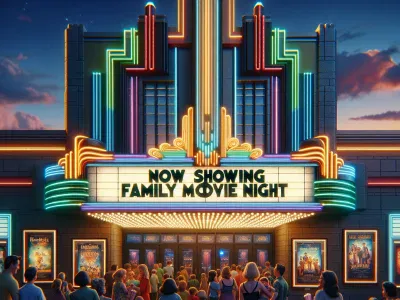
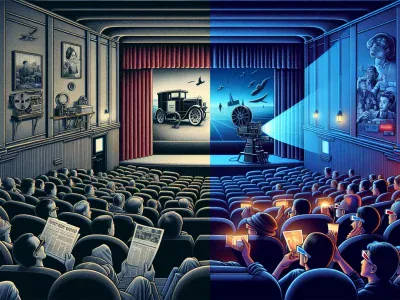
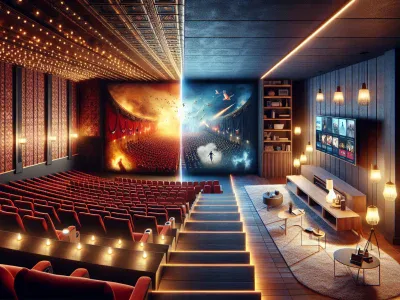
When you hear the words “movie” and “film,” do they conjure up the same image in your mind, or do subtle differences emerge? These terms are often used interchangeably, but they carry distinct connotations that shape how we perceive storytelling on screen. One feels casual and entertaining, while the other hints at artistry and depth.
Think about it—grabbing popcorn for a blockbuster might feel worlds apart from sitting through an indie masterpiece at a film festival. The difference isn’t just in semantics; it’s woven into cultural perceptions, artistic intentions, and even the way stories resonate with audiences. Understanding these nuances can transform how you engage with visual narratives.
What Is A Movie?
A “movie” refers to a motion picture created primarily for entertainment. It’s typically associated with mainstream cinema and commercial appeal.
Origins And Usage Of The Term “Movie”
The term “movie” originated as an abbreviation of “moving picture” in the early 20th century. It became popular in the United States due to its simplicity and casual tone. People commonly used it to describe cinematic productions designed for mass audiences, such as Hollywood blockbusters like Jurassic Park or The Avengers. Unlike terms like “film,” which suggest artistic depth, “movie” conveys accessibility and fun.
Cultural And Regional Implications
In American English, “movie” is universally understood and widely used across all demographics when discussing mainstream cinema. But, in British English, people often prefer the word “film.” For example, while Americans might say, “Let’s watch a movie,” someone from the UK might say, “Shall we see a film?”
Culturally, movies are often seen as lighthearted or action-packed experiences intended to entertain rather than provoke deep thought. Titles like animated Disney classics or summer blockbusters illustrate this perception well.
What Is A Film?
A film represents a medium of storytelling that blends artistic expression with visual and narrative depth. It often aims to provoke thought, convey emotions, or explore complex themes.
Historical Context Of The Term “Film”
The term “film” emerged from the thin strip of material used to record motion pictures. By the late 19th century, early cinematic pioneers like the Lumière brothers in France referred to their creations as films due to this physical medium. Over time, “film” evolved into a term signifying works that prioritize artistry over mere entertainment.
Early films like A Trip to the Moon (1902) showcased innovative storytelling techniques and visual effects. Unlike modern casual movies, these works were celebrated as groundbreaking achievements in visual art. In British English, “film” remains the standard term for all motion pictures.
Artistic Connotations
Films are often associated with sophisticated craftsmanship and intellectual depth. They focus on cinematography, thematic exploration, and directorial vision rather than solely entertaining mass audiences. For example, Schindler’s List (1993) uses compelling visuals and historical narratives to evoke profound emotional responses.
Independent films frequently align with this definition by exploring unconventional topics or experimental techniques outside mainstream genres. Directors like Ingmar Bergman (The Seventh Seal) exemplify how films address existential questions through symbolic imagery and layered storytelling approaches.
In contrast too movies aimed at commercial success; films invite viewers to reflect on societal issues or human experiences long after watching them.
Key Differences Between Movie And Film
The terms “movie” and “film” differ significantly in purpose, style, and audience perception. These distinctions reveal how creators and viewers approach visual narratives.
Purpose And Intent
A movie prioritizes entertainment, often aiming for mass appeal through engaging plots or exhilarating action sequences. Commercial success is a primary goal, as seen in franchises like “Fast & Furious.” In contrast, a film embodies artistic intent, focusing on thematic depth or innovative techniques to provoke thought. Directors like Christopher Nolan craft films that explore existential themes while balancing engagement.
While movies entertain with straightforward storytelling, films challenge you intellectually or emotionally by addressing complex subjects such as morality or identity. For example, the film “Parasite” (2019) examines class divisions through layered symbolism. The distinction lies in whether the work seeks to amuse broadly or resonate deeply.
Visual And Storytelling Style
Movies emphasize dynamic visuals and accessible narratives designed for diverse audiences. Vibrant colors or dramatic effects dominate blockbusters like “Avatar,” appealing universally without requiring deep interpretation.
Films showcase meticulous cinematography where each frame conveys meaning beyond dialogue. They employ experimental styles—long takes, symbolic imagery—to evoke introspection. Ingmar Bergman’s use of minimalism exemplifies this approach in works like “Persona” (1966), which explores duality visually rather than directly stating it.
Movies lean towards linear plots for clarity; films may embrace ambiguity or non-linear timelines to enrich their narrative complexity.
Audience Perception
Audiences associate movies with casual viewing experiences meant to relax after busy days. They’re perceived as easily consumable pop culture artifacts—fun but fleeting distractions from routine life.
Films attract viewers seeking meaningful exploration of humanity’s intricacies through artistry rather than spectacle alone. Festivals like Cannes celebrate such works for pushing cinematic boundaries instead of catering solely commercially successful formulas.
Overlapping Characteristics
Both “movie” and “film” share commonalities rooted in their function as visual storytelling mediums. Even though differing cultural connotations, these terms often converge in practice.
Shared Language And Medium
You encounter both terms describing motion pictures, leveraging the same audiovisual techniques to captivate audiences. Cinematography, editing, sound design, and narrative structure form a shared foundation. For example, whether you’re watching Christopher Nolan’s “Inception” or Martin Scorsese’s “The Irishman,” the visual language transcends labels.
Both movies and films deliver stories through moving images. They use actors’ performances, musical scores, and special effects to evoke emotions or immerse viewers in alternate realities. Independent creations like Greta Gerwig’s “Lady Bird” blur these distinctions by combining mass appeal with layered artistry.
Context-Dependent Usage
The choice between “movie” and “film” depends largely on context rather than intrinsic differences. You might refer to Quentin Tarantino’s works as films when discussing directorial style but call them movies during casual conversations about entertainment value.
Why The Distinction Matters
Understanding the difference between “movie” and “film” shapes how you perceive, critique, and engage with cinematic works. It influences both creative processes and audience experiences.
Influence On Criticism And Analysis
Critics approach movies and films differently due to their distinct objectives. Movies, with their focus on entertainment, often receive reviews centered on plot engagement, special effects, or star performances. For example, critiques of Marvel’s Avengers: Endgame frequently highlight its spectacle and mass appeal rather than thematic depth.
Films invite deeper analysis by emphasizing artistic elements like symbolism or cinematographic techniques. Consider The Tree of Life (2011), praised for its existential themes and innovative visual storytelling. Critics discussing such works explore layered meanings or directorial intent instead of assessing pure entertainment value.
Your understanding of these terms also impacts casual discussions about cinema. Referring to a work as a film can imply it merits intellectual examination, while calling it a movie suggests it’s meant for relaxed enjoyment. This distinction guides not only professional criticism but also personal interpretation.
Impact On Filmmaking And Viewership
Filmmakers tailor projects based on whether they aim to create movies or films. Directors focusing on movies prioritize broad appeal through engaging storylines or high-energy sequences; think Steven Spielberg’s Jurassic Park, designed to thrill global audiences.
In contrast, creators of films often prioritize authenticity over commercial viability by exploring niche topics or unconventional narratives. Indie productions like Moonlight (2016) exemplify this approach by tackling complex themes with understated direction rather than catering to mainstream tastes.
As viewers, your expectations shift depending on whether you’re watching a movie versus a film. You might seek escapism in action-packed blockbusters but crave introspection in art-house dramas like Roma. Recognizing these differences enhances your ability to select content matching specific moods or interests while appreciating diverse forms of storytelling equally.
Conclusion
Understanding the distinction between “movie” and “film” enriches how you engage with cinematic works. While movies captivate through entertainment and broad appeal, films invite deeper reflection and artistic appreciation. Both serve unique purposes, offering diverse experiences that cater to different moods and preferences.
By recognizing these nuances, you can approach storytelling with a more informed perspective. Whether you’re seeking lighthearted escapism or thought-provoking narratives, the world of cinema offers endless possibilities for exploration.

- Best Alternatives to Bmw x5 - October 2, 2026
- JNJ Competitors: Major Players in Healthcare and Pharma - October 2, 2026
- 10 Best iPod Alternatives to Buy in 2026 - October 1, 2026
by Ellie B, Site Owner / Publisher