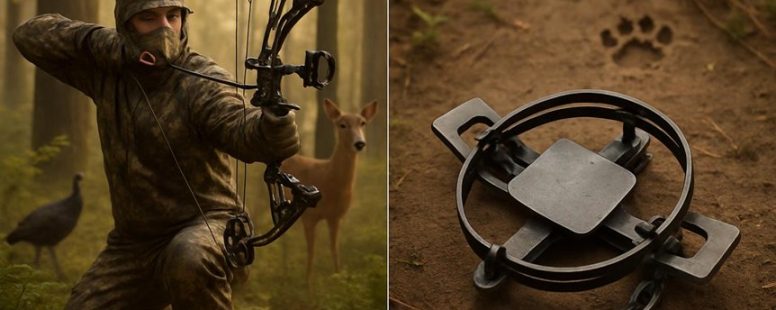
The line between hunting and trapping often feels razor-thin, like a whisper in the woods. At first glance, they seem to serve the same purpose—controlling wildlife and gathering food—but peel back the layers, and the differences can dramatically shift the game.
Imagine a silent snare tightening around your hopes for safety or legality—those tiny distinctions can be the difference between success and a costly mistake. Surprisingly, understanding these nuances can reveal lesser-known advantages, such as more efficient resource use or better environmental impact.
When it comes to practical decisions, knowing exactly where hunting ends and trapping begins can be your greatest tool.
What Are Hunting and Trapping? A Basic Overview
Hunting and trapping are methods people use to catch wild animals. Hunting usually means chasing animals with guns or bows, like hunters aiming at deer or ducks. Trapping involves setting devices like snares or cages to catch animals passively, such as trapping rabbits or beavers. Both methods help provide food, control animal numbers, or give people recreation.
People have used hunting and trapping for many years. Some see these practices as part of their tradition, like Native American tribes or rural families passing down skills through generations. Others believe hunting and trapping help protect wildlife by keeping animal populations from growing too big and damaging habitats. For example, without predators or hunters, deer might overpopulate and harm forests.
However, these methods also have limits and risks. Hunting can be dangerous if not done carefully, and trapping can harm animals if traps are not checked regularly. Critics say that trapping can cause suffering or accidental injury to non-target animals. It’s important to follow laws and ethical rules to make sure these practices are fair and safe.
Some people see hunting and trapping as ways to connect with nature. Others think they are necessary tools for managing wildlife populations. Both views have point, but it’s vital to understand their impacts on animals and ecosystems. Knowing how these methods work helps us decide when and how they should be used responsibly.
Hunting Vs. Trapping: What’s the Difference?
Hunting and trapping are different ways people catch animals. Hunting uses weapons like guns or bows, while trapping uses devices such as cages or snares. Each method has its own rules and tools.
Hunting usually involves chasing animals in open areas or forests. People might track deer or birds with binoculars and then shoot them. Trapping, on the other hand, involves setting traps in places where animals pass by. For example, a trapper might place a cage near a river to catch beavers or set a snare in a trail to catch small animals.
Legal rules for hunting and trapping can be very different. Hunting often requires licenses and specific seasons to protect animals during breeding times. Trapping can also need permits, and some traps are banned in certain areas because they might hurt unintended animals.
Some people see hunting as more active, since it involves pursuing animals directly. Others think trapping is less stressful for animals because they might not see the trap coming. But traps can sometimes hurt animals if they are not checked often.
Both activities have good and bad sides. Hunting can help control animal populations, but it can upset people who think animals should be safe. Trapping can catch animals that are a problem, like pests, but it can also catch animals that are not meant to be caught.
In the end, how people view hunting and trapping depends on their beliefs and laws in their area. If you choose to hunt or trap, be sure to follow all rules and think about the impact on animals and the environment.
Methods and Techniques
Hunting and trapping are two ways people catch animals. Hunting is an active process where people chase animals using guns or bows. Trapping is passive, meaning people put devices like snares or cage traps in areas animals walk through. They do this based on animal habits and where animals usually go.
Hunting needs skills like tracking animals and shooting accurately. Trapping depends on understanding how animals behave and where they live. For example, hunters might follow footprints or sounds, while trappers place traps along animal trails. Both methods require knowing about wildlife and respecting local traditions and laws.
Some people see hunting as a sport or way to manage animal populations. Others view trapping as a more strategic way to catch animals with less active pursuit. Each method has its own challenges. Hunting can be dangerous if not done carefully, and trapping can harm animals if traps are not checked often.
Both methods are used to help control wildlife numbers or gather food. But they also need to be done responsibly to protect animals and follow conservation rules. Knowing how hunting and trapping work helps us understand their roles in wildlife management and cultural practices.
Legal and Ethical Aspects
Laws and ethics are rules that decide how people hunt and trap animals. Laws are written rules made by governments, and ethics are ideas about what is right or wrong. Together, they shape what is acceptable when hunting or trapping.
For example, some communities honor their ancestors by doing respectful hunting rituals. These traditions are part of their culture and are protected by laws that allow traditional practices. Other laws work to protect animals that are endangered, stopping illegal trapping that could wipe them out. Ethical questions come up when people debate if it is okay to cause animal suffering or if hunting should be done humanely.
Throughout history, laws and ethics have changed as society’s values change. In the past, hunting was mainly about getting food. Now, many focus on conservation and animal welfare. Regulations try to balance protecting animals with respecting cultural heritage. For instance, some tribes can hunt certain animals because it is part of their history, but they must follow rules to prevent overhunting.
Understanding these rules and ideas helps us see how they influence hunting and trapping today. Laws are made to protect animals and the environment, but they also respect traditions. Ethical debates keep these rules fair and relevant. So, whether you are a hunter or just curious, knowing the legal and ethical side of hunting helps you see why some practices are acceptable and others are not.
Why Do People Choose Hunting or Trapping? Key Purposes
People choose hunting or trapping for practical reasons, not just for fun. Many do it to keep up traditions that have been passed down through families for generations. These activities are part of a community’s history and identity. Others see hunting and trapping as a way to help control animal populations. If too many animals live in one place, it can hurt the environment. Hunting and trapping help prevent this and protect ecosystems.
Some people hunt or trap to get food instead of buying it at the store. This can be a way to have fresh, healthy meat. For example, a family might hunt deer or trap rabbits to feed themselves. These activities also teach skills like patience and respect for nature. Many see it as a way to live more self-sufficient and connected to the land.
However, there are different opinions about hunting and trapping. Supporters say it’s a natural part of life and important for keeping nature in balance. Critics warn that overhunting can hurt animal populations or cause suffering if not done carefully. It’s important to follow laws and practice ethical hunting to avoid problems.
In the end, people choose hunting or trapping because it combines tradition, conservation, and practical needs. It’s a way to respect nature while also providing for oneself and the community. Whether they see it as a way to honor their heritage or help the environment, these activities continue to be part of many lives today.
What Equipment and Techniques Are Used in Hunting and Trapping?
Hunting and trapping are methods used to catch animals, but they use different tools and techniques.
Hunting mainly uses guns and bows. A hunter aims at animals from a distance, sometimes using scent disguises to hide their smell. For example, hunters might wear special clothing or use scent-masking sprays to stay undetected. They often stalk animals quietly or wait in blinds, which are hidden spots, to get close without being seen. Calling animals using calls or decoys can also help attract them. These methods require patience and good understanding of animal behaviors.
Trapping, on the other hand, uses devices like traps, snares, and bait. Trappers set these tools in places animals visit often, like trails or water sources. For example, a trapper might hide a snare in thick bushes to catch a passing animal. They check traps regularly to make sure animals are not harmed unnecessarily. Camouflage is also important for trappers to hide traps from animals and other people. Setting traps well and choosing the right bait are key skills for trapping.
Both hunting and trapping need proper equipment and techniques. The right tools depend on what kind of animal you want to catch and where you are. For example, hunting deer might need a rifle and camouflage clothing, while trapping raccoons might need a snare and bait like fish or fruit.
Using these methods ethically means understanding how animals behave and making sure they are taken humanely. For some, hunting might be more suitable for quick, clean kills, while trapping can be less stressful if traps are checked often. Both methods have their advantages and limits. Hunting can be more selective but requires skill and patience. Trapping can be less obvious but needs careful setup and maintenance.
Knowing the differences helps people choose the best method for their goals. Whether it is for managing wildlife, controlling pests, or for sport, using the right equipment and techniques makes a big difference.
Legal Rules and Regulations for Hunting and Trapping
Hunting and trapping are activities where people catch wild animals. These activities are controlled by laws to protect animals and keep people safe. The laws set rules about when, where, and how people can hunt or trap animals. They also require hunters to get special licenses before they start.
These rules help make sure animals are not overhunted or trapped too often. For example, there are specific seasons when hunting is allowed, so animals have time to reproduce and grow. The laws also limit what methods can be used. For instance, some traps or guns might be illegal because they cause unnecessary suffering or are unsafe.
Different places have different rules, but the goal is always to keep the environment healthy. Some people think hunting is good for managing animal populations, while others worry about animals being harmed. Both views have good points. Hunting can help control overpopulation, but it must be done carefully and legally.
Following these rules is not just about staying out of trouble. It is about being responsible and respectful to wildlife. When hunters follow the laws, they help keep animal populations balanced and ensure future generations can enjoy wildlife too. Knowing the rules and sticking to them helps everyone. It keeps hunting fair, safe, and sustainable.
How Do Hunting and Trapping Affect Wildlife Populations?
Hunting and trapping are ways people control wildlife populations. These methods can be good or bad for ecosystems. When done responsibly, they help keep animal numbers balanced and prevent damage to habitats. For example, hunting deer in some areas keeps their numbers from getting too high and eating all the plants. But if hunting is not regulated, it can cause problems.
Excessive hunting or trapping can lead to a drop in prey animals like rabbits or birds. This can upset the balance between predators and prey. When prey animals disappear, predators may struggle to survive or they might turn to other animals, changing the whole food chain. Overhunting can even wipe out important species called keystone species that keep ecosystems healthy.
Trapping and hunting can also change the types of plants that grow in an area. If animals that eat certain plants are removed, those plants might grow too much or not enough. This affects other animals and plants too.
Some people believe hunting is necessary to control wildlife populations. Others say it can hurt ecosystems if not done carefully. For example, in national parks like Yellowstone, controlled hunting helps keep the balance. But in other areas, unregulated hunting has caused species to decline rapidly.
To keep wildlife safe and healthy, regulations and responsible practices are needed. These include setting limits on how many animals can be hunted and making sure trap methods are humane. When done right, hunting and trapping can support conservation. But if misused, they can cause serious damage to ecosystems and threaten animal populations.
Which Practice Is Right for You? Factors to Consider
Choosing between hunting and trapping depends on what fits you best. Both methods have pros and cons, so it’s good to know what makes each one different.
Hunting uses tools like guns, bows, or slings to catch animals. It often requires more skills, patience, and quick thinking. Hunting can be a quick way to catch game, but it also needs a good understanding of animal behavior and safety rules. For example, if you like being outdoors and enjoy tracking animals, hunting might suit you.
Trapping involves setting up devices like cages or traps to catch animals without needing to be there all the time. It can be less noisy and more quiet, but it also takes patience and knowledge to place traps correctly. Trapping might work better if you want a more hands-off method or if hunting isn’t allowed in your area.
Both options have legal rules you must follow. Some places have strict laws about hunting seasons and trapping permits. Before you pick one, check your local laws from agencies like the Department of Natural Resources. Ignoring these rules could lead to fines or losing your license.
Your skill level matters too. If you are new, start with simple trapping methods or small game hunting. As you learn, you can try more advanced techniques. Remember, both hunting and trapping require respect for animals and the environment.
Some people prefer hunting because they enjoy the challenge. Others choose trapping for its quiet approach. Think about what feels right for you and what skills you want to develop. Both methods can be responsible if done carefully and legally.
Ethical Considerations
Deciding between hunting and trapping depends on your personal ethics and what feels right to you. Ethical hunting usually means respecting wildlife and trying to cause as little suffering as possible. Trapping can be effective but raises concerns about animal welfare and long-term effects on animal populations.
To help you choose, think about:
How your actions affect local ecosystems
Whether the method used treats animals humanely
Your commitment to keeping wildlife populations sustainable
How well you understand and respect animal behavior
Your sense of responsibility and honesty
For example, some hunters use quick, clean shots to minimize pain, while traps can sometimes injure animals if not checked often enough. Both practices can be responsible if done carefully, but they also have limits.
If you value animals and their habitats, you might lean toward hunting methods that focus on conservation. Others might prefer trapping only in specific situations, like managing pests.
Local Regulations and Laws
Knowing the local laws before hunting or trapping is very important. These rules are made to protect wildlife and make sure outdoor activities are done responsibly.
First, what are these laws? They tell you which animals you can hunt, when you are allowed to hunt them, and if you need a license. For example, some states may only let you hunt deer during certain seasons and require you to get a hunting license. Trapping rules can be stricter in some areas to prevent animals from suffering or to keep ecosystems safe. Ignoring these laws can lead to big fines or even going to court.
So, how do you follow the rules? Start by checking with your state or local wildlife agency, like the Department of Fish and Wildlife. They usually have websites with the latest laws. Always read the regulations carefully. If you are unsure about a rule, ask a local game warden or wildlife officer. They are there to help you understand what is allowed.
Some people think rules are too strict or unnecessary. They might believe they can hunt whenever they want. But ignoring laws can harm animals and make it harder for others to enjoy outdoor activities. Following the rules helps keep wildlife populations healthy and makes sure everyone has a fair chance to enjoy nature.
In short, knowing and respecting local hunting and trapping laws keeps outdoor fun safe, fair, and sustainable. It helps protect animals today and for future generations.
Skill Level Needed
Choosing between hunting and trapping depends on your skill level and experience. Each method uses different techniques and needs different knowledge.
Trapping is easier for beginners. It requires patience, understanding animal habits, and good equipment maintenance. For example, setting a trap correctly means knowing where animals usually go. You also need to check your traps often and keep your tools in good shape so they work right. Trapping can be a good way to learn about animals without needing to shoot.
Hunting usually needs more skills. You should be confident with a firearm, able to track animals, and follow safety rules. For instance, tracking footprints or signs helps find game. Shooting accurately is important for safety and ethics. Hunting can be more challenging but rewarding for those who want a hands-on experience.
Your skill level matters when choosing. If you are new to this, trapping might be easier with some guidance. But if you feel comfortable with firearms and tracking, hunting could be a better choice. Think about how much time you want to spend learning, your patience, and your respect for wildlife. Both methods require responsibility, especially with safety and conservation rules.
Practical Costs and Accessibility of Hunting and Trapping
Hunting can be costly, but trapping is usually more affordable. Hunting needs special equipment like guns, bows, and permits. These can be expensive and cost a lot over time for fuel and maintenance. On the other hand, trapping uses simple traps and fewer permits, making it cheaper. Many communities have passed down trapping as a tradition, so it feels familiar and easier to learn. Economically, trapping often has lower starting costs, which helps local families and people who rely on hunting for food.
Some people prefer hunting because it can be more efficient for catching bigger animals, but it also costs more money. Trapping might take longer to catch animals, but it’s a good choice for those with limited money or who want to keep traditional ways alive.
However, trapping has its limits. It needs patience and skill, and some traps can hurt animals if not used carefully. Hunting can be faster but requires more gear and permits. Both methods have their good points and challenges. If you are thinking about trying either, consider your budget, skills, and what animals you want to catch.
What Skills Do You Need to Get Started? Training Tips
Getting started with trapping or outdoor skills means learning some key abilities. The most important ones include tracking animals, setting traps safely, and handling equipment carefully. Knowing how to do these correctly helps you avoid accidents and injuries. For example, always wear gloves and check traps regularly to prevent animals from suffering.
Practicing these skills is the best way to get better. Hands-on training with an experienced mentor can make a big difference. They can show you how to set traps properly and give useful tips. Imagine learning to fish—you need practice and guidance before catching your first fish. Doing small practice sessions can boost your confidence quickly.
Some people think safety is the most critical part. If you rush or ignore safety rules, you can hurt yourself. Others believe that gaining experience is more important, even if it means making a few mistakes along the way. Both views are right; safety keeps you from getting hurt, but practice makes perfect.
Essential Skill Training
Hunting and trapping require specific skills to do them safely, responsibly, and effectively. Developing these skills starts with understanding animal behavior, learning how to track animals, and keeping your equipment in good shape. These skills help you make smart choices that support wildlife protection.
To build your skills, follow these steps:
Learn how to read signs like footprints, droppings, and broken branches. This will help you find animals more easily.
Practice aiming carefully with your firearm or setting traps correctly. Accuracy is key to successful and humane hunting.
Keep your gear clean and in good condition. Well-maintained equipment prevents accidents and makes your work easier.
Know the rules and laws about hunting and trapping in your area. Always follow ethical principles that respect animals and nature.
Be patient and observant. Watching animals and their habits helps you make better decisions in the field.
Mastering these skills gives you confidence and helps you act responsibly when hunting or trapping. Remember, good skills are not just about catching animals. They are about respecting wildlife and making choices that help conservation efforts. If you rush or ignore safety, accidents can happen. Take your time and learn step by step.
Safety Precautions Needed
Safety precautions are very important when hunting or trapping. The most crucial step is to wear safety gear. Bright blaze orange clothing helps you stay visible to others, so no one accidentally shoots you. Gloves protect your hands, and eye protection keeps debris out of your eyes. Always have a first aid kit nearby in case someone gets hurt. It’s also smart to have a communication plan, like a charged cell phone or a radio, so you can call for help if needed.
Knowing how to handle your tools and weapons safely is key. For example, always point guns away from people and keep your finger off the trigger until you’re ready to shoot. Using tools like traps or knives carefully prevents accidents. Staying aware of your surroundings is just as important. Look out for other hunters, animals, and potential hazards like uneven ground or fallen branches.
Emergency preparedness also means practicing safety habits before you go out. Taking safety courses can teach you the correct way to handle equipment and avoid dangers. Practicing these habits builds confidence and helps you stay calm if something goes wrong. Always remember, safety isn’t just about gear but about your mindset. Staying vigilant and prepared can make hunting or trapping safer and more responsible for everyone involved.
Practical Practice Methods
Practicing the right skills is key to hunting or trapping safely and responsibly. These skills include tracking animals, setting traps properly, and understanding wildlife behavior. By practicing regularly, you can make sure your equipment works well and that you act ethically.
First, learn how to carefully inspect and adjust traps. Practice setting them in different places, like forests or fields, so you know how to do it right. Next, improve your ability to follow animal tracks and signs such as broken twigs or footprints. This helps you find animals more easily.
Another important skill is silent stalking. Practice moving quietly through the woods without making noise. This helps you get close without scaring animals away. Also, work on your aim by practicing shooting or using trapping tools. Good marksmanship can prevent injuries to animals and ensure a quick, humane catch.
Maintaining your equipment is also crucial. Regularly clean and check your traps, knives, or other tools to avoid failures during use. For example, rusty traps might not work when needed.
Practicing these skills builds confidence and helps you make better decisions. It also helps protect animals from unnecessary suffering, supporting conservation efforts. Remember, always follow local laws and guidelines when hunting or trapping.
Some people think that frequent practice might lead to overharvesting or harming wildlife if not done responsibly. So, it’s good to stay informed and always prioritize animal welfare.
How to Decide When the Small Difference Matters Most
Deciding whether to hunt or trap depends on small differences that can seem unimportant but are actually very important in certain situations. Knowing the reasons behind each method can help you choose the best one. For example, hunting is often connected to traditions and history. It shows skills and a close connection to nature. Trapping, on the other hand, is more practical and modern. It can be used for quick results and less physical effort.
When the small difference matters most, consider things like ethics, laws, and community rules. For example, some areas have strict rules about hunting animals during certain seasons, but trapping might be allowed all year. Also, some communities may value hunting because it has cultural meaning, while others prefer trapping because it’s seen as more humane or efficient.
Think about the situation carefully. If you want a quick way to control pests, trapping might be better. But if you want to follow tradition or connect with nature, hunting could be the way to go. Sometimes, the tiny difference between these methods can change the best choice. For example, in some places, hunting is seen as a rite of passage, while trapping is viewed as less respectful to animals.
In the end, understanding these small differences and what they mean to you or your community can help you make a better decision. Both hunting and trapping have their good and bad points, but knowing when each is right makes all the difference.
To provide the best experiences, we use technologies like cookies to store and/or access device information. Consenting to these technologies will allow us to process data such as browsing behaviour or unique IDs on this site. Not consenting or withdrawing consent, may adversely affect certain features and functions.
Functional
Always active
The technical storage or access is strictly necessary for the legitimate purpose of enabling the use of a specific service explicitly requested by the subscriber or user, or for the sole purpose of carrying out the transmission of a communication over an electronic communications network.
Preferences
The technical storage or access is necessary for the legitimate purpose of storing preferences that are not requested by the subscriber or user.
Statistics
The technical storage or access that is used exclusively for statistical purposes.The technical storage or access that is used exclusively for anonymous statistical purposes. Without a subpoena, voluntary compliance on the part of your Internet Service Provider, or additional records from a third party, information stored or retrieved for this purpose alone cannot usually be used to identify you.
Marketing
The technical storage or access is required to create user profiles to send advertising, or to track the user on a website or across several websites for similar marketing purposes.