Nature provides us with countless wonders, among which birds of prey are both fascinating and mystifying. Owls and hawks, two majestic predators, captivate anyone who observes their dexterous flight and precise hunting techniques. Recognizing the distinctive characteristics of these birds isn’t merely an academic exercise: it provides a window into their diverse adaptations and roles within ecosystems. Let’s investigate into what sets owls and hawks apart, highlighting their unique traits and contributions to the natural world.
Characteristics of Owls
Physical Appearance and Anatomy
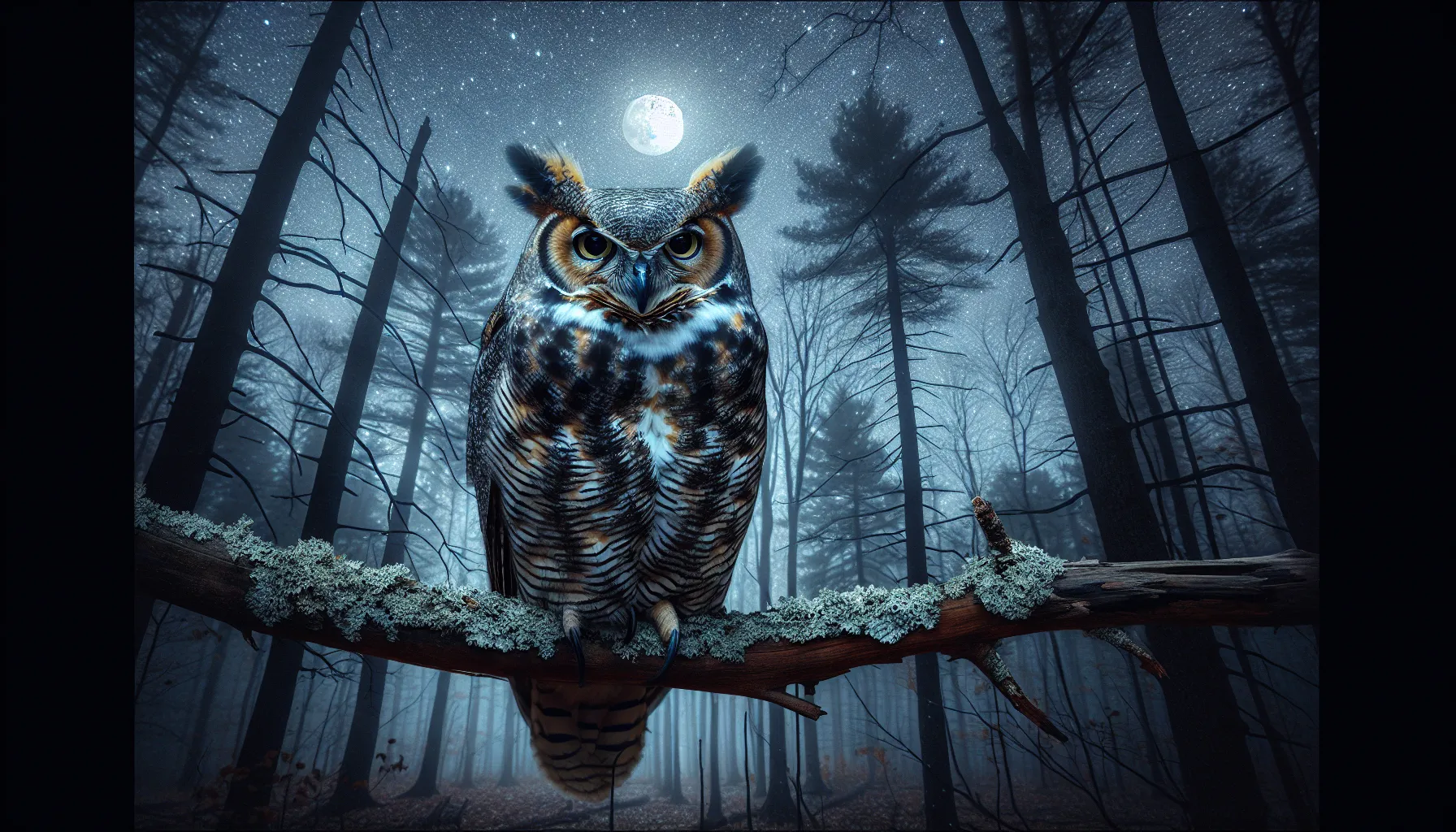
Owls exhibit round, broad heads with forward-facing, prominent eyes ensconced in a facial disk, crucial for their binocular vision. Their wings are broad and rounded, complemented by soft feathers to enable silent flight. Also, their talons are large and extremely curved, optimized for gripping prey securely.
Behavioral Patterns and Hunting Techniques
Primarily nocturnal, owls are renowned for their stealthy, silent flight and precision hunting under low-light conditions. Their ability to swivel their heads up to 270 degrees compensates for their fixed eye sockets, enhancing their perceptual range.
Natural Habitat and Geographic Distribution
Owls inhabit diverse environments across the globe, from dense forests to open terrain such as grasslands. Their remarkable adaptability allows them to thrive in both rural and urban settings, depending on the species.
Characteristics of Hawks
Physical Appearance and Anatomy
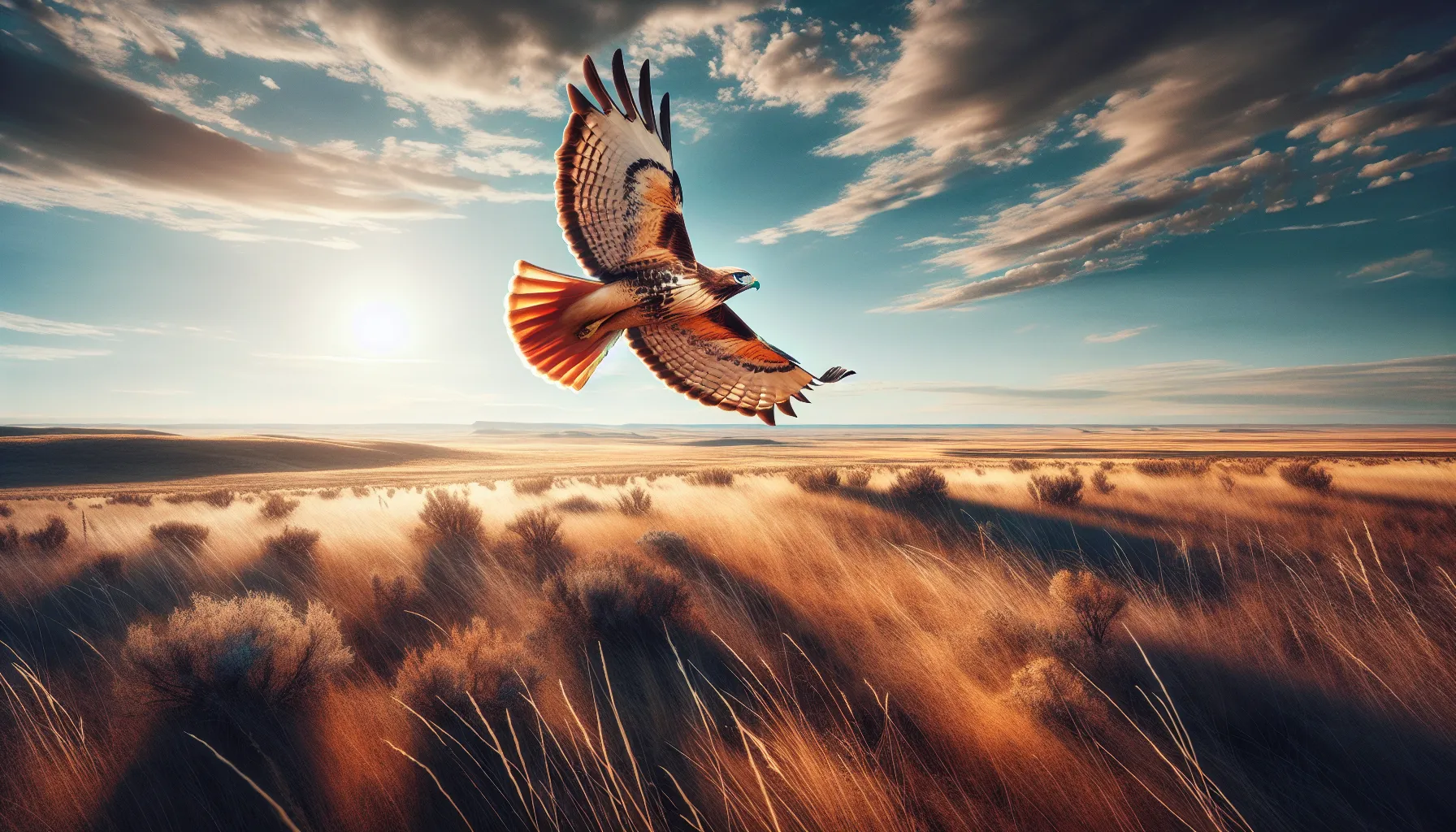
Hawks exhibit streamlined bodies with long and broad wings that make them adept at soaring and gliding. Their sharp, hooked beaks and powerful talons are designed for tearing and carrying prey.
Behavioral Patterns and Hunting Techniques
Unlike owls, hawks are predominantly diurnal hunters. They often employ a strategy of soaring at great heights to spot prey before making a high-speed dive to capture it. Their keen eyesight is integral to their effectiveness as hunters.
Natural Habitat and Geographic Distribution
Hawks are widespread, occupying a variety of climates and ecological zones, including forests, deserts, and open plains. Specific species of hawks demonstrate unique habitat preferences, which correlate with their specialized hunting techniques.
Comparison of Owls and Hawks
Vision and Sensory Abilities
Owls excel in low-light vision due to their large, light-sensitive eyes, whereas hawks are known for their superior daytime vision, which allows them to discern distant movement from afar.
Dietary Preferences
Both owls and hawks are carnivorous. But, owls generally target nocturnal prey like rodents, while hawks favor diurnal creatures such as birds and small mammals.
Adaptations to Environment
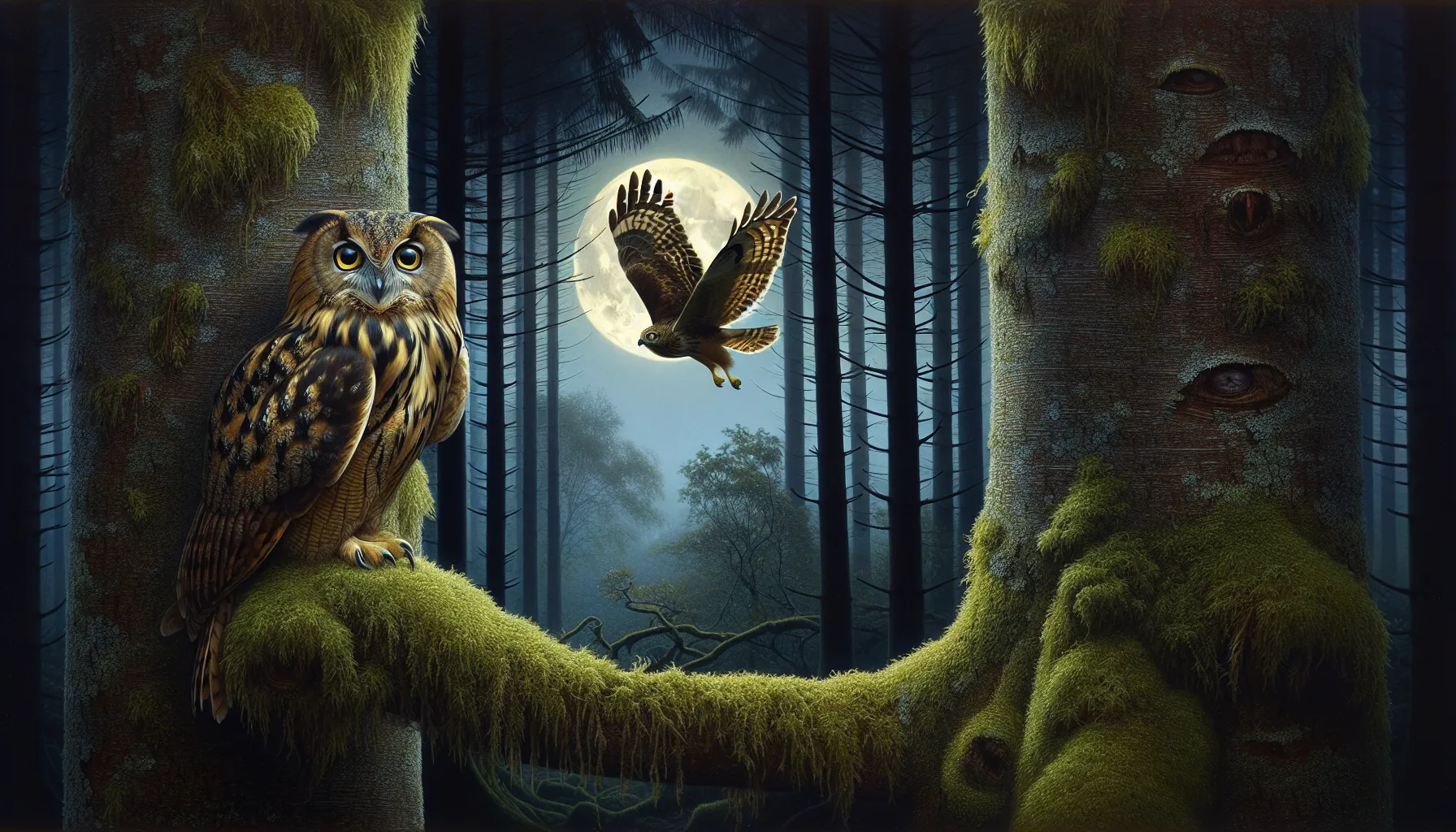
Owls have developed silent flight mechanisms and exceptional camouflage for stealthy nocturnal hunting. Hawks, in contrast, exhibit powerful soaring capabilities and acute visual targeting for daytime predation.
To provide the best experiences, we use technologies like cookies to store and/or access device information. Consenting to these technologies will allow us to process data such as browsing behaviour or unique IDs on this site. Not consenting or withdrawing consent, may adversely affect certain features and functions.
Functional
Always active
The technical storage or access is strictly necessary for the legitimate purpose of enabling the use of a specific service explicitly requested by the subscriber or user, or for the sole purpose of carrying out the transmission of a communication over an electronic communications network.
Preferences
The technical storage or access is necessary for the legitimate purpose of storing preferences that are not requested by the subscriber or user.
Statistics
The technical storage or access that is used exclusively for statistical purposes.The technical storage or access that is used exclusively for anonymous statistical purposes. Without a subpoena, voluntary compliance on the part of your Internet Service Provider, or additional records from a third party, information stored or retrieved for this purpose alone cannot usually be used to identify you.
Marketing
The technical storage or access is required to create user profiles to send advertising, or to track the user on a website or across several websites for similar marketing purposes.