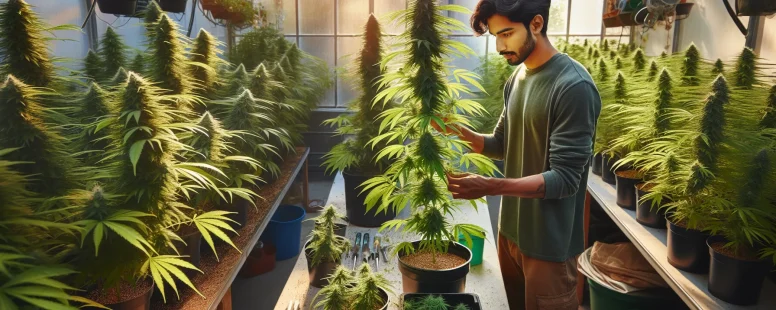
Cannabis plants, with their vibrant green leaves and unique aroma, harbor more than just potential for relaxation and creativity. Within their lush foliage lies a crucial distinction that can significantly impact cultivation efforts, the sex of the plant. Have we ever paused to consider how this botanical characteristic can transform our approach to gardening? Understanding the sex of cannabis plants isn’t merely academic: it carries practical implications for anyone involved in cannabis cultivation. The same logic applies across the living world — from those who need to tell female from male chicks before they mature into laying hens, to growers who must identify plant sex before pollination occurs. As we investigate deeper, we will discover the surprising benefits of distinguishing between male and female plants, enhancing our gardening experience and outcomes.
Understanding Cannabis Sex Determination
Cannabis plants are dioecious, which means they have separate male and female plants. This separation is essential because it directly affects breeding, potency, and overall yield. Generally, the plant will show its sex during the pre-flowering stage, usually around 4 to 6 weeks into growth.
The sex of a cannabis plant is determined by its genetics, influenced by both its parent strains. By observing specific traits during the pre-flowering stage, we can identify the sex early in their lifecycle. This enables us to make informed decisions about which plants to keep and which to remove or separate in our grow operation.
Why Differentiating Between Male and Female Plants Matters
The reason we stress the importance of distinguishing between male and female cannabis plants is rooted in the way each affects our harvest. Female plants contain the lower levels of THC, the psychoactive compound most desired by users, while male plants tend to produce pollen, which can fertilize female flowers, leading to seed production. This means that the quality of our crop can significantly diminish if males are allowed to pollinate females. In this way, managing the sex ratio of your plants is not unlike the decisions a poultry keeper faces when learning to tell a hen from a rooster — keeping the right balance has a direct impact on your intended outcome.
Also, if our goal is to breed new strains or produce seeds, we need to have a clear understanding of both male and female plants. Knowing which plants contribute to your desired traits will help guide our breeding choices and eventually yield the results we want.
Identifying Female Cannabis Plants
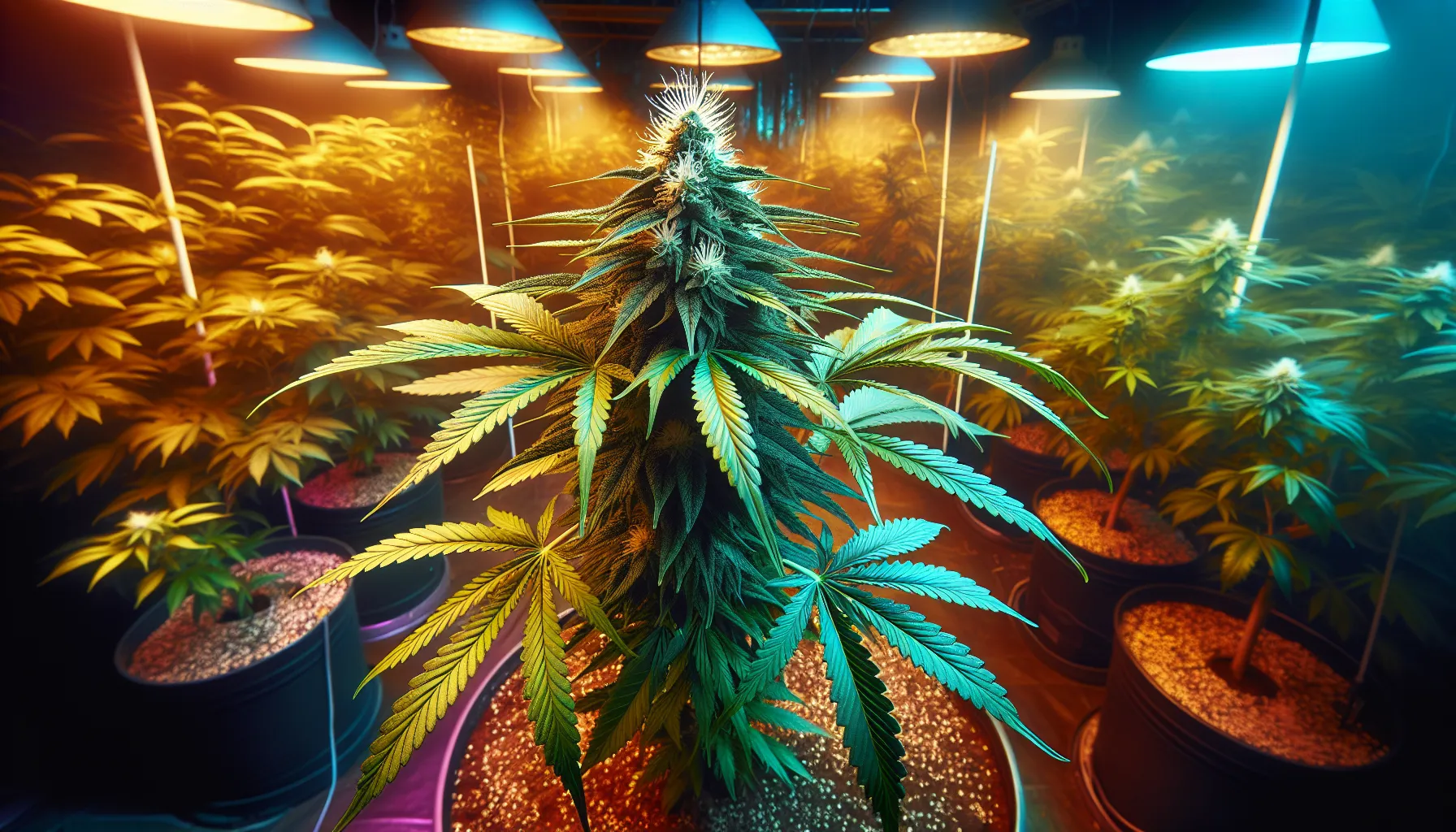
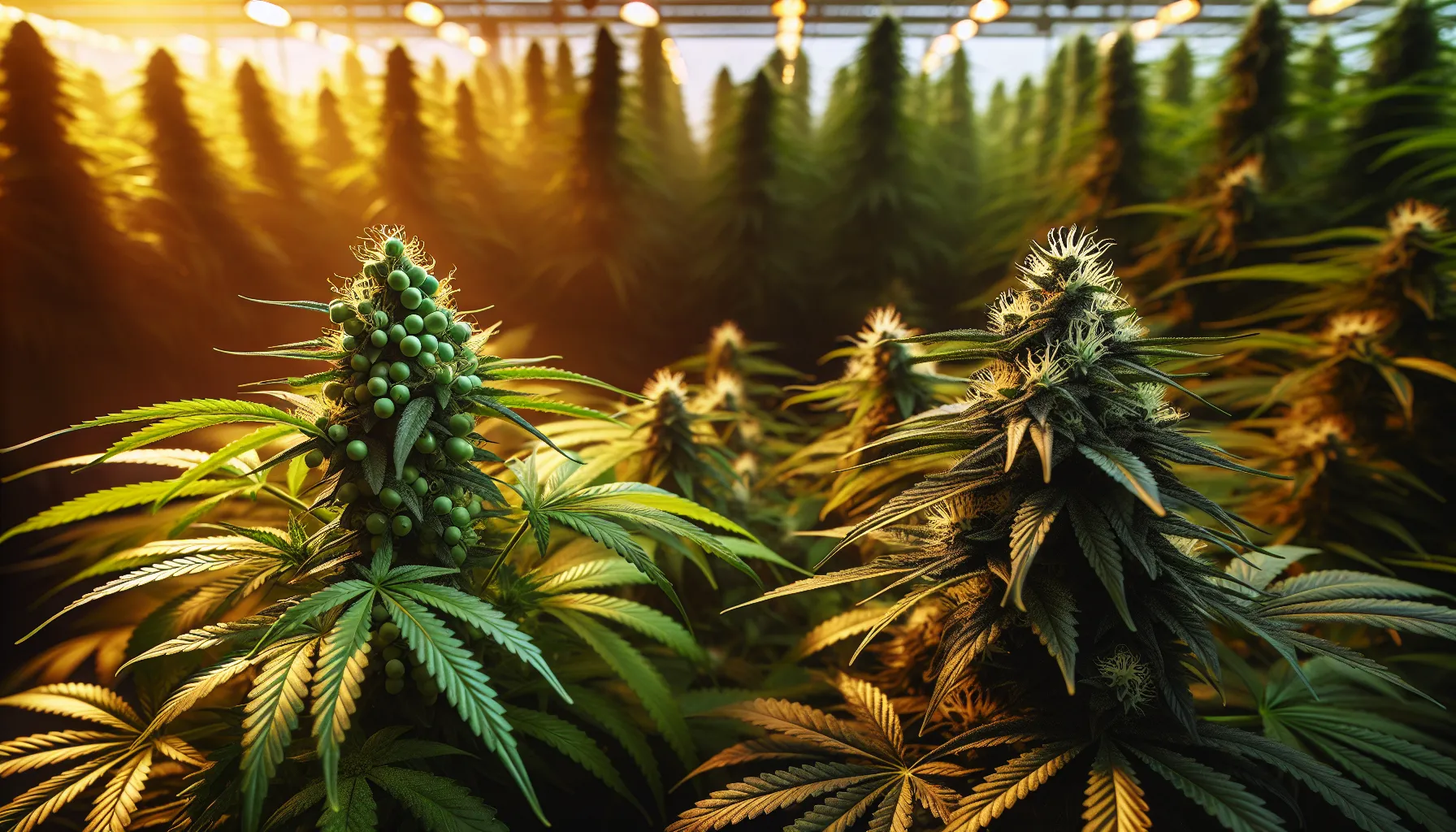
Identifying female cannabis plants can often be straightforward if we know what to look for. When pre-flowering begins, usually at about 4 to 6 weeks, female plants display a small bud at the node, where the leaf stems meet the main stem. This shape resembles a small tear or a white, fuzzy hair, known as a pistil.
Females are essential because they produce the flowers that we eventually wish to harvest for consumption. These flowers are often dense with resin and rich in cannabinoids. Hence, recognizing these characteristics early ensures that we maintain genetically robust plants.
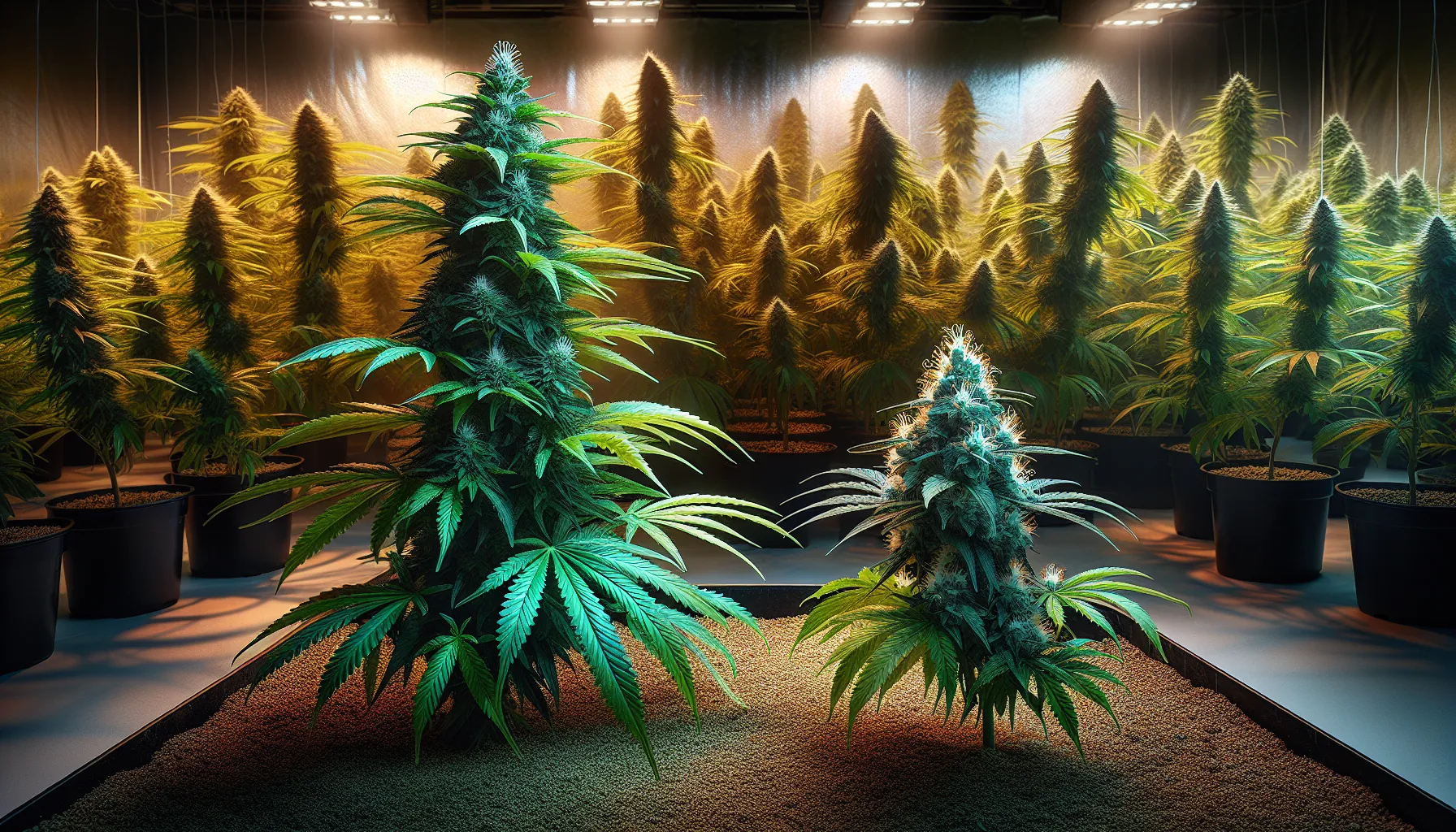
We should also keep an eye on the plant’s growth patterns. Typically, female cannabis plants grow taller and bushier, with larger leaves compared to their male counterparts.
Identifying Male Cannabis Plants
Identifying male cannabis plants is equally important, and fortunately, it has its distinct markers. Males will typically develop pollen sacs at the leaf nodes, which look like small balloons or grapes. These sacs do not have the ‘hairs’ that females possess. If these sacs open, they release pollen, which can fertilize female plants and negatively impact our crop.
Males tend to be shorter and less bushy than females, often displaying a looser leaf structure. Knowing these characteristics allows us to swiftly make decisions about which plants to keep for breeding or to separate to avoid unwanted fertilization.
Key Characteristics of Each Sex
To summarize:
Female Plants: Have pistils, bushy structure, and larger leaves.
Male Plants: Have pollen sacs, are shorter, and have a less dense foliage.
Common Myths About Cannabis Sex Identification
Even though the clarity surrounding identifying male and female cannabis plants, several myths persist. One prevalent misconception is that the size of the plant dictates its sex. In reality, size alone does not determine whether a plant is male or female: it’s about the presence or absence of specific reproductive organs. Another common belief is that male plants can be turned into females through stress, which is scientifically unfounded. Each plant’s genetics will eventually govern its sex.
Best Practices for Managing Male and Female Plants
Managing both male and female plants effectively is essential, especially when growing for flowers. If we aim for a seedless crop, the best practice is to remove male plants as soon as they are identified. On the other hand, if breeding is our goal, we should take care to keep the strongest male and female plants and monitor their growth closely.
Also, separating male and female plants is crucial to avoid accidental fertilization. Use different grow spaces if possible, and ensure clear labeling to help track which plants are planted together.
Conclusion
Understanding how to tell female from male weed plants offers us the chance to optimize our growing practices. By identifying the sex of the plants early, we can take proactive steps to ensure a high-quality yield or pursue unique breeding opportunities. With the right knowledge in our hands, we can cultivate with purpose, whether for enjoyment or for a more commercial purpose. The ability to spot subtle biological distinctions is a skill worth developing in many areas — just as careful observers learn to tell an alligator from a crocodile by reading small but telling physical details, cannabis growers develop the same trained eye for their plants. Let’s continue exploring the intriguing realm of cannabis together, armed with insights to elevate our growing endeavors.
To provide the best experiences, we use technologies like cookies to store and/or access device information. Consenting to these technologies will allow us to process data such as browsing behaviour or unique IDs on this site. Not consenting or withdrawing consent, may adversely affect certain features and functions.
Functional
Always active
The technical storage or access is strictly necessary for the legitimate purpose of enabling the use of a specific service explicitly requested by the subscriber or user, or for the sole purpose of carrying out the transmission of a communication over an electronic communications network.
Preferences
The technical storage or access is necessary for the legitimate purpose of storing preferences that are not requested by the subscriber or user.
Statistics
The technical storage or access that is used exclusively for statistical purposes.The technical storage or access that is used exclusively for anonymous statistical purposes. Without a subpoena, voluntary compliance on the part of your Internet Service Provider, or additional records from a third party, information stored or retrieved for this purpose alone cannot usually be used to identify you.
Marketing
The technical storage or access is required to create user profiles to send advertising, or to track the user on a website or across several websites for similar marketing purposes.