Imagine walking along a sunlit riverbank, your senses alive with the sounds of nature, when suddenly you spot a creature gliding silently through the water. Is it an alligator or a crocodile? Many of us may not realise that these two reptiles, while sharing similarities, are distinct in various aspects. Their differences might not only influence our understanding but also affect our safety if we were to encounter them in the wild. In this guide, we investigate the key characteristics that set these fascinating creatures apart, equipping ourselves with knowledge that could prove valuable in a variety of situations.
Understanding the Differences Between Alligators and Crocodiles
At first glance, alligators and crocodiles may appear quite similar, but they belong to different families and exhibit distinct traits. Alligators belong to the family Alligatoridae, while crocodiles are members of the family Crocodylidae. This classification gives rise to unique physical features, behaviours, and habitats. Alligators prefer freshwater environments, while crocodiles can thrive in both freshwater and saltwater. Knowing this can guide us in identifying these reptiles based on their location. Learning to differentiate between similar-looking animals is a rewarding skill — our guide on how to tell rat from mouse applies the same framework of physical and behavioural clues to two of the world’s most common pest species.
Physical Characteristics
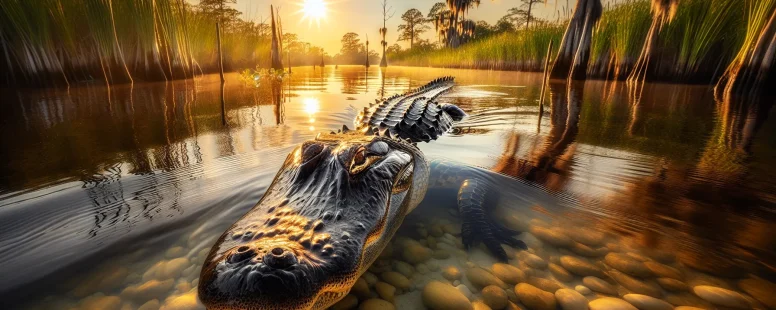
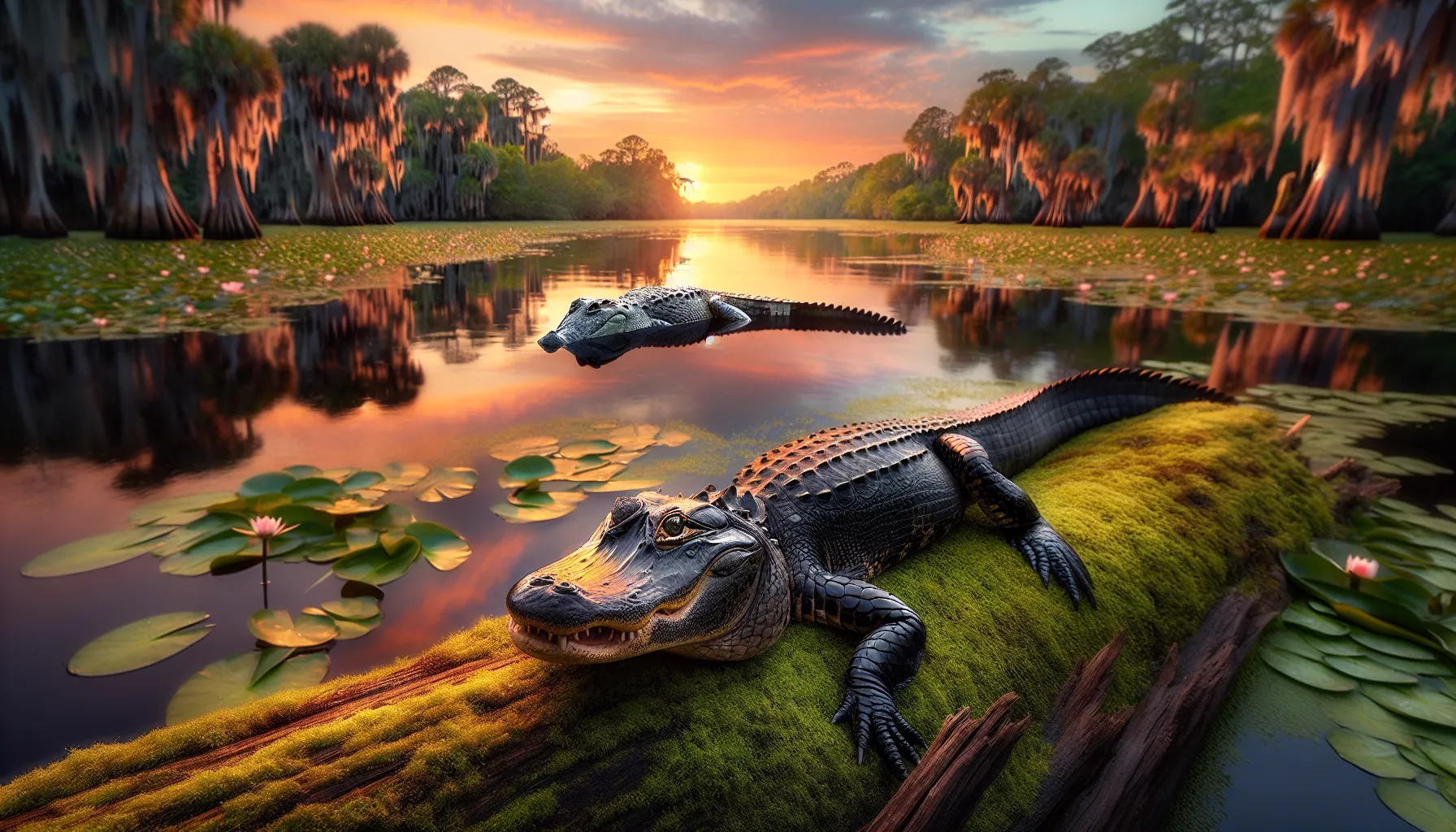
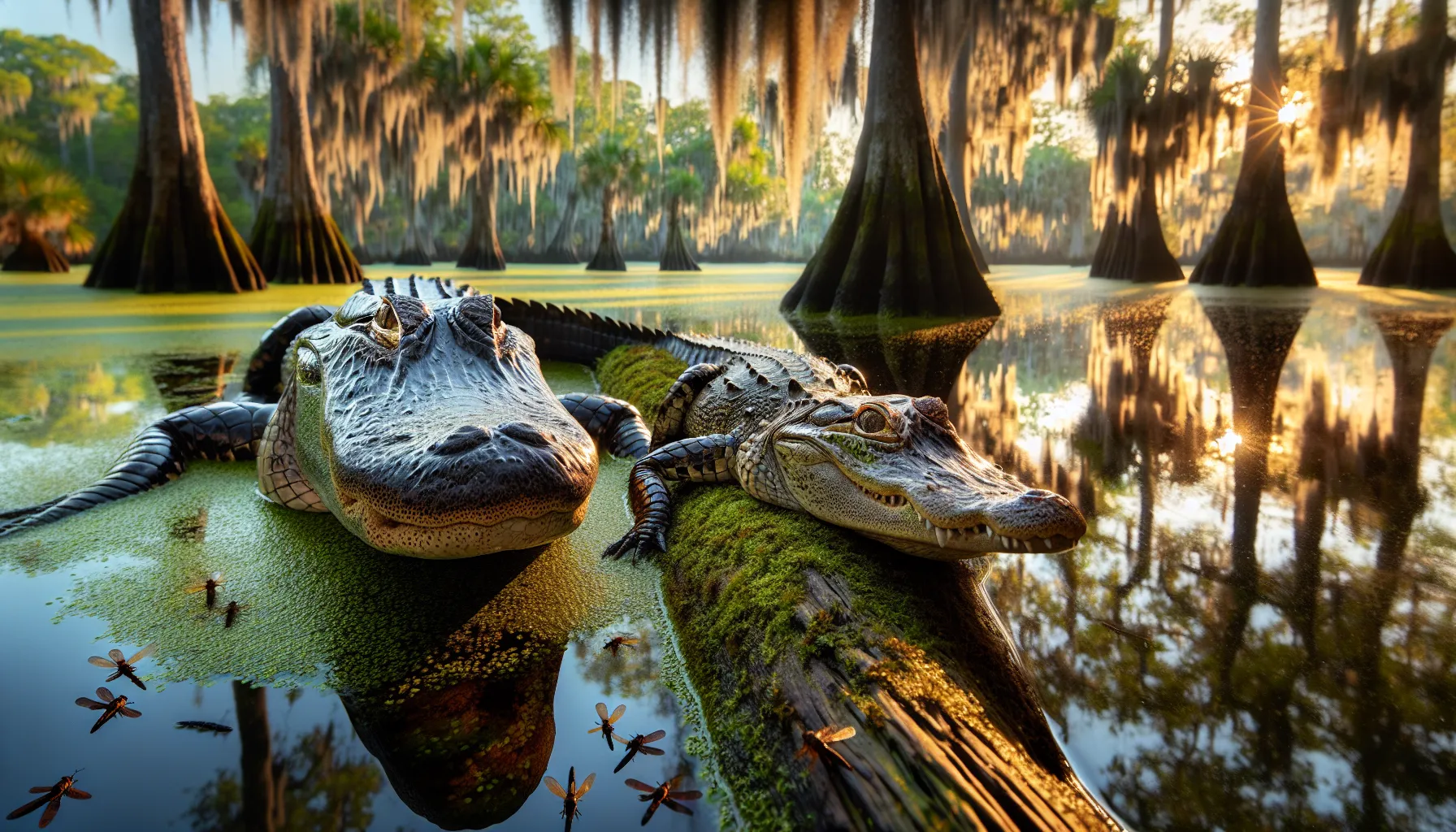
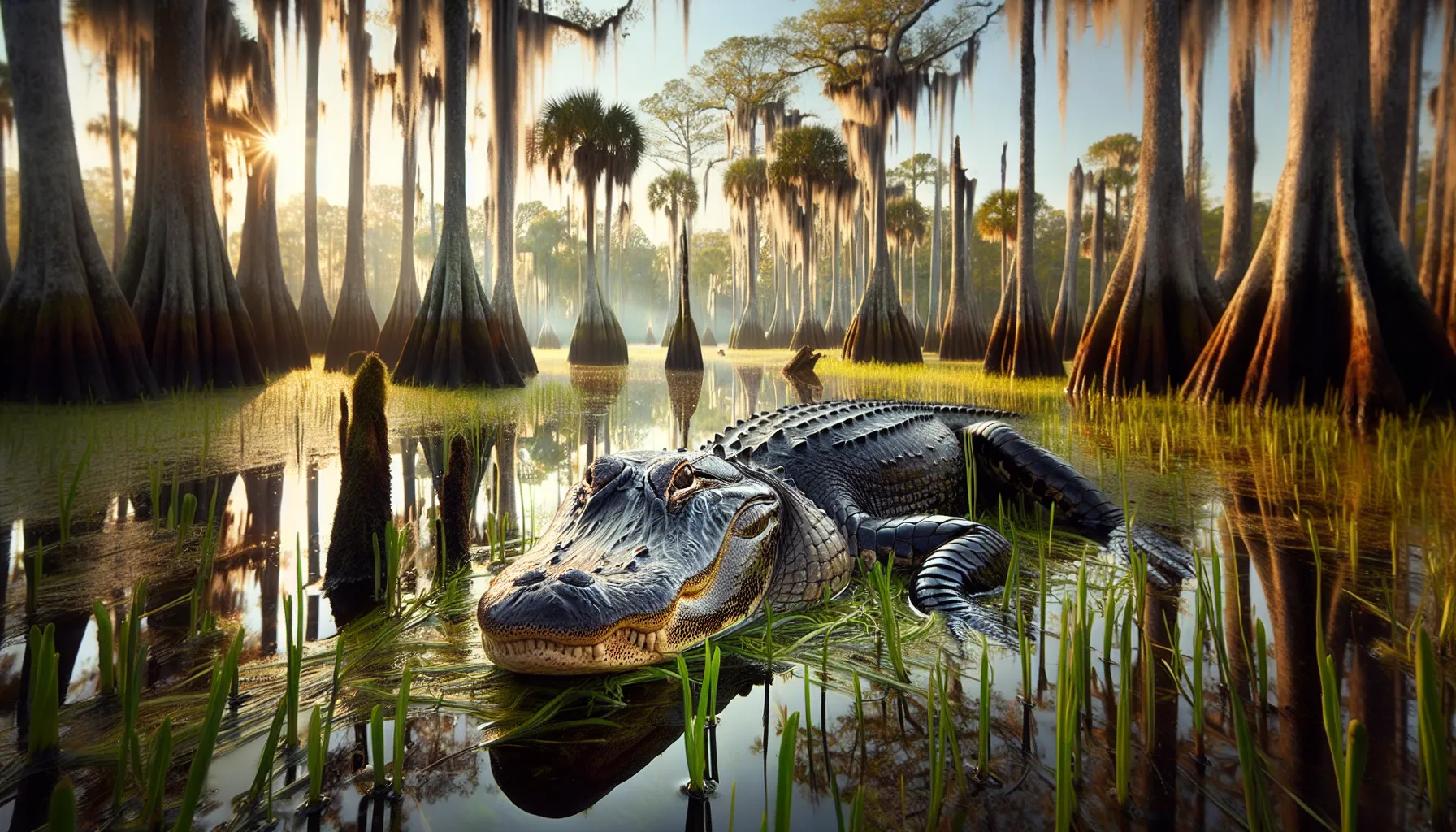
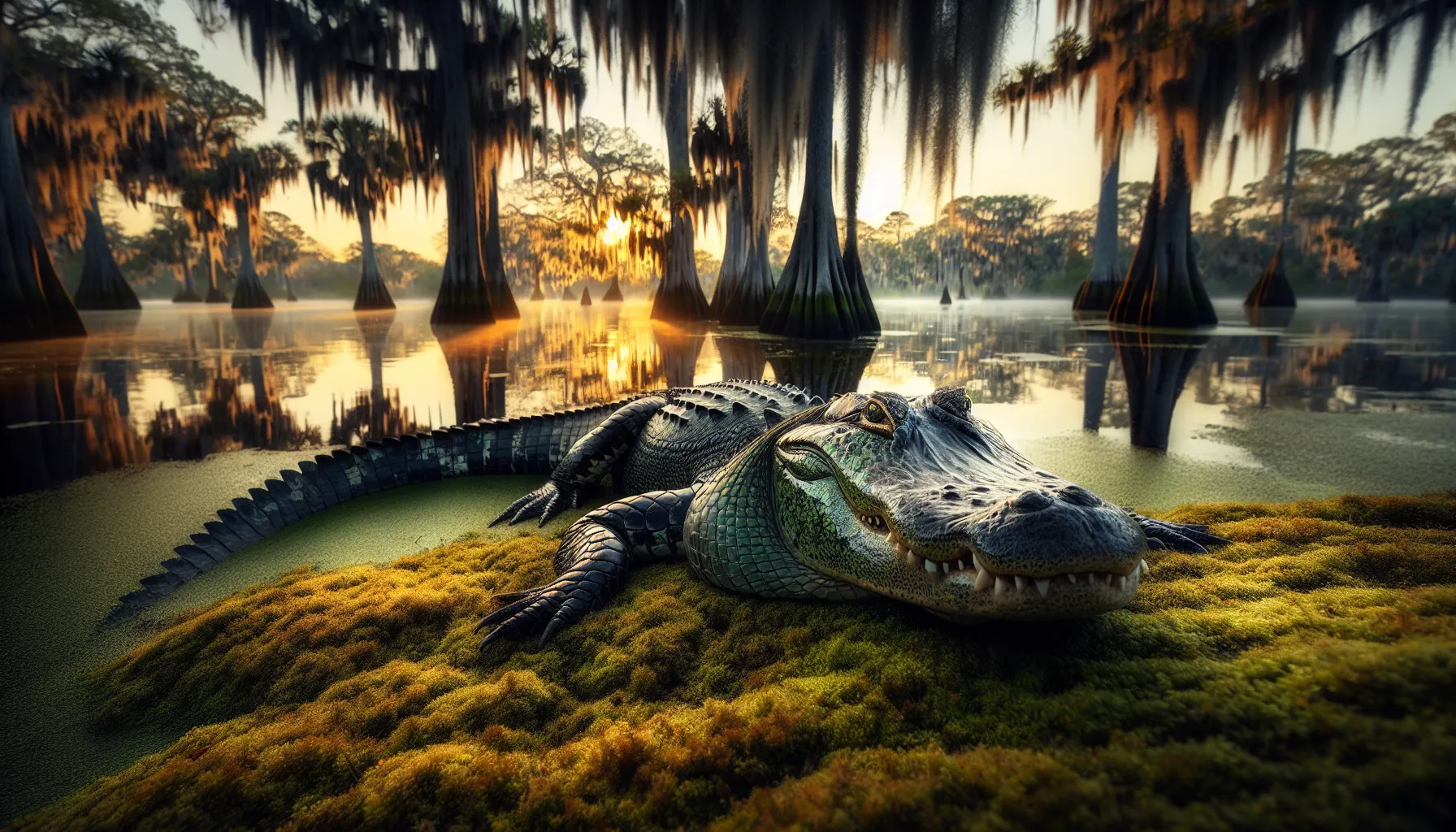
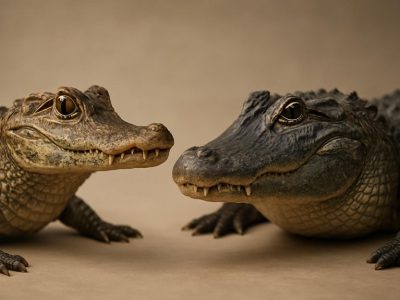
When we look closely at alligators and crocodiles, their physical characteristics offer some of the most reliable cues for differentiation. The snout shape is the quickest tell: alligators have a broader, U-shaped snout, while crocodiles possess a V-shaped, narrower snout. Teeth visibility is another key indicator — when their mouths are closed, an alligator’s upper jaw conceals its lower teeth, while a crocodile’s upper and lower teeth interlock, making the fourth lower tooth clearly visible. Coloration also differs: alligators often sport darker, olive-gray hues, while crocodiles generally display a lighter, olive-yellow colouration. This kind of careful colour and shape comparison applies equally when learning to tell a hen from a rooster, where plumage pattern, comb size, and body proportion are the primary physical identifiers.
Habitat and Geographic Distribution
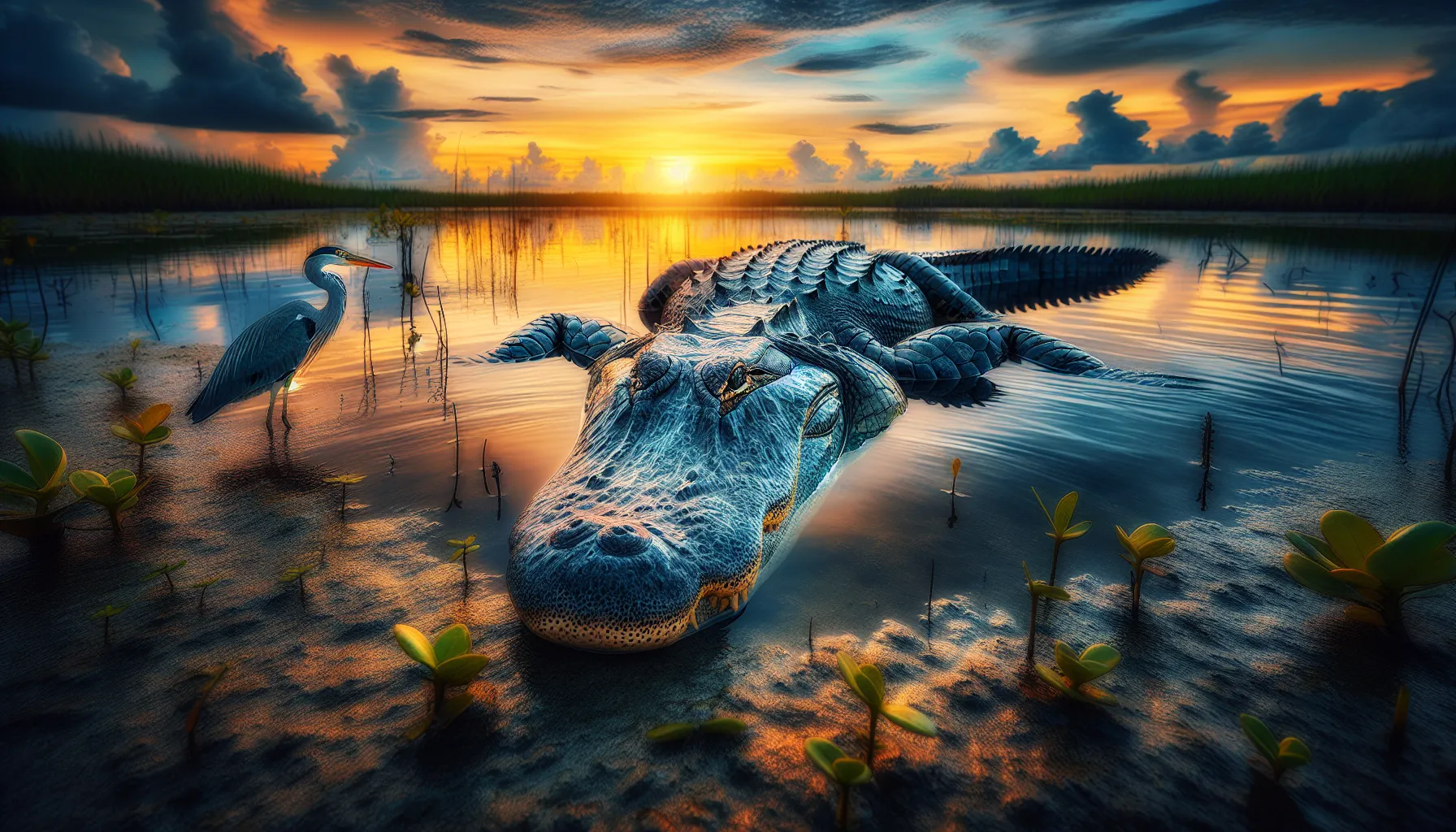
Alligators are primarily found in the southeastern United States and China, favouring freshwaters such as ponds, marshes, and rivers. Crocodiles inhabit a much wider range, including parts of Africa, Australia, Southeast Asia, North America, and South America. Finding crocodiles in saltwater regions is not uncommon, especially in estuaries and mangrove swamps. This adaptability allows crocodiles to cover more ground than alligators, demonstrating their versatility in various environments.
Behavioural Differences
Behaviourally, alligators and crocodiles exhibit distinct traits that can influence our encounters with them. Alligators are generally more reclusive and less aggressive towards humans, while crocodiles are more territorial and assertive, especially when they feel threatened. During breeding season, alligators perform courtship rituals involving vocalisations and physical displays, while crocodiles can become particularly aggressive, sometimes attacking if their territory feels invaded. Recognising sex-specific behaviour is equally important in domestic animal care — our guide on how to tell female from male kittens explains how early behavioural and physical cues can reliably determine sex before more obvious characteristics develop.
Diet and Feeding Habits
Both alligators and crocodiles are carnivorous, but their hunting strategies differ. Alligators eat a variety of prey including fish, birds, and small mammals, often using an ambush strategy — lying in wait for unsuspecting prey. Crocodiles have a more aggressive style and will consume larger prey, including livestock, and can tackle ungulates that venture too close to the water. Understanding their diet deepens our appreciation for these apex predators and their ecological roles. The same observational skills useful here apply equally to identifying animals on your property — if you keep backyard chickens or have encountered wild birds, our guide on how to tell female from male chicks shows how physical examination can reliably determine sex even in very young birds.
Safety and Human Interaction
With our knowledge of these reptiles, it’s essential to discuss safety considerations. Alligators are generally less inclined to attack humans than crocodiles, but both species can be dangerous if provoked. Maintaining a respectful distance is always wise. When visiting habitats where these reptiles live, avoiding swimming in areas known for their presence and never feeding them are simple precautions that greatly reduce risk.
Conservation Status of Alligators and Crocodiles
Conservation plays a crucial role in ensuring the survival of both alligators and crocodiles. American alligators have made a remarkable recovery since the 1960s, when they were endangered due to habitat loss and hunting — they are now listed as Least Concern by the IUCN. Certain crocodile species face a more complex challenge: the Philippine crocodile and the Siamese crocodile remain critically endangered. Efforts to preserve natural habitats and combat illegal hunting are essential to protecting these vulnerable species. For those growing or studying plants in sensitive ecosystems, careful species identification is equally critical — our guide on how to tell female from male weed plants demonstrates how identifying plant sex early can be essential for cultivation management.
Conclusion
Recognising how to tell alligators from crocodiles enriches our understanding of these incredible creatures and enhances our safety in their presence. From their physical characteristics to their behaviours and habitats, this knowledge empowers us to interact with nature more responsibly. By taking an informed approach, we can appreciate their roles in the ecosystem while contributing to the conservation of their species for generations to come.
To provide the best experiences, we use technologies like cookies to store and/or access device information. Consenting to these technologies will allow us to process data such as browsing behaviour or unique IDs on this site. Not consenting or withdrawing consent, may adversely affect certain features and functions.
Functional
Always active
The technical storage or access is strictly necessary for the legitimate purpose of enabling the use of a specific service explicitly requested by the subscriber or user, or for the sole purpose of carrying out the transmission of a communication over an electronic communications network.
Preferences
The technical storage or access is necessary for the legitimate purpose of storing preferences that are not requested by the subscriber or user.
Statistics
The technical storage or access that is used exclusively for statistical purposes.The technical storage or access that is used exclusively for anonymous statistical purposes. Without a subpoena, voluntary compliance on the part of your Internet Service Provider, or additional records from a third party, information stored or retrieved for this purpose alone cannot usually be used to identify you.
Marketing
The technical storage or access is required to create user profiles to send advertising, or to track the user on a website or across several websites for similar marketing purposes.