When delving into the world of cannabis, one of the most commonly debated topics revolves around cannabis varieties: Sativa and Indica. While popular culture often furnishes them with distinct reputations, there is substantially more depth and nuance involved. Understanding these differences is not just academic: it’s pivotal for tailoring your experience, whether you’re seeking therapeutic relief or recreational enjoyment.
Defining Sativa and Indica Strains
Origins and Characteristics
Sativa strains primarily originate from equatorial regions such as Southeast Asia, Central America, and Africa. These strains are typically characterized by their prolonged growth cycles and resilience to warmer climates. In contrast with Indica strains, Sativa plants are often sought after for effectual daytime use due to their uplifting impact.
Physical Traits of the Plants
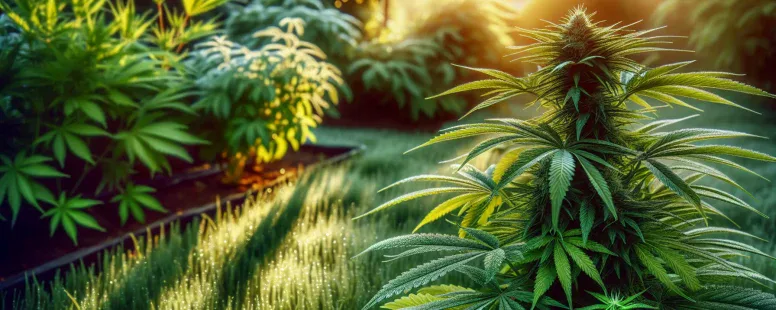
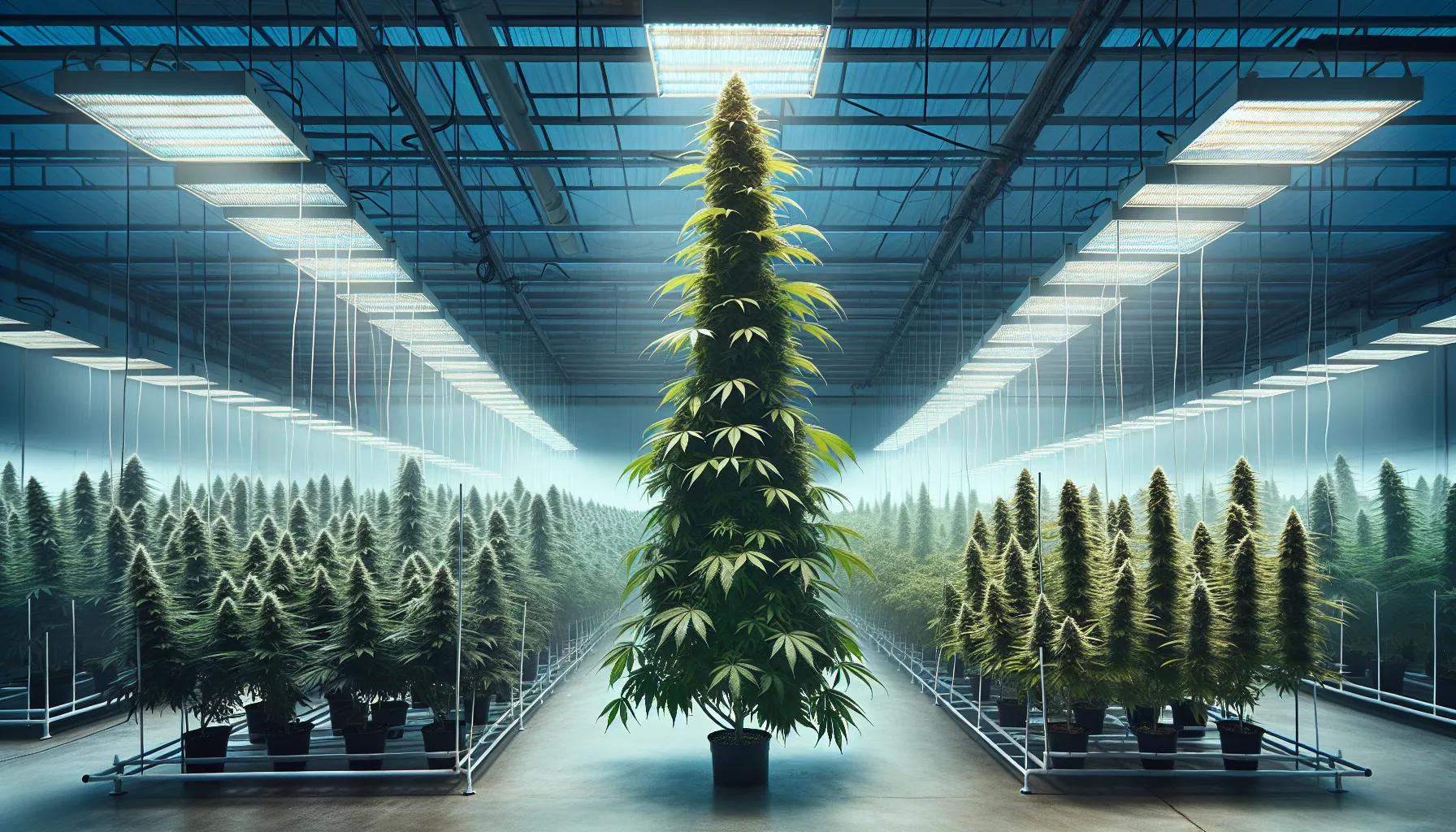
From a botanical perspective, Indica and Sativa plants exhibit diverse physical attributes. Sativa plants grow tall and slim, often reaching heights over 12 feet under optimal conditions. Their light-green leaves are narrow and spread apart. Conversely, Indica plants are compact and bushy, with broader leaves and a deeper green hue, enabling their adaptability to colder environments.
Effects Commonly Associated with Sativa
Mental Stimulation and Energy
Sativa strains are widely celebrated for their potential to boost creativity and focus. These qualities make them a popular choice among artists, professionals, and individuals aiming to energize their daily routine.
Therapeutic Uses of Sativa
Beyond recreational purposes, Sativa strains are recognized for their therapeutic advantages. Users often explore these strains to alleviate symptoms of depression, chronic fatigue, and attention challenges, positioning them as a resource for mood augmentation and enhanced mental endurance.
Effects Commonly Associated with Indica
Relaxation and Physical Calm
Indica strains are renowned for their soothing and calming effects. Users often find these strains ideal for unwinding after a hectic day or preparing for restful sleep.
Therapeutic Uses of Indica
Indica-dominant strains frequently appeal to those seeking relief from physical ailments. Its potential analgesic and anti-inflammatory properties contribute to alleviating muscle tension, chronic pain, and spasticity. It is also preferred among those addressing stress and insomnia.
Factors Influencing the Strength of Cannabis Strains
Cannabinoid Content and Composition
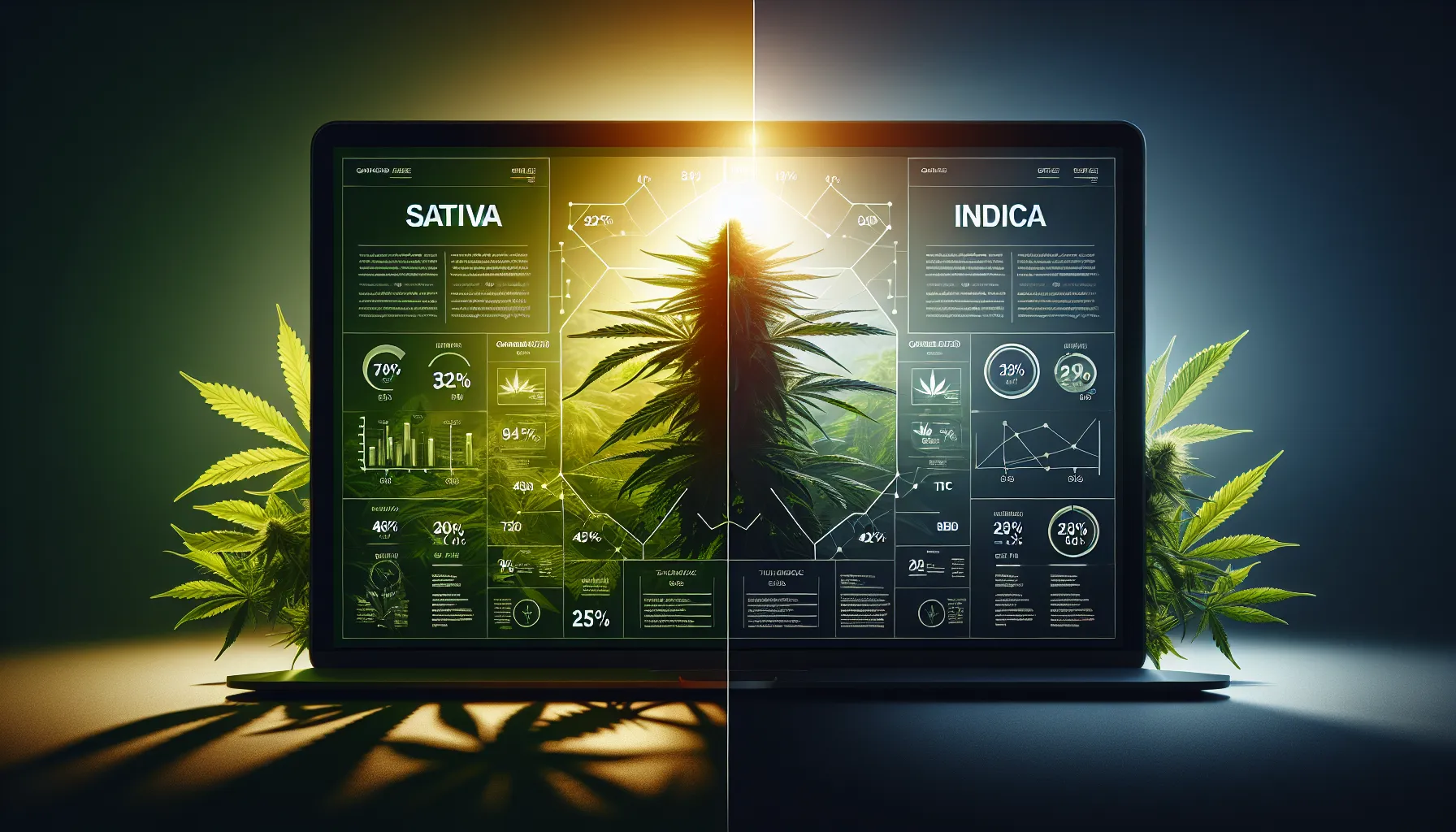
The potency of a cannabis strain largely depends on its cannabinoid profile, specifically, the levels of Tetrahydrocannabinol (THC) and Cannabidiol (CBD). THC governs psychoactive intensity, whereas CBD potentially offsets excessive stimulation, introducing equilibrium.
Personal Tolerance and Usage Context
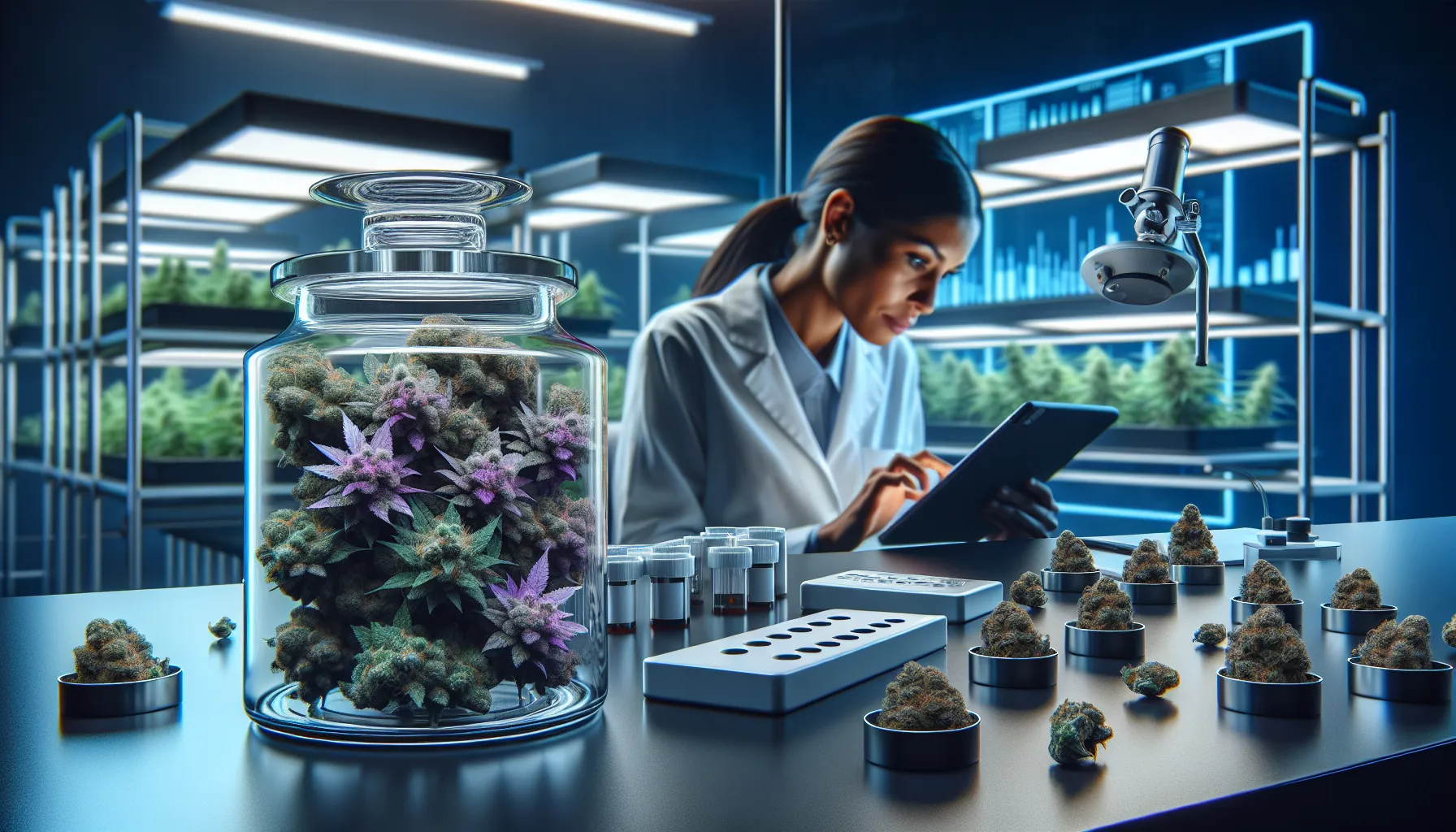
Each individual’s biological composition, previous experience, and context of use significantly sculpt their sensitivity and reaction to cannabis. Controlled settings favor repeatable outcomes, honing the understanding of the plant’s impacts.
FAQ on Sativa vs. Indica Strength
Debunking Common Misconceptions
A frequent misunderstanding within the community involves attributing universal effects exclusively based on strain type. But, contemporary studies highlight the influence of variable terpenes, genetics, and cultivation methods.
Emerging Research on Hybrid Strains
The expanding exploration of hybrid strains, combinations of Indica and Sativa lineages, is unlocking new potentialities. This development underscores the limited utility of rigid typologies in predicting strength or effects.
To provide the best experiences, we use technologies like cookies to store and/or access device information. Consenting to these technologies will allow us to process data such as browsing behaviour or unique IDs on this site. Not consenting or withdrawing consent, may adversely affect certain features and functions.
Functional
Always active
The technical storage or access is strictly necessary for the legitimate purpose of enabling the use of a specific service explicitly requested by the subscriber or user, or for the sole purpose of carrying out the transmission of a communication over an electronic communications network.
Preferences
The technical storage or access is necessary for the legitimate purpose of storing preferences that are not requested by the subscriber or user.
Statistics
The technical storage or access that is used exclusively for statistical purposes.The technical storage or access that is used exclusively for anonymous statistical purposes. Without a subpoena, voluntary compliance on the part of your Internet Service Provider, or additional records from a third party, information stored or retrieved for this purpose alone cannot usually be used to identify you.
Marketing
The technical storage or access is required to create user profiles to send advertising, or to track the user on a website or across several websites for similar marketing purposes.