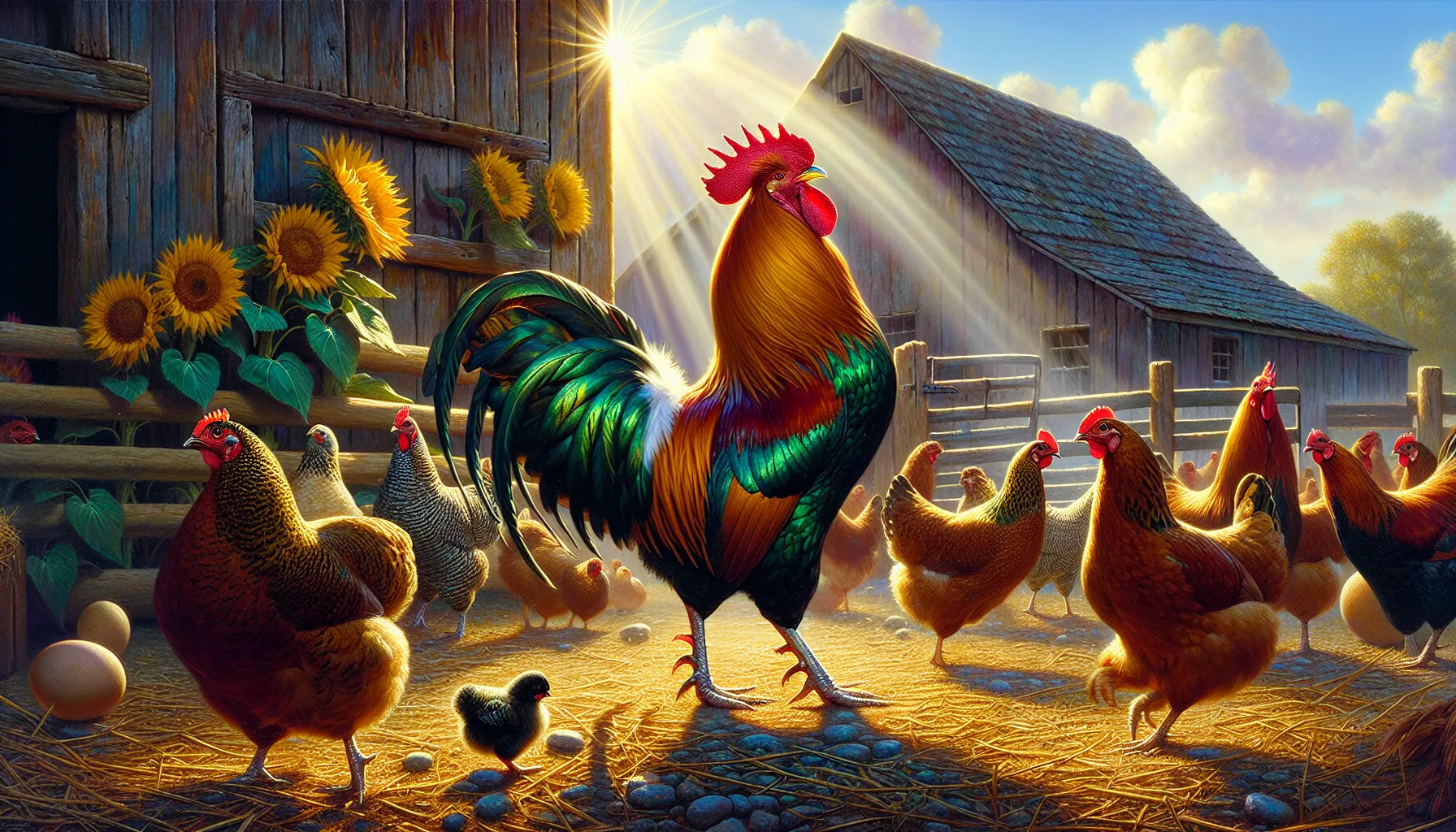
In the bustling world of poultry, understanding the difference between hens and roosters is more than just a matter of curiosity: it’s essential for anyone involved in farming, backyard raising, or even just enjoying the antics of these charming birds. Have you ever watched a flock of chickens and wondered which was which, especially when they all seem to strut around confidently? We can help you unravel this mystery. By the end of this guide, not only will you be able to identify these two types of chickens with ease, but you’ll also discover some surprising facts about their behaviors and traits that may just wow your friends. Let’s embark on this feathery adventure together.
Physical Differences Between Hens and Roosters
Understanding the physical attributes of hens and roosters is our first step in identifying them.
Size and Build
Roosters generally sport a larger and more robust build than hens. Adult roosters can weigh anywhere from 6 to 10 pounds, depending on the breed, while hens typically range from 4 to 8 pounds. With that extra weight, roosters often have a more muscular appearance, particularly around the neck and body. This size disparity becomes most noticeable when we see them side by side, with roosters boasting broader shoulders and a more pronounced chest.
Comb Size and Shape
One of the most distinguishing features of roosters is their comb, the fleshy crest on the top of their heads. Roosters often have larger and more pronounced combs than hens, which can be seen as a sign of health and vigor. Typically, the comb of a rooster is taller and more upright, while a hen’s comb tends to be smaller and more subdued. The shape of the comb can vary between breeds, offering even more visual clues.
Feathering Patterns
Feathering also plays a crucial role in differentiation. Roosters often have more lustrous and striking feathers, which boast vivid colors and elaborate patterns that can include iridescence. Hens, on the other hand, often have softer, more muted feather patterns, designed more for camouflage from predators rather than for display. Often, male chickens will also have longer tail feathers that sweep elegantly to the sides, adding to their regal appearance.
Behavioral Differences
Behavior can significantly help us identify whether we’re observing a hen or a rooster. These sex-based behavioural patterns are a consistent theme across many species — the same instinct that makes roosters assertive and territorial is what distinguishes tom cats from queens, as explored in our guide to how to tell if a cat is male or female.
Vocalizations: Crowing Versus Clucking
One of the loudest differentiators is their vocal sounds. Roosters are famous for their crowing, a loud, often obnoxious call that can be heard from a distance. They crow as a way to establish territory and communicate with the flock. Hens, but, primarily engage in clucking. Their clucks remain quieter and serve various purposes, including calling their chicks or indicating hunger. If we’re near a flock and hear a crow echoing through the air, we can be assured we’re in the presence of a rooster.
Social Behavior and Hierarchy
Roosters often take on more assertive roles within the flock. They usually exhibit behaviors to establish dominance and protect their hens. We may observe a rooster leading the flock, watching for predators, or even displaying tai-l feather spreads in a show of dominance. Hens are more focused on foraging for food and caring for their chicks. They tend to exhibit more social and nurturing behaviors, forming close-knit bonds.
Age-Based Differences
Identifying hens and roosters based on their age can provide additional insights.
Juvenile Stage Traits
In their early stages of life, distinguishing chicks can be particularly tricky, but with observation, we can notice certain patterns. Male chicks often show slightly larger combs and wattles even at a young age. Also, as chicks grow, roos may develop distinctive feathering patterns sooner than hens. For a full breakdown of those early-stage methods, our dedicated guide on how to tell female from male chicks walks through visual, behavioural, and vent-sexing techniques in detail.
Adult Characteristics
In adulthood, these differences become far more pronounced. Adult roosters will typically showcase larger combs and brighter plumage. Specific breeds might even present wattles that are longer in males than females, which further assists us in identification.
Practical Tips for Identification
When observing hens and roosters, context matters. Here are a few practical tips that can help us identify them more effectively.
Observing in Different Environments
If we are at a farm or interacting with backyard chickens, it’s helpful to pay attention to their behavior in varying situations. Roosters are likely to exhibit protective behaviors during feeding time or if they perceive a threat. Hens, meanwhile, will often stay close to each other and keep a watchful eye on their surroundings. Observing how they interact with their environment can reveal much about their roles.
The Role of Genetics
Genetic characteristics also play a part in distinguishing hens from roosters. Breeds of chickens carry traits that can enhance or obscure our ability to identify them. For instance, some hybrids may show less pronounced features, but understanding breed standards could provide insight into what to look for. Several chicken breeders have worked on specific breeds to accentuate traits that make identification easier. Knowing these specifics will enhance our identification skills.
Conclusion
To conclude, understanding how to tell hens from roosters isn’t merely about knowing who’s who in the barnyard, it enriches our appreciation for these fascinating creatures. From their physical and behavioral nuances to age-related traits and even genetics, we’ve discovered several layers of complexity in chicken identification. By using the tips and insights shared in this guide, we can confidently identify hens and roosters. The same trained eye for subtle visual cues is equally valuable in other contexts — growers who need to tell if a weed plant is male or female face a surprisingly similar challenge, relying on small structural details to make critical cultivation decisions. So the next time you find yourself surrounded by a group of clucking and crowing companions, you’ll know exactly which is which.
To provide the best experiences, we use technologies like cookies to store and/or access device information. Consenting to these technologies will allow us to process data such as browsing behaviour or unique IDs on this site. Not consenting or withdrawing consent, may adversely affect certain features and functions.
Functional
Always active
The technical storage or access is strictly necessary for the legitimate purpose of enabling the use of a specific service explicitly requested by the subscriber or user, or for the sole purpose of carrying out the transmission of a communication over an electronic communications network.
Preferences
The technical storage or access is necessary for the legitimate purpose of storing preferences that are not requested by the subscriber or user.
Statistics
The technical storage or access that is used exclusively for statistical purposes.The technical storage or access that is used exclusively for anonymous statistical purposes. Without a subpoena, voluntary compliance on the part of your Internet Service Provider, or additional records from a third party, information stored or retrieved for this purpose alone cannot usually be used to identify you.
Marketing
The technical storage or access is required to create user profiles to send advertising, or to track the user on a website or across several websites for similar marketing purposes.