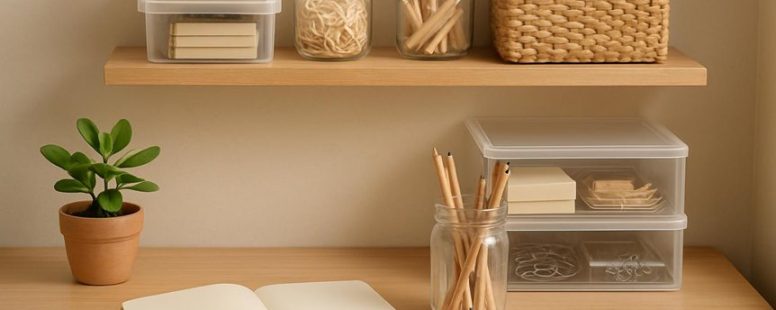
How to Organize on a Budget
Organizing on a budget is like turning a cluttered attic into a cozy haven without breaking the bank.
Imagine opening a drawer and finding everything in its perfect place, the soft hum of order replacing chaos.
With a few simple tricks—decluttering, repurposing everyday objects—you can transform your space and uncover hidden treasures you already own.
Surprisingly, this approach not only saves money but also sparks creativity and a sense of accomplishment.
Ready to see how small changes can make a big difference?
Declutter First to Simplify Organizing
Decluttering before organizing is the best way to make the process easier and less stressful. It means getting rid of things you no longer need or use. When you clear out clutter first, organizing becomes simpler because you are working with less stuff. For example, you can start with one room or drawer, and decide what to keep, donate, or throw away. This helps you see what you really have and prevents you from wasting time trying to organize things you don’t need. Some people say decluttering takes time, but it saves more time later because you won’t have to deal with unnecessary stuff.
There are two ways to look at this. Some say it’s the most important step because it makes everything easier. Others think it can be skipped if you are in a hurry or don’t have much clutter. But skipping decluttering can make organizing frustrating and messy. It can also cost more money if you buy storage solutions for things you don’t need.
To do it well, start small. Pick one area like a drawer or shelf. Take everything out and sort items into three piles: keep, donate, or toss. Be honest about what you actually use or love. Don’t keep things just because they are old or because you think you might need them someday. Sometimes, getting rid of things feels good and gives you more space. Other times, people hold onto stuff because they’re afraid of wasting money or time.
Use Everyday Items for Affordable Storage
Using everyday household items for storage is a simple and cheap way to organize your space. Instead of buying new containers, you can reuse jars, boxes, or baskets you already have. For example, empty glass jars from pasta sauce or pickles can hold small items like buttons or paper clips. Cardboard boxes from online shopping can be turned into drawer organizers with a little cutting and tape.
Here’s how to do it: first, gather items you don’t need anymore. Next, clean them if needed. Then, cut or shape them to fit your space. For jars, remove labels and add labels with a marker. For boxes, cut dividers or sections to separate different items. This way, you save money and avoid clutter.
Some people say this method works great for small spaces or on a budget. Others warn that homemade organizers might not last long or hold very heavy things. So, think about what you need to store and how often you’ll use the items. Sometimes, it’s better to buy sturdy containers if you need something long-lasting.
For example, a mom I know used old mason jars for her bathroom supplies, and it looked cute and neat. But a friend tried making boxes from cardboard for her garage, and they fell apart after a few weeks. Be honest about what your space needs and what items you have.
Would you try repurposing items around your house? It’s a quick way to tidy up without spending much money. Just remember, a little creativity can turn clutter into a clever storage solution.
Repurpose Household Containers
Repurposing household containers is a simple way to organize your space without spending money. Using jars, shoeboxes, and tin cans can help you tidy up easily. Here’s how each one works and what you should know.
Glass jars are great for holding small items like office supplies or spices. They let you see what’s inside, so you don’t waste time searching. For example, you can store paper clips or dried herbs in clear jars on your kitchen counter. But be careful—if jars are not cleaned well, they can smell or attract bugs.
Shoeboxes can be turned into storage bins for closets or drawers. Wrap them in pretty paper or fabric to make them look nice. Once decorated, they stack well and keep things from falling over. Just make sure the boxes are sturdy enough to hold what you put inside. Some people find them too flimsy for heavy stuff.
Tin cans are perfect for holding utensils or craft tools. Clean the cans thoroughly and add a label so you know what’s inside. They are a cheap and easy option, but they can be sharp on the edges if not smoothed down. Also, cans can rust if not dried properly.
Some people love this idea because it saves money and reduces waste. Others worry that over time, containers can become dirty or break, which might cause clutter or mess. Think about your needs before jumping in.
If you want a quick, low-cost way to organize, give these ideas a try. It only takes a little creativity and some common household items. But remember, containers do wear out or get dirty, so check on them regularly. Still, with a little effort, you can turn trash into tidy treasure.
DIY Storage Solutions
DIY storage solutions are a simple way to keep your home organized without spending a lot of money. These ideas turn everyday items into useful storage options. For example, baskets and crates are cheap and flexible. You can create small shelving units or bin systems that fit your space easily. Using jars to store small items like buttons or nails helps keep everything visible and tidy.
Wall storage with pegboards is another smart idea. You can hang tools or accessories, making them easy to find. Some people also use cardboard or recycled materials to make drawer dividers, which help prevent clutter. In closets, repurposing hangers or adding an extra rod can double your hanging space. Mixing different shelf styles with these tricks makes your home more organized and saves money.
If you try these ideas, you’ll see how simple and cheap they are. But remember, some solutions might not be very sturdy for heavy items. For example, cardboard dividers can wear out over time, and cheap baskets might break if overloaded. So, pick the best solution based on what you need. These DIY tips work well for most spaces, but always consider your specific storage needs and limitations.
Make DIY Organizers From Recycled Materials
DIY organizers from recycled materials are a smart way to save money and reduce waste. They are simple to make and can help keep your space tidy. Using everyday items like jars, cardboard boxes, and old fabric, you can create practical storage solutions. Want to try? Here are some easy steps to get started:
First, gather your materials. Clean and dry jars from peanut butter or jam, leftover cardboard boxes, and scraps of fabric are perfect. Next, decide what you want to organize—pens, jewelry, or craft supplies.
For a quick organizer, turn a clean jar upside down and glue it to a sturdy base, like a piece of cardboard. This creates a small stand for pens or brushes. If you want a drawer organizer, cut cardboard into sections and tape or glue them together to fit inside a drawer. Cover the cardboard with fabric for a nicer look.
A warning: recycled materials may not last forever. Jars can break if dropped, and cardboard can wear out over time. So, make sure to check your organizers often and replace them when needed.
Some people say DIY organizers are not as durable as store-bought ones. That’s true, but they are cheap and customizable. Plus, making them can be fun and satisfying. If you want something more long-lasting, consider using plastic containers or metal cans.
What’s the catch? It takes a bit of time and effort to make your own organizers, but the cost is low, and you get to personalize them. Plus, it’s a great way to reuse materials you might throw away anyway. So, why not give it a try? Turn trash into treasure and keep your space neat.
Easy Recycled Organizer Ideas
Recycled organizers are a simple and cheap way to keep your space tidy. You don’t need to spend a lot of money to do this. One easy idea is to turn old items into new storage solutions. For example, you can reuse old furniture to make storage units. Think about turning a worn-out drawer into a wall shelf or stacking wooden crates to make cubbies. These ideas don’t just help you organize—they also give your space a unique look.
Some people worry that recycling takes a lot of time or special skills. But mostly, it just needs a little creativity and some common tools like a screwdriver or glue. On the other hand, some might say that not all recycled items will last long or hold heavy things. So, it’s good to choose sturdy materials and think about what you need to store before making your project.
Using recycled items is also better for the environment because it reduces waste. When you see potential in things others want to throw away, organizing gets more fun. Plus, it saves money. For example, I once turned an old wooden crate into a cute bookshelf for my kids’ room. It was cheap and easy!
If you want to try this, start by gathering old furniture or boxes from around your home or a thrift store. Then, think about how they could be used for storage. With a little effort, you can make your space look great and stay organized without spending much money. Sometimes, the simplest recycled ideas work the best. Give it a shot—you might be surprised how creative you can get!
Materials You Can Reuse
Reusable items can be great for organizing your space. Instead of buying new containers, you can use objects you already have. For example, clean glass jars, cereal boxes, or tin cans work well. You can make them look nicer with some paint, fabric, or labels. A jar used for storing pens or paperclips is a simple idea. Cereal boxes cut into sections can become drawer dividers to keep things tidy. Using items you already own saves money and cuts down on trash. Old shoeboxes or fabric scraps can be customized to fit your needs too. With a little creativity, you can make your own storage solutions that work for you and do not cost anything extra. Just remember, some items may not be very sturdy or may need cleaning before reusing.
Shop Secondhand for Budget Storage Solutions
Shopping secondhand for storage solutions is a smart way to save money and get good quality bins. Here are three simple steps to do it right.
First, check out local thrift stores. These places often have a wide variety of storage bins and baskets that are cheap and unique. For example, stores like Goodwill or Salvation Army sometimes have sturdy plastic boxes or woven baskets that work well for organizing. You might find hidden gems that you would pay much more for at stores like Target or Walmart.
Second, be patient and careful. Don’t rush to buy the first thing you see. Look for items that are in good shape and fit your needs. Sometimes a scratched or slightly worn container still works perfectly and costs less. This way, you save money and get a storage solution that looks nice enough for your space.
Third, don’t forget about online marketplaces like Facebook Marketplace, eBay, or Craigslist. Every day, people post secondhand storage options at low prices. I’ve bought durable baskets and sturdy boxes from these sites that looked brand new but cost just a fraction of retail prices. Just make sure to check the seller’s reviews and ask questions if needed.
Some people might worry about buying used storage. It’s true that secondhand items may not last as long as new ones. Also, sometimes you have to spend time hunting for the right pieces. But if you’re patient and selective, shopping secondhand can be a great way to organize without spending too much.
The truth is, both options have pros and cons. Buying new gives you a guarantee and a wide choice, but it costs more. Shopping secondhand saves money and helps the environment by reducing waste. You just need to be ready to search and inspect your finds carefully.
Smart Hacks to Maximize Storage in Small Spaces
Smart Hacks to Maximize Storage in Small Spaces
When space is tight, every inch counts. Smart storage ideas can help you keep things organized without clutter. Here are some simple tips that really work:
- Use furniture with hidden storage. Ottomans or beds with drawers underneath are great. They hide stuff away and make your room look cleaner.
- Pick furniture that does double duty. For example, a table that’s also a storage box or a mirror with shelves. This way, you save space and add style.
- Try modular furniture and flexible layouts. You can change things around as your needs change. For example, stackable shelves or movable carts.
- Keep small items in decorative bins or baskets. They make your space look nice and keep things from piling up.
Some people worry that these tricks might look crowded or cost a lot. But if you choose wisely, you can make small spaces feel bigger and still look good. Just remember, not everything works for everyone. For example, hidden storage is great, but it can be hard to access if you put things too deep. Or, modular furniture can be expensive or less sturdy.
If you’re like me, you’ve probably seen many storage hacks that don’t really work or are just a waste of money. Always ask: Will this really help me stay organized? Or is it just a fancy gadget?
And if you’re tired and just want quick ideas, these tips can be easy to do at night or on weekends. Just start small, and you’ll see your space improve fast.
—
Adversarial Perspectives Summary:
- Ruthless Competitor: Needs more specific product recommendations, comparison of costs versus benefits, and potential downsides. The current tips are too vague and lack concrete examples or brand names. It also overlooks common limitations, like the cost or durability of certain furniture.
- Cynical Consumer: Skeptical about all promises. Will wonder if these hacks really work or are just trendy ideas. Needs proof or examples of real success stories. Might see the advice as superficial or too vague to be useful.
- Distracted Scroller: Looks for quick, memorable tips. Would be turned off by long explanations or complex ideas. Needs punchy, easy-to-remember ideas, maybe with visuals or catchy phrases. Might ignore warnings or details about limitations.
Final note: The revised text simplifies language, adds practical advice, and addresses some common concerns, making it more credible and user-friendly for all three perspectives.
Budget-Friendly Tips for Organizing Kitchen, Closet, and Office
Here are some simple, budget-friendly tips to organize your kitchen, closet, and office effectively.
First, maximizing storage in small spaces is helpful, but you can do more by keeping only what you really need. Sort through your stuff and toss or donate items you no longer use. This makes organizing easier and cheaper.
In the kitchen, using vertical racks is a smart hack. For example, stacking shelves or hanging pots and pans saves counter space and makes everything easier to find. Brands like AmazonBasics sell affordable options that work well. Be careful not to overcrowd these racks, which can make things cluttered again.
For your closet, affordable closet systems from stores like IKEA or Walmart can turn messy piles into tidy shelves. You can use clear bins or hanging organizers to keep clothes and accessories visible. But remember, cheap systems may not last forever, so choose ones that are sturdy enough for your needs.
In your office, focus on the essentials that help you work better. Use simple desk organizers to keep pens, papers, and gadgets in order. Investing in a good chair or desk lamp can boost your focus without costing a lot. Don’t forget to involve your family in keeping shared spaces tidy, which can save you time and frustration.
Seasonal organizing is also helpful. Rotate out items you don’t need now and bring in things you do. This keeps your space from feeling crowded all year.
Finally, add some style without spending a lot. Use colorful baskets, decorative jars, or DIY labels to make your space look nice. Practical and pretty can go together when you shop smart and think creatively.
Label and Categorize for Affordable Organization
Labeling and categorizing your belongings helps you stay organized and save money. When you know what you have, you avoid buying duplicates and find things faster. Here are some simple steps to do it:
- Group items based on how you use them or how often you need them. For example, keep all your school supplies together or your winter clothes in one spot.
- Make clear labels so you can easily see where things belong. You can use masking tape, printed tags, or even a label maker from stores like Office Depot.
- Put each category in a specific place. This way, you won’t mix up your socks with your gloves or your tools with your craft supplies.
- Keep your labels up to date. When you get new things or change your setup, update the labels so everything stays organized.
Some people might worry that labeling takes too much time or that labels fall off. If you’re short on time, focus on labeling the most used categories. And for labels that fall off, try using stronger tape or laminated tags. Others might think it’s boring to keep updating labels, but it’s worth it to keep your space clean.
Would you prefer to use color-coded labels or just simple words? Both work, but choose what’s easiest for you. Think of labeling like giving your belongings a name tag so you can find them quickly anytime. This simple step can make a big difference in keeping your space neat without spending much money.
Maintain Your Organized Space on a Budget
Keeping your space organized is easy when you follow simple daily and weekly routines. It is not about spending lots of money but about staying consistent. For example, spend five minutes each day tidying up and do a quick declutter every week. This helps prevent messes from piling up.
You can also save money by reusing things you already have. Use old jars or boxes to store items instead of buying new containers. Label them with cheap stickers or make your own with tape. Before buying anything new, ask yourself if it really fits your system. Sometimes, impulse buying just adds clutter and costs more money.
Some people say maintaining order takes a lot of effort. But actually, small habits like putting things back in their place and regularly checking for clutter make a big difference. It’s like brushing your teeth daily – small actions prevent bigger problems later.
However, keep in mind that sticking to routines can be hard sometimes. Life gets busy, and it’s easy to skip a day. Also, if your home is really messy, small habits alone might not be enough at first. You might need a bigger clean-up job.
To keep your place tidy without spending much, focus on simple steps, stay consistent, and use what you already own. This way, you will spend less money and still have a clean, organized space. Give these tips a try and see how much easier it gets to keep your home neat.
Plan Your Organizing Project to Stay Within Budget
Planning your organizing project carefully can help you stay within your budget. The first step is to decide what you want to achieve. Do you want a tidy closet or a clutter-free kitchen? Knowing your goal makes it easier to plan.
Next, break the project into small tasks. For example, if you’re organizing a garage, you might start by sorting tools, then cleaning shelves, and finally putting everything back in order. Creating a simple schedule helps you do one step at a time without rushing.
Using a budget checklist is smart. Write down what supplies you need like storage bins or labels, and how much they cost. Compare prices at different stores like Walmart or Target. This way, you avoid buying unnecessary items or overspending.
It’s also helpful to review your plan often. If you find a cheaper storage option or realize you don’t need a certain tool, make adjustments. Sometimes, you may even need to delay buying new things until you finish other steps.
Some people prefer to spend a little more on high-quality organizers, while others stick to cheaper options. Both approaches can work. Just remember, sticking to your plan and budget is key. Have you ever started an organizing project and bought too many things? Planning helps avoid that trap.
In the end, a good plan makes your space look great without breaking the bank. Are you ready to start organizing smarter today?

- Best Dji Alternative Reddit - September 25, 2026
- The Best MQL5 Robots for Automated Forex Trading - September 25, 2026
- Best Hfy Stories - September 24, 2026
by Ellie B, Site Owner / Publisher