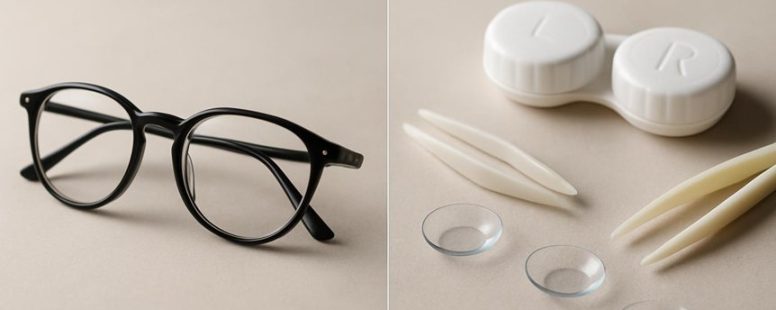
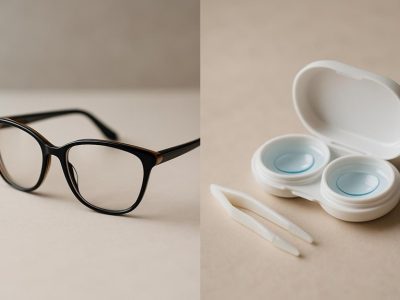
Stepping into the world of contact lenses after years behind glasses felt like shedding a layer of fog—suddenly, everything was sharper, brighter, more alive. The freedom was exhilarating, yet a whisper of hesitation lingered.
Deciding between glasses and contacts isn’t just about fixing your sight; it’s about choosing what you’re willing to trade—comfort, convenience, style—each with its own hidden costs.
As you weigh your options, consider how each choice shapes your daily life—sometimes in ways you never expected—like the surprising ease of sports or the subtle hint of confidence that comes with a clear, unobstructed view.
Glasses Vs Contact Lenses: Which Is Right for You?
Choosing between glasses and contact lenses depends on what works best for you. Here are some facts to help you decide.
Glasses are simple. They are easy to use, need little maintenance, and let you show off your style with different frames. If you like changing your look or want something low effort, glasses are a good choice. For example, you can pick bold, colorful frames or classic metal ones. But glasses can slide down your nose or fog up in cold weather, which can be annoying.
Contact lenses give you a more natural look. They sit directly on your eyes and don’t block your view. If you like being active or play sports, contacts can be better because they won’t fall off or slide down. However, they require careful cleaning and handling to avoid infections. Some people find contacts uncomfortable, especially in dry or cold seasons.
Your eye doctor can help decide which option is best for your needs. For example, if you have dry eyes or specific eye conditions, glasses might be safer. If you’re young, active, and want to avoid glasses slipping, contacts might be right. But keep in mind, contacts are not for everyone. They need daily care and regular checkups.
Some people prefer glasses for everyday wear and switch to contacts for sports or special occasions. Others find contacts more convenient and discreet. Think about your daily activities, comfort, and style. Sometimes, trying both options can help you see what fits your life better.
How Glasses and Contacts Correct Your Vision
Glasses and contacts fix your vision by changing how light enters your eyes. The key difference is where their lenses sit and how they bend light to help you see clearly. Glasses sit outside your eyes, in front of them, while contacts rest directly on your eye’s surface.
Glasses work by creating a gap between the lenses and your eyes. This gap can sometimes cause a slight image distortion or a narrower field of view, especially if the glasses are not fitted well. They are easy to take off and clean, but they can slip or fog up. If you are active or live in humid places, glasses might be less convenient.
Contacts, on the other hand, sit directly on your eyes, moving with your eyes as you look around. They give you a wider view and don’t fog up or slip down your nose. However, contacts need good hygiene since bacteria can grow on them, leading to eye infections. They also require more regular cleaning and proper handling.
Some people prefer glasses because they are easier to use and don’t touch their eyes. Others like contacts for the freedom of a more natural look and wider vision. Both options can improve clarity, but they also have limits. For example, glasses can be heavier or uncomfortable for some, and contacts can cause dryness or irritation if not used carefully.
Knowing how each works helps you decide what’s best. If you want something simple and less risky, glasses might be better. If you want better peripheral vision and no fog, contacts could be the right choice. Always talk to an eye doctor to find out what works best for your eyes and health.
Lens Positioning Differences
Lens positioning is a key difference between glasses and contact lenses. Glasses sit a few millimeters away from your eyes, which can change how light bends and sometimes cause slight distortions around the edges. This may affect your peripheral vision. Contact lenses, on the other hand, sit directly on your eye, matching its shape better. This helps reduce distortions and makes your vision clearer.
Some prescriptions work better with contact lenses than glasses. For example, people with high prescriptions or certain eye conditions might find contacts more comfortable. But both types need some time to get used to, especially because of different materials and how your eyes respond.
While glasses are easier to put on and remove, they can get foggy or be affected by weather like rain and glare. Contact lenses don’t have these problems but require proper cleaning and care to prevent infections.
Think about your lifestyle. If you play sports or spend a lot of time outdoors, contact lenses might be more convenient. But if you prefer something simple and less maintenance, glasses could be better.
In the end, understanding where the lenses sit and how that impacts your vision can help you choose what works best for you.
Vision Clarity Mechanisms
Vision correction helps you see clearly when your eyes don’t bend light properly. Glasses and contact lenses are two common ways to fix this problem. Both work by redirecting light so it hits the retina, the part of your eye that sends images to your brain.
Glasses are simpler and use specially shaped lenses that sit just a few millimeters away from your eyes. They change the way light enters your eyes from outside. Contact lenses sit directly on your eye’s surface. Because they are so close to your eye, they can often give sharper images and a wider view.
Both glasses and contacts are made with curves and materials that reshape how light enters your eye. This helps fix issues like nearsightedness or astigmatism. Knowing how each works can help you decide which is better for you. Glasses are easier to put on and take off but can be bulky or get in the way during sports. Contacts might give you clearer vision and a more natural look, but they need more care and can cause dryness or irritation if not used properly.
In the end, both options correct vision by guiding light to your retina. Your choice depends on comfort, lifestyle, and what you prefer. Just remember, neither is a perfect fix, and sometimes people need regular check-ups or special treatments.
Impact on Eye Health
Wearing glasses or contact lenses affects your eye health in different ways. Glasses are generally better for your eye health because they keep a natural distance from your eyes. This helps reduce eye strain and fatigue. Plus, many glasses have UV protection, which shields your eyes from harmful rays.
Contacts sit directly on your cornea, so they have a bigger impact on your eye health. They need proper care to avoid irritation or infection. If you don’t clean them well, bacteria can grow, leading to serious problems. Contacts also need enough moisture and oxygen. If your eyes don’t get enough air, you might feel discomfort or even develop long-term issues.
People with allergies should think carefully too. Contacts can make allergy symptoms worse because they trap pollen or dust against your eyes. Glasses, on the other hand, act as a barrier and can help block some allergens.
When choosing between glasses and contacts, think about convenience and how they affect your eyes each day. Glasses are easier to take care of and less risky for your eye health, but contacts can look better and give you more freedom in activities.
In the end, both have pros and cons. It’s best to talk with an eye doctor to find out what’s safest for your eyes. Remember, good eye health depends on how well you care for your vision tools and your eyes.
Daily Convenience: Glasses Vs Contact Lenses
Glasses and contact lenses both help you see better, but they differ a lot when it comes to daily convenience. Glasses are simple to use. You just put them on and take them off easily. They don’t need much care, just a quick wipe now and then. This makes glasses good for busy people who want something low-maintenance.
Contact lenses, however, need more attention. You have to clean and store them properly every day. This adds extra steps to your morning routine. But some people prefer contacts because they don’t fog up or slip during sports or social events. For example, if you play basketball or go to a party, contacts stay put better than glasses.
Some people like glasses because they are easy and don’t require much effort. Others choose contacts for their discreet look and freedom from frames. But be careful. Contacts can cause eye infections if not cleaned right, and glasses can break if dropped.
Comfort and Fit: What to Expect With Glasses and Contacts
Glasses and contacts both help you see better, but they feel very different on your face. Glasses sit on your nose and ears, held in place by frames. The fit of the frames matters a lot. If they are too tight, they can hurt your nose or leave marks. If they are too loose, they might slip off or feel unstable. The way glasses fit depends on your face shape and the size of the frames. Some brands, like Ray-Ban or Oakley, offer adjustable frames to improve comfort.
Contacts are tiny lenses placed directly on your eyes. They require a period of getting used to, since feeling a lens on your eye can be strange at first. If contacts are comfortable, they feel invisible. But if they are not fitted right or if your eyes are dry or allergy-prone, they can cause irritation. For example, people with hay fever might find contacts uncomfortable during allergy season.
Your lifestyle can help decide which is best. If you are very active, contacts may be better because they won’t slip or fog up when you sweat or breathe hard. But if you live in a dry climate or have allergies, contacts might cause more irritation. Glasses protect your eyes from wind, dust, and debris, but they can fog up in cold weather or slip during conversations.
Climate also matters. In humid places, glasses fog more easily, while in dry areas, contacts can cause dryness and discomfort. Both options have their limits and benefits. If you want something quick and easy, glasses are simple to put on and take off. Contacts need careful cleaning and handling to keep your eyes safe.
In the end, comfort depends on your personal preferences and needs. Some people prefer the convenience of glasses, while others love the freedom of contacts. Trying both and seeing how they feel during your daily activities can help you choose what’s best for you. Just remember, what feels good for one person might not work for someone else.
Glasses Vs Contact Lenses: Impact on Physical Activity
When it comes to activity, glasses and contact lenses each have pros and cons. Glasses can slip down or fog up when you’re moving fast, which can be annoying or even dangerous. Contact lenses stay in place better and don’t fog, so they often feel more stable during sports or exercise. But contacts can cause dryness or irritation, especially during intense workouts or in dry environments. Some people worry about germs or eye infections from contacts if they don’t clean them properly.
If you’re active, contacts might seem easier because they don’t fall off or get in your way. Imagine running or playing basketball—glasses can slide or fall off, making you stop and fix them. Contacts stay put, helping you see clearly without interruption. However, contacts aren’t perfect for everyone. They can cause dry eyes or discomfort if worn all day, and there’s a small risk of eye infections if you don’t follow good hygiene.
Some folks prefer glasses because they are easy to put on and remove, and they don’t dry out your eyes. Glasses also protect your eyes from dust and wind, which can irritate contacts. But glasses can be heavy or uncomfortable during intense activity, and they can get smudged or foggy, which makes seeing hard.
Comfort During Exercise
Choosing the right eyewear for exercise depends on how comfortable you want to feel and what you need. Glasses and contact lenses each have their own pros and cons, and understanding them can help you pick what works best.
Glasses are easy to put on and take off, but during exercise, they can slip down your nose or fog up. When you sweat, glasses might drip into your eyes or slide around, which can be really distracting. Some brands, like Oakley or Nike, make sports glasses that stay in place better, but they still can get foggy or uncomfortable if you sweat a lot.
Contacts give you a wider view and won’t fall off or fog up like glasses. They keep your vision clear during running or cycling. But contacts need you to keep them clean. If you forget to wash your hands or use the wrong solution, they can cause irritation or infections. Also, some people feel uncomfortable wearing contacts outside, especially if it’s windy or dusty.
Some people say glasses are better because they are easier to fix, but they can get in the way or cause glare. Others prefer contacts because they give better vision and don’t slip. But neither choice is perfect. For example, if you have dry eyes or allergies, contacts might feel uncomfortable, especially during outdoor activities.
If you’re not sure which to choose, try both for a few workouts. Make sure your prescription is correct and consider brands known for sports gear. Remember, comfort can change based on the type of exercise, weather, and your personal needs. Picking the right option can help you enjoy your workout more and perform better.
Sources: American Optometric Association, Sports Vision Magazine
Vision Stability Challenges
Vision stability is important when choosing glasses or contact lenses. It affects how well your vision stays clear during physical activities.
Glasses can shift or slip when you move quickly. This can make your vision blurry or cause you to constantly adjust them. For example, if you’re running or playing sports, glasses might fall off or move out of place. That can distract you and slow your reactions.
Contact lenses stay on your eyes better during movement. They provide more consistent vision when you are active. But they can cause dryness or irritation. This might make it hard to focus or require you to take breaks.
If you do a lot of fast sports or intense workouts, contacts might be better because they stay put. But if you don’t mind adjusting your glasses sometimes, they can still work fine.
Knowing these pros and cons helps you decide what fits your routine best. Consider how much visual stability matters in your daily activities. If quick reactions are important, contacts usually win. If you prefer easy wear and fewer worries about dryness, glasses might still be okay.
Safety Considerations
Wearing glasses or contact lenses affects safety during physical activity. Here are the main facts to consider.
Glasses can break and cause injury. If you fall or bump into something, your glasses might shatter. This could hurt your eyes or face. For example, if you play basketball and accidentally hit your glasses, they could break and cause cuts.
Contacts require good hygiene. You need to clean and store them carefully to avoid eye infections. If you forget to wash your hands before handling contacts, germs can get in your eyes. Some people get red or sore eyes from poor cleaning habits.
UV protection depends on the lens. Glasses with UV coating block harmful rays from the sun. Contacts usually don’t have UV protection unless you wear special sunglasses. If you spend a lot of time outside, glasses with UV protection can help protect your eyes better.
Sports often favor contacts. Contacts stay in place and don’t slip or fog up. This makes them safer and easier when running, jumping, or playing sports. Imagine trying to catch a ball and your glasses slide down—that’s annoying and dangerous.
Emergency readiness varies. Contacts are quicker to put in and don’t break if you fall. But if you get debris in your eyes or lose a contact, it might be harder to see clearly quickly. Glasses are simple to grab, but they can break in a fall.
Counterpoints and warnings: Some say glasses are safer because they don’t require cleaning. But if they break, they can cause injuries. Others think contacts give better protection during sports but can cause eye infections if not cared for properly. Both have good and bad points.
What to remember: Think about your activity level, safety risks, and how well you can care for contacts. Always wear the right protection and follow safety rules. For example, if you play soccer, contacts might be better. But if you’re worried about breaking glasses, stick with them and choose ones with shatterproof lenses.
Sources: American Optometric Association, Centers for Disease Control and Prevention.
Style and Appearance: How Glasses and Contacts Affect Your Look
Wearing glasses or contact lenses changes how you look to others in different ways. Glasses are more than just tools for seeing; they are a part of your style. The frames you pick can make your face look more balanced or draw attention to your best features. For example, big, bold glasses can give you a confident, stylish look, while smaller, simple frames can make you seem more understated. Some people see glasses as a way to show personality, like choosing fun colors or unique shapes.
Contact lenses give a much more natural look. They let your face shine without anything blocking it. If you want people to see your true face, contacts are a good choice. They’re also great for sports or activities where glasses might fall off or be uncomfortable. But contacts can sometimes be tricky to put in and take care of, and not everyone can wear them safely.
Some folks prefer glasses because they can change their look easily. Others like contacts because they don’t change their appearance at all. It all depends on what makes you feel confident. Do you want glasses to be part of your style or do you prefer the natural look? Both options influence how others see you. Picking what fits your personality and lifestyle helps you feel more comfortable and confident every day.
Health, Hygiene, and Costs: What You Need to Know
Choosing between glasses and contact lenses depends on health, hygiene, and costs. Here’s what you need to know.
Glasses are simple and require less daily care. They are easy to clean and can be worn all day without much fuss. If you have a busy schedule or spend a lot of time outside, glasses might be better. They also cost less over time because you only buy new ones when needed. However, some people find glasses uncomfortable or prefer not to wear them all the time.
Contacts are small and fit directly on your eyes. They give a natural look and don’t fog up like glasses can. But contacts need daily cleaning and proper storage to avoid infections. If you forget to clean them or use them improperly, you risk eye irritation or serious infections. Some people with seasonal allergies find contacts uncomfortable during certain times of the year.
No matter what you choose, regular eye exams are very important. These checkups help your eye doctor, like an optometrist, see if your eyes are healthy and if your prescription needs updating. It’s a good idea to get checked every year or two.
When it comes to costs, glasses are usually cheaper overall. You buy a pair once and replace the lenses or frames as needed. Contacts can get expensive because you need to buy new boxes regularly and special cleaning supplies. Insurance may cover some costs, so check your plan carefully.
Think about your lifestyle too. If you play sports or work outdoors, glasses might be easier. If you want a full day without worrying about breaking or losing glasses, contacts could be better—just remember they need proper care.
Some people worry about safety. Contacts are safe if used correctly, but improper use can lead to eye infections. Glasses are safer but may not be as practical for certain activities. So, what’s best for you depends on your habits, comfort, and budget.
To provide the best experiences, we use technologies like cookies to store and/or access device information. Consenting to these technologies will allow us to process data such as browsing behaviour or unique IDs on this site. Not consenting or withdrawing consent, may adversely affect certain features and functions.
Functional
Always active
The technical storage or access is strictly necessary for the legitimate purpose of enabling the use of a specific service explicitly requested by the subscriber or user, or for the sole purpose of carrying out the transmission of a communication over an electronic communications network.
Preferences
The technical storage or access is necessary for the legitimate purpose of storing preferences that are not requested by the subscriber or user.
Statistics
The technical storage or access that is used exclusively for statistical purposes.The technical storage or access that is used exclusively for anonymous statistical purposes. Without a subpoena, voluntary compliance on the part of your Internet Service Provider, or additional records from a third party, information stored or retrieved for this purpose alone cannot usually be used to identify you.
Marketing
The technical storage or access is required to create user profiles to send advertising, or to track the user on a website or across several websites for similar marketing purposes.