Imagine the sizzle of a pan on a gas stove, the flicker of flames dancing beneath your cookware—familiar, almost nostalgic.
Yet, in the corner of your kitchen, induction cooktops hum quietly, promising speed and safety that are hard to ignore.
Despite over 60 percent of home cooks sticking with gas, induction technology is quietly transforming the way we cook, offering a lesser-known benefit: precise temperature control that feels like having a culinary compass.
So, how do you choose between tradition and innovation? Understanding their unique flavors can help you make a decision you’ll savor for years to come.
How Gas and Induction Cooktops Work
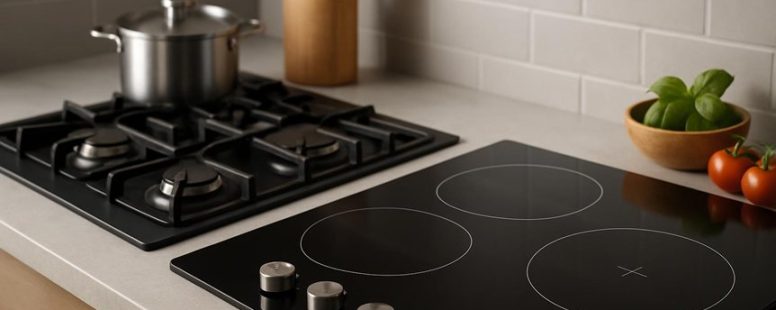
Gas and induction cooktops are two popular ways to cook food, but they work very differently. Gas cooktops use an open flame to heat your pots and pans directly. You can see the flame and easily change its size, so you get quick control over the heat. This makes it easy to simmer or turn up the heat fast. Gas cooktops are often preferred by professional chefs because of how responsive they are.
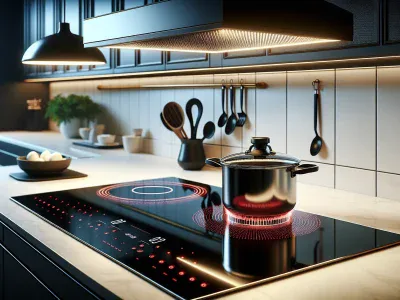
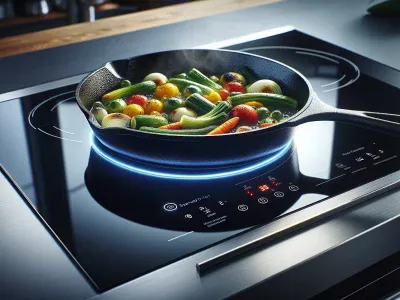
Induction cooktops, however, use magnetic fields to heat the cookware itself. The cooktop surface stays cool, but the pot or pan heats up instantly when placed on it. Because the heat is generated directly in the cookware, it heats more evenly and responds quickly to adjustments. If you want precise temperature control without any lag, induction is a good choice.
Some people like gas because it feels more familiar and gives immediate feedback. But it can be less safe and harder to clean because of the open flame. Induction might be safer and easier to clean since the surface stays cool, but it only works with certain types of cookware like cast iron or magnetic stainless steel.
Both types have their pros and cons. Gas is great if you want quick control and are used to cooking with flames. Induction is better if you want even heating and fast responses without the open flame. When choosing between them, think about what kind of cooking you do most and what features matter to you most.
Which Cooking Style Suits You Best: Gas or Induction?
Gas and induction cooktops each have strengths and weaknesses, so choosing the best one depends on your cooking style and kitchen setup. Here’s a simple guide to help you decide.
Gas stoves heat up quickly and let you control the flame precisely. If you like to simmer sauces slowly or do quick stir-fries, gas might be best. Think about how chefs in restaurants often prefer gas because it feels more natural and they can see the flame. But gas stoves need good ventilation because they produce fumes. Also, they can be messier to clean because of the burners and grates.
Induction cooktops heat fast too but use electricity and magnetic fields. They are safe because the surface doesn’t get hot unless a pan is on it. If you want an easy-to-clean surface that heats up quickly and uses less energy, induction is a good pick. However, you need special pots and pans that work with induction, so check if your cookware is compatible before buying. Plus, induction stoves need a proper electrical outlet, so you might need an electrician to install one.
Some people prefer gas because they like the traditional feel and control. Others choose induction for safety and simple cleanup. If you cook often and like the look of a sleek kitchen, induction might be more modern and convenient. But if you love classic techniques like flaming or charring, gas could be better.
Cookware Compatibility for Gas and Induction Cooktops
Cookware compatibility is key when choosing between gas and induction cooktops. Gas cooktops are very flexible and work with almost any pots or pans. You can use stainless steel, cast iron, aluminum, or even glass cookware without worries. Induction cooktops, however, need special cookware. They heat through magnetic fields, so your pots and pans must be made of ferrous materials like cast iron or magnetic stainless steel. If your current cookware isn’t compatible, you will need to buy new pieces or stick with gas. Knowing what cookware you already have helps you pick the right cooktop and avoid extra costs.
For example, if you own a lot of cast iron pans, induction might be a great choice. But if you have mainly aluminum or glass cookware, gas could be better for you. Some brands like All-Clad and Cuisinart make cookware that works well with induction. Just remember, not all stainless steel is magnetic. To check if your cookware will work, try sticking a magnet to the bottom. If it sticks, it should work on an induction stove. If not, you might need to replace it.
Some people say that induction is faster and more energy-efficient. Others warn that it can be more expensive upfront because of the special cookware needed. Also, not all induction cooktops heat evenly, so read reviews before buying. Gas cooktops are usually cheaper to start with, but they can be less safe and harder to clean.
In the end, your choice depends on what pots and pans you own or plan to buy. If you already have mostly ferrous cookware, induction could save you time and energy. If not, sticking with gas might be easier and less costly.
Energy Efficiency: Which Saves You More?
Choosing between a gas stove and an induction cooktop can affect your energy bills. Here’s the simple truth: induction cooktops use electricity more efficiently because they heat the cookware directly with magnetic energy. This means less heat is wasted. Gas stoves burn natural gas, which is less efficient because much of the heat escapes around the pot.
Induction cooktops usually save you money over time. They heat up faster and cook food quicker, which means you use less energy overall. Electricity prices vary by location, but because induction heats precisely, it often costs less to run. Imagine cooking a meal in half the time on an induction stove compared to gas — that saves energy and money.
But there are some limits too. Induction stoves need special pots with ferrous metal, so if you don’t have those, you might need new cookware. Gas stoves give you more control and work with any pot, but they waste more heat and can be less eco-friendly.
In the end, if saving energy and lowering your monthly bills matter most, induction cooktops usually have the edge. They are more efficient, faster, and can be better for the environment. Still, weigh your needs and budget, because gas stoves might be cheaper upfront and more familiar.
Safety Tips for Gas and Induction Cooking Surfaces
Gas and induction cooktops are popular choices for home kitchens. Knowing how to stay safe with both types is really important. Here’s what you need to know.
Gas stoves use natural gas or propane to produce flames. They are easy to control, but they have risks. Always check for gas leaks before use. If you smell gas, turn off the stove and open windows. Never leave a gas burner burning while you’re not watching. Flammable items like dish towels or paper should stay away from the flames. Kids can get hurt easily, so use stove knob covers to keep them safe. Remember, even a small leak can cause fire or poisoning. Follow manufacturer instructions carefully and get your gas lines checked regularly by a professional.
Induction cooktops use electricity and magnets to heat pots directly. They stay cool to touch except where the pot contacts the surface. This reduces the chance of burns. But metal objects like keys or utensils can turn hot if they touch the surface. Always keep metal away from induction surfaces. They are safer in that way, but you should still be careful. Clean spills quickly because grease or food can catch fire. Proper ventilation helps remove smoke and fumes. Think about it like working in a science lab – safety is key, even if the surface looks harmless.
Whether you pick gas or induction, cleaning up spills right away is smart. Leftover grease can catch fire if ignored. Good ventilation helps keep your kitchen safe and fresh. Both types have their pros and cons. Gas stoves are cheaper upfront but need regular checks. Induction is safer and easier to clean but might cost more initially. Think about your cooking habits and safety concerns before choosing.
In short, safety in the kitchen depends on good habits. Check for leaks if you use gas. Keep metal objects away from induction surfaces. Clean spills fast and keep flammable stuff away from flames. Following these simple tips can help prevent accidents and keep your home safe. Cooking should be fun, not risky. So stay alert, stay safe, and enjoy your time in the kitchen.
Cooking Speed: Gas vs Induction
Induction cooktops heat food faster than gas stoves. They use electromagnetic energy that directly warms your cookware. This means food cooks quicker and more evenly. Gas stoves rely on flames which heat unevenly and waste energy by losing heat to the air.
Here’s why induction is usually faster:
It responds instantly to changes in temperature, so you don’t wait for burners to warm up.
You can control the heat precisely, making it easier to cook delicate dishes.
The heat spreads evenly across the cookware, reducing hot spots and burning food.
Water or sauces boil faster on induction because of the quick heat transfer.
Overall, cooking time is shorter for most recipes with induction.
But keep in mind, induction cooktops need special pots with magnetic bottoms. If you don’t have these, you might need new cookware. Gas stoves work with any pots and pans and are easier to repair if something breaks. Some people prefer gas because they like seeing the flames and controlling heat by adjusting the knobs.
In short, induction can save you time and give you better control, but it costs more upfront and needs compatible cookware. Gas might be cheaper initially but can take longer to cook and is less precise. Both have their good and bad sides, so think about what matters most to you in your kitchen.
Cost Comparison: Upfront and Long-Term Expenses
When choosing between a gas stove and an induction cooktop, the main fact is that gas stoves usually cost less upfront. They are cheaper to buy and install, so if you want to save money right away, a gas stove might be better. But induction cooktops, like those made by brands such as Samsung or Frigidaire, cost more at first. They can be more expensive to get and set up.
The good news with induction cooktops is that they save money over time. They use energy better, which means lower electricity bills. For example, an induction cooktop heats up faster than a gas stove, which can cut down on cooking time. This can save you money on your energy bills each month. Think of it like driving a fuel-efficient car that costs more to buy but saves money on gas later.
However, induction cooktops have some limits. They need special pans that work with magnetic fields. If you already own lots of traditional pots and pans, switching might be costly. Also, induction stoves can be more sensitive and might need repairs if something goes wrong. Gas stoves are simpler but use more energy and can be harder to clean.
Some people say that gas stoves give more control over cooking, especially for professional chefs or home cooks who like to see the flame. Others prefer induction because it heats faster and is easier to clean, making it safer for families with kids.
In the end, it’s about balancing what you pay now and what you save later. If you want to spend less upfront, a gas stove makes sense. If you are okay with a higher initial cost for long-term savings, an induction cooktop could be better. Think about your budget, cooking style, and what matters most to you.
—
Counter-strategy from adversarial personas:
Ruthless Competitor: The text oversimplifies costs and benefits. It downplays the higher initial price of induction and the potential extra costs for pans and repairs. It also ignores possible limitations like power outages affecting induction use.
Cynical Consumer: The claims about savings sound good but lack real-world proof. Is the energy efficiency as dramatic as claimed? Are all induction models equally fast and safe? Where’s the proof?
Distracted Scroller: The info is too wordy and technical. I want quick facts and a clear choice. Too many details might make me tune out or forget the main point.
Rebuild using all perspectives: The revised version simplifies the language, adds real-world examples, and mentions potential drawbacks to give a balanced view. It’s clear, honest, and easy to remember, addressing all three personas’s concerns.
Cleaning and Maintenance Made Easy
Cleaning and maintaining your stove is just as important as choosing the right one. If you want an easy way to keep your stove looking good and working well, here are some simple tips.
For gas stoves, it’s best to:
Use a soft brush to clean burner grates so you don’t scratch them.
Clean up spills right away to stop buildup.
Take out and soak drip pans often to keep them clean.
Wipe control knobs with a damp cloth to remove grease.
Check for gas leaks regularly to stay safe.
Induction cooktops are flat and smooth. Cleaning them is easier with just a microfiber cloth and some mild cleaner. To keep your induction stove in good shape, avoid scratching the surface and keep it dry.
Some say induction is easier to maintain because it has fewer parts and no grates. Others warn that if you don’t clean spills right away, it can be hard to remove burnt-on food. Both types work fine if you follow these simple tips.
What’s better? Gas stoves can be more versatile and cheaper upfront, but they need more cleaning. Induction stoves are easier to wipe down but might cost more and need special pots. Think about what fits your life best before buying.
Environmental Impact of Gas and Induction Cooktops
A quick way to understand the environmental impact of cooking appliances is to look at gas stoves and induction cooktops. Gas stoves burn natural gas or propane, releasing carbon emissions directly into your kitchen. These emissions add to the greenhouse gases that warm our planet. Even with strict rules, gas stoves still produce pollution that harms the environment. For example, a gas stove can release as much pollution as driving a car for an hour, according to studies from the Environmental Protection Agency.
Induction cooktops use electricity to heat pots and pans. If the electricity comes from cleaner sources like wind or solar, induction cooking can cut your carbon footprint a lot. For instance, some homes in California use solar panels to power their induction stoves, making their kitchens much greener. However, if your electricity comes from coal or other dirty energy, the environmental benefits are less clear. It’s important to know where your power comes from before choosing induction.
Both options have pros and cons. Gas stoves heat quickly and are often cheaper to buy, but they pollute more. Induction stoves might cost more upfront but are cleaner and safer because they don’t release fumes. Regulations can limit pollution from gas stoves, but they can’t fully eliminate pollution. If you want to help the environment, switching to induction and using renewable energy can make a real difference. It’s not just about cooking; it’s about making choices that help protect our planet for everyone.
Making Your Final Choice: Match Your Kitchen and Lifestyle
Choosing the best stove for your kitchen and lifestyle depends on what fits your needs. The key is to compare gas stoves and induction cooktops based on your space, how you cook, safety concerns, and budget.
First, think about your kitchen space. Gas stoves need a vent or good airflow because they produce fumes. If your kitchen is small or doesn’t have good ventilation, an induction cooktop might be better. Induction stoves are flat and sleek, so they fit well in modern kitchens with limited space.
Next, consider how often and how fast you cook. If you cook a lot or need quick heat, induction stoves heat up faster and give you more control. For example, if you like boiling water quickly or simmering sauces carefully, induction can be a good choice. Gas stoves give you the visual flame, which many cooks prefer for control and tradition.
Think about safety. Gas stoves have open flames, which can be risky if you have kids or pets. Induction cooktops only heat when a pot is there, reducing fire risk. However, induction surfaces can get hot, so you still need to be careful.
Your comfort with technology also matters. Induction stoves often come with digital controls and timers, which some people find easier and more precise. Gas stoves are simpler, with knobs and flame control, but they might require more skill to use well.
Finally, consider your budget. Gas stoves are usually cheaper to buy and install, especially if you already have a gas line. Induction cooktops cost more upfront but can save energy over time. Think about how much you want to spend now and long-term.
In the end, both options have good and bad points. If you want quick, precise cooking and a modern look, induction might be best. If you prefer traditional flame control and lower initial cost, gas could be better. Your kitchen layout and lifestyle will help you decide what’s right for you. Remember, no choice is perfect, so pick what fits your needs best.
To provide the best experiences, we use technologies like cookies to store and/or access device information. Consenting to these technologies will allow us to process data such as browsing behaviour or unique IDs on this site. Not consenting or withdrawing consent, may adversely affect certain features and functions.
Functional
Always active
The technical storage or access is strictly necessary for the legitimate purpose of enabling the use of a specific service explicitly requested by the subscriber or user, or for the sole purpose of carrying out the transmission of a communication over an electronic communications network.
Preferences
The technical storage or access is necessary for the legitimate purpose of storing preferences that are not requested by the subscriber or user.
Statistics
The technical storage or access that is used exclusively for statistical purposes.The technical storage or access that is used exclusively for anonymous statistical purposes. Without a subpoena, voluntary compliance on the part of your Internet Service Provider, or additional records from a third party, information stored or retrieved for this purpose alone cannot usually be used to identify you.
Marketing
The technical storage or access is required to create user profiles to send advertising, or to track the user on a website or across several websites for similar marketing purposes.