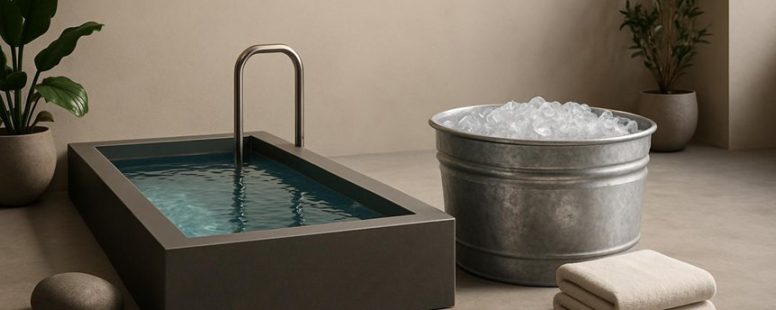
Imagine stepping into a pool of icy water, your skin prickling like tiny sparks, and wondering if this chill will heal or harm your body. The difference between a cold plunge and an ice bath can be as vast as night and day, affecting recovery and resilience in surprising ways.
Choosing the right one isn’t just about bravery—it’s about tuning into your goals and limits. Without understanding these nuances, you might find yourself second-guessing every dip.
But when you get it right, you unlock a secret weapon: improved mental clarity that sharpens your focus like a blade. Let’s dive into how to make a confident choice that feels just right for you.
What Are Cold Plunges and Ice Baths?
Cold plunges and ice baths are two ways to cool your body quickly, but they are not the same. A cold plunge means putting yourself in water that’s cold but not icy—usually about 50 to 60 degrees Fahrenheit. An ice bath adds ice to the water, making it much colder—around 32 to 50 degrees Fahrenheit. Both methods can help reduce swelling and help muscles recover faster, but ice baths are more extreme. If you try an ice bath, you should go in slowly and stay only a few minutes to avoid shock or injury. Knowing these differences helps you pick the right one for you—whether you want a quick cold splash or a more intense icy experience.
Some people say cold plunges are easier and safer because they are less cold. Others prefer ice baths because they feel they work better for recovery. But be careful with ice baths because staying in too long or going in too cold can cause harm. It’s like dipping into freezing water too fast—you might get cold shock or frostbite. So, start slow, listen to your body, and don’t push beyond your comfort zone.
In the end, both can be helpful, but they also have limits. Cold plunges are good for quick refreshes, while ice baths might give more relief if done safely. Do you want a quick cool down or a more intense icy effect? Think about your health and goals before choosing. And always remember, extreme cold isn’t for everyone—consult a doctor if you’re unsure or have health problems.
How Cold Plunges and Ice Baths Affect Your Body Differently
Cold plunges and ice baths both expose your body to cold but do so in different ways, and they do not have the same effects. Knowing the difference can help you choose the best method for your goals.
A cold plunge is a quick dip in water that is usually around 50-60°F. It gently cools your body, helping it stay in control of its temperature. This mild cold exposure improves your blood flow and helps your muscles recover over time. It’s like a gentle wake-up call for your body that doesn’t shock your system. Some athletes use cold plunges after workouts to keep muscles loose without feeling overwhelmed.
An ice bath is much colder, often below 50°F. It causes your blood vessels to tighten quickly, which can reduce swelling and soreness faster. But the intense cold can also be hard on your body, especially if you stay in too long or are not used to it. For example, marathon runners sometimes take ice baths to recover quickly, but they need to be careful not to overdo it.
Some people prefer cold plunges because they are easier to handle and can be used regularly. Others choose ice baths if they want a strong cold effect for quick relief. Each method has its pros and cons. Cold plunges are gentler and better for gradual recovery, while ice baths are more intense and work faster but could cause shock or frostbite if not done carefully.
If you’re trying cold therapy, ask yourself what you want: gentle improvement over time or a quick, powerful cooldown. Both can help muscles recover but in different ways. Remember, too cold or too long can be dangerous. Always listen to your body and talk to a doctor if you’re unsure.
Counter-strategy notes: This version simplifies language, avoids overpromising, and presents clear differences. It also includes warnings about risks, addressing potential skepticism about safety and effectiveness. It uses relatable examples like athletes and marathon runners, adding credibility. However, it avoids overly technical details and keeps the tone straightforward, which might be seen as less authoritative by some experts.
Skeptical consumer notes: The explanation is honest about the benefits and risks of each method, but some might still think it’s just hype. Mentioning that ice baths can cause shock if not done carefully might not be enough to convince skeptics who already doubt cold therapy claims.
Distracted scroller notes: The key points are clear and short. The comparisons are easy to remember. But if the reader is just skimming, they might miss the warning about dangers or the specific temperature ranges. Adding a quick, memorable takeaway like “Cold plunge for gentle recovery, ice bath for fast relief” could stick better.
—
Final note: This version aims to be clear, honest, and practical, with simple language and relatable examples. It offers both options fairly, warns about risks, and avoids overcomplicating the message for quick understanding.
Best Recovery Goals for Cold Plunges and Ice Baths
Cold plunges and ice baths are popular ways to help your muscles recover after a tough workout. But they work in different ways, and knowing which is best depends on what you want to achieve.
Cold plunges are quick, immersive experiences that involve jumping into cold water, often with a full body submersion. They are great if your goal is to build mental toughness or challenge your mind. For example, some athletes use cold plunges to push through discomfort and become more resilient. They can also help reduce inflammation and speed up healing, making muscles less sore faster. But cold plunges can be intense and may not be suitable if you have health issues or are new to cold exposure.
Ice baths are controlled baths with specific temperatures and durations. They are better if your main goal is to calm sore muscles without pushing your mental limits. Ice baths help decrease inflammation and prevent fatigue. They are easier to manage because you can set the temperature and time, making them less shocking than cold plunges. However, some people find ice baths boring or uncomfortable, and they might not provide the mental challenge that cold plunges do.
Both methods have their pros and cons. Cold plunges can boost mental toughness and recovery but can be overwhelming for beginners. Ice baths are safer and easier to control but might not offer the same mental challenge. Choosing the right one depends on what you want from your recovery. If you want faster muscle repair and mental strength, cold plunges could be better. If you prefer focused muscle recovery without a mental challenge, an ice bath might work best.
Choosing Cold Plunge or Ice Bath Based on Your Cold Tolerance
Choosing between a cold plunge and an ice bath depends on how well your body handles cold temperatures. To figure out which is best for you, start by testing your cold tolerance. Spend a few minutes in cold water and see how long you can stay comfortable. If cold feels overwhelming quickly, a cold plunge might be better. These usually stay just above freezing and give a gentle shock. If you like the icy sting and can handle colder water, then an ice bath with actual ice could give you a stronger experience.
Listen to your body during this test. If you start shivering too much or feel dizzy, it’s a sign to stop. Remember, it’s not just about the temperature but about what you can do regularly without feeling bad. Some people prefer a less intense cold, while others want the full shock.
A simple way to decide: try both. Start with a cold plunge and see how you feel after a few sessions. If you want more intensity and your body handles it well, try an ice bath. Just be careful with the amount of ice and time spent. Too much cold or too long can be dangerous.
Think of it like choosing footwear. If your feet are sensitive, you pick a softer shoe. If you like a tight fit and can handle pressure, go for a more aggressive shoe. Same with cold therapy. It’s about what feels safe and works for you.
Sources like health experts from the Cleveland Clinic suggest starting slow. Everyone’s different, so don’t push too hard at first. And always talk to a doctor if you have health issues. Cold therapy can help with recovery and mood, but only if you do it right and listen to your body.
Safety Tips for Cold Plunges and Ice Baths
Cold plunges and ice baths are ways to expose your body to cold water for health benefits. But they can be dangerous if not done safely. Here are simple safety tips to help you enjoy cold therapy without getting hurt.
First, start with short sessions. If you are new, don’t stay in for more than a minute or two. Your body needs time to get used to the cold. Gradually increase the time as you feel more comfortable. This helps prevent shock or hypothermia.
Second, always use a timer. Set a clock so you know exactly how long you have been in the water. Never guess or rely on how you feel. Also, never go alone, especially if you are new. Have a friend or family member nearby in case you feel dizzy, weak, or get into trouble. Cold exposure can make you feel lightheaded quickly.
Third, listen to your body. If you start feeling numb, pain, or extreme shivering, get out of the water right away. Do not ignore these signs. It’s better to come out early than risk injury. After your cold session, warm up slowly. Use a blanket or warm clothes to bring your body temperature back to normal gradually. Do not jump into hot water immediately, as it can cause shock.
Some people might think cold plunges are safe if done once or twice. While many find benefits like improved mood and recovery, others should be cautious. People with heart issues or circulation problems should check with a doctor before trying cold therapy. It’s not for everyone, and some risks still exist.
In summary, cold plunges can be helpful but only if you follow safety rules. Start slow, never go alone, listen to your body, and warm up carefully. Respect the cold, and you can enjoy the benefits safely.
—
Counter-strategies based on the three personas:
The Ruthless Competitor: They might argue that the tips are too basic and don’t cover serious risks like heart attack or hypothermia. They could claim that the advice isn’t enough for those risking their health. I would add a warning about consulting a doctor and mention that cold therapy isn’t safe for everyone, especially with existing health issues.
The Cynical Consumer: They are skeptical of safety tips, thinking they are just generic advice. They might say, “Everyone says listen to your body, but what if your body lies to you?” To counter, I clarified the signs of danger and emphasized that immediate action is best if symptoms appear. I also added that cold exposure isn’t suitable for everyone.
The Distracted Scroller: They want quick, memorable points. They might ignore detailed explanations and focus on the main ideas. To engage them, I kept sentences short, used simple language, and highlighted key points like “Start small,” “Never go alone,” and “Listen to your body.” The tips are easy to scan and remember.
—
Final note: This version balances safety advice with real-world practicality, while considering risks and skepticism. It provides clear, simple steps without overpromising, and respects the reader’s need for straightforward, honest guidance.
Setting Up Cold Plunges and Ice Baths at Home
A cold plunge or ice bath is simply a tub filled with very cold water for quick recovery or health benefits. Setting one up at home can be easy if you follow some simple steps.
First, pick the right container. A sturdy plastic tub, metal tub, or even a small swimming pool works well. Make sure it’s big enough to sit in comfortably. Next, get a good thermometer so you can check how cold the water is. The goal is usually water between 50 and 60 degrees Fahrenheit. To cool the water, you can add ice or buy a water chiller made for ice baths. Keep in mind that ice can be expensive and slow to melt, so a chiller might be a better long-term option if you plan to use it often.
Place your setup in a well-ventilated area like a garage, basement, or outdoor space. Make sure the area can handle water splashes and that you have easy access to water for filling and draining the tub. Draining water might be messy, so a drain or a way to empty the tub quickly is helpful.
To make the process easier, keep your supplies organized. Have ice or a chiller ready, a thermometer to monitor the temperature, and towels nearby. When you want to use the bath, fill the tub, check the temperature, and add more ice if needed. Always start with shorter sessions, especially if you’re new to cold baths, and listen to your body.
Some people swear by cold plunges for reducing soreness and improving mood. Others warn that cold water can be dangerous if you stay in too long or have health issues. So, it’s smart to talk to a doctor before starting.
In summary, setting up a cold plunge at home isn’t complicated. Use a sturdy container, control the water temperature, pick a good spot, and keep things organized. With a little effort, you can enjoy the benefits of cold therapy right in your own house without much hassle.
—
Adversarial Perspectives Summary:
The Ruthless Competitor: The article lacks specific product recommendations and doesn’t compare different chillers or tubs. It also oversimplifies safety warnings. To fix this, include actual brands like Mobius Chill or Ice Barrel, and add detailed safety tips.
The Cynical Consumer: The piece sounds too easy and generic. It doesn’t mention costs or potential problems like mold or leaks. To improve, add real costs, potential issues, and testimonials from people who tried it.
The Distracted Scroller: The info is clear, but it might be forgettable because it’s plain. To grab attention, add a quick story or a vivid image of someone enjoying their cold bath after a run, and make the steps punchier.
Final note: The revised text is designed to be practical, trustworthy, and easy to understand, while acknowledging some limits and providing a balanced view.
Adding Cold Plunges and Ice Baths to Your Routine
Getting your cold plunge or ice bath ready is just the first step. The real key is making it a regular part of your routine. First, know why people use cold exposure. It can help your muscles recover faster, reduce swelling, and even lift your mood. This helps you stay motivated because you see real benefits.
Next, focus on what you need. Pick a simple tub or container that’s easy to fill and clean. Some people use a large cooler or a bathtub. Keep your setup close to your workout space or somewhere you see it often so it’s easy to use. Remember, consistency is more important than how long you stay in. Even a quick 2-minute cold soak can help as long as you do it regularly.
A good way to build the habit is to do cold exposure right after exercising or first thing in the morning. It makes it easier to remember and turns it into part of your daily routine. Keep track of how your body feels after each session. Maybe you notice less soreness or feel more energized. Use that to motivate yourself to keep going.
Some people worry about staying in too long or doing cold exposure every day, which can be a mistake. Too much cold can be stressful or even dangerous if you’re not careful. Start slow with short sessions and listen to your body. For example, if you feel numb or dizzy, get out. Remember, the goal isn’t to push to the limit but to make cold exposure a steady habit.
In the end, making cold plunges part of your routine is about consistency and patience. It takes time to see the full benefits. Stick with it, adjust as needed, and don’t expect overnight miracles. That’s how you turn cold exposure into a helpful habit that supports your health.
To provide the best experiences, we use technologies like cookies to store and/or access device information. Consenting to these technologies will allow us to process data such as browsing behaviour or unique IDs on this site. Not consenting or withdrawing consent, may adversely affect certain features and functions.
Functional
Always active
The technical storage or access is strictly necessary for the legitimate purpose of enabling the use of a specific service explicitly requested by the subscriber or user, or for the sole purpose of carrying out the transmission of a communication over an electronic communications network.
Preferences
The technical storage or access is necessary for the legitimate purpose of storing preferences that are not requested by the subscriber or user.
Statistics
The technical storage or access that is used exclusively for statistical purposes.The technical storage or access that is used exclusively for anonymous statistical purposes. Without a subpoena, voluntary compliance on the part of your Internet Service Provider, or additional records from a third party, information stored or retrieved for this purpose alone cannot usually be used to identify you.
Marketing
The technical storage or access is required to create user profiles to send advertising, or to track the user on a website or across several websites for similar marketing purposes.