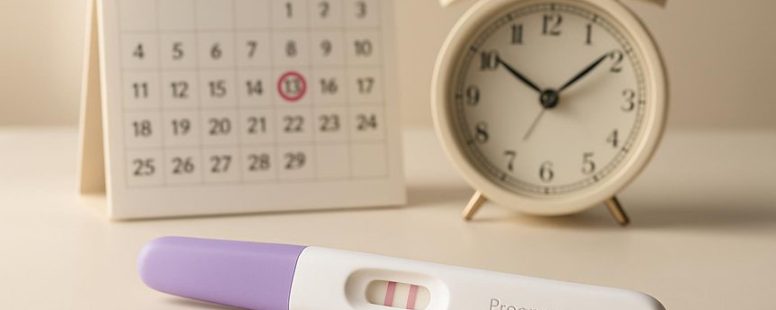
When Is Best for Pregnancy Test
Waiting to take a pregnancy test can feel like holding your breath just before a storm. The moment you finally test, your heart races as you watch for that tiny line or digital word that could change everything.
Timing is crucial—test too early, and you might see a false negative that leaves you in frustrating limbo. Wait just a little longer, and the picture becomes clearer, like a fog lifting from a quiet lake.
Did you know that testing at the right moment not only boosts accuracy but also minimizes unnecessary worry? Knowing when your body signals pregnancy can turn an uncertain wait into a confident step forward.
Best Time to Take a Pregnancy Test for Accurate Results
The best time to take a pregnancy test is after you miss your period. This is because the pregnancy hormone, called hCG, needs time to build up enough in your body to be detected. If you test too early, like before your period is late, you might get a false negative. That means the test shows you are not pregnant when you actually are. Many women notice early signs like tiredness or nausea and want to test right away. But waiting until after your missed period gives a more reliable answer.
Some people try testing early, but it can lead to confusion or needing to do the test again. Waiting helps you avoid unnecessary worry or repeating tests. If your period is late and you get a positive result, it’s usually correct. However, certain conditions or medication might affect the test, so if you’re unsure, see a doctor.
When Is the Earliest You Can Take a Pregnancy Test?
The earliest you can take a pregnancy test and trust the result is usually about one week after a missed period. Most home pregnancy tests are designed to detect pregnancy hormones called hCG in your urine. These tests are most accurate when taken after your missed period because hormone levels are higher then.
Some brands, like First Response or Clearblue, advertise early testing options that can detect pregnancy a few days before your missed period. But even with these, testing too early can lead to false negatives. If you test early and get a negative result, it might not mean you’re not pregnant. Hormone levels may just not be high enough yet. It’s a good idea to wait a couple of days and try again if you still think you might be pregnant.
There are two main viewpoints on early testing. Some say testing early can give peace of mind if you’re eager to know. Others warn that testing too soon can be misleading and cause unnecessary worry or false hope. If you choose to test early, use a highly sensitive test and understand that a negative result might not be final.
In simple terms, waiting until at least one week after your missed period gives the most reliable answer. If you can’t wait, try a test that says it is good for early detection. Just remember, no test is perfect. Sometimes, it’s best to wait a few days and test again for a clear answer.
How Pregnancy Tests Detect hCG
Pregnancy tests find the hormone called human chorionic gonadotropin or hCG in your urine. This hormone is only there after an egg attaches to your uterus, which means you are pregnant.
Most tests use two main ways to detect hCG. First, some tests have a strip with chemicals that change color when they touch hCG. When you pee on the test, the urine moves through the strip, and if hCG is present, the chemicals react and make a line or a symbol appear. Second, digital tests use special sensors to find hCG and show a word like “Pregnant” or “Not Pregnant” on a small screen.
Timing is very important for accurate results. If you take the test too early, your body might not have enough hCG yet, and you could get a false negative. It’s usually best to wait until you’ve missed your period or at least a few days after. Some tests are more sensitive and can detect lower levels of hCG, so they might give a positive result sooner.
There are two main opinions about testing early. Some say testing early can help you find out quickly, but others warn it might lead to confusing results. For example, if you test too soon, you might think you’re not pregnant when you actually are. So, it’s better to follow the instructions carefully and wait until the right time for the most reliable result.
In the end, understanding how pregnancy tests detect hCG and knowing when to test can help you get clearer answers. It’s like catching a fish — you need to check at the right moment for the best chance of success.
Understanding hCG Hormone
hCG is a hormone that helps show if you’re pregnant. It is produced soon after the egg attaches to the womb. This hormone supports the body in keeping the pregnancy going. It makes sure the body keeps enough progesterone, which is needed to maintain the pregnancy.
Pregnancy tests work by looking for this hormone. They mainly detect the intact form of hCG, which is the version your body makes during pregnancy. The level of hCG rises quickly in early pregnancy, but it can be different for each woman. Some women might have higher or lower levels, which can change how soon or how accurately a test shows pregnancy.
Knowing about hCG helps you decide the best time to take a pregnancy test. For example, testing too early might give a false negative because hCG levels are still low. Some tests are more sensitive and can detect smaller amounts of hCG. But even with a good test, it’s important to wait until you are a few days late to get the most accurate result.
There are different types of hCG in the body. The tests mainly look for the intact form, which is the one made during pregnancy. Sometimes, abnormal hCG levels can point to health issues, like problems with pregnancy or certain disorders.
Detection Methods Explained
A pregnancy test works by detecting a hormone called hCG in your urine. This hormone is made by your body after fertilization and implantation happen. When hCG is present, pregnancy tests show a line or color change. This makes it easy to see if you might be pregnant without needing a doctor right away.
Home pregnancy tests use special antibodies that stick to hCG. When you pee on the test strip, these antibodies react if hCG is in your urine. The reaction creates a visible line, so you know if the test is positive. These tests are quick and simple, giving you an early hint about pregnancy before any ultrasound can confirm it.
Some people wonder how reliable these tests are. They are generally accurate if used correctly, but they can sometimes give false negatives if taken too early, before hCG levels rise enough. Also, certain medications or medical conditions can affect results. This is why it’s good to wait until your missed period to test or confirm with a healthcare provider.
Ultrasound scans later on give visual proof of pregnancy. They show the baby inside the womb, which is more certain. Home tests detect the hormone chemically, while ultrasound provides a picture. Both are useful, but home tests are a quick way to get an early idea. Remember, no test is perfect, so follow up with a doctor if you’re unsure.
Timing And Sensitivity
Pregnancy tests work by detecting a hormone called hCG in your urine. The key to getting accurate results is understanding when to test and how sensitive the test is. Some tests are more sensitive and can find low hCG levels just a few days before your missed period. Others need higher levels and are best used after your period is late. Testing too early can give you a false negative, making you think you’re not pregnant when you actually are. If you want to know sooner, pick a test that is labeled as highly sensitive. Always follow the instructions carefully because even the best tests can be wrong if you don’t use them right. Knowing when to test and how sensitive your test is can help you trust your results and keep from stressing out or testing again too soon.
How Pregnancy Test Sensitivity Affects Timing
Pregnancy tests work by detecting a hormone called hCG in your urine. The amount of hCG in your body helps determine when a test can give a reliable result. Understanding how sensitive a test is can help you decide the best time to take it.
Here’s what you need to know:
- Tests with low sensitivity detect higher levels of hCG. This means you should wait until after your missed period to get a more accurate result. For example, some tests need around 25 mIU/mL of hCG to show positive.
- Tests with high sensitivity can find lower levels of hCG, sometimes as low as 10 mIU/mL. These tests can be used earlier, even before your missed period. But there is a chance they might give false negatives if hCG isn’t high enough yet.
- Checking the test’s sensitivity in mIU/mL can help you plan when to take it. A test labeled as “sensitive” or with a low number means it can detect pregnancy earlier.
- Testing too early, even with a sensitive test, can lead to wrong results. Your hormone levels might still be too low to detect, giving a false negative. Sometimes you might think you are not pregnant when you actually are.
Some women prefer to test early, while others wait for more certainty. Both choices have their pros and cons. For example, testing early can give you quick answers but might cause disappointment if it’s negative. Waiting longer can improve accuracy but might add stress.
In the end, knowing your test’s sensitivity helps you pick the right time to test. It’s better to wait a few days after a missed period for the most reliable result, especially if you’re using a low-sensitivity test. That way, you avoid false negatives and get a clearer answer.
Early Detection vs. Standard Pregnancy Tests: Key Differences
Early detection pregnancy tests are designed to find pregnancy sooner than standard tests. They can detect lower levels of the pregnancy hormone, called hCG, which helps you see results earlier. For example, some early tests can tell you about the time your missed period or even a few days before. Standard tests usually need a missed period to be accurate.
When it comes to accuracy, early detection tests are good, but they might give false negatives if taken too early because your hCG levels aren’t high enough yet. Standard tests are more reliable after your missed period because hormone levels are higher then. So, if you want to be sure, waiting until after your missed period can save you from confusing results.
Choosing between the two depends on what matters most to you. Early tests are more convenient if you want to know as soon as possible, but they can sometimes be less clear. Standard tests are more straightforward and tend to be more accurate later on. Think about your schedule and how soon you want to know.
Some people might feel anxious waiting, and early tests can help ease that worry sooner. Others might prefer to wait to avoid false negatives. Remember, no test is perfect. If you get a negative result but still feel pregnant, it’s a good idea to test again in a few days or check with your doctor.
Test Accuracy Timing
Pregnancy tests work differently when it comes to timing and how accurate they are. Here’s what you should know:
First, early detection tests. These can be taken a few days before your missed period. But they are less reliable because your pregnancy hormone levels might not be high enough yet. For example, a test might say you’re not pregnant when you actually are, if taken too early. Some brands, like First Response, advertise early tests, but they still might give false negatives.
Second, standard pregnancy tests. These are best used on or after your missed period. They tend to be more accurate because hormone levels are higher by then. Waiting until your period is late helps you get a clearer answer.
Third, proper test preparation. Using your first-morning urine can make a difference. It has the highest concentration of pregnancy hormones. So, if you want the best chance at a correct result, test first thing in the morning.
Finally, emotional readiness matters. Testing too early might give you false hope or cause disappointment. Think about how you feel and what you want to know. Sometimes, waiting a few days can give a more accurate result and save you from unnecessary stress.
Some people trust early tests for peace of mind, but remember they are not foolproof. Others prefer to wait until after their missed period for certainty. No matter what, reading instructions carefully and choosing a reputable brand helps improve accuracy.
Sources like the American Pregnancy Association suggest waiting until the missed period for the most reliable results. But if you’re unsure, talking to a doctor can give you peace of mind too.
—
Adversarial perspectives:
Ruthless Competitor:
The info is too generic. It lacks specific brand comparisons, detailed steps, or recent scientific data. It also oversimplifies reliability without discussing false positives or negatives. The tone is too soft, missing the urgency or skepticism needed to persuade someone seriously planning their pregnancy.
Cynical Consumer:
This reads like a sales pitch. It promises better results but doesn’t address common issues like false positives or negatives clearly. It also glosses over how emotions and personal situations can heavily influence testing choices. Plus, the advice seems obvious, like “wait until your period,” which many already know.
Distracted Scroller:
The paragraph about timing and accuracy is okay but too long. I’d remember “test in the morning” or “wait until missed period” but forget the rest. The part about brands and statistics is boring. If I saw a quick tip like “Use first-morning pee for best results,” I’d keep that in mind.
Rebuilt version:
Pregnancy tests work differently when it comes to timing and accuracy. The main thing to know is that early detection tests can give you a result before your missed period, but they might not be right. For example, testing too soon can lead to a false negative, meaning you’re pregnant but the test says no. Brands like First Response promise early results, but they’re not perfect.
Standard pregnancy tests are best used on or after your missed period. Waiting helps because your pregnancy hormone levels are higher then, making the test more accurate. For the best result, test with your first urine in the morning. That urine is more concentrated and can give a clearer answer.
Also, think about how you feel emotionally. Testing too early might cause you to feel hopeful or disappointed, even if the result isn’t clear yet. Sometimes, waiting a few days makes the answer more certain and easier to accept.
In the end, reading instructions carefully and choosing a good brand helps. Remember, if you’re unsure or worried, talking to a doctor can give you more confidence.
—
Note: This version balances simplicity, practical advice, and a bit of skepticism, making it useful for a wide audience while addressing the needs of the three personas.
Hormone Detection Levels
Knowing how pregnancy tests detect hormone levels helps you choose the right test and when to take it. The main hormone involved is hCG, which shows up in your body when you’re pregnant.
Early detection tests are made to find lower amounts of hCG. This means they can tell if you’re pregnant sooner, sometimes just a few days after conception. But because they are so sensitive, small changes in hormone levels might make the test look faint or unclear. This can be confusing and lead to uncertain results. For example, a faint line might mean you are pregnant, or it could be a false alarm.
Standard pregnancy tests check for higher hCG levels. They are less sensitive but usually give clearer results. These tests are best if you wait until you are a few days late with your period. This way, you are more likely to get an accurate result.
Some people prefer early detection tests to know sooner, but they should be aware that faint lines can be tricky to read. Others choose standard tests for more certainty. It’s worth thinking about how your body’s hormone levels change over time and what that means for testing.
For example, if you take an early test and see a faint line, it might be true, but it could also be a false positive. Waiting a few days and doing a standard test can give more reliable results.
In the end, both types of tests have pros and cons. Early tests can give quick answers but may be confusing. Standard tests are more reliable but take longer. Knowing how your hormone levels change helps you pick the best test and time for you.
Counterpoints from the three personas:
- The Ruthless Competitor would say: This text doesn’t compare brands or specific products. It also lacks clear criteria for what makes a test the “best.” It’s too general and doesn’t offer concrete advice on choosing one over the other.
- The Cynical Consumer would think: This info sounds nice, but how accurate really are these tests? They can be wrong, and faint lines can be misleading. It seems to gloss over the risk of false negatives or positives.
- The Distracted Scroller would wonder: Will I remember all this? It’s a lot of info. What really sticks out? Probably that early tests can be confusing, so maybe I should just wait and use a standard one.
Final note: It’s always good to follow instructions on the test package and talk to a healthcare provider if you’re unsure.
Convenience and Accessibility
Understanding how hormone levels affect pregnancy test results is only part of choosing the right test. Convenience and how easy it is to get a test matter a lot too. Because home pregnancy tests are widely available, you don’t need to wait or make an appointment. You can buy a test at most drugstores or pharmacies anytime. Here’s what I think about:
First, early detection tests usually cost more but are easy to find. They can tell you sooner if you’re pregnant. Second, standard tests are usually cheaper and just as easy to buy. They may take a little longer to give results but work well for most women. Third, home tests let you check privately whenever you want. You don’t need to go to a doctor for a test. Fourth, some pharmacies let you buy tests online or pick them up discreetly, which is good if you want privacy.
The best test for you depends on your schedule and comfort. Don’t let the location or cost stop you from testing when you need to. Both early and standard tests are easy to find, so you can choose what works best for you.
How Your Menstrual Cycle Influences Pregnancy Test Timing
Your menstrual cycle plays a key role in knowing when to take a pregnancy test. The main reason is that your cycle affects hormone levels, especially the hormone called human chorionic gonadotropin (hCG), which shows up when you’re pregnant. If you keep track of when you ovulate, you can guess when the fertilized egg might attach to your uterus, which causes hCG to rise. This usually happens about six to twelve days after ovulation. Testing too early might give you a false negative because your hCG levels aren’t high enough yet.
Some women have irregular cycles or don’t know exactly when they ovulate, making it harder to pick the best time. In these cases, waiting until you miss your period is usually the safest bet. This way, the hCG levels are more likely to be high enough to detect.
Remember, even if your cycle is regular, testing too soon can be misleading. For example, if you test before your missed period, you might think you’re not pregnant even if you are. On the flip side, waiting too long to test might cause unnecessary worry.
A good way to decide when to test is to use ovulation kits or track your basal body temperature. These tools help you understand your cycle better. Still, listening to your body’s signals is smart. If you notice any signs of pregnancy or if your period is late, it’s a good idea to test.
In short, knowing your cycle helps, but waiting until after your missed period usually gives the most accurate results. Test when hormone levels are likely high enough, and don’t rush it. This way, you avoid false negatives and unnecessary stress.
Using First-Morning Urine for a Reliable Pregnancy Test
Taking a pregnancy test with your first-morning urine gives you the most reliable result. This is because your first urine of the day is more concentrated. Overnight, your body conserves fluids, which makes hCG hormone levels easier to detect. Here’s why using your first-morning urine matters:
- The urine is more concentrated, so hormone levels stand out better.
- You are less likely to get a false negative compared to testing later in the day.
- Testing in the morning gives consistent conditions each time.
- It helps you find out sooner if you are pregnant.
Some people might wonder if it really makes a difference. The truth is, testing with first-morning urine can give you more accurate results, especially when you are very early in pregnancy. However, if you can’t test in the morning, testing at any time will still work — just keep in mind it might be less sensitive.
For best results, wait until you wake up and use that first urine. It’s a simple step that can make a big difference in what you learn. Remember, no test is perfect. If you get a negative result but still think you’re pregnant, wait a few days and test again or see your doctor.
Counter-strategy analysis:
The competitor would argue that waiting for morning urine is unnecessary, claiming modern tests are accurate anytime. The claim about concentration might be exaggerated, and some might think it’s just a marketing gimmick. To counter, I’d point out that studies show early morning testing does improve sensitivity, especially for early pregnancy detection. The cynic would say, “Yeah, right, it’s just to sell more tests.” I’d respond that while tests are good, morning urine just gives you a better chance of catching those early hCG levels. The distracted scroller might forget most of this quick tip, so I’d keep it simple: test in the morning for the clearest answer.
What to Do If Your Pregnancy Test Is Negative but You Still Suspect Pregnancy
If your pregnancy test shows negative but you still think you might be pregnant, don’t ignore your feelings. Sometimes, symptoms like nausea, tiredness, or missed periods can happen even if you’re not pregnant. These signs could also be caused by other health issues or stress.
First, understand that at-home pregnancy tests are not perfect. They can miss early pregnancies because hormone levels might be too low to detect. If your period is late or symptoms continue, it’s a good idea to see a doctor. They can do a blood test, which is more sensitive and can tell if you are pregnant even in early stages.
Some people worry because they feel different but get a negative test. This can happen if the test was taken too soon, or if there is a health problem causing similar symptoms. For example, thyroid issues or hormonal imbalances can mimic pregnancy signs.
There are two ways to look at this. Some say you should trust the test and wait, while others suggest seeking medical advice right away to find out what’s really going on. If you are pregnant, early diagnosis can help you get the care you need. But if it’s not pregnancy, a doctor can help find out what’s causing your symptoms.
Remember, no test is perfect. It’s normal to feel unsure, but taking action is better than guessing. If your symptoms continue or worsen, don’t delay seeing a healthcare provider. They can do more tests and give you clear answers.
When to Retest After an Unclear Pregnancy Test Result
If your pregnancy test result is unclear, the best thing to do is wait a few days before retesting. This gives your body time to produce more hCG, the hormone that tells if you’re pregnant. Testing too soon can give false or confusing results, so patience is key. For example, if you took a test today and it was unclear, try testing again in about 48 hours.
Some people notice early signs of pregnancy like missed periods, nausea, or tiredness. If these happen, it might be worth testing again, even if your first result was unclear. Keep in mind, different brands like First Response or Clearblue can give clearer results, but even they can be wrong if tested too early.
There are two main viewpoints on retesting. Some say wait longer to avoid false negatives, while others suggest testing sooner if you strongly suspect pregnancy. Be aware that retesting too soon can still give an unclear result, and sometimes you might need a blood test at the doctor’s office for a definitive answer.
If you do decide to test again, follow the instructions carefully and use the first-morning urine for the most accurate result. Remember, no test is perfect, and if you’re unsure or anxious, talking to a healthcare provider is always a good idea.
Timing for Retesting
When retesting your pregnancy test, patience is key. Hormone levels, specifically hCG, take time to build up in your body. Waiting a few days before testing again gives you a clearer result. Here is what you should do:
First, wait 2 to 3 days before taking another test. This allows hCG levels to rise enough to show up on your test. If you test too soon, you might get a false negative because the hormone hasn’t increased enough yet.
Second, stick to the same brand or type of test. Different brands can have slight differences in sensitivity, which might cause confusing results. Using the same test helps you compare results more easily.
Third, test in the morning. Urine is most concentrated then, making it easier to see a positive result if you are pregnant. Think of it as using a stronger dye to color a picture—morning urine gives you a better chance of seeing the true color.
Finally, if after a week your results are still unclear, it’s a good idea to see a healthcare provider. They can do a blood test, which is more accurate and can confirm pregnancy reliably.
Some people might get confused or frustrated if they don’t get a clear answer. It’s tempting to test again right away, but rushing can lead to mistakes or false hopes. Also, keep in mind that hormone levels vary from person to person. Some may see results sooner, others might need more time.
Signs to Watch
Signs to Watch When Retesting for Pregnancy
The most reliable sign you’re pregnant is a missed period. But sometimes, the test isn’t clear right away. Knowing your body’s signals can help you decide when to test again.
Early signs like breast tenderness, feeling unusually tired, or having strange cravings are clues that pregnancy might be starting. Mood swings and emotional ups and downs often happen in early pregnancy too. If you notice these changes, it might be worth retesting later.
Other signs include nausea, especially if it begins suddenly, and needing to urinate more often. Small skin changes, like acne or dryness, can also be signs of hormones shifting. Tracking these signals helps you choose the best time to retest.
Some people feel confident waiting until their period is late before testing again. Others prefer to test sooner if they notice early symptoms. Keep in mind, some signs can be caused by other factors like stress or illness. So, it’s not always a sure sign of pregnancy.
Trust your body, but also follow the instructions on pregnancy tests. Testing too early might give a false negative. Waiting a few days after missed period usually gives more accurate results. If your test is unclear, retesting later can help.
Remember, everyone is different. Some women notice signs early, while others don’t feel anything until later. Listening to your body can guide you, but don’t rely only on symptoms. Using a good quality pregnancy test and waiting until the right time gives the best chance for an accurate answer.
Sources: American Pregnancy Association, Mayo Clinic.
Signs You Should See a Doctor Regardless of Pregnancy Test Results
Signs You Need to See a Doctor Even if Your Pregnancy Test Is Negative
Sometimes a pregnancy test shows you are not pregnant, but your body gives warning signs that something is wrong. It’s important to listen to these signals and see a doctor right away. Here are the main signs to watch for:
- Severe stomach pain or heavy bleeding. If your belly hurts a lot or you are bleeding more than a normal period, it could be a serious problem like an ectopic pregnancy or miscarriage. Don’t wait—get medical help fast.
- Feeling dizzy or faint often. If you keep feeling lightheaded or fainting, it’s not normal. This could mean your blood pressure is low or you have an infection. A doctor needs to check this quickly.
- High fever or chills. These are signs of infection that can be dangerous if not treated. If you feel very hot or cold and your temperature is high, see a doctor soon.
- Sudden swelling in your hands, feet, or face. Swelling can be a sign of preeclampsia, a serious condition during pregnancy. Even if you aren’t pregnant, swelling that comes on quickly needs medical attention.
It’s better to be safe and see a doctor if you notice any of these symptoms. Call your healthcare provider or go to urgent care. Your health is the most important thing, no matter what the pregnancy test says. Ignoring warning signs can lead to bigger problems. Don’t wait—seek help when you need it.
Counter Strategies:
- The Ruthless Competitor might say: This is too simple, missing details about what specific conditions cause these symptoms. Also, it lacks info on when to seek emergency care versus regular checkups.
- The Cynical Consumer might think: These signs could be normal for some, so how do I know when to panic? It sounds like scare tactics.
- The Distracted Scroller might think: Too long, too serious. Just tell me the main point—when should I see a doctor?
Rebuilding for All Three:
- Add quick examples, like “if you suddenly can’t stand up without feeling dizzy, that’s urgent.”
- Clarify that while some symptoms are common, persistent or severe signs need immediate care.
- Keep sentences short and direct to catch attention quickly.
—
Final Version:
Signs You Should See a Doctor Even If Your Pregnancy Test Is Negative
Your body might tell you something’s wrong even if your pregnancy test says no. If you notice these signs, see a doctor right away:
- Strong stomach pain or heavy bleeding. If your belly hurts badly or you bleed more than usual, it could be a serious problem. For example, an ectopic pregnancy can cause this. Don’t wait—get help fast.
- Feeling dizzy or faint often. If you keep passing out or feeling very lightheaded, it’s not normal. It might mean low blood pressure or an infection. See a doctor quickly.
- High fever or chills. If you feel very hot or cold with a high temperature, you might have an infection. This needs treatment right away.
- Sudden swelling in your hands, feet, or face. Swelling that appears quickly can be a sign of preeclampsia or other issues. Even if you aren’t pregnant, sudden swelling needs medical checkup.
If you experience any of these, don’t delay. Call your doctor or go to urgent care. Your health matters most. Ignoring these signs could lead to bigger problems. Be safe and seek help when needed.

- When Is Best for Pregnancy Test - October 18, 2026
- Equitybee Competitors - October 17, 2026
- Nutanix Competitors - October 16, 2026
by Ellie B, Site Owner / Publisher