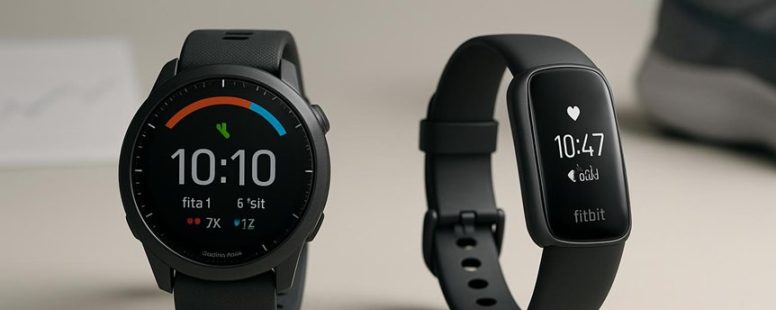
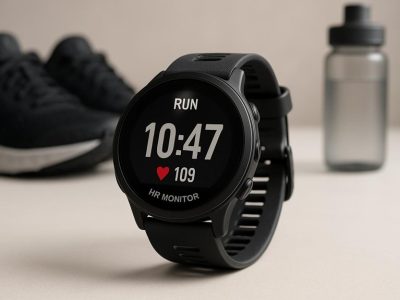
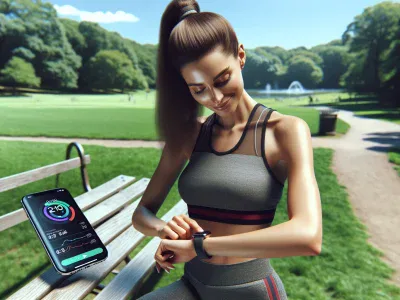
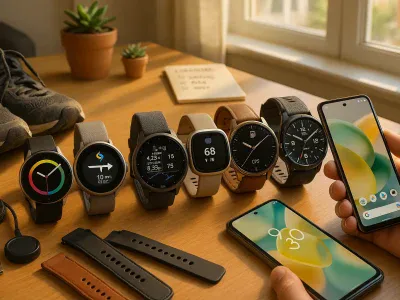
Deciding between Garmin and Fitbit is like choosing between the sharp edge of precision and the gentle touch of simplicity.
Imagine feeling the hum of a well-crafted device on your wrist, guiding your every move like a trusted compass.
It can be confusing to pick the perfect fit for your fitness journey, especially when each offers unique perks.
Did you know that some models provide insights that go beyond steps and calories, helping you understand your sleep patterns and stress levels more deeply?
Let’s explore the differences so you can confidently select the wearable that will become your loyal partner on the path to a healthier, more energized you.
Which Wearable Fits Your Fitness Goals Best?
Choosing the right wearable depends on your fitness goals. The best way to find the right one is to know what you want to achieve. For example, if you want to count steps and stay active, look for a device that tracks daily activity reliably. If improving sleep matters most, pick a wearable with good sleep monitoring features. For training for a marathon, GPS accuracy and pace tracking are key.
Start by asking yourself: What is my main goal? Do I want to lose weight, improve running, or sleep better? Once you know that, you can focus on the features that support those goals. Some wearables, like Fitbit or Garmin, are great for tracking steps and calories. Others, like the Apple Watch, can do both fitness and health monitoring.
Next, consider what features matter most to you. Not all devices have the same strengths. For example, if you often run outdoors, GPS accuracy is important. If you want to remind yourself to move, activity alerts may be useful. But don’t pay for features you won’t use.
There are two ways to look at this. Some people say get the device that covers your main goal the best. Others warn that focusing only on one feature might ignore other useful tools. For example, a GPS watch is great for runners but might be less accurate for sleep tracking. So, it’s good to think about what you actually need and what might be less important.
In the end, choosing the right wearable is about balancing your goals with the features that fit your lifestyle. If weight loss is your goal, a device with calorie counting and reminders works well. If you’re a runner, GPS and pace tracking are must-haves. Remember, no device is perfect, so pick one that best matches your main goal.
This simple step-by-step approach helps avoid wasting money on gadgets that don’t fit your needs. Be honest about what you really want and pick wisely.
How Do Garmin and Fitbit Track Your Health Metrics?
Garmin and Fitbit both track your health, but they do it in different ways. Garmin focuses on accuracy, using advanced sensors that keep track of your heart rate all day and night. This is useful if you want detailed info, especially if you’re into sports or workouts. Fitbit aims to be simple and easy to understand. Its sleep tracking, for example, breaks down your rest into stages so you can see patterns easily. I like how Fitbit shows sleep in clear parts, making it easy to spot problems. Garmin also tracks sleep, but it combines that data with stress and recovery info. This helps give a more complete picture of how your body is doing. Both devices monitor your heart rate 24 hours a day, but Garmin’s detailed data is better for serious athletes. Fitbit gives straightforward insights that work well for anyone just wanting to stay healthier. So, if you want very detailed info, Garmin might be the better choice. If you prefer simple, easy-to-read data, Fitbit could be enough. Your choice depends on how much detail you want from your health data.
Battery Life and Durability: Garmin vs Fitbit
Battery life and durability are key factors when choosing a fitness tracker like Garmin or Fitbit. Garmin usually wins in battery life, often lasting several days longer than Fitbit models. This means you can go longer without charging, which is helpful if you forget or dislike frequent charges. Garmin’s devices are also built tough with strong materials, making them good for outdoor activities or swimming. Fitbit, on the other hand, offers comfortable, lightweight designs that feel good for daily wear. Their build quality is solid too, but they may not last as long under tough conditions. Charging is similar for both brands, but Garmin’s longer battery life gives it a small edge. To keep your device working well, clean it regularly and avoid extreme weather. Your choice should depend on whether you want longer battery life or a lighter, more comfortable design for everyday use.
What Smart Features Does Each Brand Offer?
Garmin and Fitbit both offer smart features that can help you stay connected and track your workouts. The main difference is how they do it and what they focus on.
When it comes to notifications, both brands send calls, texts, and app alerts to your wrist. Fitbit has simple touchscreens and lets you reply quickly to messages, which is great if you want easy control. Garmin, on the other hand, provides more customizable alerts based on your activity. For example, you can set alerts to remind you to hydrate or take breaks during a run. But be aware, Garmin’s notifications can sometimes be more complicated to set up.
In fitness tracking, Garmin shines with advanced data like VO2 max, which measures how well your body uses oxygen during exercise. It also tracks recovery time, helping you know when you’re ready for your next workout. If you’re serious about training, Garmin might be the better choice. However, some users find Garmin’s data too detailed or confusing if they just want basic info.
Fitbit focuses on simple and clear stats like heart rate zones and sleep stages. It’s a good pick if you want straightforward insights without too much fuss. Fitbit devices are known for being user-friendly, especially for beginners or casual exercisers.
If you are deciding between the two, think about what matters most. Do you want detailed workout data and customization? Or do you prefer easy-to-understand stats and simple notifications? Both brands have their strengths, but knowing what fits your needs can help you pick the right one. Just remember, no device is perfect, and some features may not work perfectly in all situations.
Garmin vs Fitbit: Pricing Compared
Garmin and Fitbit have different prices, but both offer options for many budgets. Garmin has cheaper basic models and more expensive watches with lots of features. Fitbit also has affordable trackers and higher-end devices.
The biggest thing to remember is the total cost. Some watches need a subscription for extra apps or services. For example, Fitbit offers a premium plan that costs about $10 a month. Garmin sometimes has extra charges for advanced features.
If you are on a tight budget, a basic Fitbit or Garmin might be all you need. But if you want fancy features like GPS or music storage, you’ll spend more. Be careful, because sometimes the upfront price is low, but subscription fees add up fast.
Some people say Garmin watches last longer and have better durability. Others like Fitbit for its simple app and lower prices. Both brands can be good, but know what you want before you buy. Prices change often, so look for deals and compare models carefully.
In short, Garmin and Fitbit prices range from affordable to expensive. Think about what features you need and how much you are willing to spend each year on subscriptions. That way, you can pick the best watch for your budget without surprises later.
Base Model Price Range
If you want to buy a fitness tracker on a budget, it helps to know how Garmin and Fitbit compare on price. Fitbit usually has cheaper options, starting around $70 to $100. Garmin’s basic watches tend to cost more, usually near $130. This is because Garmin focuses on more detailed fitness features even in their entry-level models.
But cheaper doesn’t always mean worse. Fitbit’s lower prices are good for people who just want simple activity tracking. They are easy to use and don’t cost much. Garmin’s basic models cost more but often have better sensors and stronger build quality. They might last longer and give more accurate data. So, if you’re tight on money, Fitbit makes it easier to start tracking without spending too much. However, if you want a device that feels more solid and has more features from the start, Garmin’s higher prices could be worth it.
Both brands have pros and cons. Fitbit is more affordable and simple. Garmin is more expensive but offers better durability and sensors. Think about what matters most to you—saving money or getting a more durable device.
Premium Features Cost
Premium features are the real deal when choosing between Garmin and Fitbit. These features show you what extra value you get for your money. Garmin’s higher-end models often include advanced tools like detailed GPS tracking, pulse oximetry (which measures oxygen levels), and multiple sports modes. These are great if you want deep data about your workouts. Fitbit, on the other hand, focuses on simple health insights and stress management tools. It’s better for overall wellness and daily health tracking.
The difference in premium feature costs means you’re paying more for specialized tools. Garmin’s strengths are in tracking performance, making it a good choice for serious athletes. Fitbit emphasizes lifestyle and health monitoring, ideal for people who want easy-to-understand health tips.
If you need precise workout data and advanced features, Garmin’s higher prices are worth it. But if you want a device that helps you stay healthy with simple tools, Fitbit might be enough. Just remember, more premium features usually mean a higher price. Choose based on what best fits your fitness goals and budget.
Subscription And App Fees
Subscription and app fees are important when choosing a fitness tracker because they affect your experience with the app and the features you get. Fitbit offers a subscription service that gives you extra insights, personalized coaching, and detailed reports. These benefits can really help you improve your fitness. Garmin’s app works well for free, but some premium features need Garmin Coach or Connect IQ apps, which may cost extra. If you want in-depth analysis and personalized plans, Fitbit’s subscription could be worth paying for. But if you prefer simple tracking with no extra fees, Garmin’s free app might be better. Think about how often you will use those extra features compared to the basic ones. This can help you choose what fits your budget and lifestyle best.
User Experience: Apps, Interface, and Support
Choosing between Garmin and Fitbit depends mostly on how you prefer to use their apps and devices. Here’s what you should know about their interfaces and support to make a good choice.
Garmin’s app is known for detailed data. If you like tracking your workouts and health stats closely, Garmin’s app gives you many options. It shows graphs, maps, and progress reports. But sometimes, it can be slow or hard to find what you want. If you want simple, quick updates, Garmin might feel too complicated.
Fitbit’s app is easier to use. It is clean and simple, perfect if you just want to see your steps, sleep, and heart rate without a lot of fuss. Fitbit also offers good support online, with help articles and chat options. However, some users find Fitbit’s app less detailed for serious fitness tracking. If you want advanced features, it might not be enough.
When it comes to support, Garmin offers a large user community and detailed help guides. But some users say their customer service can take time to respond. Fitbit has a reputation for friendly support and easy-to-understand help, but sometimes their app updates cause bugs or confusion.
If you prefer detailed data and don’t mind a learning curve, Garmin might suit you better. But if you want simple, fast updates and friendly support, Fitbit could be the right pick. Remember, both brands have strengths and weaknesses. Think about what’s more important for your daily use.
App Usability Comparison
Garmin and Fitbit apps are both used to track your health data, but they differ in how easy they are to use. Fitbit’s app is generally more straightforward. It helps you see your stats quickly and understand your progress without much effort. If you are new to fitness tracking, Fitbit’s app makes setup simple and gives daily summaries that are easy to read.
Garmin’s app offers more detailed information. While that can be good for serious athletes, it can also feel overwhelming at first. The app has many options and metrics that might confuse new users. Some people find it takes time to learn how to get the most from Garmin’s features.
Both apps sync your data smoothly, so your steps, heart rate, and workouts are up to date. Fitbit’s app has extra features like in-app tips and a community that can motivate you. These make it more fun and easier for beginners to stay engaged. Garmin’s app offers deeper insights, which is great if you want more detailed tracking.
However, some users warn that Garmin’s app can be hard to master at first, and the many options might discourage some. Fitbit’s app is simpler and better for someone who wants quick, easy tracking without complicated settings.
Interface Design Differences
Garmin and Fitbit have different ways of showing fitness data on their apps. Garmin’s app focuses on detailed information and lets users change how they see things. Fitbit keeps it simple and easy to use. Which one is better depends on what you want.
Garmin’s app shows many dashboards with lots of data. If you like checking a lot of stats and customizing what you see, Garmin is a good choice. For example, you can pick which fitness goals to display. But some people might find it overwhelming if they just want quick info.
Fitbit’s app has a clean look. It uses simple visuals and easy menus. If you want to check your steps or heart rate fast without fuss, Fitbit is better. It’s made for people who prefer a straightforward experience. However, if you want to dig into detailed reports, Fitbit might feel too basic.
Both brands have strengths and limits. Garmin’s interface offers more control but can be complicated for beginners. Fitbit is easy to use but might lack some advanced features for serious athletes. Your decision should depend on if you want more control or just simple tracking.
Sources: Tech reviews and user feedback from CNET and Wired show Garmin’s detailed dashboards appeal to fitness enthusiasts, while Fitbit’s simplicity attracts casual users.
Support Options Overview
Support options are important when choosing a fitness tracker like Garmin or Fitbit because good help can make your experience better or worse. Garmin and Fitbit both have customer service, but they handle support differently.
Garmin offers more extensive repair options and longer warranty coverage. If your device breaks, Garmin’s support team can often fix or replace it more easily. Their online forums are active and full of detailed advice, which helps users troubleshoot problems themselves. Garmin’s user manuals are more technical, so if you like detailed instructions, you’ll find them helpful.
Fitbit, on the other hand, is known for easy-to-use support. Their app provides simple guides and quick troubleshooting. Registering your device through the Fitbit app is fast and straightforward. Fitbit’s community support has a larger user base, so it’s easier to find quick answers from other users. Their manuals are simpler, making it easier for most people to understand common issues.
Both brands have their strengths and weaknesses. Garmin offers better repair options and technical support for serious issues. Fitbit makes it easy to get quick help through their app and community. If you want fast fixes and easy guides, Fitbit might be better. But if you want in-depth help and longer warranty coverage, Garmin could be the better choice.
In the end, it depends on what kind of support you need most. Do you want simple, quick help or more detailed, technical assistance? Both brands have good support, but they focus on different types of help.
Which Wearable Matches Your Lifestyle and Motivation?
Where do you see yourself using a wearable most often? Your choice depends on your lifestyle and what motivates you. If you want a device that easily connects with daily apps and keeps you socially engaged, Fitbit might be the right fit. It’s good for casual fitness goals and social challenges like step counts or friendly competitions. For example, if you like sharing your progress with friends or need reminders to move during the day, Fitbit can help.
On the other hand, if you’re into serious workouts, running outdoors, or need detailed tracking, Garmin is a stronger option. It offers advanced metrics, such as heart rate zones, GPS accuracy, and longer battery life. If you’ve ever gone on a long hike or a marathon, Garmin’s durability and precise data make it easier to track your performance.
Keep in mind, Fitbit is comfortable for all-day wear and stylish, so you might forget you’re even wearing it. Garmin’s battery can last days without charging, and its GPS is more accurate for outdoor sports. But Garmin can be more expensive and bulkier, which might not suit everyone.
Choosing a wearable that fits your daily habits keeps you motivated. Think about what pushes you to stick with your fitness goals. Do you prefer social challenges or detailed stats? Do you need a lightweight device or one with long battery life? Picking the right device is about matching it to how you live and what excites you to stay active.
To provide the best experiences, we use technologies like cookies to store and/or access device information. Consenting to these technologies will allow us to process data such as browsing behaviour or unique IDs on this site. Not consenting or withdrawing consent, may adversely affect certain features and functions.
Functional
Always active
The technical storage or access is strictly necessary for the legitimate purpose of enabling the use of a specific service explicitly requested by the subscriber or user, or for the sole purpose of carrying out the transmission of a communication over an electronic communications network.
Preferences
The technical storage or access is necessary for the legitimate purpose of storing preferences that are not requested by the subscriber or user.
Statistics
The technical storage or access that is used exclusively for statistical purposes.The technical storage or access that is used exclusively for anonymous statistical purposes. Without a subpoena, voluntary compliance on the part of your Internet Service Provider, or additional records from a third party, information stored or retrieved for this purpose alone cannot usually be used to identify you.
Marketing
The technical storage or access is required to create user profiles to send advertising, or to track the user on a website or across several websites for similar marketing purposes.