Starting your running journey can feel like navigating a maze of gadgets and settings that leave your head spinning. The right watch should be your trusted partner, simple to operate yet packed with essentials that keep you moving forward.
Imagine having a device that not only tracks your progress with pinpoint accuracy but also sparks a fire of motivation with every run. Surprisingly, choosing the right beginner’s watch can make the road ahead feel less daunting—like having a steady hand guiding you through every mile.
Let’s uncover what makes a running watch truly beginner-friendly and why it can transform your fitness adventure.
Features That Really Matter for Beginner Running Watches
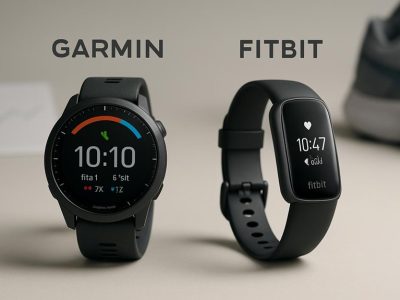
A beginner running watch should focus on simple, important features that help you enjoy running without stress. First, water resistance is key. Think about it—sweat, rain, or splashes happen, and you don’t want your watch to break just because of water. Brands like Garmin and Fitbit offer water-resistant models that are good for beginners. But be careful—some watches only resist splashes, not full immersion. Make sure to check the water resistance level before buying.
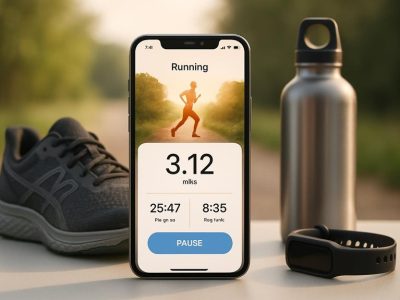
Second, compatibility with your smartphone matters. A good beginner watch should sync easily with apps like Strava or Fitbit app. This way, you can see your progress, get notifications, and stay connected without fuss. For example, if your watch can send you alerts when you get a message, you won’t have to stop running to check your phone. Some watches like the Apple Watch or Samsung Galaxy Fit work well for this, but they can be pricey. Cheaper options like the Amazfit Bip are also compatible and work great for beginners.
However, there are some limits to consider. Water resistance levels vary, and some watches may not last long with heavy sweating. Also, not all watches sync perfectly with every phone or app, so check compatibility before you buy. Some people might find the setup confusing, or their watch may run out of battery fast if they use lots of features.
In the end, choosing a beginner running watch means picking one that’s easy to use, water resistant, and connects well with your phone. Focus on these simple features, and you’ll find a watch that helps you enjoy running more. Just don’t assume all watches are the same—do your homework, check reviews, and pick one that fits your needs.
Choosing an Easy-to-Use Running Watch
Choosing a running watch that is easy to use is key for beginners. The most important features are simple controls and clear displays. For example, a watch with big buttons or a responsive touchscreen makes starting and stopping workouts quick and easy. If you have to press many buttons or dig through complicated menus, you might get frustrated and stop using it.
Some watches, like the Garmin Forerunner series or Fitbit Versa, are known for their simple designs. They let you focus on running instead of messing with tech. But be careful—some watches may look easy at first but have tricky menus inside. Always check reviews to see if other users find them user-friendly.
There are two sides to this. Some say a more advanced watch with extra features might be worth it, but that can make it harder to operate. Beginners should choose a watch that focuses on basic functions to avoid confusion. Also, look for a watch with a bright, easy-to-read display. If the screen is small or dim, you might struggle to see your stats during your run.
One thing to remember is that a watch that is too complicated can make running less fun. If it takes too long to start a workout or check your stats, you might skip using it altogether. So, pick a watch that feels natural in your hand and makes it easy to track your runs.
In the end, the best running watch for beginners is one that combines simplicity with important features like water resistance and smartphone compatibility. This way, you stay focused on running and stay motivated.
Essential Health Metrics for New Runners
Tracking health metrics is really important for new runners. Two key things to watch are heart rate and step counts.
First, knowing your heart rate helps you stay safe. When you run, your heart beats faster. If it beats too fast, you might get tired too quickly or even hurt yourself. Using a fitness tracker or smartwatch from brands like Fitbit or Garmin can help you see your heart rate in real time. For example, a heart rate monitor can tell you if you’re running in a safe zone or pushing too hard. But some cheap devices might not be accurate, so it’s good to check reviews before buying.
Second, counting your steps keeps you motivated. Seeing how many steps you take each day shows your progress. For instance, if you start with 2,000 steps and gradually reach 5,000, you can feel proud. Apps like Strava or Apple Health can count your steps and make charts so you can see your growth. However, sometimes step counters can be wrong if you wear them loosely or if you walk on uneven ground. So, don’t rely only on these numbers. Use them as a guide, not the absolute truth.
Some people say these metrics are useful. Others warn they can be misleading or cause stress if you focus too much on numbers. It’s good to track but not obsess over every detail. Remember, the main goal is to enjoy running and stay healthy.
Heart Rate Monitoring
Heart rate monitoring is a useful tool for runners. It tells you how hard your body is working during a run. Knowing your heart rate zones helps you train better, whether you want to burn fat, improve endurance, or run faster.
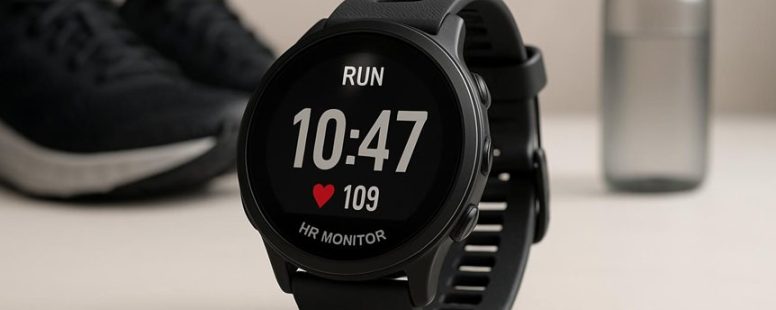
A beginner running watch with good heart rate sensors can show you if you’re pushing too hard or not enough. It’s like having a coach on your wrist giving you advice. If your watch tracks your heart rate all the time, you can see how your body recovers after runs and check your overall heart health.
Some watches are better than others. For example, Fitbit and Garmin offer models that give accurate heart rate readings. But keep in mind, no device is perfect. Sometimes, chest straps give more accurate data than wrist sensors. So, it’s good to compare options before buying.
There are two sides to consider. Some runners believe constantly checking their heart rate makes workouts more effective. Others worry it can be distracting or cause stress if you focus too much on numbers. Also, note that heart rate monitors work best when fitted properly and used consistently.
Think about this: if you’re training for a race or just trying to stay healthy, understanding your heart rate can make a difference. But don’t rely only on tech—listen to how your body feels, too. Using heart rate info along with your feelings can help you avoid over-exertion and injuries.
Step Count Accuracy
Step count accuracy is a key fact when you’re checking your progress as a new runner. It means how well your running watch measures the number of steps you take. When you use a step tracker, you want to trust the numbers because they tell you how much you are moving. Some watches overcount steps, counting even small movements that are not really steps. Others might miss subtle steps, especially if you move slowly or shake your wrist a lot.
To find a good running watch, I compared different models. I looked at how well they counted steps during the same walk or run. A watch that gives consistent and correct numbers helps you see real progress. For example, if you run more each week, your step count should go up. This keeps you motivated because you can see clear signs of improvement. Without accurate step tracking, you might think you are doing better when you are not, or lose confidence because the numbers don’t match your effort.
Some brands, like Fitbit and Garmin, are known for better step accuracy. But even the best watches can make mistakes, especially if you move a lot in your daily life. So, it’s smart to compare models before you buy. Think about how they measure steps in different situations, like walking, jogging, or just moving your arms.
Battery Life in Beginner Running Watches
Battery life is the most important feature in beginner running watches. If your watch runs out of power during a run, it can be super frustrating. A good running watch should last a long time on a single charge so you don’t have to recharge it constantly. Some watches, like the Garmin Forerunner 55 or Fitbit Versa 3, can last several days without needing a recharge. This means you can focus on running instead of worrying about your battery dying.
Look for watches with smart battery features. These watches balance the number of features they have with how much power they use. For example, some watches turn off GPS or heart rate sensors when not needed to save battery. This can give you more run time. But, keep in mind, some watches may not last as long if you use lots of features.
Having a longer battery life is helpful if you run often. A watch that lasts several days on one charge makes it easier to keep track of your progress without constantly plugging it in. But remember, some cheaper watches might say they last long but only do so for a day or two. Always check reviews or real-world tests to see how long they really last.
In the end, choosing a watch with good battery life means fewer interruptions. You can focus on your running instead of charging your watch. This is especially good if you like to run multiple times a week or go on long runs. Just be sure to pick a model that matches your needs and budget. That way, your watch stays reliable and ready to help you reach your goals.
Simple GPS Tracking in Running Watches
GPS tracking is an important feature for beginner running watches. It tells you how far and fast you run. The best watches have simple, reliable GPS that works well in real life. If the GPS is not accurate, your distance and pace data will be wrong, which can be frustrating. So, when choosing a beginner watch, look for reviews that mention good GPS accuracy. Watches that get positive feedback for tracking well in different places are a good choice. Also, check how quickly the watch connects to satellites. A watch that connects fast means you can start running right away without waiting. Some popular options are Garmin Forerunner 45 and Fitbit Versa 3. They are known for easy use and decent GPS. Remember, simple GPS tracking helps you focus on running and improving, not fixing tech problems. But keep in mind, no GPS is perfect. Sometimes, tall buildings or thick trees can block signals. So, pick a watch with good reviews and quick satellite connection for best results.
Best Budget Running Watches for Beginners
A good budget running watch gives you the basic tools to track your runs without costing a lot. These watches often include features like step counting, distance tracking, and simple heart rate monitors. They won’t have all the fancy options of high-end models, but they work well for beginners.
Some popular choices are the Fitbit Inspire 3, the Garmin Forerunner 45, and the Amazfit Bip U Pro. These brands are known for making reliable watches that last long and have decent battery life. For example, the Fitbit Inspire 3 can last up to 10 days on a single charge, which means less worry about charging all the time. Garmin watches are known for accurate GPS tracking, which helps you see exactly where you ran.
However, remember that cheaper watches may not have all the features you want later on. They might lack advanced heart rate zones or detailed sleep tracking. Some users also report that cheaper models can be less sturdy or may need frequent updates. So, if you plan to run often or want more insights into your health, you might want to spend a little more down the line.
In short, these budget running watches are a good starting point for beginners. They are simple, affordable, and reliable enough to keep you motivated. Just keep in mind their limits, and don’t expect them to do everything a high-end watch can. Would you prefer a watch with GPS or one that lasts longer without charging? Knowing what matters most helps you pick the right model.
Affordable Features Overview
A good budget running watch gives you the basics to track your runs without costing a lot. You don’t need fancy features to stay motivated or see progress. Instead, focus on a few key things that matter most for beginners.
First, accurate GPS tracking is essential. It helps you know exactly where you ran and how far. Some cheap watches mess up on this, so look for ones with good reviews. Second, heart rate monitoring is helpful to see how hard you’re working. It can guide you to run at the right pace. Third, step counting and distance measurement tell you how far you’ve gone and how many steps you’ve taken. Finally, the display should be easy to read so you can glance at your stats without stopping.
Smartphone notifications are also a nice bonus. They let you see calls or messages without pulling out your phone. But be careful — some budget watches don’t sync well with all phones or apps. Knowing this helps you avoid buying a watch that won’t work with your device.
Some people say you get what you pay for. Cheaper watches might not last as long or have all the bells and whistles. Also, they might not be as accurate as high-end models. But for beginners or casual runners, these basics are enough to start with. Brands like Garmin, Amazfit, and Fitbit offer affordable options that cover these needs.
In the end, a budget running watch should give you accurate tracking, clear readings, and helpful alerts. It’s better to pick one that checks these boxes than to spend more on extras you don’t need. Just remember, cheaper watches might not last forever or have the best features, so read reviews before buying. Do you really need all the fancy features, or just a simple way to see your progress?
Durability and Battery Life
Durability and battery life are key features in a running watch. A good running watch should be strong enough to handle sweat, rain, and bumps. For example, brands like Garmin and Fitbit offer watches with solid water resistance, so they won’t stop working if you get caught in a rainstorm or take a quick swim. Shock resistance is also important because your watch needs to survive accidental knocks during your runs. Some watches are built with extra protection for this.
Battery life is another crucial factor. You don’t want your watch to die in the middle of a run. Many beginner models can last several days on a single charge. This means you can focus on running and training without worrying about charging every night. However, some cheaper watches may have shorter battery life, so check reviews before buying.
There are two sides to consider. Some runners prefer ultra-durable watches that can handle anything, but these might be more expensive. Cheaper watches may not last as long on a charge or be as tough, but they can still do the job for beginners. Always read reviews and look for a watch with the right balance of durability and battery life for your needs.
Comfortable Running Watches You’ll Wear Daily
A comfortable running watch is key for daily wear and exercise. The best watches feel good on your wrist and don’t cause irritation or discomfort. If a watch is bulky or tight, you’re likely to take it off soon and forget about it. So, look for a watch that is comfortable enough to wear all day and stylish enough to match your look outside of running. Here are some things to consider:
Use lightweight materials that won’t feel heavy. For example, a watch made with plastic or resin is lighter than one with metal.
Choose soft, breathable bands to stop sweat from building up. Silicone bands are popular because they dry quickly.
Make sure the straps can be adjusted. A snug fit helps prevent slipping and chafing.
Pick a style that looks good on casual days or during workouts. Sleek designs from brands like Garmin or Fitbit work well.
Look for smooth edges that won’t scratch your skin or cause irritation.
Some people say that comfort is the most important feature in a running watch. But, be aware that some stylish watches might not be as comfortable as those designed for sports. Also, lightweight watches might not have all the fancy features you want for tracking your runs.
Imagine wearing a watch that feels like a second skin — running feels easier and more fun. But if your watch is too loose or heavy, it might distract you or even fall off.
In the end, choosing a watch that fits your daily routine makes running more enjoyable. It’s not just about looks or features; it’s about feeling good while you wear it.
Running Watches With Features That Keep You Motivated
A running watch with features that keep you motivated can really help you stick with your running routine. The key is to choose a watch that offers specific tools to encourage you. For example, some watches send reminders or notifications when you need a push to keep moving. These motivational alerts can turn lazy days into chances to get out and run.
Many watches also celebrate your progress. They track your distance and show how much you’ve improved over time. Seeing your stats get better makes you want to run more. Goal tracking is another helpful feature. It lets you set small, realistic targets and then watch yourself reach them. When you see your goals achieved, it feels good and keeps you motivated.
However, not all watches work the same. Some may have limited features, or the reminders might become annoying. It’s good to pick a watch that balances motivation with comfort. For example, Garmin Forerunner or Fitbit models are popular choices. They offer motivational tools and easy-to-read screens.
Some people might worry that constant notifications could distract them or make running feel like a chore. It’s true that too many alerts can be overwhelming. You need to find a watch that supports your style without overwhelming you.
In the end, a good running watch helps you stay motivated and track your progress. It’s not just about counting miles but about feeling inspired to keep going. If you pick the right one, it can make your runs more fun and push you to reach new goals.
Where to Buy the Best Beginner Running Watch
Looking for the best beginner running watch that matches your budget and needs? The key is to find a watch that’s simple to use, accurate, and durable. Here are some tips and places to buy one.
First, decide what matters most. Do you want a watch that tracks your distance, heart rate, or steps? Or do you just need a basic timer? For beginners, a watch that shows your pace and distance is often enough. If you want more features later, pick a model that can grow with you.
Next, where should you buy? Online stores are the easiest options. They give you lots of choices and reviews from people who already bought the watches. Reading reviews can help you see how well a watch works in real life. Comparing prices is also simple online.
Here are some good places to look:
Amazon offers many beginner running watches with honest reviews and good prices. For example, brands like Garmin Forerunner or Fitbit Inspire are popular.
REI has expert staff and high-quality brands. They can help if you want advice in person or online.
Walmart has budget-friendly options if you need a simple watch without extra features.
Brand websites like Garmin or Fitbit have the newest models and special deals.
Online running stores like Running Warehouse focus on running gear and have expert picks.
Remember, some cheaper watches may not last long or have all the features you want later. Also, read reviews carefully because some watches might be tricky to set up or inaccurate.
In the end, compare a few watches based on price, features, and reviews. Think about what you really need now and what you might want later. Buying online saves time and gives you lots of options, but visiting a store can help you see and feel the watch first.
To provide the best experiences, we use technologies like cookies to store and/or access device information. Consenting to these technologies will allow us to process data such as browsing behaviour or unique IDs on this site. Not consenting or withdrawing consent, may adversely affect certain features and functions.
Functional
Always active
The technical storage or access is strictly necessary for the legitimate purpose of enabling the use of a specific service explicitly requested by the subscriber or user, or for the sole purpose of carrying out the transmission of a communication over an electronic communications network.
Preferences
The technical storage or access is necessary for the legitimate purpose of storing preferences that are not requested by the subscriber or user.
Statistics
The technical storage or access that is used exclusively for statistical purposes.The technical storage or access that is used exclusively for anonymous statistical purposes. Without a subpoena, voluntary compliance on the part of your Internet Service Provider, or additional records from a third party, information stored or retrieved for this purpose alone cannot usually be used to identify you.
Marketing
The technical storage or access is required to create user profiles to send advertising, or to track the user on a website or across several websites for similar marketing purposes.