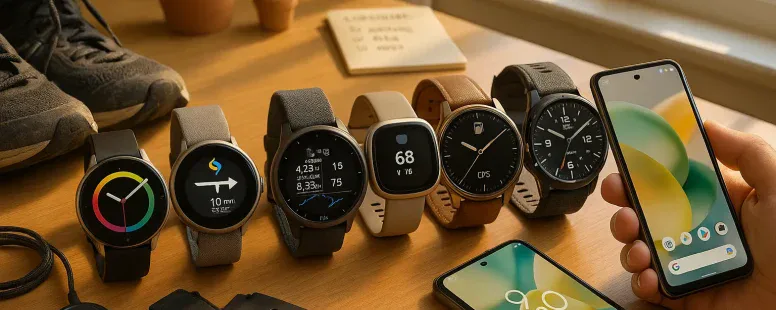
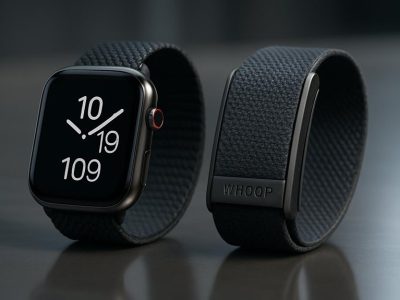
The Apple Watch set a high bar for smartwatches, but it isn’t the only path to a great wrist experience. If you want more battery life, deeper fitness tools, cheaper price tags, or simply a better fit for Android, there are strong alternatives that match, and sometimes outdo, Apple’s offering. Picture a watch that lasts four days, tracks a marathon with clinical accuracy, or runs third‑party apps you use. This guide cuts through noise to show you clear options, surprising benefits, and honest trade-offs so you can pick the smartwatch that fits your life.
How To Choose The Right Smartwatch
Fact: Choose a smartwatch by matching it to your phone, battery needs, fitness goals, and personal style.
Start with compatibility: If you own an Android phone, you gain more options than if you lock into iPhone-only features. Android watches often pair more fully with Google services and third‑party apps. iPhone users can still use many alternatives, but some features, like reply by voice or iMessage integration, may be limited.
Battery life and charging habits matter. Some watches give you one day: others give you a week. Ask: do you charge nightly or only on weekends? If you charge nightly, a watch with one-day battery but richer apps might suit you. If you hate nightly charging, pick a device with multi-day endurance.
Health and fitness features to prioritize. Decide if you need continuous heart-rate accuracy, advanced running metrics, ECG, or blood-oxygen readings. For general wellness, automatic activity detection and stress scores suffice. If you train seriously, look for devices with GPS accuracy and VO2max estimation.
Performance, apps, and ecosystem. Fact: App availability varies widely. Wear OS and proprietary systems offer different app catalogs. If you rely on specific apps, Spotify, Strava, Google Maps, verify they run well on the watch OS you choose. Performance also shapes how smooth notifications, music control, and maps feel.
Design, durability, and watch bands. You will wear the watch every day. Choose materials and band systems you like. Stainless steel, aluminum, and titanium change weight and feel. Water resistance is essential if you swim. Also check band standard sizes, many watches let you swap bands cheaply.
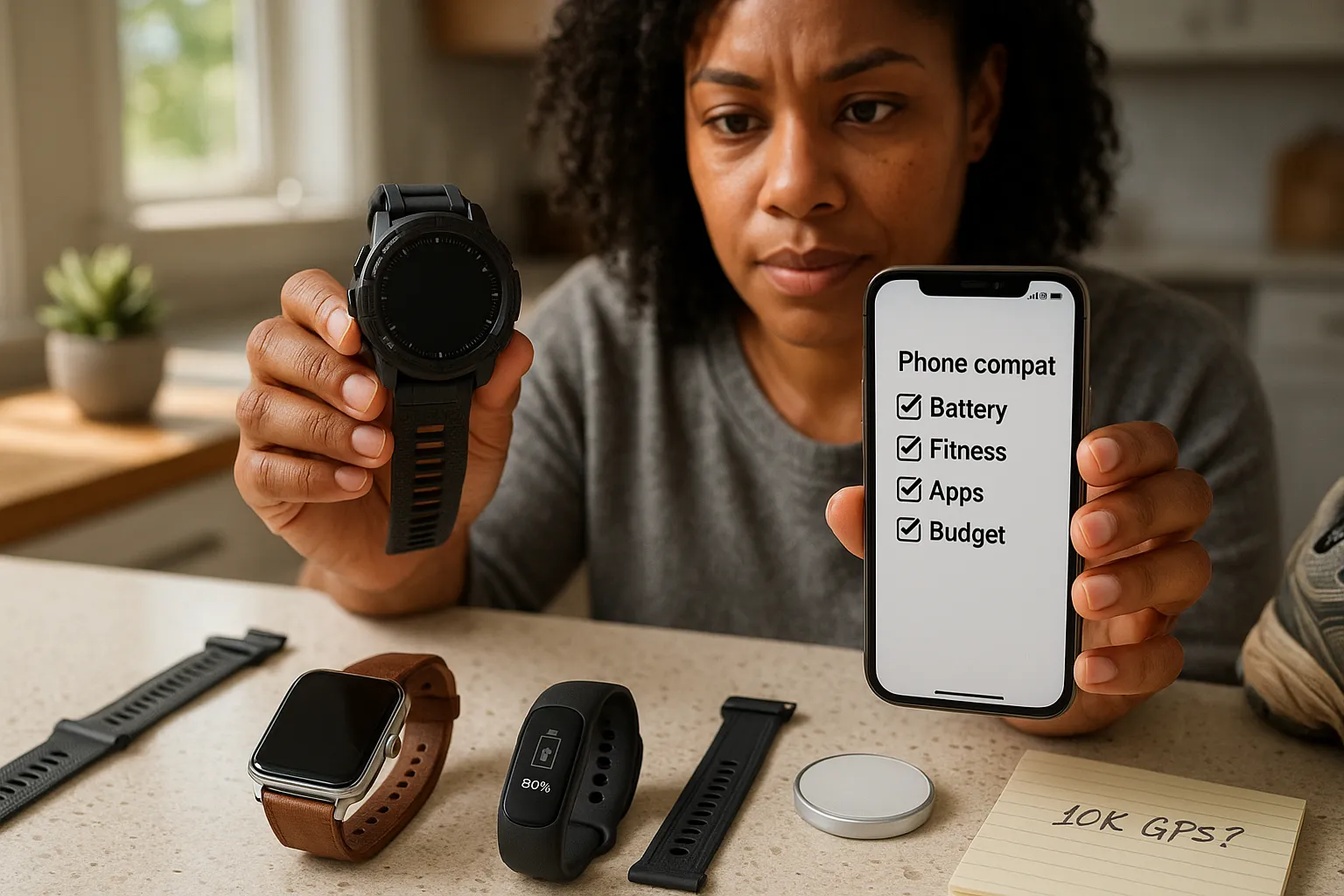
Quick checklist you can use:
Phone compat: Android or iPhone
Battery target: 1 day, 2–4 days, or 7+ days
Fitness needs: casual tracking or athlete-grade metrics
App needs: specific apps or basic notifications
Budget & warranty: how much you will spend and how long you want updates
Vulnerable moment: I once bought a pretty watch before checking GPS accuracy: I regretted it on a 10K run. Learn from that, match specs to real use.
Top Alternatives — Short Reviews And Who Each Is For
Fact: Several models stand out as the best alternatives depending on your priorities.
Samsung Galaxy Watch 6, Overview, Key Specs, Who It’s Best For
Samsung’s Galaxy Watch 6 runs Wear OS with Samsung enhancements. It gives a polished interface, strong health tracking, and solid third‑party apps. Key specs: AMOLED display, sleep tracking, ECG on supported markets, up to 40–50 hours battery with typical use, LTE option. Best for Android users who want a feature-rich watch and good app support.
Google Pixel Watch 2, Overview, Key Specs, Who It’s Best For
Google Pixel Watch 2 focuses on tight Google service integration and clean design. Key specs: round AMOLED, Fitbit health suite integration, Wear OS, roughly 24–48 hours battery depending on use. Best for users who prefer Google Maps, Google Wallet, and a simple, stylish interface.
Garmin Venu 3, Overview, Key Specs, Who It’s Best For
Garmin Venu 3 targets athletes. It offers advanced training metrics, multi-band GPS, and long battery life (several days in smartwatch mode, longer in battery saver). Key specs: AMOLED display, advanced running dynamics, training status, detailed sleep staging. Best for runners, cyclists, and outdoor athletes who need accuracy.
Fitbit Sense 2, Overview, Key Specs, Who It’s Best For
Fitbit Sense 2 blends wellness features and affordability. It includes heart‑rate variability insights, stress management, and good sleep tracking. Key specs: multi‑day battery, ECG app in some regions, strong community and app. Best for users focused on wellness and simple, long-lasting tracking.
Amazfit GTR 4, Overview, Key Specs, Who It’s Best For
Amazfit GTR 4 offers long battery life at a low price. Key specs: multi‑day battery (up to 14 days in light use), accurate GPS for the price, basic health sensors. Best for budget-conscious users who value battery and core fitness tracking over app ecosystems.
TicWatch Pro 5, Overview, Key Specs, Who It’s Best For
Mobvoi’s TicWatch Pro 5 uses a layered display and Wear OS. Key specs: bright AMOLED, secondary low-power LCD for extended life, Snapdragon W5 Gen 1, good battery modes. Best for users who want Wear OS performance plus options to extend battery life.
Honest trade-offs: You will trade some app polish or certain iPhone-only features when you leave the Apple Watch. But you often gain battery, specialized fitness features, or better pricing.
Best Picks By Use Case
Fact: The best watch depends on your use case: here are clear picks.
Best For Android Users
Pick the Samsung Galaxy Watch 6. It pairs deeply with Android services, supports Samsung Pay and Google apps, and gives a smooth Wear OS experience. If you use Google services heavily, the Pixel Watch 2 is a close second.
Best For iPhone Users Who Want An Alternative
Pick the Google Pixel Watch 2 or Fitbit Sense 2. Both work well with iPhone’s basic features while offering different strengths: Google for apps and design, Fitbit for long battery and wellness tracking.
Best For Fitness Enthusiasts And Athletes
Pick the Garmin Venu 3. Garmin gives detailed metrics, recovery tools, and robust GPS. You will get more coach-style data than most consumer watches.
Best For Long Battery Life
Pick the Amazfit GTR 4 or a Garmin in battery saver mode. These watches prioritize uptime and will last days to weeks depending on settings.
Best Budget Alternative
Pick the Amazfit GTR 4. It gives essential sensors, reliable GPS, and long battery life at a fraction of premium watch prices.
Practical warning: If you want advanced running metrics, confirm the watch supports the specific metrics your coach asks for. Specs can hide big differences.
Setup, Compatibility, And Migration Tips
Fact: Pairing and data migration require planning but are usually straightforward.
Pairing And Managing Notifications With Android And iPhone
Start by installing the watch companion app: Galaxy Wearable for Samsung, Wear OS app for Pixel and TicWatch, Garmin Connect, Fitbit, or Zepp for Amazfit. Open the app, enable Bluetooth, and follow prompts. For iPhone, grant notification access carefully: iOS limits some reply features. On Android, you can fine-tune which apps push alerts.
Transferring Health Data And Workout History
You can export data from Apple Health, but moving it to third‑party services is imperfect. Use official export tools: Apple Health allows an export that some apps can ingest. Fitbit and Garmin accept manual imports via third‑party services (for example, Google Fit can act as an intermediary). Expect gaps: ECG data and some Apple Watch metrics may not transfer.
Customizing Watch Faces, Apps, And Watch Bands
Start with a minimal face showing time, heart rate, and steps. Add complications only when they help. Install apps from the watch store for music, navigation, and workout tracking. Swap bands using quick-release pins or proprietary connectors. Try a silicone band for workouts and a leather one for meetings.
Vulnerable moment: I once lost a week of workout history during a transfer. Back up and export your data before switching watches.
Buying, Warranty, And Long-Term Considerations
Fact: Buy from reputable sellers and check update policies before you spend.
Where To Buy And How To Spot A Good Deal
Buy from official stores, big retailers, or authorized resellers. Look for seasonal sales and certified refurbished units. A good deal keeps warranty intact and includes returns. Avoid deep discounts from unknown sellers, they may sell grey-market units without regional warranty.
Warranty, Repairs, And Software Update Policies
Check the manufacturer’s warranty length and what it covers. Apple provides long software support: many Android watch makers provide 2–3 years of updates, but smaller brands may stop updates sooner. Ask how easy repairs are and whether batteries are user-replaceable.
When To Upgrade And How To Resell Or Recycle Your Old Watch
Upgrade when battery life degrades, when security updates stop, or when new health features matter to you. Resell on marketplaces after a factory reset and include original band and charger for better value. If you don’t sell, recycle through manufacturer trade-in programs or local e‑waste facilities.
Final practical tip: Prioritize software updates and repair options as much as specs. A watch with strong support keeps value and works reliably for longer. Remember: the best watch for you is the one you wear every day.
To provide the best experiences, we use technologies like cookies to store and/or access device information. Consenting to these technologies will allow us to process data such as browsing behaviour or unique IDs on this site. Not consenting or withdrawing consent, may adversely affect certain features and functions.
Functional
Always active
The technical storage or access is strictly necessary for the legitimate purpose of enabling the use of a specific service explicitly requested by the subscriber or user, or for the sole purpose of carrying out the transmission of a communication over an electronic communications network.
Preferences
The technical storage or access is necessary for the legitimate purpose of storing preferences that are not requested by the subscriber or user.
Statistics
The technical storage or access that is used exclusively for statistical purposes.The technical storage or access that is used exclusively for anonymous statistical purposes. Without a subpoena, voluntary compliance on the part of your Internet Service Provider, or additional records from a third party, information stored or retrieved for this purpose alone cannot usually be used to identify you.
Marketing
The technical storage or access is required to create user profiles to send advertising, or to track the user on a website or across several websites for similar marketing purposes.