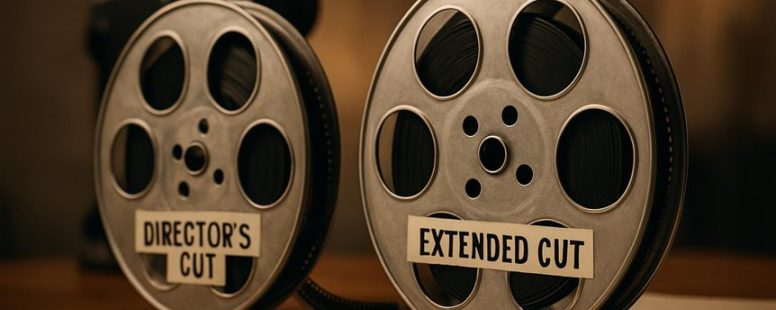
Many people toss around the terms director’s cut and extended cut as if they’re the same, but the difference is more than just extra footage.
It’s like peeling back layers of a story—sometimes revealing a hidden truth, other times just adding filler. These versions can dramatically shift how you feel about a film, almost like hearing a song in a different key.
Surprising as it sounds, understanding these differences can unlock a deeper appreciation for the artistry behind the scenes.
So, what truly sets these versions apart, and why does one sometimes feel like the real story while the other seems to drift into unnecessary detail?
What Is a Director’s Cut and Why It Matters
A director’s cut is a version of a film that shows what the director originally wanted to make. It is different from the version shown in theaters because it often has more scenes or longer moments that were cut out earlier. Studios sometimes cut parts of a film to make it shorter or to appeal to a wider audience. But these edits can change the story or make it less clear. When you watch a director’s cut, you see the film as the director planned it, without outside rules or pressure. This version shows the filmmaker’s true vision, with all their creative choices intact.
A good example is the movie “Blade Runner,” which has multiple versions. The director’s cut added scenes and changed the ending, giving fans a clearer idea of what the director, Ridley Scott, really wanted. Some viewers say the director’s cut feels more complete and makes the story better. But others warn that it might be too long or slow for some audiences.
Some people think that a director’s cut is the best way to understand a film’s true meaning. Others believe the theatrical version is enough and that the added scenes don’t always improve the story. So, if you want to see the film as the director imagined, look for the director’s cut. But keep in mind, it might not be for everyone.
In the end, a director’s cut gives you a deeper look into the filmmaker’s vision. It’s like getting to see the movie how it was meant to be seen, not just the edited version for the theaters.
How Does an Extended Cut Differ From a Director’s Cut?
A extended cut is a version of a movie that includes more scenes than the original release. These added scenes were often cut for time or pacing reasons. The goal is to give fans extra footage and more story detail. However, these scenes may not reflect what the director originally wanted. They are mainly about adding more content for viewers who want to see everything.
A director’s cut is a version that shows the film as the director intended. Sometimes, the studio makes changes to the theatrical release, cutting or rearranging scenes. The director’s cut restores or reorders scenes to match the director’s vision. It often removes parts that were added later or changed for commercial reasons. This version aims to give the audience a clearer idea of what the filmmaker originally imagined.
Why the Director’s Cut Shows the Filmmaker’s True Vision
A director’s cut is a version of a film that shows the director’s true vision. Unlike the theatrical release, which often gets edited to please the studio or audiences, the director’s cut keeps what the filmmaker originally wanted. This version gives a clearer look at what the director had in mind when making the movie.
When I watch a director’s cut, I notice several things. First, scenes that were cut or changed to match the director’s idea are added back in. These scenes help tell the story better. Second, the way the movie moves and feels is often different. The pacing and tone are adjusted to keep the emotional story strong. Third, the characters become more real because their development matches what the director planned. Lastly, small themes or ideas hidden in the film become clearer and add more meaning.
A director’s cut feels more honest because it is less influenced by outside pressures like commercial interests or studio demands. It’s like seeing a painting in the artist’s true colors, not a version altered to sell more prints. If you want to understand what the filmmaker really wanted to say, watching the director’s cut is the best way.
Some people might argue that the theatrical version is better because it’s shorter and more polished. Others say that the director’s cut can be too long or slow. But if you want the full story behind the film, the director’s cut shows you the real vision—sometimes more raw, sometimes more emotional, but always closer to what the filmmaker intended.
When Does a Director’s Cut Change the Story?
A director’s cut changes the story when it adds new scenes or clarifies characters in a way the original version didn’t. These changes go beyond just making the movie longer. They often shift how you see the plot or understand why characters do what they do. For example, a director’s cut might show a scene that explains why a character makes a certain choice, making their actions clearer and more believable. Sometimes, it removes edits made by studios that might have cut parts of the film to make it faster or more commercial. These original versions can have a different tone or pacing, giving a different feeling while watching.
In short, a director’s cut really changes the story when it adds or rewrites parts that affect the main plot or characters’ motives. It’s not just about extra scenes — it’s about giving you a version that shows what the filmmaker truly wanted to say. Sometimes, these changes can make a familiar movie feel like a new story altogether.
What Extra Scenes Do Extended Cuts Usually Add?
Extended cuts usually add scenes that give more details to the story or characters. These extra scenes aren’t just filler; they make the movie better by showing things that were cut before. Here’s what you can expect from an extended cut:
More moments with characters that show their feelings or reasons for their actions.
Subplots that didn’t fit into the original movie but make the story richer.
Scenes that clear up confusing parts or relationships.
Longer scenes that create more tension or atmosphere.
Some people think extended cuts are better because they give a fuller picture. Others say they can slow down the story or include unnecessary scenes. So, if you’re a fan of the movie, these extra scenes might be worth watching. But keep in mind, not all added scenes are great; some might feel out of place or just add length without value.
A famous example is “The Lord of the Rings,” which has many extended versions. Fans say these versions help understand the characters and world better. But casual viewers might find them too long or slow. So, whether an extended cut is worth it depends on what you want from the movie.
Sources: “The Lord of the Rings” extended editions are popular among fans for their added content. However, critics often point out that extra scenes can sometimes drag the story.
Examples of Director’s Cuts That Changed Film Tone
A director’s cut is a version of a movie that shows the filmmaker’s original vision. It often changes how the film feels and what it means. For example, Ridley Scott’s *Blade Runner* has a director’s cut that removes the voiceover and makes the movie darker and more mysterious. This change makes the story feel more serious and less clear, giving viewers a different experience. Another example is *The Lord of the Rings: The Two Towers* extended edition. It adds scenes that help us understand characters better and makes the story move at a different pace.
These changes show that director’s cuts are more than just longer movies. They can completely change the tone, mood, and message of a film. Sometimes, when a director’s vision is different from what was shown in theaters, the movie feels very different. It can even make us see the story in a new way. But viewers should be careful. Not all director’s cuts are better, and some may confuse or slow down the story. Still, they give fans a chance to see what the filmmaker originally wanted to share.
Choosing Between Director’s and Extended Cuts
Choosing Which Version of a Film to Watch: Director’s Cut or Extended Cut
A director’s cut shows the film how the filmmaker truly wanted it to be seen. An extended cut adds more scenes to give a fuller story. Knowing the difference helps you decide which one to pick.
Purpose of the Cut: If you want the version the director prefers, pick the director’s cut. If you like extra scenes that add details, go for the extended cut. For example, fans of “The Lord of the Rings” often enjoy the extended editions for more character moments.
Pacing: Director’s cuts tend to move faster because they cut unnecessary parts. Extended cuts can feel slower, but they give more background. If you want a quick, tight film, choose the director’s cut. If you like a slow build-up with lots of details, try the extended version.
Story and Context: If you want the full story with all the background, extended cuts are better. But if you want a faster experience, the director’s cut might be enough. For example, some fans say the extended versions of “Blade Runner” give more depth, while others prefer the shorter, punchier original.
Tone and Style: Sometimes, the director’s cut changes the mood of the film. If you care about how the film feels, pick the version that matches your mood. For example, the director’s cut of “Kingdom of Heaven” is darker and more serious, which can change how you see the story.
To decide, think about what you want from the film. Do you want more story, or do you prefer a quicker pace? Both versions have their benefits and limits. The key is to know what kind of movie experience you enjoy more.
How Fans and Critics React to Different Cuts
The key fact is that fans and critics react differently to different cuts of a movie. Fans usually care about how well the cut matches their feelings and connection to the story. Critics focus more on how changes affect the story’s flow and overall quality. Both groups influence how a film is remembered and talked about. Fans share their excitement or disappointment quickly, while critics help shape big discussions about the movie’s artistic choices.
Viewer expectations also matter a lot. For example, a director’s cut might please fans who want to see the movie as the director originally planned. An extended cut, on the other hand, might add extra scenes or slow down the pace, which some viewers might find boring.
Understanding these reactions helps us see why people don’t just have simple preferences. Instead, they see how each version of a film changes what the story means and how it feels. Some fans might love a longer cut for more details, while others prefer the faster original version. Critics may praise or criticize these choices based on how well they work for the story.
A warning is that not all cuts are better. Sometimes, changes can make the story confusing or less exciting. So, whether you agree or disagree depends on what you’re looking for in a movie. Both fans and critics play roles in how a film is remembered—fans spread the word, and critics shape the bigger picture.
To provide the best experiences, we use technologies like cookies to store and/or access device information. Consenting to these technologies will allow us to process data such as browsing behaviour or unique IDs on this site. Not consenting or withdrawing consent, may adversely affect certain features and functions.
Functional
Always active
The technical storage or access is strictly necessary for the legitimate purpose of enabling the use of a specific service explicitly requested by the subscriber or user, or for the sole purpose of carrying out the transmission of a communication over an electronic communications network.
Preferences
The technical storage or access is necessary for the legitimate purpose of storing preferences that are not requested by the subscriber or user.
Statistics
The technical storage or access that is used exclusively for statistical purposes.The technical storage or access that is used exclusively for anonymous statistical purposes. Without a subpoena, voluntary compliance on the part of your Internet Service Provider, or additional records from a third party, information stored or retrieved for this purpose alone cannot usually be used to identify you.
Marketing
The technical storage or access is required to create user profiles to send advertising, or to track the user on a website or across several websites for similar marketing purposes.