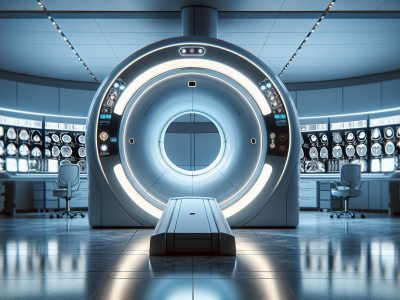
Picture yourself lying perfectly still as the hum of the scanner fills the room. A cool sensation creeps up your arm—contrast dye entering your veins—transforming the ordinary into something extraordinary. You might wonder why some scans come with this vivid boost while others don’t. What secrets does contrast reveal that a standard scan leaves hidden in the shadows?
Choosing between with and without contrast isn’t just a technical detail—it can mean the difference between seeing a blurred outline and a crystal-clear masterpiece. Understanding this choice unlocks a new level of insight into your health, helping you and your doctor make smarter decisions. Get ready to uncover how a simple injection can shed light on mysteries deep within your body, offering clarity where you least expect it.
Understanding Contrast in Medical Imaging
Picture contrast dye as a spotlight, lighting up hidden corners inside your body that a standard scan might just overlook. You’re in an MRI room, the air hums, and the technician asks if you’ve taken in the contrast agent—suddenly, ordinary organs becomes strikingly visible, tumors glowing like fireflies at midnight. Semantic entities like “iodinated contrast” or “gadolinium-based agents”—they’re not just strange words, they’re the real-life superheroes of radiology, transforming shadowy anatomical regions (example: blood vessels or soft tissues) into clear, diagnosable landscapes.
You ever thought about why some doctors order “CT with contrast” while others don’t? If your doctor suspects something hidden, like an inflammed appendix or a subtle brain lesion, contrast paints it bold on the radiologist’s canvas. In cases like kidney stones or broken bones, though, scans usually avoid contrast since bones show up brilliantly by themselves. The American College of Radiology (ACR) notes that contrast agents provide up to 35% more diagnostic accuracy in detecting certain cancers (source: ACR practice parameters, 2023).
Some might worry: is contrast safe for you? It’s mostly safe, but folks with kidney problems can experience rare, serious reactions; always ask questions about allergy or kidney function before your scan (Mayo Clinic, 2023). Ever heard a neighbor say, “I got that warm, funny feeling during my last scan”? That sensation, doctors say, happens often and rarely bothers most patients.
So you think of contrast like a detective’s magnifying glass—sometimes necessary, sometimes not. Without it, subtle shadows could mask critical answers. With it, small changes—an inflamed bowel, a leaking blood vessel—stand out, urging quick, targeted treatment. The next time you face a CT or MRI, pause and ask: “Will contrast help reveal what’s beneath the surface, or could seeing you without it be just enough?” Every decision in imaging carries a story woven with risk, clarity, comfort, and science, guiding your doctor closer to the answers you seek.
What Is Imaging With Contrast?
Imaging with contrast uses special dyes to help radiologists spot issues that regular scans might miss. These contrast agents highlight blood vessels, organs, or abnormal tissues, making the difference between a vague shadow and a clear diagnosis.
Common Types of Contrast Agents
Contrast agents come in several varieties, each tailored for specific scans and body parts. Iodinated contrast, used in CT scans, lights up blood vessels or tumors so they’re easier to identify. Gadolinium-based agents, chosen for MRI scans, reveal details in the brain, spine, or joints; tumors appear brighter against normal tissues. Barium-sulfate powder, used in GI studies, outlines your digestive tract for X-ray studies. For ultrasound, microbubble agents makes blood flow visible and highlight hard-to-see vessels. The U.S. Food and Drug Administration (FDA) evaluates and approves these agents for safety and effectiveness in medical imaging.
How Contrast Enhances Imaging Results
Radiology scans with contrast produce images with more definition and sharper boundaries between tissues. Tumors, infections, or blood clots that blend into surrounding tissues in a standard scan might become obvious when contrast is used. For example, a brain tumor can light up while healthy gray matter stays dim, letting your radiologist map its exact edges. Cardiologists rely on contrast during angiograms to trace blocked arteries; without it, you might miss a life-threatening clot. The American College of Radiology reports that contrast enhancement increases the sensitivity of CT and MRI for certain cancers by up to 35%. With contrast, diagnosis becomes more accurate, treatment becomes more precise, and your care gains another layer of clarity.
What Is Imaging Without Contrast?
Imaging without contrast means pictures are captured inside your body using only the machine’s basic technology, with no special dyes or agents injected or swallowed. You just lie there, still, as the scanner gathers images by detecting the natural differences in how your tissues absorb or reflect energy.
When Non-Contrast Imaging Is Preferred
Doctors sometimes turn to this simpler scan when searching for kidney stones, bleeding in the brain, or bone fractures, where natural structures already stand out starkly. For example, ER teams might order a non-contrast head CT for patients with suspected stroke, because fresh bleeding shows up brighter than brain tissue without any dye.
You’ll also see non-contrast imaging in routine X-rays, or when people had allergic reactions to contrast before. Certain patients, especially with severe kidney dysfunction, get non-contrast MRI or CT—for safety outweighs the benefits of enhanced details (National Kidney Foundation, 2022).
Curious if your scan skips contrast? Just notice—no IV or drink offered. That’s because the images alone might answer the key clinical questions.
Limitations of Imaging Without Contrast
Non-contrast imaging, even though it’s usefulness, sometimes leaves physicians wishing for more. Small tumors, inflamed tissues, or subtle infections can hide in plain sight, their edges blurred with healthy structures on standard MRIs or CTs.
Picture looking for a black cat in a dimly lit room; so goes searching for tiny liver lesions or vascular malformations on a non-contrast scan. Blood clots in the lungs or aneurysms, often demand the brightness of contrast to declare their presence and location (Radiological Society of North America, 2023).
If your doctor ever says, “the scan was negative,” you might wonder—did it just miss something hiding in the shadows?
Without contrast, scans can answer some questions, but their ability to uncover hidden or faint abnormalities stays limited.
Key Differences Between With and Without Contrast
Comparing scans with and without contrast spots the pivotal differences in diagnostic imaging. You see distinctions in accuracy, safety, and how results shape your care, all driven by the presence or absence of contrast dye in your test.
Diagnostic Accuracy and Image Clarity
Contrast elevates diagnostic accuracy and image clarity by providing sharper, brighter, and more detailed visualizations. MRI scans with gadolinium or CTs with iodinated agents highlight lesions, blood vessels, and boundaries between normal or abnormal tissues—think of it as switching from candlelight to a stadium floodlight during a midnight search. The American College of Radiology documents up to 35% improvement in detecting some cancers when contrast is use (RadiologyInfo.org, 2023). For example, metastatic liver tumors, subtle brain lesions, or vascular abnormalities can blend into surrounding tissue without contrast, making them invisible to the naked eye.
On the flip side, non-contrast imaging depends only on natural tissue contrast. If you’re hunting for kidney stones or bone fractures, structures already stand out due to their density—just like trying to spot a white baseball in green grass. Sometimes though, “invisible” tumors or infections stay hidden because the grayscale can’t catch subtle changes that a dye might reveal. Ask yourself: Would you rather miss a warning signal or see it light up clear as day?
Patient Safety and Potential Risks
Safety remains a top concern when contrast agents enter the body. Iodinated and gadolinium-based dyes, vetted by the FDA, remain safe for most people. But, some face allergic reactions or nephrogenic systemic fibrosis, especially those with severe kidney disease or pre-existing allergies. In rare cases, patients report warm sensations, nausea, or temporary changes in taste—a reminder that even benefits comes with trade-offs. Think of safety here as crossing a busy street: everyone makes it across most days but a few might trip if they’re not looking.
With non-contrast scans, adverse reactions vanish since there’s no foreign chemical introduced. That’s why your doctor skips the dye if you have kidney problems or recent allergic reactions. Your medical history acts like a traffic light, signaling when it’s safe to proceed with or without contrast. Is it worth the risk if those extra details might change your path to recovery?
Impact on Diagnosis and Treatment Planning
Contrast makes diagnosis and treatment planning more definitive, guiding doctors in targeting therapies, surgeries, or further testing. When tumors or infections are outlined, oncologists or surgeons track margins, monitor progression, and plan precise interventions. For example, contrast-enhanced CT scans in stroke patients swiftly reveals blocked vessels or active bleeding, so time-sensitive treatments can start without guesswork. A clear map always beat a foggy one when you’re charting an uncertain journey.
Conversely, choosing non-contrast imaging can sometimes delay firm answers. Certain autoimmune diseases, subtle organ inflammation, or small vessel pathologies might escape detection or mimic benign findings. You may undergo additional tests or face ambiguous reports—meaning your care plan becomes a waiting game. Picture your healthcare team peering through frosted glass instead of a clean window.
So, every scan choice reflects a balance: Do clarity and targeted action outweigh rare but real side effects? Would a sharper image fuel your confidence or do you just crave quick, risk-free reassurance? Each instance of contrast, or lack of, steers your healthcare experience in a direction uniquely yours.
Choosing the Right Imaging Approach
Choosing between contrast and non-contrast imaging shapes what your scan reveals, and sometimes it’s like deciding whether to bring a flashlight into a dimly lit cave. Your body holds mysteries, and image clarity can means the difference between spotting hidden gems or stumbling in the dark. Radiologists orchestrate this decision, drawing from patient history, medical context, and those subtle cues only trained eyes catch.
Factors That Influence the Choice
These factors guide the imaging selection process, directly impacting your diagnosis and care plan.
Clinical question: Your doctor’s question leads the dance. For example, is she searching for a kidney stone, a brain bleed, or an elusive liver mass? If yes, non-contrast CT finds stones or bleeds well, but a suspected tumor usually calls for contrast to highlight irregular edges (Radiological Society of North America).
Patient health profile: Your story influences everything. Allergies to contrast or kidney dysfunction (as with diabetes or chronic kidney disease) might close the door to contrast imaging, except when the benefit outweighs the risk.
Urgency and safety: Your situation shapes the protocol. Emergency departments often skip contrast for rapid stroke evaluation to avoid delay, yet add it for infection clues or abscess maps once the crisis calms.
Previous imaging results: Having past images sometimes steers choices, since comparing contrast and non-contrast scans unravels diagnostic puzzles. Returning for a follow-up MRI of a known tumor commonly involves contrast for detecting subtle changes.
Specific tissue types: Some body parts play hide-and-seek better. Tumors lurking in the pancreas or adrenal glands often comes into focus only after contrast, while bones or calcifications in joints emerge without it.
Have you ever waited anxiously for imaging, wondering if missing a key detail would change your future? That’s why this choice matters.
Consulting With Healthcare Providers
Your healthcare team acts as both navigator and interpreter, helping you understand not only what’s possible but what’s practical.
Shared decision making: Doctors invite you into this conversation. For instance, if you’ve had a rash after prior contrast, you and your provider may weight alternatives like non-contrast MRI or even ultrasound. They explain possible risks so you never feel in the dark about what’s going on in your veins.
Asking the right questions: You don’t have to be a radiologist for your voice to matter. Ask, “What difference would contrast make for my case?” or “Are there risks for me with my diabetes?” These questions set the stage for true partnership.
Tailoring protocols: Sometimes, physicians adjust the recipe. A patient with mild allergies might still undergo a contrast study, with pre-medication and close monitoring—an orchestration of safety steps. The American College of Radiology guides these protocols to ensures safe, effective care.
Real-world experience: Ask patients like Maria, whose lung nodule went unnoticed until a contrast CT illuminated its jagged edges, leading to lifesaving early intervention. Stories like hers dot the medical landscape, underscoring how crucial the right approach is.
Each path—contrast or non-contrast—traces a unique blueprint. When you engage with your provider about the roadmap, you don’t just follow the route. You help chart it.
Conclusion
When you’re faced with a decision about medical imaging, understanding the difference between scans with and without contrast gives you more control over your health journey. Asking questions and discussing your options with your doctor ensures you get the most accurate results for your specific needs.
By staying informed about how contrast works and when it’s recommended, you can feel more confident about your care and help your healthcare team make the best choices for your diagnosis and treatment.
To provide the best experiences, we use technologies like cookies to store and/or access device information. Consenting to these technologies will allow us to process data such as browsing behaviour or unique IDs on this site. Not consenting or withdrawing consent, may adversely affect certain features and functions.
Functional
Always active
The technical storage or access is strictly necessary for the legitimate purpose of enabling the use of a specific service explicitly requested by the subscriber or user, or for the sole purpose of carrying out the transmission of a communication over an electronic communications network.
Preferences
The technical storage or access is necessary for the legitimate purpose of storing preferences that are not requested by the subscriber or user.
Statistics
The technical storage or access that is used exclusively for statistical purposes.The technical storage or access that is used exclusively for anonymous statistical purposes. Without a subpoena, voluntary compliance on the part of your Internet Service Provider, or additional records from a third party, information stored or retrieved for this purpose alone cannot usually be used to identify you.
Marketing
The technical storage or access is required to create user profiles to send advertising, or to track the user on a website or across several websites for similar marketing purposes.