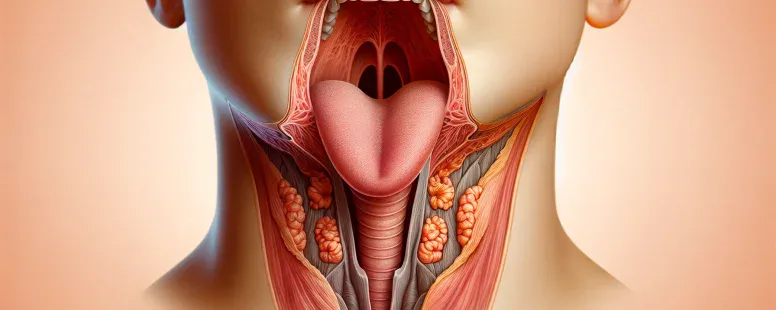
Picture this: you’re savoring your favorite meal, and as you swallow, a fascinating coordination unfolds in your throat. Two small yet vital structures—the uvula and the epiglottis—quietly work behind the scenes to ensure everything flows smoothly. Though they’re often overlooked, these tiny anatomical features play crucial roles in swallowing, breathing, and even speech.
You might think they’re similar because of their location within your throat, but their functions couldn’t be more distinct. The uvula dangles like a delicate curtain at the back of your mouth while the epiglottis acts as a vigilant gatekeeper for your airway. Understanding how these two differ can give you deeper insight into how your body protects itself every time you eat or speak.
Overview Of The Uvula And Epiglottis
The uvula and epiglottis are distinct anatomical structures in the throat with specific roles. The uvula, a small fleshy extension at the back of your soft palate, assists in speech and prevents food from entering nasal passages during swallowing. In contrast, the epiglottis is a flap-like cartilage located above your larynx that protects your airway by covering it while you swallow.
Both structures contribute to essential functions. For example, when you eat or drink, the uvula works alongside other parts of your mouth to direct food toward the esophagus. Simultaneously, the epiglottis ensures that nothing enters the trachea by acting as a switch between breathing and swallowing pathways.
Differences become evident when examining their physical composition and location. The uvula is composed primarily of connective tissue and muscle fibers; it’s visible when you open your mouth wide. On the other hand, the epiglottis consists mostly of elastic cartilage covered by mucous membrane and remains hidden unless viewed through medical imaging or laryngoscopy.
Understanding these differences highlights their complementary functions within human anatomy. Their roles ensure smooth coordination between respiration, digestion, and vocalization processes while minimizing risks like choking or nasal regurgitation during eating or talking activities.
Anatomy And Location
The uvula and epiglottis are distinct anatomical structures located in the throat, each serving specific roles in respiratory, digestive, and speech functions. They differ in composition, visibility, and position within the oral and pharyngeal regions.
Uvula
The uvula is a small, conical structure hanging from the soft palate at the back of your mouth. It’s composed of connective tissue and muscle fibers covered by mucous membrane. You can easily see it when you open your mouth wide or say “ah.” Positioned centrally above the throat opening, it acts as a barrier to prevent food or liquid from entering your nasal cavity during swallowing.
Its location directly influences its role in speech modulation by helping produce certain sounds like guttural consonants in languages such as Hebrew or Arabic. The uvula also supports saliva production to keep your throat moist—a critical function for maintaining oral health.
Epiglottis
The epiglottis is a flap-like cartilage situated above your larynx (voice box) at the entrance of the trachea (windpipe). Unlike the visible uvula, it’s hidden deep within your throat and requires specialized imaging for observation. Its elastic cartilage structure allows it to move efficiently while covering the airway during swallowing.
Located just behind your tongue’s base, this leaf-shaped organ serves as a protective gatekeeper between respiratory and digestive pathways. It tilts downward when you swallow to block food or liquids from entering your trachea—minimizing risks of aspiration or choking—and moves upward afterward to reopen airflow for breathing.
By understanding their distinct locations—the uvula visible at your mouth’s rear versus the concealed epiglottis near the larynx—you gain insight into how these two structures complement each other anatomically and functionally.
Functions And Roles In The Body
The uvula and epiglottis perform vital roles in maintaining respiratory, digestive, and vocal functions. Even though their proximity within the throat, they serve distinct purposes that ensure efficient coordination between these systems.
Role Of The Uvula
The uvula contributes to swallowing by preventing food from entering the nasal cavity. Positioned at the soft palate’s edge, it moves upward during swallowing to block the nasopharynx. This action minimizes risks of nasal regurgitation.
In speech production, the uvula assists in articulating certain phonetic sounds like guttural consonants found in languages such as Arabic or French. It also supports oral health by stimulating saliva secretion, aiding hydration and digestion.
For instance, without a functional uvula, you might experience challenges in producing specific sounds or feel dryness due to reduced saliva levels.
Role Of The Epiglottis
The epiglottis safeguards your airway during swallowing by covering the trachea’s opening. Made of elastic cartilage, it folds downwards when food or liquid passes through your pharynx into the esophagus. This reflex prevents aspiration or choking hazards.
It also plays a minor role in vocal modulation by influencing airflow dynamics around the larynx during speech production. While less visible than the uvula, its importance becomes evident if compromised—for example—due to medical conditions like epiglottitis.
Without a functioning epiglottis protecting your trachea properly while eating, you’d face increased risks of inhaling food particles into your lungs instead of directing them toward digestion pathways efficiently.
Key Differences Between Uvula And Epiglottis
Location and Visibility
The uvula hangs visibly at the back of your mouth, positioned centrally in the oral cavity. It’s easily seen when you open your mouth wide. In contrast, the epiglottis is hidden deeper in your throat behind the tongue’s base. You can’t see it without specialized medical equipment.
Structure and Composition
The uvula consists of connective tissue, muscle fibers, and mucous membrane. It’s soft and flexible to aid its roles in speech and swallowing. The epiglottis, but, is made of elastic cartilage covered by a mucous membrane. This firm structure allows it to efficiently block the trachea during swallowing.
Functionality
The uvula prevents food from entering your nasal passages while also contributing to speech by helping form certain sounds like guttural consonants in some languages. Meanwhile, the epiglottis safeguards your airway by sealing off the trachea during swallowing to prevent aspiration or choking.
Role in Speech Production
Your uvula plays a minor but distinct role in articulating specific phonetic sounds found mainly in Semitic and French languages. Unlike this function, the epiglottis indirectly supports speech through airflow regulation within your vocal cords.
Feature
Uvula
Epiglottis
Location
Back of mouth
Base of tongue
Visibility
Easily visible
Hidden
Composition
Connective tissue & muscle fibers
Elastic cartilage
Primary Role
Prevents nasal regurgitation
Protects airway during swallowing
These differences emphasize how both structures complement each other even though serving distinct functions critical for eating, breathing, and speaking activities seamlessly.
Common Misconceptions
Confusion often arises between the uvula and epiglottis due to their proximity within the throat. People sometimes mistake the uvula for being involved in closing off the airway, when its role is limited to speech articulation and preventing food from entering your nasal passages. The epiglottis, not the uvula, safeguards your trachea by acting as a flap during swallowing.
Another misconception involves visibility. Since you can easily see your uvula when looking into a mirror with an open mouth, some assume that both structures are similarly visible. But, the epiglottis remains hidden below at the base of your tongue unless specialized medical tools or techniques are used.
Beliefs about functionality also lead to errors. Some think both structures have overlapping roles in speech production and airway protection. While it’s true they each contribute indirectly to vocalization and breathing safety, their mechanisms differ significantly—your uvula aids specific phonetic sounds while your epiglottis directs airflow by sealing off pathways as needed.
Finally, myths suggest that removing either structure has negligible effects on health. In reality, surgeries like uvulectomy (uvula removal) or damage to the epiglottis can impair critical functions such as swallowing efficiency or sound formation depending on individual cases and medical contexts.
Importance In Health And Medical Context
The uvula and epiglottis play essential roles in maintaining health by supporting swallowing, breathing, and speech functions. The uvula contributes to preventing food from entering the nasal cavity during swallowing, ensuring smooth passage of food into the esophagus. It also stimulates saliva production, which aids digestion and oral hygiene by keeping your mouth moist and reducing bacterial growth.
In contrast, the epiglottis acts as a protective barrier for the airway. During swallowing, it covers the trachea to prevent aspiration of food or liquid. This reduces risks of choking or lung infections like aspiration pneumonia. Without proper functioning of these structures, you could face complications such as difficulty swallowing (dysphagia), nasal regurgitation, or respiratory issues.
Medical conditions affecting these structures highlight their importance. For instance, uvulitis—an inflammation of the uvula—can cause difficulty speaking or swallowing due to swelling. On the other hand, epiglottitis—a potentially life-threatening condition involving inflammation of the epiglottis—may lead to blocked airways requiring emergency treatment. Both conditions underline why these anatomical features are critical for overall health.
Surgical interventions involving either structure demonstrate their functional significance further. A uvulectomy (removal of all or part of the uvula) might be performed in cases of sleep apnea but can impact speech clarity if not carefully executed. Similarly, damage to or removal of an epiglottis often results in impaired airway protection during eating.
Their distinct yet complementary roles ensure efficient coordination between respiration and digestion systems while safeguarding against risks like choking or nasal backflow during daily activities such as eating and talking.
Function
Uvula
Epiglottis
Primary Role
Prevents nasal regurgitation
Protects airway during swallowing
Composition
Connective tissue & muscle fibers
Elastic cartilage
Location
Back of mouth
Base of tongue
Visibility
Easily visible
Hidden within throat
Understanding how both structures function highlights their medical relevance and underscores why any dysfunction may require prompt attention from healthcare professionals for effective management.
Conclusion
Understanding the differences between the uvula and epiglottis helps you appreciate their distinct yet complementary roles in your body. Each structure contributes to critical functions like swallowing, breathing, and speech while ensuring your overall safety and efficiency during these activities.
By recognizing how these two work together, you gain a deeper insight into their importance for maintaining health. Whether it’s preventing choking or supporting clear communication, both the uvula and epiglottis play vital roles that shouldn’t be overlooked.
To provide the best experiences, we use technologies like cookies to store and/or access device information. Consenting to these technologies will allow us to process data such as browsing behaviour or unique IDs on this site. Not consenting or withdrawing consent, may adversely affect certain features and functions.
Functional
Always active
The technical storage or access is strictly necessary for the legitimate purpose of enabling the use of a specific service explicitly requested by the subscriber or user, or for the sole purpose of carrying out the transmission of a communication over an electronic communications network.
Preferences
The technical storage or access is necessary for the legitimate purpose of storing preferences that are not requested by the subscriber or user.
Statistics
The technical storage or access that is used exclusively for statistical purposes.The technical storage or access that is used exclusively for anonymous statistical purposes. Without a subpoena, voluntary compliance on the part of your Internet Service Provider, or additional records from a third party, information stored or retrieved for this purpose alone cannot usually be used to identify you.
Marketing
The technical storage or access is required to create user profiles to send advertising, or to track the user on a website or across several websites for similar marketing purposes.