Soda delivers quick fizz and a sugary hit, but it also brings calories, additives, and crashes. If you care about energy, long-term health, or simply want a cleaner daily habit, choosing one of the best alternatives to soda gives you flavor without the trade-offs. Picture a cold glass that sparkles on your tongue, offers real nutrients, or calms you like tea, without the sticky aftertaste. Below you’ll find clear options, practical tips, and honest trade-offs so you can pick drinks that match your taste, schedule, and goals.
Why Replace Soda? Health And Lifestyle Reasons
Fact: Soda contributes to excess sugar intake and can harm metabolic health. Soda often contains 30–45 grams of sugar per can: that spikes your blood sugar and trains your palate to expect intense sweetness. That leads to cravings and more sugary choices later in the day.
Health Impacts Of Sugary And Diet Sodas
Sugary sodas raise your calorie count without satiety. Over months and years, regular consumption links to weight gain, higher Type 2 diabetes risk, and tooth decay. Diet sodas look like a fix but present trade-offs. Artificial sweeteners can alter gut bacteria and might keep your sweet preference high, which can undermine reduction efforts. If you drink sodas for caffeine, note that coffee or tea supply caffeine with antioxidants instead of empty sugar.
Environmental And Financial Considerations
Fact: Soda has a hidden cost beyond calories. Single-use cans and bottles increase waste, and shipping sweetened beverages adds to your carbon footprint. Financially, if you buy sodas daily, you’ll spend hundreds of dollars yearly. Choosing refillable or bulk alternatives (glass bottles, home brewing, or sparkling water dispensers) reduces waste and often saves money. Small behavior shifts, bringing water or infusions from home, compound into real savings and less trash.
How To Choose The Right Soda Alternative For You
Fact: Your ideal soda alternative depends on taste, nutrition goals, and situation. Start by listing what you like about soda, fizz, sweetness, caffeine, or ritual. Then match alternatives to those needs.
Assess Taste Preferences, Sweetness, And Mouthfeel
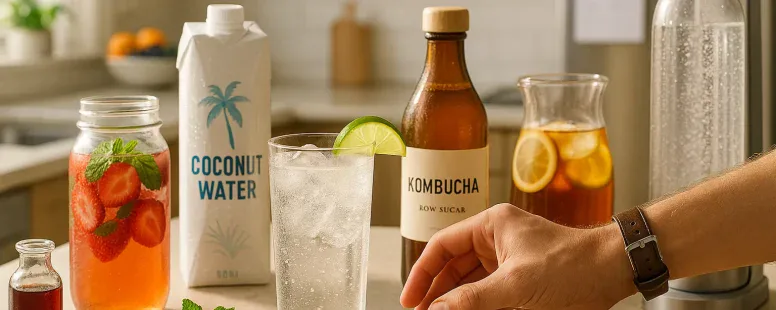
If you crave carbonation, choose sparkling water or seltzer first. If you want sweet, try lightly sweetened iced tea or fruit-infused water. Mouthfeel matters: sodas feel slick and syrupy: coconut water or kombucha feel thinner and more “alive.” Try samples. Your preference will shift as you lower sugar intake.
Nutritional Goals And Caffeine Needs
If you need caffeine, black tea and coffee provide it with antioxidants. If you aim to cut calories, unsweetened teas and sparkling water fit. If you want added electrolytes after exercise, coconut water helps but watch natural sugar content. For gut support, low-sugar fermented drinks like kombucha add probiotics: but commercial bottles vary widely in sugar, read labels.
Occasion, Convenience, And Cost Factors
Match drink to context. At your desk, brewed tea or a homemade fruit water is cheap and quick. For on-the-go, canned sparkling waters or single-serve kombucha are convenient. At parties, mocktails or shrubs make an impression. Consider upfront costs: a SodaStream or home syrup kit costs money initially but reduces per-drink price over time. Also weigh refrigeration space and shelf stability, some plant-based drinks need refrigeration even before opening.
Sparkling Water And Seltzer: Fizzy Without The Sugar
Fact: Sparkling water gives carbonation without sugar or calories. That makes it the simplest swap for soda.
Flavored Sparkling Waters Vs. Plain Seltzer
Flavored sparkling waters (LaCroix, Perrier, Topo Chico flavored lines) add natural flavors without sugar. They satisfy the taste-driven part of soda without calories. Plain seltzer gives neutral fizz you can customize. Watch out for flavored brands that add sweeteners or fruit concentrates, check labels. If you want a soda-like mouthfeel, choose higher-carbonation bottles like Topo Chico.
Mixing Tips And Mocktail Ideas
You can mimic cola or citrus sodas by mixing sparkling water with a splash of concentrated ingredients. Try 1–2 tsp of fresh lime juice, a few drops of vanilla extract, and a bitter citrus peel for a cola-ish note. For a mocktail: muddle mint and cucumber, add sparkling water and a squeeze of lime. Use ice and chilled glass to heighten the experience. If you miss sweetness, replace one tablespoon of simple syrup with 1 tsp honey to lower sugar but keep balance. Small touches like chilled glassware and carbonation level make the drink feel special, so you don’t pine for a soda ritual.
Unsweetened Iced Tea And Herbal Teas
Fact: Iced tea gives flavor, antioxidants, and optional caffeine with almost no calories when unsweetened.
Black, Green, And White Teas: Benefits And Brewing
Black tea brings bold flavor and higher caffeine: it’s the closest in robustness to cola. Green and white teas supply more catechins and a lighter mouthfeel. Brew strength matters: a strong brew, chilled quickly over ice, maintains flavor without needing sugar. Use leaves from Twinings, Tazo, or a local loose-leaf shop. For iced tea: brew double-strength, steep for the recommended time, then cool fast to limit bitterness. Add lemon or a sprig of mint for brightness.
Herbal And Rooibos Options For Caffeine-Free Flavor
Herbals like hibiscus, peppermint, and chamomile offer vivid flavors without caffeine. Hibiscus iced tea tastes tart and red like cranberry, mix it with sparkling water for a soda-like fizz. Rooibos tastes slightly sweet and full-bodied: it pairs well with vanilla or orange peel. These options are great for evening or for people who avoid caffeine, and they carry antioxidants and minerals depending on the herb.
Fruit-Infused Water, Shrubs, And Agua Fresca
Fact: Fruit-infused water gives real fruit flavor with negligible calories if you skip extra sugar.
Simple Fruit-Infused Water Recipes And Prep Tips
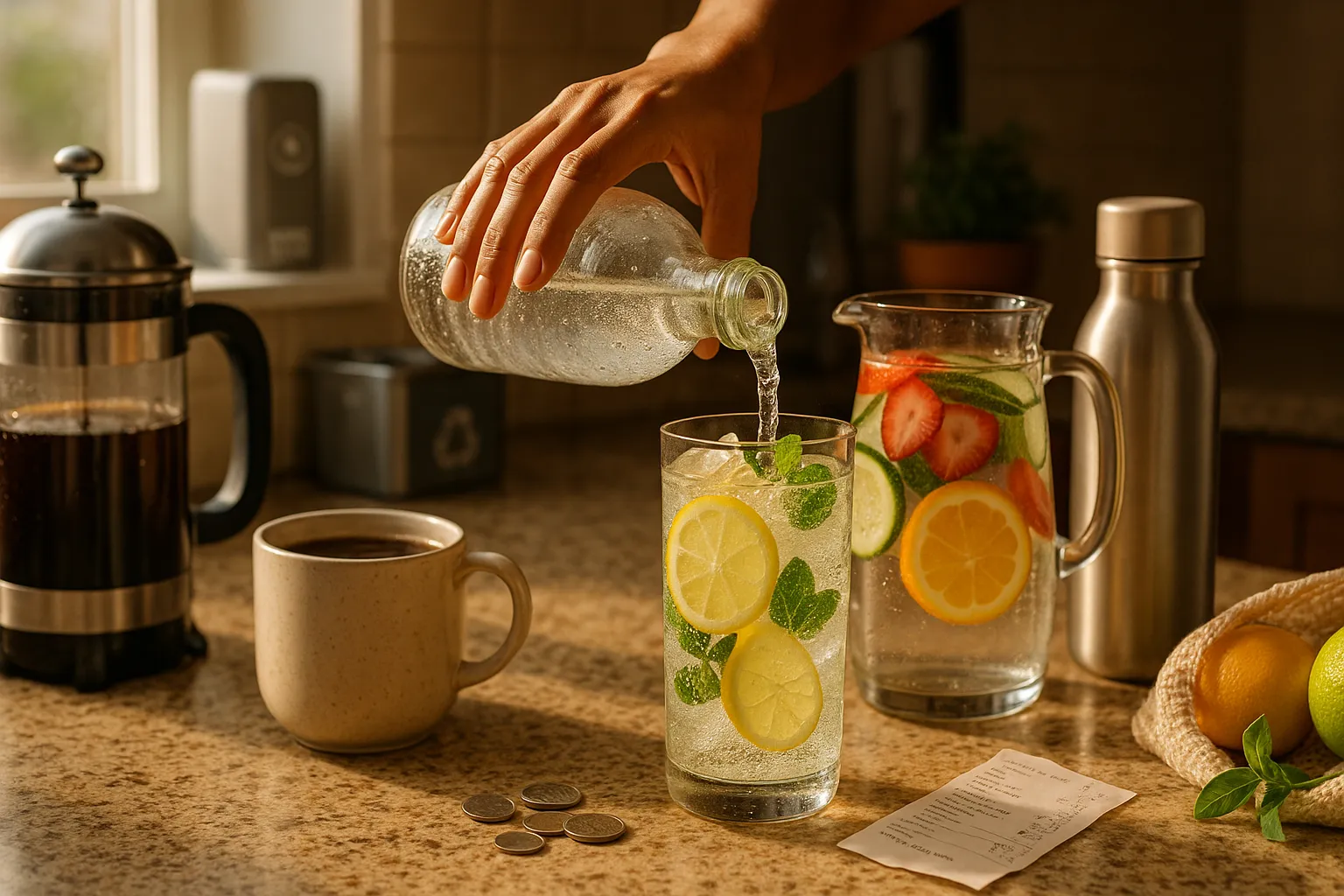
Slice citrus, berries, cucumber, or melon and steep them in cold water for 2–6 hours. Lemon-cucumber is crisp: strawberry-basil is sweet and fragrant. Use mason jars for easy prep and store in the fridge up to 48 hours. To amplify aroma, bruise herbs gently before adding. For a slightly sweet finish without refined sugar, add a small splash of orange juice or a teaspoon of agave, use sparingly.
Shrubs And Vinegar-Based Drinks: How To Make And Use Them
Fact: Shrubs are concentrated vinegar-fruit syrups that add tartness and depth. To make a basic shrub: combine equal parts chopped fruit and sugar, macerate for a day, strain, and mix fruit syrup with apple cider or wine vinegar (1:1). Let it rest 24–48 hours, then dilute with sparkling water to taste (usually 1:4 shrub to water). Shrubs give a complex, soda-like acidity and last weeks refrigerated. Use them in mocktails or with a splash of gin if you drink alcohol. They demand a bit of time but repay you with bold, layered flavor that feels grown-up and soda-adjacent.
Low- and No-Sugar Fermented And Plant-Based Drinks
Fact: Fermented drinks can offer probiotics and flavor similar to soda, but sugar content varies widely, read labels.
Kombucha And Jun: What To Expect And How To Choose
Kombucha (brands like GT’s, Health-Ade) delivers tangy, effervescent flavor and low-level carbonation. Jun is similar but made with green tea and honey: it tends to be lighter. Expect 5–10 calories per serving in low-sugar bottles: some flavored bottles have more. Choose products labeled “low sugar” or “dry” for fewer residual sugars. If you brew at home, control ferment time: longer fermentation lowers sugar but increases acidity. Watch out if you have histamine sensitivity or immune issues, fermented drinks may not suit everyone.
Coconut Water, Aloe Water, And Vegetable Juices: Pros And Cons
Coconut water supplies potassium and feels refreshing, but it has natural sugars (8–10 g per cup) so it’s not calorie-free. Aloe water offers subtle flavor and is marketed for digestion, but benefits vary by brand and formulation, some add sugar. Vegetable juices (tomato, carrot blends) give vitamins and savory flavor: they can replace soda when you crave fullness, but store-bought versions may contain sodium or added sugars. Choose 100% vegetable blends, or make fresh batches at home to control salt.
Practical Warning: If you switch to fermented or plant drinks expect initial taste shifts and sometimes mild digestive changes. Start small and watch how you feel. Also remember: no single alternative fits all occasions, mix strategies. Keep sparkling water for fizz, tea for daily caffeine, and kombucha for variety. Try a soda swap for two weeks and you’ll notice energy and taste change: your palate will adapt and you’ll not miss soda as much as you expect.
To provide the best experiences, we use technologies like cookies to store and/or access device information. Consenting to these technologies will allow us to process data such as browsing behaviour or unique IDs on this site. Not consenting or withdrawing consent, may adversely affect certain features and functions.
Functional
Always active
The technical storage or access is strictly necessary for the legitimate purpose of enabling the use of a specific service explicitly requested by the subscriber or user, or for the sole purpose of carrying out the transmission of a communication over an electronic communications network.
Preferences
The technical storage or access is necessary for the legitimate purpose of storing preferences that are not requested by the subscriber or user.
Statistics
The technical storage or access that is used exclusively for statistical purposes.The technical storage or access that is used exclusively for anonymous statistical purposes. Without a subpoena, voluntary compliance on the part of your Internet Service Provider, or additional records from a third party, information stored or retrieved for this purpose alone cannot usually be used to identify you.
Marketing
The technical storage or access is required to create user profiles to send advertising, or to track the user on a website or across several websites for similar marketing purposes.