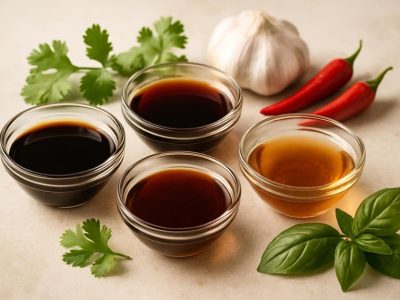
Your recipe calls for miso paste, but your pantry’s missing that umami-packed ingredient. Don’t worry—you’re not out of options. Miso paste’s rich, savory flavor might seem irreplaceable, but there are clever substitutes that can bring depth and complexity to your dish without skipping a beat.
What Is Miso Paste?
Miso paste is a traditional Japanese seasoning made by fermenting soybeans with salt and koji mold. It’s known for its umami flavor, which adds depth to soups, marinades, and dressings. Variations include white miso (mild), yellow miso (balanced), and red miso (strong).
Fermentation length determines the flavor intensity. White miso ferments briefly, creating a sweeter taste, while red miso undergoes longer fermentation for richer notes. Some types also combine grains like barley or rice.
You often find it in recipes like miso soup or ramen broth. Its complex profile results from amino acids produced during fermentation.
Why Look For A Substitute For Miso Paste?
Miso paste, while versatile and flavorful, might not always be accessible. If you’re out of stock or dealing with dietary restrictions like soy or gluten intolerance, finding an alternative is essential. Some people also avoid fermented products due to personal health reasons.
Cost can be another factor. Quality miso paste often comes at a higher price point compared to other pantry staples. If you rarely cook recipes requiring it, investing in a jar might feel unnecessary.
Culinary preferences also play a role. Not everyone enjoys the bold umami flavor that defines miso-based dishes such as ramen broths or marinades. Exploring substitutes helps you tailor recipes closer to your taste without compromising depth.
Different cuisines sometimes demand alternatives for authenticity or availability reasons. For instance, if you’re preparing non-Asian dishes but still need savory complexity, using substitutes ensures balanced flavors aligned to those cuisines’ profiles.
Understanding why substitutions matter ensures your cooking remains adaptable and inclusive even though ingredient limitations.
Common Substitutes For Miso Paste
You can replace miso paste with a variety of ingredients that replicate its umami-rich profile. These substitutes work well in soups, marinades, and dressings while accommodating dietary or availability constraints.
Soy Sauce
Soy sauce offers a salty and umami flavor similar to miso paste. It works best in liquid-based dishes like soups or sauces. Use 1 tablespoon of soy sauce for every tablespoon of miso paste required. For added depth, pair it with a pinch of sugar to mimic the subtle sweetness found in white or yellow miso.
Tamari
Tamari provides an excellent gluten-free alternative to both soy sauce and miso paste. It’s slightly thicker than soy sauce but retains a comparable saltiness and richness. Substitute tamari at an equal ratio as you would with soy sauce, particularly in Asian-inspired recipes like ramen broths or dipping sauces.
Fish Sauce
Fish sauce delivers intense umami notes akin to those found in red miso paste. Its strong aroma makes it suitable for savory dishes requiring bold flavors, such as stir-fries or hearty stews. Use sparingly—start with 1 teaspoon per tablespoon of miso paste and adjust based on taste preferences.
Tahini
Tahini’s creamy texture makes it perfect for replicating the consistency of miso paste in dressings or spreads. While tahini lacks natural umami, combining it with a dash of soy sauce enhances its flavor profile significantly. Replace 1 tablespoon of miso with 1 tablespoon of tahini mixed with ½ teaspoon soy sauce when preparing salad dressings or marinades.
Vegetable Stock
Vegetable stock serves as an accessible option for achieving mild savory notes without overwhelming saltiness. It’s ideal for soup bases where you aim to maintain lightness instead of intensity. Replace each tablespoon of miso paste by incorporating ¼ cup vegetable stock into your recipe; add salt if needed to match the original dish’s seasoning level.
How To Choose The Right Substitute
Selecting the best substitute for miso paste depends on various factors like flavor, dietary needs, and recipe requirements. Understanding these elements ensures your dish retains its intended taste and texture.
Matching Flavor Profiles
Focus on substitutes that capture miso’s umami-rich essence. Soy sauce or tamari work well for salty and savory notes, while fish sauce brings intense depth to bold recipes like ramen broth. Combine tahini with soy sauce to mimic both the creaminess and complexity of miso in dressings or marinades. If a milder option fits better, use vegetable stock to maintain balance in soups without overpowering other ingredients.
For example, replace 1 tablespoon of white miso with 2 teaspoons of soy sauce mixed with 1 teaspoon tahini in salad dressings. This pairing balances saltiness with a creamy texture similar to miso.
Considering Dietary Restrictions
Choose substitutes that align with dietary preferences or restrictions. Tamari serves as an excellent gluten-free alternative to soy-based options. Coconut aminos is another choice for those avoiding both gluten and soy but seeking a slightly sweet umami touch. For vegan dishes, avoid fish sauce by opting for mushroom stock or fermented products made from chickpeas instead of soybeans.
If you’re catering to multiple restrictions, consider combining coconut aminos (for sweetness) with mushroom powder (for savoriness). This blend enhances flavor while respecting constraints.
Evaluating Recipe Type
Match substitutes based on the dish type you’re preparing. Liquid alternatives like soy sauce suit broths and soups where they dissolve evenly into the base. Creamy options such as tahini excel in salad dressings or dips where texture matters most. Robust flavors like fish sauce complement meat-heavy dishes but might overwhelm lighter fare.
For instance, swap red miso in hearty stews with diluted tamari plus a pinch of dashi powder for richer layers without fermentation intensity dominating delicate ingredients like vegetables.
Cooking Tips When Using Miso Paste Alternatives
Adapt recipes by considering the substitute’s flavor profile. Soy sauce and tamari add a similar salty umami taste, so reduce added salt in your dish to avoid overpowering the flavors. For instance, when replacing miso in ramen broth, start with half the amount of soy sauce and adjust as needed.
Combine substitutes for complexity. Mixing tahini with soy sauce or tamari replicates both the texture and savory depth of miso. This works well in salad dressings or marinades where balance is crucial. For example, use 1 tablespoon tahini with 1 teaspoon soy sauce to replace 1 tablespoon of miso paste.
Adjust cooking methods based on the substitute’s properties. Fish sauce, being liquid and intense, requires cautious application—add it during simmering rather than at the beginning to control its strength. In contrast, vegetable stock might need longer reduction to concentrate its mild flavor.
Experiment with quantities to suit personal preferences. If you’re using coconut aminos instead of miso paste for a gluten-free option, start small due to its natural sweetness and build up gradually until achieving the desired taste.
Focus on maintaining consistency in your dishes’ textures. Substitutes like tahini offer thickness but lack fermentation; adding a dash of vinegar can mimic that tangy element found in fermented ingredients like miso.
Taste frequently throughout cooking when using alternatives since they vary widely in intensity compared to traditional miso paste. This ensures your final dish aligns closely with original expectations while accommodating ingredient changes effectively.
Conclusion
Finding a substitute for miso paste doesn’t have to be challenging. With the right alternatives, you can recreate the depth and umami that miso brings to your recipes. Whether you’re working around dietary restrictions, ingredient availability, or personal preferences, there are plenty of options to suit your needs.
Experimenting with substitutes like soy sauce, tahini, or tamari allows you to maintain flavor complexity while tailoring dishes to your taste. By adapting recipes thoughtfully and tasting as you go, you can achieve delicious results without missing out on quality or authenticity.
To provide the best experiences, we use technologies like cookies to store and/or access device information. Consenting to these technologies will allow us to process data such as browsing behaviour or unique IDs on this site. Not consenting or withdrawing consent, may adversely affect certain features and functions.
Functional
Always active
The technical storage or access is strictly necessary for the legitimate purpose of enabling the use of a specific service explicitly requested by the subscriber or user, or for the sole purpose of carrying out the transmission of a communication over an electronic communications network.
Preferences
The technical storage or access is necessary for the legitimate purpose of storing preferences that are not requested by the subscriber or user.
Statistics
The technical storage or access that is used exclusively for statistical purposes.The technical storage or access that is used exclusively for anonymous statistical purposes. Without a subpoena, voluntary compliance on the part of your Internet Service Provider, or additional records from a third party, information stored or retrieved for this purpose alone cannot usually be used to identify you.
Marketing
The technical storage or access is required to create user profiles to send advertising, or to track the user on a website or across several websites for similar marketing purposes.