Imagine a world where invisible threats lurk on every surface, waiting to disrupt your health and well-being. Whether it’s in hospitals, kitchens, or your own home, keeping these unseen dangers at bay is crucial. But how do you decide between sterilization and disinfection? While both aim to create safer environments, they operate on entirely different levels of precision and purpose.
You might think they’re interchangeable, but understanding their differences can save you time, effort, and even lives. Sterilization eliminates all forms of microbial life, offering a complete reset, while disinfection focuses on reducing harmful pathogens to safe levels. Each method has unique applications, and knowing when to use which can make all the difference in maintaining a clean, healthy space.
Understanding Sterilization
Sterilization serves as the most thorough process for eliminating all microbial life from surfaces, instruments, or environments. It disrupts the cycle of contamination by targeting bacteria, viruses, fungi, and spores.
Definition of Sterilization
Sterilization refers to the complete eradication of all microorganisms, including resistant bacterial endospores. This sets it apart from practices like disinfection, which mainly inactivates pathogenic microbes. Steam under pressure, dry heat, and chemical methods are common techniques ensuring sterility.
Methods of Sterilization
Heat Sterilization: Using autoclaves or hot air ovens, high temperatures destroy microorganisms. For example, autoclaving at 121°C for 15 minutes effectively sterilizes surgical tools.
Chemical Sterilization: Ethylene oxide gas or hydrogen peroxide vapor is common for delicate equipment. These are ideal for items like catheters and electronic medical devices.
Radiation Sterilization: Ionizing radiation like gamma rays helps sterilize disposable medical products, such as syringes and gloves. This ensures a high microbial kill rate.
Filtration: Used for liquids like IV solutions, this removes microbes without heat, preserving the fluid’s integrity.
Applications of Sterilization
Sterilization sees critical use in healthcare, pharmaceuticals, and food industries. In hospitals, instruments like scalpels, needles, and forceps undergo sterilization to prevent post-surgical infections. The pharmaceutical industry uses sterilization for product safety, particularly in manufacturing injectable medicines. In food production, sterilization ensures long-term preservation of canned goods, reducing foodborne illness risks.
By removing all forms of microbial life, sterilization minimizes contamination in high-risk environments.
Understanding Disinfection
Disinfection reduces harmful microorganisms and minimizes the risk of infection. It’s less comprehensive than sterilization but remains essential for safe environments.
Definition of Disinfection
Disinfection refers to a process that eliminates or inactivates most pathogenic microorganisms on surfaces or objects. Unlike sterilization, disinfection doesn’t destroy all microbial life, particularly bacterial spores. This method aims to curb the spread of infectious agents in settings like homes, hospitals, and public spaces.
Methods of Disinfection
Several disinfection techniques address diverse requirements.
Chemical Disinfection: Uses agents like alcohols, chlorine, hydrogen peroxide, or quaternary ammonium compounds to deactivate microorganisms.
Physical Disinfection: Includes methods such as UV light exposure and boiling, which effectively reduce microbial counts without chemical inputs.
High-Level Disinfection: Targets semi-critical devices, often using a combination of chemical and heat processes, to eliminate more resilient pathogens.
Adopting an appropriate method depends on the pathogenic risk level and environmental conditions.
Applications of Disinfection
Disinfection plays a vital role in healthcare, industries, and daily life.
Healthcare: Cleans surfaces such as hospital beds, surgical instruments, and diagnostic equipment.
Food Service: Maintains hygiene in utensils, countertops, and food-preparation zones.
Public Hygiene: Disinfects communal spaces like gyms, schools, and public transport to limit disease transmission.
Effective disinfection safeguards communities by creating environments less conducive to microbial survival.
Key Differences Between Sterilization And Disinfection
Sterilization and disinfection differ significantly in their scope and execution. To understand these processes better, you must examine their microbial targets, methods, and real-world applications.
Level of Microbial Elimination
Sterilization eliminates all forms of microbial life, including bacteria, viruses, fungi, and even highly resistant bacterial spores. In contrast, disinfection aims to reduce most harmful microorganisms to safe levels but doesn’t completely eradicate all microbes, particularly spores.
For instance, sterilization ensures surgical equipment remains absolutely clean, while disinfection is sufficient for cleaning floors or kitchen countertops. If absolute eradication of pathogens is required, sterilization is non-negotiable.
Techniques and Procedures
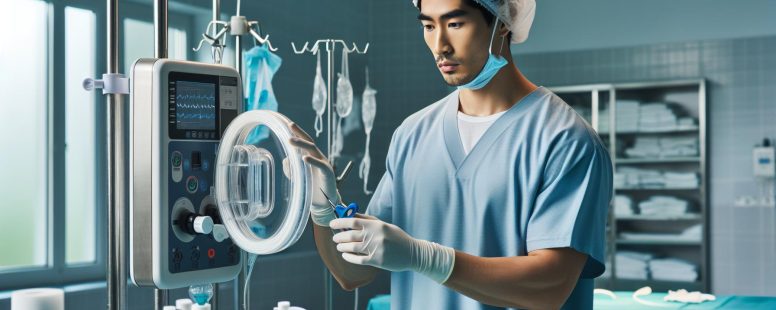
Sterilization employs advanced methods like autoclaving, chemical vapors, irradiation, or filtration. An autoclave, used in hospitals, applies pressurized steam, ensuring consistent and thorough microorganism eradication.
Disinfection, on the other hand, uses less intensive techniques. Chemical disinfectants like alcohol-based solutions or chlorine wipes are common for household cleaning. Physical disinfection methods, such as UV light or simple boiling, are examples of more accessible processes suited for daily use.
While sterilization processes are critical for medical tools, disinfection procedures like wiping with bleach are practical for public restrooms or food prep areas.
Areas of Use
Sterilization finds application in high-stakes environments, including healthcare facilities, laboratories, and the food packaging industry. Medical instruments, pharmaceutical tools, and surgical devices mandate sterilization to prevent infections and ensure safety.
Disinfection is widely used in domestic settings like kitchens and bathrooms, as well as public environments such as schools and offices. For example, disinfecting classroom desks reduces illness spread among students without requiring complex techniques.
By choosing the appropriate method for each scenario, you can effectively balance safety, cost, and practicality.
Importance of Choosing the Right Process
Applying the right process ensures effective control of microorganisms in various settings. Sterilization and disinfection are pivotal, yet selecting incorrectly may lead to insufficient microbial management or unnecessary use of resources.
Factors to Consider
Evaluate microbial load and resistance. Sterilization is essential when dealing with microbial spores, like Clostridium difficile, whereas disinfection suffices for routine cleaning, such as reducing E. coli or influenza virus levels on surfaces.
Assess the material’s compatibility. Heat-sensitive items like endoscopes benefit from chemical sterilization or high-level disinfection, while surgical instruments withstand autoclaving. Using incompatible methods damages equipment, reducing lifespan.
Consider efficiency and cost. Sterilization processes, including autoclaving, require specialized equipment and can be time-intensive. In contrast, disinfection methods, like surface sprays or boiling, are more accessible but less thorough.
Industry-Specific Needs
Healthcare settings demand stringent sterilization for environments like operating rooms to eradicate pathogens, while disinfection ensures routine safety across patient care areas like waiting rooms.
The food industry prioritizes specific processes. Sterilization is critical for sealing canned goods, eliminating botulism risks, while disinfection maintains hygiene standards in kitchens via chemical agents.
Pharmaceutical facilities rely on sterilization, such as filtration, to eliminate all microorganisms in vaccine production, whereas disinfection controls contamination on work surfaces.
Educational environments apply disinfection to sanitize commonly touched objects like desks, light switches, and shared equipment. High-risk situations, like science labs, sometimes necessitate sterilization for tools exposed to hazardous microbes.
Choosing your method based on these factors enhances both safety and resource management in diverse settings.
Conclusion
Understanding the distinction between sterilization and disinfection empowers you to make informed decisions about maintaining safety in various environments. Each method serves a unique purpose, ensuring effective microbial control based on specific needs and risks.
By choosing the right process, you can protect health, prevent contamination, and optimize resources. Whether you’re managing a healthcare facility, ensuring food safety, or maintaining hygiene at home, knowing when to sterilize or disinfect is key to creating safer spaces.
To provide the best experiences, we use technologies like cookies to store and/or access device information. Consenting to these technologies will allow us to process data such as browsing behaviour or unique IDs on this site. Not consenting or withdrawing consent, may adversely affect certain features and functions.
Functional
Always active
The technical storage or access is strictly necessary for the legitimate purpose of enabling the use of a specific service explicitly requested by the subscriber or user, or for the sole purpose of carrying out the transmission of a communication over an electronic communications network.
Preferences
The technical storage or access is necessary for the legitimate purpose of storing preferences that are not requested by the subscriber or user.
Statistics
The technical storage or access that is used exclusively for statistical purposes.The technical storage or access that is used exclusively for anonymous statistical purposes. Without a subpoena, voluntary compliance on the part of your Internet Service Provider, or additional records from a third party, information stored or retrieved for this purpose alone cannot usually be used to identify you.
Marketing
The technical storage or access is required to create user profiles to send advertising, or to track the user on a website or across several websites for similar marketing purposes.