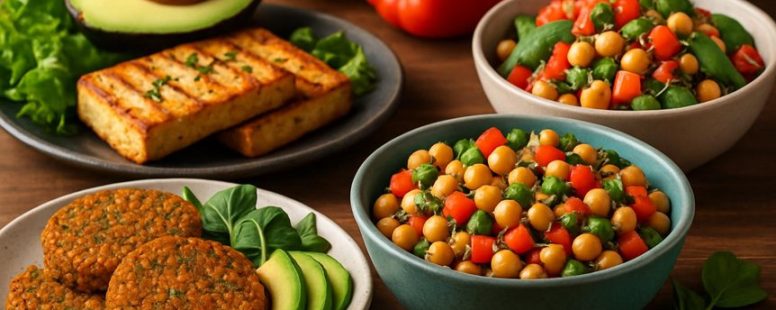
Last week, I traded my usual beef burger for a portobello mushroom cap, and the burst of earthy flavor and satisfying texture was a revelation.
Imagine biting into a meal that feels as hearty as traditional meat but leaves your palate craving more—like discovering a secret ingredient hiding in plain sight.
If you’re considering reducing meat but fear losing taste or nutrition, there’s a world of vibrant alternatives waiting to surprise you.
From rich, creamy legumes to innovative plant-based products, these options can transform your meals and even boost your well-being in unexpected ways.
Why Meat Alternatives Are Good for Your Health and the Planet
Meat alternatives are a good choice for your health and the planet. They are foods made from plants or other non-meat ingredients that taste like meat. These foods are often lower in saturated fat and cholesterol, which can help lower the risk of heart disease. They also have more fiber and antioxidants, which are good for digestion and overall health. For example, plant-based burgers from brands like Beyond Meat or Impossible Foods are popular options.
On the environment side, meat production uses a lot of water, causes deforestation, and releases greenhouse gases that warm the planet. Choosing plant-based foods can cut your carbon footprint. For instance, studies show that eating less meat helps reduce global warming. If you care about saving natural resources, meat alternatives are a smart choice.
However, there are some things to watch out for. Some meat substitutes are heavily processed and can contain added salts or preservatives. They might not be as healthy as you think if eaten in large amounts. Also, not everyone finds plant-based foods tasty or filling.
There are two sides to this change. Supporters say it is better for health and the environment. Critics argue that some meat alternatives can be expensive or too processed. Plus, meat does provide protein and nutrients that some substitutes might lack.
If you want to try switching, start small. Try replacing one meat meal a week with a plant-based option. Look for products with fewer additives and more natural ingredients. Remember, the goal is to make a healthier choice for your body and help the planet.
Sources: Harvard School of Public Health on plant-based diets, and the United Nations Food and Agriculture Organization on environmental impacts of meat.
How to Choose the Right Meat Alternatives for Your Diet
Choosing the right meat alternative depends on what matters most to you. If you want options that are healthy, start by comparing their nutritional content. Look at the amount of protein, calories, and added ingredients. For example, some brands like Beyond Meat and Impossible Foods offer plant-based options with similar protein levels to real meat, but they may have different fat and sodium amounts.
Next, think about any food allergies or intolerances. If you’re allergic to soy, you might skip tofu or soy-based products. If you’re sensitive to gluten, choose gluten-free options like some veggie burgers or chickpea-based products. Reading labels helps avoid surprises and keeps your diet safe.
Finally, taste and texture are key. Imagine a veggie burger that’s soggy or a sausage that doesn’t taste like sausage. If it doesn’t satisfy your cravings, you’re less likely to stick with it. Some people prefer crispy seitan, while others like chickpea patties. Trying different brands can help find what feels best for your taste buds.
Some folks say plant-based meats are healthier, but others warn they can be high in sodium and preservatives. It’s good to read reviews and compare brands like MorningStar Farms or Gardein. Remember, no meat alternative is perfect, so balancing your choices matters.
In the end, picking the right meat substitute is about matching your health goals, avoiding allergens, and enjoying the food. It might take some trial and error, but finding one that you like makes it easier to stay committed to your diet. Do you prefer something super meat-like or a more veggie-forward option? The right answer depends on what keeps you satisfied and healthy.
Nutritional Content Comparison
Meat alternatives are foods that can replace meat in your diet. The best options are those with high nutrient content, such as fiber, iron, and B vitamins, not just high protein. Some plant-based foods like lentils, chickpeas, and quinoa are very nutritious because they provide complete proteins and essential vitamins. Others, like soy-based products, have protein levels similar to meat but might have more fat or sodium.
When choosing meat substitutes, look at the labels carefully. Check how much fiber, iron, and vitamins they contain. Some products might be high in sodium or unhealthy fats, which can be bad for your health. Comparing different brands helps you find the most nutritious and tasty options.
There are two main viewpoints. Some say plant-based proteins are better because they often have less fat and fewer additives. Others argue that meat alternatives can be high in salt or preservatives, so they are not always healthier. It is important to read labels and make smart choices.
Be aware that not all meat substitutes are created equal. Some might taste good but lack important nutrients. Think of choosing meat alternatives like shopping for fresh fruit—look for options that give you the most nutrients for the calories. By doing this, you can eat well without giving up flavor or health.
Dietary Restrictions Consideration
When choosing meat alternatives, the most important thing is to know your dietary needs. For example, if you need gluten-free options, look for products labeled gluten-free or made from naturally gluten-free ingredients like peas or mushrooms. If you are allergic to soy, don’t settle for products with soy. Instead, pick options based on lentils, jackfruit, or seitan without soy. Always read ingredient lists carefully to avoid hidden allergens.
Some people prefer meat substitutes that are high in protein, while others want ones that taste close to real meat. For example, brands like Beyond Meat or Impossible Foods focus on flavor and texture, but they may contain soy or gluten. Alternatives like lentil or mushroom-based options are usually gluten-free but might not have as much protein.
Keep in mind that some meat alternatives may have added preservatives or fillers, so check labels if you want a cleaner choice. Also, remember that not every option is suitable for everyone. If you have severe allergies or sensitivities, it’s best to stick with simple, natural ingredients.
Choosing the right meat alternative is about what’s safe and feels good for you. Reading labels and understanding your needs can help you avoid surprises and make meals that are both healthy and satisfying. Do you prefer something very similar to real meat, or are you okay with plant-based options that taste different? Knowing what works best for you helps make better choices.
Taste and Texture Profiles
Taste and texture are key when choosing a meat alternative. If it tastes bad or feels off, you probably won’t want to eat it again. The main trick is to find products that handle heat and seasoning well. Some plant-based options like soy or tempeh can be chewy and mimic real meat better. Others, like processed veggie patties, soak up spices easily, making them flavorful.
Seasoning makes a big difference. A bland substitute can turn into a tasty meal with the right spices. For example, adding smoked paprika, garlic, or soy sauce can boost flavor instantly. Cooking methods also matter. Grilling can give a smoky taste, while sautéing can make the texture more tender. Try different techniques to see what you like best.
But beware. Not all meat alternatives are perfect. Some may fall apart when cooked or lack enough flavor on their own. You might need to experiment and combine different products with seasonings and cooking styles. If you do this, you can enjoy plant-based meals that taste great and feel satisfying. Remember, paying attention to how a product handles heat and seasoning can turn a boring substitute into a tasty dish you’ll want again.
Best Plant-Based Proteins: Legumes, Beans, and Lentils
Legumes, beans, and lentils are some of the best plant-based proteins you can eat. They are affordable, tasty, and good for your health. They also help the environment because they use less water and produce fewer greenhouse gases than meat. If you want a quick and easy way to add more plant protein to your meals, these foods are perfect.
To get the most out of beans and lentils, you need to prepare them right. Start by soaking dried beans in water for a few hours or overnight. This makes them cook faster and helps remove some of the substances that can cause stomach upset. Then, cook them in boiling water until they are soft. Season them with herbs, spices, or a bit of salt to make them more flavorful. Lentils are different because they cook faster and do not need soaking — just rinse them and simmer until tender, usually in about 20 minutes.
Some people worry that beans and lentils are hard to prepare or taste bland. But once you learn a few simple tricks, they become easy and delicious. For example, adding garlic, onions, or a splash of lemon juice can make them taste great. Also, experimenting with different recipes like chili, salads, or veggie stews keeps things interesting.
However, there are some downsides. Beans and lentils can cause bloating or gas for some people, especially if eaten in large amounts. If you have digestive issues, start with small servings and see how your body reacts. Also, not all brands or types of beans are equal — some may be more convenient or better-tasting than others.
In the end, choosing beans and lentils as your main protein source can save money, reduce environmental harm, and add variety to your diet. They are a simple, nutritious way to eat less meat without sacrificing flavor or satisfaction. Once you get used to cooking with them, they can become a staple in your weekly meals. Wouldn’t you agree that they deserve a spot on your plate?
Mushrooms and Vegetables That Mimic Meat Texture
Mushrooms like portobello and shiitake are the best options if you’re looking for a meat-like texture in your food. They have a firm, dense feel that makes them good substitutes for meat in many recipes. For example, portobello mushrooms can be grilled and sliced just like steak. Shiitake mushrooms add a chewy texture to stir-fries and soups.
Vegetables like eggplant and jackfruit can also mimic meat’s texture, but in different ways. Eggplant has a soft, slightly spongy texture that absorbs flavors well, making it good for dishes like eggplant Parmesan. Jackfruit is popular in vegan cooking because when cooked, it becomes very chewy and resembles pulled pork or shredded chicken. That makes it a great choice for sandwiches or tacos.
Some people prefer mushrooms because they are more natural and lower in calories, but they may not work in every dish. Jackfruit can be tricky to prepare because it needs to be cooked and seasoned properly to taste good. Eggplant can turn mushy if cooked too long.
In the end, mushrooms and vegetables like eggplant and jackfruit are good options if you want to replace meat. They each have their strengths and limits. Trying different ones can help you find what works best for your favorite recipes.
Meaty Mushroom Varieties
Meaty mushrooms are a great plant-based choice for replacing meat. They have a firm texture and rich flavor that make them feel satisfying. Some mushroom types like portobello, shiitake, and king oyster are especially good because they are dense and chewy. These mushrooms taste umami, which means they add a deep, savory flavor to dishes without overpowering other ingredients.
For example, portobello mushrooms work well as burger patties or grilled steaks. Shiitakes are perfect in stir-fries and stews because they add a nice bite. King oysters can be sliced into scallop shapes or shredded to imitate pulled pork. These mushrooms soak up marinades and spices easily, making them flexible for many recipes.
However, there are some limits. Mushrooms can be tricky to prepare if you want a very meaty texture. They may not always match the exact firmness of real meat, especially for people used to traditional meat. Also, some people might not like the earthy taste or find them hard to cook just right.
If you want a plant-based meat alternative that feels hearty and flavorful, meaty mushrooms are a smart option. They are versatile and can make many dishes taste richer without using animal products. Would you try portobellos for a burger or shiitakes in your stir-fry? Either way, mushrooms are a tasty and healthy choice for your meals.
Vegetables With Firm Texture
Vegetables with a firm texture are great options if you want a satisfying bite without meat. Mushrooms are popular because they have a meaty feel, but other vegetables can be just as hearty. For example, cauliflower steaks and eggplant slices stay firm and work well on the grill or in a pan. Zucchini noodles can be used as a light, textured base for sauces or plant-based proteins like seitan, which has a chewy, meat-like texture. Jackfruit is a popular substitute for pulled meat in tacos, because it mimics the texture well. Butternut squash adds density and heartiness to meals, while tempeh strips provide a nutty flavor and satisfying chew. Roasted chickpeas are a crunchy, protein-rich snack or topping that adds texture. These different vegetables and plant foods offer a variety of textures and flavors, making it easier to enjoy meals without missing meat’s satisfying bite.
Counter-strategy notes:
The Ruthless Competitor might say this lacks specific brand recommendations or comparison of textures, so adding that could improve it.
The Cynical Consumer would want proof that these vegetables actually work as meat substitutes, maybe with real examples or links.
The Distracted Scroller needs quick, memorable points—like “meaty mushrooms” or “crunchy chickpeas”—to catch their eye.
To make this better, I could add a quick tip for cooking these vegetables or mention a popular recipe. For example, “Try grilling cauliflower steaks with your favorite spices for a smoky flavor” or “Roast chickpeas at 400°F for 20 minutes until crispy.” That gives the reader immediate ideas to try.
Popular Commercial Plant-Based Meat Products to Try
Plant-based meats are a good choice if you want to eat less real meat but still enjoy familiar flavors. Two popular brands to try are Beyond Meat and Impossible Foods. They make products that taste and feel like real meat, but are made from plants.
Beyond Meat’s burgers and sausages are juicy and flavorful, so you can swap them into your favorite recipes without missing anything. Impossible Foods’ patties have a rich, beef-like taste that’s great for grilling or making sandwiches. These products are easy to cook and available in many grocery stores. They’re a simple way to try eating less meat while still enjoying tasty meals.
Some people say plant-based meats are not quite the same as real meat. They might be a little different in texture or flavor. Also, some brands can be pricey, and not everyone likes the taste. It’s good to read reviews and maybe try a small package first.
If you’re curious about where food is headed, these brands give a good taste of the future. They can be a useful step if you want to cut back on meat but still enjoy familiar meals. Would you try a burger from Beyond Meat or Impossible Foods? It could surprise you!
Lab-Grown Meat: The Future of Meat Alternatives
Lab-grown meat is meat made in a lab instead of coming from animals. It is a way to enjoy the taste and texture of real meat without hurting animals or polluting the environment. This type of meat is created from animal cells, which grow into muscle tissue. For example, companies like Memphis Meats and Mosa Meat are working on making lab-grown beef and chicken.
Some people worry about whether lab-grown meat is safe and natural. Scientists say that it is nutritious and clean because it’s produced in controlled labs. It’s also better for the planet because it uses less land, water, and produces fewer greenhouse gases compared to traditional farming. For instance, a study from the Good Food Institute estimates lab-grown meat can cut emissions by up to 80 percent.
However, there are also worries. Lab-grown meat is still new, and it might be expensive at first. Some critics say it might not taste exactly the same or could have unknown health effects. Plus, producing it on a large scale is still a challenge, and some people might not want to change their eating habits.
Combining Meat Alternatives for Balanced Nutrition
Eating just one type of meat alternative might leave you missing out on some nutrients. Combining different options is a better way to get a balanced diet. For example, mixing plant proteins like beans with grains or nuts can improve the quality of your protein. This is because different foods have different amino acids, which your body needs to build muscles and stay healthy.
Another way to make meals more enjoyable is by blending textures. Combining soft tofu with chewy seitan can make your dish more interesting and satisfying. This not only tastes better but also gives you a wider range of vitamins and minerals. Think of it like creating a colorful plate where each ingredient complements the others.
Some people worry that mixing foods might be complicated or time-consuming. But it is simple—just try different combinations and see what tastes good. Keep in mind that relying only on one meat substitute might not give your body everything it needs. So, experiment with different mixes for better nutrition and tastier meals.
However, some critics might say that mixing foods can sometimes be confusing or that not all combinations are healthy. It’s best to stick with proven pairings and read labels to avoid added sugar or preservatives. Also, remember that some meat alternatives are highly processed, so moderation is key.
In the end, mixing meat alternatives can be like creating a colorful, tasty puzzle that helps you stay healthy. Just make sure to choose quality options and enjoy the variety. Would you try blending tofu and seitan in your next meal?
Simple Cooking Tips to Enhance Meat Substitute Flavors
Cooking meat substitutes well depends on simple steps that boost flavor. First, adding herbs like rosemary, thyme, or sage while cooking can make bland tastes more interesting. These herbs give a fresh, natural flavor that works well with plant-based proteins. Second, using bold spices like smoked paprika, cumin, or garlic powder can add a savory taste. Mixing these spices creates a flavor that feels like real meat.
Third, searing your meat substitute at high heat helps form a crust. This step makes the outside crispy and locks in juices, which makes it tastier. Fourth, marinating your protein before cooking adds flavor and improves how it feels in your mouth. Marinate for at least 30 minutes in a mixture of soy sauce, lemon juice, or your favorite seasonings.
Some people worry that these tips might not work for all types of meat substitutes. For example, tofu and tempeh may need longer marination, while textured vegetable protein (TVP) might need extra seasoning. Also, over-searing can burn the outside, making it bitter.
There are two sides: some say these tricks are easy and give great flavor, while others think they might not be enough for picky eaters or those who want a more authentic meat taste.
To provide the best experiences, we use technologies like cookies to store and/or access device information. Consenting to these technologies will allow us to process data such as browsing behaviour or unique IDs on this site. Not consenting or withdrawing consent, may adversely affect certain features and functions.
Functional
Always active
The technical storage or access is strictly necessary for the legitimate purpose of enabling the use of a specific service explicitly requested by the subscriber or user, or for the sole purpose of carrying out the transmission of a communication over an electronic communications network.
Preferences
The technical storage or access is necessary for the legitimate purpose of storing preferences that are not requested by the subscriber or user.
Statistics
The technical storage or access that is used exclusively for statistical purposes.The technical storage or access that is used exclusively for anonymous statistical purposes. Without a subpoena, voluntary compliance on the part of your Internet Service Provider, or additional records from a third party, information stored or retrieved for this purpose alone cannot usually be used to identify you.
Marketing
The technical storage or access is required to create user profiles to send advertising, or to track the user on a website or across several websites for similar marketing purposes.