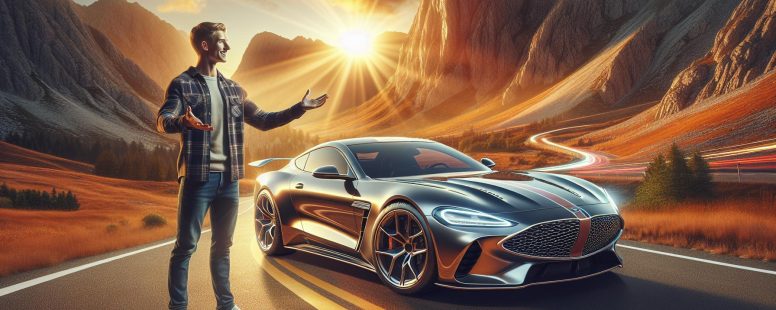
Picture yourself cruising down the highway, the hum of the engine blending with the rhythm of the road. But have you ever wondered what’s happening beneath the surface of your BMW? The choice between sDrive and xDrive isn’t just about technical jargon—it’s about how your car connects with the road and responds to your needs.
Whether you’re exploring slick city streets or tackling rugged mountain paths, understanding the difference between these two systems can elevate your driving experience. Is the precision of rear-wheel drive enough, or do you need the confidence of all-wheel drive? The answer lies in how you drive, where you drive, and what you expect from your vehicle.
By diving into the key distinctions, you’ll uncover which option aligns with your lifestyle and driving habits. Get ready to explore the mechanics and benefits that set sDrive and xDrive apart.
What Is SDrive?
SDrive represents BMW’s two-wheel-drive system, focusing on delivering an optimal rear-wheel-drive experience. It’s designed to enhance driving dynamics, particularly for those prioritizing a sportier feel.
Key Features Of SDrive
Rear-Wheel Drive Configuration: SDrive in BMWs relies exclusively on rear-wheel drive for power distribution. This setup enhances agility and offers precise handling, ideal for smooth roads and dry conditions.
Efficiency Focus: SDrive vehicles typically achieve better fuel economy compared to all-wheel-drive models, leveraging the lighter weight and reduced powertrain complexity.
Lightweight Design: Without the extra hardware required for all-wheel drive, SDrive models weigh less, contributing to improved performance and ease of handling.
For example, BMW sedans like the 3 Series with SDrive offer engaging handling dynamics suited for spirited on-road driving.
Pros And Cons Of SDrive
Pros:
Fuel Efficiency: Consumes less fuel due to reduced drivetrain components.
Precise Handling: Rear-wheel drive creates balanced weight distribution, improving control around corners.
Lower Maintenance Costs: Fewer components result in fewer service requirements.
Cons:
Limited Traction: Struggles in wet, snowy, or icy conditions due to the absence of power to the front wheels.
Reduced Versatility: Not suitable for off-road use or uneven terrains, limiting its adaptability.
SDrive excels in performance within favorable driving conditions, but it may present challenges in adverse weather scenarios where additional traction is crucial.
What Is XDrive?
XDrive is BMW’s all-wheel-drive system engineered to enhance traction and stability. It distributes power dynamically between the front and rear wheels, adapting to road conditions for improved performance.
Key Features Of XDrive
Intelligent Power Distribution: XDrive uses an electronically controlled multi-plate clutch to adjust torque between the axles. For instance, on slippery roads, it can shift more power to the wheels with better grip.
Enhanced Traction: XDrive ensures optimal control, especially during snow, rain, or off-road conditions. Unlike sDrive, it provides all-wheel drive support by default.
Integrated Stability Control: Combining with BMW’s Dynamic Stability Control (DSC), XDrive prevents oversteering and understeering during sharp turns.
Adaptability: The system continually monitors wheel speed, steering angle, and throttle to adapt power delivery seamlessly.
Pros And Cons Of XDrive
Pros:
Superior Grip: XDrive performs well on varying terrains, providing confidence in adverse weather. In icy conditions, for example, it reduces wheel slip effectively.
Improved Safety: The system enhances handling stability, minimizing skidding risks.
All-Year Usability: While sDrive is effective on dry roads, xDrive suits drivers facing seasonal changes or challenging environments.
Cons:
Added Weight: The all-wheel-drive components make vehicles heavier, which slightly affects fuel efficiency.
Higher Cost: XDrive models often include additional expenses compared to their sDrive counterparts.
Complexity: Maintenance is generally more demanding due to its sophisticated drivetrain.
If driving in regions with unpredictable weather or uneven terrains, xDrive aligns well with the need for dependable traction and safety.
Key Differences Between SDrive And XDrive
BMW’s SDrive and XDrive systems cater to different driving preferences and conditions. While SDrive highlights performance on smooth terrains, XDrive delivers enhanced traction for versatility.
Performance Comparison
SDrive focuses on rear-wheel drive dynamics, prioritizing agility and fuel efficiency. This makes it ideal for city commutes and highways with stable road conditions. For example, an SDrive-equipped BMW 3 Series delivers a sporty, responsive experience on dry pavement without sacrificing fuel economy.
XDrive excels in environments where grip is critical. With its all-wheel drive system, power distribution adjusts between front and rear wheels based on terrain. Models like the X5 with XDrive handle snow, rain, and off-road conditions with ease, ensuring consistent performance across varying surfaces.
Handling And Traction
SDrive maximizes precision in handling by powering the rear wheels. On curvy roads, it provides sharper cornering but struggles in poor traction scenarios such as wet or icy roads. Picture driving along a winding, dry mountain road—SDrive thrives here but falters when that road turns slippery.
XDrive enhances stability by distributing power to all four wheels, maintaining control in challenging conditions. If you’r exploring a snowy hillside or a rain-soaked highway, XDrive minimizes slippage and ensures superior grip. But, the added drivetrain weight and complexity might slightly affect handling sharp turns compared to SDrive.
Application And Use Cases
SDrive fits naturally into urban and suburban environments with predictable weather. It appeals to drivers seeking efficient, lightweight vehicles for optimized gas mileage. A BMW sedan with SDrive is suitable for daily commutes, offering comfortable travel on clear roads.
XDrive caters to diverse use cases, from tackling snowy winters to venturing off-road. Families in northern or mountainous regions can benefit from its enhanced traction, especially during harsh seasonal transitions. For instance, an XDrive SUV elevates safety while traversing muddy trails or icy roads, proving invaluable for versatile lifestyles.
Which One Should You Choose?
Choosing between sDrive and xDrive depends on your driving circumstances, preferences, and requirements. Each system caters to distinct situations, so understanding these variations helps you decide.
Factors To Consider
Driving Environment: Select sDrive if your commute involves mostly city roads or highways with predictable weather. This system thrives in dry, smooth terrains. On the other hand, xDrive suits areas with heavy rain, snow, or uneven surfaces where traction is paramount.
Performance Expectations: SDrive appeals to drivers aiming for sportier handling and higher fuel efficiency, as it’s lighter by design. Meanwhile, xDrive offers a sense of security and control in poor conditions, distributing power dynamically for improved grip.
Cost Implications: SDrive models typically cost less upfront and have lower maintenance expenses due to simpler mechanics. XDrive vehicles, while pricier, provide all-weather versatility that can outweigh these costs in challenging climates.
Recommendations Based On Needs
City Drivers: If you reside in urban areas with stable weather, sDrive’s efficient performance and rear-wheel dynamics enhance your driving experience. For instance, frequent commuting on paved roads optimizes its fuel-saving benefits.
Seasonal Challenges: You’d benefit from xDrive in regions experiencing snowstorms or icy roads. For example, xDrive assists with maintaining control during winter, something sDrive may struggle with under such conditions.
Adventurous Off-Roaders: If exploring unpaved trails or rough terrains is part of your routine, xDrive’s all-wheel capabilities ensure better traction and adaptability compared to sDrive.
All-Season Safety: Families or individuals in mountainous regions, often encountering various weather extremes, can rely on xDrive’s dependable grip and adaptability year-round.
When comparing sDrive and xDrive, think about your priorities—whether it’s optimized fuel efficiency or all-weather safety—while factoring in your environment and vehicle use case. Both systems excel differently but cater to specific needs effectively.
Conclusion
Choosing between sDrive and xDrive eventually comes down to your driving habits, environment, and priorities. Whether you value the sporty dynamics and efficiency of sDrive or the all-weather versatility and safety of xDrive, BMW offers a system tailored to your needs.
By understanding the strengths and limitations of each, you can confidently select the option that enhances your driving experience and aligns with your lifestyle. Your choice should reflect what matters most to you—be it performance, fuel efficiency, or reliable traction in challenging conditions.
Published: July 25, 2025 at 9:17 am by Ellie B, Site owner & Publisher
To provide the best experiences, we use technologies like cookies to store and/or access device information. Consenting to these technologies will allow us to process data such as browsing behaviour or unique IDs on this site. Not consenting or withdrawing consent, may adversely affect certain features and functions.
Functional
Always active
The technical storage or access is strictly necessary for the legitimate purpose of enabling the use of a specific service explicitly requested by the subscriber or user, or for the sole purpose of carrying out the transmission of a communication over an electronic communications network.
Preferences
The technical storage or access is necessary for the legitimate purpose of storing preferences that are not requested by the subscriber or user.
Statistics
The technical storage or access that is used exclusively for statistical purposes.The technical storage or access that is used exclusively for anonymous statistical purposes. Without a subpoena, voluntary compliance on the part of your Internet Service Provider, or additional records from a third party, information stored or retrieved for this purpose alone cannot usually be used to identify you.
Marketing
The technical storage or access is required to create user profiles to send advertising, or to track the user on a website or across several websites for similar marketing purposes.