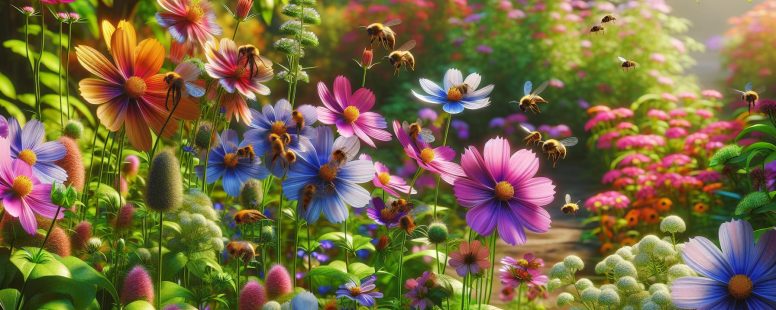
Picture a world where plants hold the secret to their survival in the delicate dance of reproduction. Every blooming flower tells a story of how it ensures its lineage, and at the heart of this tale lies pollination. But why some plants rely on themselves while others depend on external forces like wind, water, or even buzzing bees?
The difference between self-pollination and cross-pollination isn’t just botanical trivia—it’s nature’s strategy for diversity and survival. One method fosters independence, while the other embraces collaboration with the environment. Understanding these processes not only reveals fascinating plant behaviors but also highlights their impact on ecosystems and agriculture. Whether you’re a gardening enthusiast or simply curious about nature’s ingenuity, exploring these two types of pollination will leave you marveling at how life finds its way to thrive.
Understanding Pollination
Pollination is a crucial biological process enabling plants to reproduce and sustain ecosystems. It involves the transfer of pollen from one part of a flower to another, ensuring fertilization.
What Is Pollination?
Pollination refers to the movement of pollen grains from anther (male part) to stigma (female part) within flowers. This action facilitates seed formation, driving plant reproduction. While some plants self-pollinate internally, others rely on external agents like wind, water, insects, or birds.
Pollen contains male gametes that merge with female ovules during fertilization. For example, bees collecting nectar unintentionally carry pollen between flowers. Without pollination, many crops like apples and almonds wouldn’t produce fruits effectively.
Types Of Pollination
Self-Pollination
Self-pollination occurs when pollen is transferred within the same flower or between flowers on the same plant. Plants such as wheat and rice exemplify this type due to their enclosed reproductive structures. It’s efficient but limits genetic variation because offspring inherit identical traits from a single parent.
Cross-Pollination
Cross-pollination happens when pollen moves between flowers on different plants of the same species using external vectors like wind or animals. Examples include apple trees relying on honeybees for effective pollin transferation across blossoms. This method promotes genetic diversity by combining traits from two parent plants.
Self-Pollination
Self-pollination, a mechanism of plant reproduction, occurs when pollen transfers within the same flower or between flowers on the same plant. This process enables certain plants to reproduce without relying on external agents.
Definition And Process
Self-pollination involves the transfer of pollen grains from the anther to the stigma within a single flower or among flowers of one plant. It primarily happens in hermaphroditic flowers, which contain both male and female reproductive parts. Examples include rice (Oryza sativa) and wheat (Triticum aestivum), where self-pollination ensures consistent reproduction. Autogamy (within one flower) and geitonogamy (between different flowers on the same plant) are two types of self-pollination.
Advantages Of Self-Pollination
Reproductive Assurance: Plants relying on self-pollination ensure seed production even in isolated conditions or absence of pollinators.
Energy Efficiency: This method eliminates dependence on animals, wind, or water for pollination, conserving resources.
Stable Traits: Offspring inherit identical genetic makeup from parent plants; this stability benefits crops requiring uniformity like peas (Pisum sativum).
Limitations Of Self-Pollination
Genetic Uniformity: Limited variation reduces adaptability to environmental changes or pests.
Weakened Resistance: Over time, lack of genetic diversity may increase susceptibility to diseases.
Evolutionary Constraints: Reduced opportunities for introducing beneficial traits hinder long-term survival potential in dynamic ecosystems.
Cross-Pollination
Cross-pollination involves the transfer of pollen from the anther of one plant to the stigma of another plant within the same species. This process relies on external agents like wind, water, insects, or birds to ensure successful reproduction and seed formation.
Definition And Process
Cross-pollination occurs when pollen grains move between flowers on different plants belonging to the same species. External pollinators such as bees, butterflies, bats, or even wind help this transfer. For instance, a bee collects nectar while carrying pollen from its previous visit; during this process, it deposits new pollen onto another flower’s stigma. In grasses like corn and wheat that rely on wind pollination, airborne particles carry pollen over short or long distances depending on environmental factors like humidity and airflow.
Fertilization only occurs if compatible genetic material reaches the receiving flower’s ovules. Unlike self-pollination in which flowers act independently of external forces for fertilization success is dependent upon active interactions with ecosystems.
Advantages Of Cross-Pollination
Genetic Diversity: Cross-pollinated plants benefit from increased genetic variety due to mixing traits across individuals within populations resulting stronger offspring better suited adapt changing environments threats disease pests climate change shifts forest agriculture settings alike!
Improved Yields Enhanced fruit quality production capacity observed crops apples watermelon tomatoes cherries strawberries showcase benefits blending genes yield improvements markets consumers crave too ensuring sustainability profitability field industry levels respectively encourage further innovation hybrid cultivars development programs globally today tomorrow future generations continue prosper thrive evermore interconnected planet Earth shared humanity depends collective efforts preserve balance harmony natural order systems underpinning survival existence life forms present past beyond stars above below endless universe mysterious vast unexplored awaiting discovery curiosity imagination limitless potential possibilities dreams reality merge unfold infinite beauty majesty creation story eternal ongoing unfolding chapters narrative epic saga wonders miracles marvels behold amazement awe inspiration hope joy wonderment splendor light truth love peace unity!
Key Differences Between Self-Pollination And Cross-Pollination
Self-pollination and cross-pollination differ fundamentally in their mechanisms, genetic outcomes, and reliance on external agents. These distinctions shape plant reproduction strategies, influencing biodiversity and agricultural practices.
Genetic Variability
Self-pollination produces offspring with minimal genetic variation since pollen comes from the same flower or plant. This uniformity ensures consistent traits across generations but limits adaptability to changing environments. For instance, self-pollinating crops like wheat exhibit predictable characteristics but may struggle against new pests or diseases.
Cross-pollination fosters genetic diversity by combining pollen from different plants of the same species. This variability strengthens resilience against environmental threats and enhances evolutionary potential. Crops like apples thrive through this method, resulting in improved fruit quality and greater adaptability to climate shifts.
Dependency On External Agents
Self-pollination operates independently of external agents as pollen transfer occurs within a single flower or among flowers on one plant. This autonomy benefits plants growing in isolated areas where pollinators are scarce.
Cross-pollination relies heavily on external factors such as wind, insects (e.g., bees), water, or birds for effective pollen transfer. If these agents are absent due to habitat loss or environmental changes, cross-pollinating plants face challenges in reproduction—emphasizing the importance of ecosystem balance to sustain pollinator populations.
Evolutionary Impact
Self-pollinated species evolve slower due to restricted gene flow and reduced exposure to novel traits. While stability offers short-term advantages for certain crops needing uniformity (e.g., rice), it can hinder long-term survival under dynamic conditions.
Cross-pollinated species adapt faster over generations because genetic mixing introduces beneficial mutations that drive evolution. This process supports ecosystems by enabling plants like watermelons to develop resistance against emerging pathogens while maintaining ecological harmony essential for sustainability.
Practical Applications In Agriculture And Gardening
Self-pollination and cross-pollination play essential roles in optimizing crop production and garden management. You can harness self-pollination for crops requiring consistency, like wheat, rice, or barley. These plants ensure uniform traits, making them ideal for large-scale monoculture farming where predictability is crucial.
Cross-pollination enhances genetic diversity, which benefits fruits and vegetables such as apples, cucumbers, and pumpkins. By attracting pollinators like bees or butterflies to your garden using flowering plants or maintaining natural habitats nearby, you boost yield quality and quantity. For instance, higher biodiversity in orchards often results in larger fruit sizes and improved taste profiles.
Hybridization through controlled cross-pollination revolutionizes agriculture by developing disease-resistant or high-yield varieties of staple crops including maize and tomatoes. If you’re growing hybrid seeds commercially or at home, isolating parent plants prevents unintended pollination that could compromise desired traits.
Urban gardeners practicing vertical gardening can leverage self-pollinating species like tomatoes to maximize limited spaces without relying on external agents. Meanwhile, agroforestry systems combining trees with annual crops encourage natural cross-pollination processes that sustain ecosystem health while supporting food production goals.
Understanding these methods allows you to tailor strategies based on specific agricultural objectives—whether maximizing uniformity for economic efficiency or enhancing genetic resilience against environmental changes.
Conclusion
Understanding the differences between self-pollination and cross-pollination offers valuable insights into plant reproduction and its impact on ecosystems and agriculture. Each method plays a unique role in supporting plant survival, genetic diversity, and adaptability.
By recognizing these processes, you can make informed decisions about gardening, farming, or conservation efforts. Whether you’re looking to maximize crop yields or promote biodiversity, appreciating the intricacies of pollination helps you contribute to a more sustainable and thriving environment.
To provide the best experiences, we use technologies like cookies to store and/or access device information. Consenting to these technologies will allow us to process data such as browsing behaviour or unique IDs on this site. Not consenting or withdrawing consent, may adversely affect certain features and functions.
Functional
Always active
The technical storage or access is strictly necessary for the legitimate purpose of enabling the use of a specific service explicitly requested by the subscriber or user, or for the sole purpose of carrying out the transmission of a communication over an electronic communications network.
Preferences
The technical storage or access is necessary for the legitimate purpose of storing preferences that are not requested by the subscriber or user.
Statistics
The technical storage or access that is used exclusively for statistical purposes.The technical storage or access that is used exclusively for anonymous statistical purposes. Without a subpoena, voluntary compliance on the part of your Internet Service Provider, or additional records from a third party, information stored or retrieved for this purpose alone cannot usually be used to identify you.
Marketing
The technical storage or access is required to create user profiles to send advertising, or to track the user on a website or across several websites for similar marketing purposes.