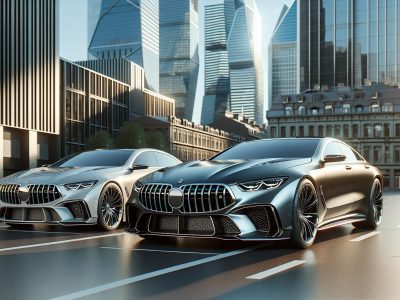
Choosing between the BMW X1 and X2 can feel like standing at a crossroads, each path promising luxury, performance, and style. Both models boast BMW’s signature craftsmanship, but their personalities couldn’t be more distinct. The X1 leans into practicality with its spacious design and versatility, while the X2 dares to break convention with its sporty silhouette and bold attitude.
Picture yourself behind the wheel—do you crave the adventure-ready comfort of an SUV or the sleek edge of a coupe-inspired crossover? These two vehicles cater to different lifestyles yet share the same DNA of precision engineering. Whether you’re drawn to functionality or flair, understanding their unique features will help you make an informed choice.
Dive deeper into what sets these siblings apart and discover which one aligns perfectly with your needs. After all, choosing your next car isn’t just about driving; it’s about defining how you move through life.
Overview Of BMW X1 And X2
The BMW X1 and X2 belong to the brand’s Sports Activity Vehicle (SAV) lineup, offering distinct experiences for different preferences. Both models share a platform and powertrain options, yet they cater to unique lifestyles.
The BMW X1 focuses on practicality. It provides generous interior space with a cargo capacity of 27.1 cubic feet behind the rear seats, making it suitable for families or those needing extra storage. Its boxier design enhances headroom and visibility, appealing to individuals prioritizing versatility.
On the other hand, the BMW X2 emphasizes style and performance. With its coupe-like silhouette and sporty proportions, it’s designed for drivers who value aesthetics and agility over maximum utility. The lower roofline sacrifices some rear-seat headroom but contributes to its sleek appearance.
Both models feature advanced technology like iDrive infotainment systems and optional all-wheel drive (xDrive). But, the driving dynamics differ; while the X1 delivers comfort-oriented handling, the X2 leans toward sportier responsiveness on winding roads.
Choosing between these SAVs depends on your priorities—whether you need functional space or prefer bold styling combined with dynamic driving characteristics.
Design And Exterior Features
BMW X1 and X2 exhibit distinct design philosophies tailored to different preferences. Both models reflect BMW’s signature style but cater to unique tastes through their form and features.
Styling Differences
The BMW X1 emphasizes practicality with its boxy silhouette, upright stance, and larger windows. These elements enhance visibility and create a commanding road presence. Its traditional SAV (Sports Activity Vehicle) look appeals to those valuing functionality over flair.
On the other hand, the BMW X2 adopts a coupe-inspired aesthetic with a sloping roofline, streamlined contours, and aggressive front grilles. This sporty design highlights agility while projecting boldness. But, rear-seat headroom is slightly compromised due to the lower roofline—an important consideration if you frequently accommodate taller passengers.
Both models include adaptive LED headlights as standard in recent trims, but the X2 often incorporates more dynamic styling accents like contrasting colors on specific trims (e.g., M Sport). Consider how these visual elements align with your personal preference for either classic or contemporary designs.
Dimensions And Size Comparison
The BMW X1 is marginally larger than the X2 in several key dimensions:
Specification
BMW X1
BMW X2
Length
177.2 inches
172.2 inches
Width
72.6 inches
71.8 inches
Height
64.6 inches
60.1 inches
Wheelbase
106 inches
105.1 inches
These differences translate into practical advantages for the X1, such as increased cargo space (27.1 cubic feet vs. approximately 21 cubic feet in the X2). The extra height benefits passengers by providing better headroom in both rows.
The compact proportions of the BMW X2 prioritize maneuverability and sportiness instead of maximizing interior volume—making it suitable for urban environments or drivers favoring agile handling characteristics over spaciousness.
Interior And Comfort
The BMW X1 and X2 both offer premium interiors, but their designs cater to different preferences. While the X1 focuses on maximizing space and practicality, the X2 emphasizes sporty aesthetics with a driver-centric layout.
Cabin Space
The X1 provides more headroom and legroom due to its boxier design. Rear passengers benefit from generous space, making it suitable for families or longer journeys. For example, taller adults can sit comfortably in the back seats without feeling cramped.
The X2 sacrifices some rear-seat headroom because of its sloping roofline. Its cabin feels cozier but less accommodating for taller passengers in the rear. But, if you prioritize style over utility, this trade-off may suit your needs better.
Features And Technology
Both models come equipped with modern features like BMW’s iDrive infotainment system and standard Apple CarPlay compatibility. The 10.25-inch touchscreen available on higher trims offers intuitive controls and crisp graphics.
In terms of customization options, the X1 includes practical touches like larger storage compartments and ergonomic seat adjustments tailored for comfort during long drives. By contrast, the X2 leans into sporty elements such as bold interior trims and optional M Sport seats that enhance support during spirited driving.
Advanced safety features like adaptive cruise control and lane-keeping assist are available in both models but often require additional packages depending on trim levels. For instance, parking assistant systems make maneuvering easier in tight urban spaces—a feature particularly useful given the X2’s agile nature.
Performance And Engine Options
Both the BMW X1 and X2 share impressive engineering, with subtle distinctions in performance tailored to their unique personalities. This section examines their engine specifications and driving dynamics.
Engine Specifications
The BMW X1 and X2 feature similar engine options, leveraging a 2.0-liter TwinPower Turbo inline-4 engine producing 241 horsepower and 295 lb-ft of torque. This configuration ensures robust power delivery for urban commutes or highway cruising. Both models use an advanced 8-speed automatic transmission that balances efficiency with responsiveness.
Fuel efficiency is comparable between the two, averaging around 25 mpg combined for front-wheel drive (sDrive) variants and slightly lower for all-wheel drive (xDrive) versions. If you opt for xDrive, both models enhance traction in adverse conditions without compromising too much on mileage.
While the shared powertrain delivers consistent performance, the tuning varies slightly to reflect each model’s character. The X1 prioritizes smoothness, ideal for everyday practicality. The X2’s setup feels sportier, aligning with its bolder design ethos.
Driving Dynamics
Driving dynamics differentiate these two SAVs more distinctly even though sharing a platform. The BMW X1 offers a composed ride quality designed for comfort-oriented handling over long journeys or family trips. Its suspension absorbs road imperfections effectively while maintaining stability at higher speeds.
On the other hand, the BMW X2 emphasizes agility with sharper steering responses and firmer suspension settings that accentuate cornering precision. Though this sporty tuning may result in a stiffer ride on uneven roads compared to the X1, it enhances engagement during spirited drives or navigating tight city streets.
Both vehicles include optional adaptive suspensions that let you tailor driving modes for varying preferences—comfort mode optimizes daily usability while sport mode sharpens throttle response and steering feedback dynamically.
Eventually your choice depends on whether you value relaxed cruising or an exhilarating connection to the road when comparing these compact luxury SAVs’ driving experiences.
Price And Value
The BMW X1 and X2 differ in pricing due to their distinct positioning within the lineup. While both are luxury compact SAVs, their unique attributes influence costs differently.
Base Pricing
The starting price for the 2024 BMW X1 is approximately $39,100, making it more accessible for those prioritizing practicality and space. In contrast, the BMW X2 starts at around $42,000 due to its sportier design and premium styling elements. The difference reflects the X2’s focus on aesthetics and dynamic appeal over utility.
For example, if you value a budget-friendly option with ample cargo capacity (27.1 cubic feet), the X1 provides excellent value at a lower entry point. But, choosing the X2 means investing in a coupe-like silhouette and bold exterior accents that cater to enthusiasts of striking designs.
Included Features
Both models share advanced features like BMW’s iDrive infotainment system with Apple CarPlay and Android Auto compatibility. Standard safety technologies include lane departure warning and automatic emergency braking in both vehicles.
But, the base trims highlight subtle differences. The X1 includes standard synthetic leather upholstery and an 8-way power driver’s seat aimed at maximizing comfort for daily use or longer trips. Meanwhile, the sport-focused X2 comes equipped with SensaTec upholstery but adds unique interior highlights such as ambient lighting options tailored toward enhancing its athletic ambiance.
In optional packages, you’ll find further distinctions; for instance—while panoramic sunroofs are available for both—the M Sport Package exclusive to the X2 amplifies its performance-oriented looks with aerodynamic enhancements not offered on comparable trims of the practical-oriented X1.
Which Is Right For You?
Deciding between the BMW X1 and X2 depends on your priorities. If practicality is paramount, the X1 offers more cargo space (27.1 cubic feet) and passenger comfort, with its upright design providing enhanced headroom and visibility. Families or individuals needing versatility for daily commutes or road trips might find the X1 better suited to their lifestyle.
On the other hand, the X2 appeals to those seeking a sporty, stylish vehicle with dynamic handling. Its coupe-like silhouette and firmer suspension create a bold driving experience but sacrifice some interior space, especially in rear-seat headroom. Urban drivers who value agility and prefer standout aesthetics may gravitate towards this model.
Budget considerations also play a role. The 2024 BMW X1 starts at around $39,100, while the sportier X2 begins at approximately $42,000. If affordability aligns with functionality in your decision-making process, the X1 delivers excellent value without compromising key features like advanced safety systems or iDrive technology.
Reflect on how you use your vehicle daily—are spacious interiors critical for family needs? Or does an engaging driving demeanor resonate more with your preferences? Comparing these aspects can help pinpoint which SAV truly aligns with your lifestyle demands.
Conclusion
Choosing between the BMW X1 and X2 comes down to what matters most to you. If practicality, spaciousness, and everyday comfort fit your lifestyle, the X1 is a reliable choice. On the other hand, if bold design, sporty performance, and urban agility are more your style, the X2 delivers on all fronts.
Both models offer advanced technology and safety features that enhance driving experiences while catering to distinct preferences. By considering how you plan to use your vehicle and which features align with your priorities, you’ll be able to select the BMW SAV that perfectly complements your needs.
To provide the best experiences, we use technologies like cookies to store and/or access device information. Consenting to these technologies will allow us to process data such as browsing behaviour or unique IDs on this site. Not consenting or withdrawing consent, may adversely affect certain features and functions.
Functional
Always active
The technical storage or access is strictly necessary for the legitimate purpose of enabling the use of a specific service explicitly requested by the subscriber or user, or for the sole purpose of carrying out the transmission of a communication over an electronic communications network.
Preferences
The technical storage or access is necessary for the legitimate purpose of storing preferences that are not requested by the subscriber or user.
Statistics
The technical storage or access that is used exclusively for statistical purposes.The technical storage or access that is used exclusively for anonymous statistical purposes. Without a subpoena, voluntary compliance on the part of your Internet Service Provider, or additional records from a third party, information stored or retrieved for this purpose alone cannot usually be used to identify you.
Marketing
The technical storage or access is required to create user profiles to send advertising, or to track the user on a website or across several websites for similar marketing purposes.