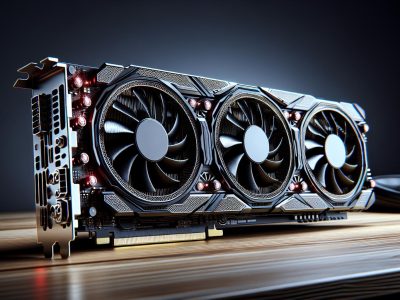
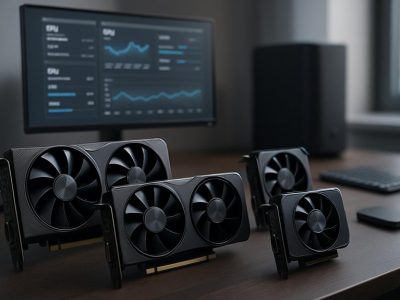
Imagine diving into a virtual world where every shadow dances with lifelike precision, and every light source paints a vivid masterpiece across your screen. This is the area of NVIDIA’s RTX series, a game-changer in graphics technology. But what sets it apart from the well-loved GTX series? As you navigate the complex world of graphics cards, understanding the differences between RTX and GTX can feel like deciphering a digital enigma.
RTX cards bring ray tracing and AI-driven enhancements to the forefront, promising an immersive experience that pushes the boundaries of what’s visually possible. In contrast, the GTX series, known for its robust performance and affordability, has been a staple for gamers and creators alike. By exploring these distinctions, you’ll uncover which series aligns with your needs, whether you’re crafting digital art or battling foes in a high-stakes game. Ready to unlock the mysteries of RTX vs. GTX? Let’s immerse.
Overview of Nvidia Graphics Cards
Nvidia has been a dominant force in the graphics card industry. It offers a wide range of options to suit different needs. The GTX series, known for its high performance without bleeding-edge features, has been a favorite among gamers due to its balance of cost and capability. Models such as the GTX 1660 Ti provide solid gaming experiences without very costly.
RTX cards bring advanced technology like ray tracing and AI enhancements. For instance, the RTX 3060 enables real-time ray tracing, making visuals more realistic in supported games. These features give creators tools to produce more detailed art and animations.
Choosing between GTX and RTX depends on your priorities: GTX appeals for budget-conscious users while RTX fits those seeking maximum visual fidelity. Understanding these distinctions helps you decide the best fit for your computing tasks. Given Nvidia’s innovations, these cards keep evolving to meet growing demands.
Key Features of GTX Series
The GTX series offers a well-rounded performance tailored for gamers and creators who value cost-effectiveness. These cards emphasize reliable performance without the latest, cutting-edge features.
Performance Capabilities
GTX graphics cards deliver strong performance, particularly for gaming at 1080p and 1440p resolutions. Unlike RTX cards which focus on advanced visual effects, GTX models excel in delivering high frame rates in most mainstream games. For instance, the GTX 1660 Ti achieves excellent results in titles like Fortnite, offering gamers an immersive experience without very costly. Benchmark tests display consistent performance across various applications, making the GTX series a stable choice for users prioritizing value.
Power Efficiency
GTX cards are designed with energy efficiency in mind, requiring less power compared to their RTX counterparts. This efficiency is crucial for systems where power supply or cooling capacity is limited. The GTX 1650, for example, consumes significantly less power while still providing reliable performance, making it a solid option for gaming laptops and compact desktops. This focus on efficiency reduces electricity costs for users, and often improves the lifespan of the hardware components.
Popular Models
Several models within the GTX line have gained popularity due to their balance of performance and affordability. The GTX 1060, launched as part of the 10-series, became one of the best-selling cards for mid-range gaming due to its impressive capabilities and price point. More recently, the GTX 1660 Super continues this trend by offering enhancements like faster memory. These popular options illustrate the GTX series’ appeal, providing trusted performance and accessible prices. This reputation makes these models attractive choices for both gamers and content creators alike.
Key Features of RTX Series
NVIDIA’s RTX series brings cutting-edge graphics technology to the forefront, enhancing realism and performance. Offering unique features like ray tracing and AI-driven capabilities, RTX cards transform gaming and content creation experiences.
Ray Tracing Technology
Ray tracing simulates real-time light behavior, creating lifelike shadows and reflections. This results in more immersive visuals in supported games. For instance, while playing a game like “Cyberpunk 2077,” you’ll notice stunning lighting that reflects off surfaces realistically, heightening the gaming experience. Ray tracing differs significantly from traditional rendering methods by calculating each light path individually, allowing for unparalleled visual depth.
DLSS and AI Enhancements
DLSS (Deep Learning Super Sampling) boosts performance using machine learning. It analyzes lower resolution frames and upscales them to higher resolutions, improving frame rates without sacrificing quality. This technology proves crucial in demanding games like “Control,” where you might see an FPS jump while maintaining visual fidelity. AI-driven enhancements elevate RTX cards beyond mere graphical upgrades, offering tools and optimizations that result in smooth, detailed imagery in every frame.
Popular Models
RTX series presents various models catering to different needs. The RTX 3060 balances affordability and performance, making it a favorite among gamers seeking advanced features at a reasonable cost. On the other hand, the RTX 3080 provides high-end performance, ideal for enthusiasts who demand maximum capabilities and graphical fidelity. As NVIDIA continuously innovates, newer models deliver enhanced features, ensuring scalability across different gaming and creative applications.
Performance Comparison
Understanding the performance differences between RTX and GTX series can guide you in selecting the best graphics card for your needs. Both series deliver unique advantages in various applications.
Gaming Benchmarks
RTX series excels in advanced gaming scenarios with an emphasis on visual fidelity. It enables real-time ray tracing, which creates realistic lighting effects in games like “Cyberpunk 2077.” GTX cards, such as the GTX 1660 Ti, though powerful, don’t support these features but deliver high frame rates in mainstream titles like “Fortnite.” But, if you’re seeking smooth gameplay at 1440p resolution, GTX models still provide a strong option without advanced visual effects.
Professional Applications
For professional tasks such as video editing or 3D rendering, RTX cards offer significant benefits. They integrate AI-driven technologies like DLSS for better performance at higher resolutions, crucial for intensive applications. Creators using RTX 3080 can experience improved rendering speeds and detailed visuals. GTX series remains relevant with models like GTX 1060 offering adequate performance for less demanding tasks, making them suitable for budget-conscious professionals.
Cost Effectiveness
When evaluating cost effectiveness, GTX models generally hold an edge. They balance affordability with strong performance. The GTX 1660 Super, for instance, attracts gamers and creators on a budget. But, those investing in RTX cards, like the RTX 3060, gain access to cutting-edge technology. If budget is a primary concern, GTX serves as a practical choice. On the other hand, prioritizing graphical excellence might lead you to consider an RTX purchase.
Technological Advancements and Innovations
NVIDIA’s RTX series introduces cutting-edge technology, significantly expanding the capabilities of graphics cards over the previous GTX models.
Ray Tracing Impact
RTX cards enhance graphics with real-time ray tracing, simulating light behavior for lifelike visuals. This innovation creates realistic shadows and reflections, transforming gaming environments. For instance, in “Cyberpunk 2077,” ray tracing adds depth and detail, making neon-lit streets more immersive. By contrast, GTX models lack this capability, focusing instead on performance and energy efficiency.
AI and Machine Learning Contributions
The RTX series leverages AI with DLSS (Deep Learning Super Sampling), upscaling frame resolution to boost game performance. Games like “Control” benefit from smoother gameplay without sacrificing visual quality. GTX cards, while competent, don’t offer this advanced technology, limiting their edge. RTX’s integration of AI-driven software provides substantial improvements for gamers seeking the highest standard of graphic realism.
User Experience and Suitability
Choosing between GTX and RTX graphics cards affects your overall experience in gaming and creative work. Each series caters to different needs, impacting performance and satisfaction.
Gaming Enthusiasts
GTX cards offer a great balance of performance and price, making them a strong choice for casual gamers. Experience high frame rates in popular games like Fortnite at 1080p or 1440p with options like the GTX 1660 Ti. GTX cards are energy-efficient, suitable for setups with limited power.
RTX cards, on the other hand, transform the gaming experience with advanced features like ray tracing and DLSS. Delivering stunning graphics in demanding titles such as Cyberpunk 2077, RTX cards are ideal for gamers seeking the latest technology and superior visual realism. If enhanced graphics fidelity and future-proofing are priorities, RTX is a compelling option, albeit at a higher cost.
Creative Professionals
For creative work, RTX cards stand out with their cutting-edge AI-driven technologies. Features like ray tracing accelerate rendering times in 3D development, offering artists more detail and realism in visualizations. The RTX series, with models like the RTX 3060, provides a boost in productivity across applications like video editing and game design.
GTX models serve well for basic creative tasks, being more affordable. They’re perfect for users focusing on moderate photo editing or standard video production. But, they’re not capable of the advanced functions required by intensive design software, as seen in RTX cards, which handle such demands seamlessly.
When deciding based on user experience and suitability, consider the specific needs of your gaming or creative tasks. GTX cards ensure excellent performance and affordability for mainstream use, whereas RTX cards push the bounds of innovation, offering significant visual advancements for enthusiasts and professionals alike.
Conclusion
Understanding the differences between NVIDIA’s RTX and GTX series is crucial for making the right choice based on your needs and priorities. If you’re a gamer or creator seeking cutting-edge technology and immersive visuals, the RTX series offers advanced features like ray tracing and DLSS. On the other hand, if you’re looking for reliable performance and cost-effectiveness, GTX cards provide a solid option for mainstream gaming and basic creative tasks. By considering your specific requirements and budget, you can select a graphics card that enhances your gaming or creative experience effectively.
To provide the best experiences, we use technologies like cookies to store and/or access device information. Consenting to these technologies will allow us to process data such as browsing behaviour or unique IDs on this site. Not consenting or withdrawing consent, may adversely affect certain features and functions.
Functional
Always active
The technical storage or access is strictly necessary for the legitimate purpose of enabling the use of a specific service explicitly requested by the subscriber or user, or for the sole purpose of carrying out the transmission of a communication over an electronic communications network.
Preferences
The technical storage or access is necessary for the legitimate purpose of storing preferences that are not requested by the subscriber or user.
Statistics
The technical storage or access that is used exclusively for statistical purposes.The technical storage or access that is used exclusively for anonymous statistical purposes. Without a subpoena, voluntary compliance on the part of your Internet Service Provider, or additional records from a third party, information stored or retrieved for this purpose alone cannot usually be used to identify you.
Marketing
The technical storage or access is required to create user profiles to send advertising, or to track the user on a website or across several websites for similar marketing purposes.