Deciding on the perfect material for your countertops can transform your kitchen or bathroom into a space of both aesthetic appeal and functional reliability. Among the leading options, quartz and granite stand out as popular choices, each boasting unique characteristics. To help you make an well-informed choice, we investigate into a comprehensive comparison between these premium materials.
Introduction to Quartz and Granite Countertops
Introduction to Quartz and Granite Countertops
Countertops are a focal point of interior spaces, blending functionality with design. Quartz and granite, two commonly chosen materials, offer distinct benefits and aesthetics. Grasping the difference between these two allows you to align their features with your lifestyle needs.
Understanding Quartz Countertops
Understanding Quartz Countertops
Quartz countertops, a popular engineered stone option, have gained prominence due to their durability and design versatility.
What Are Quartz Countertops Made Of?
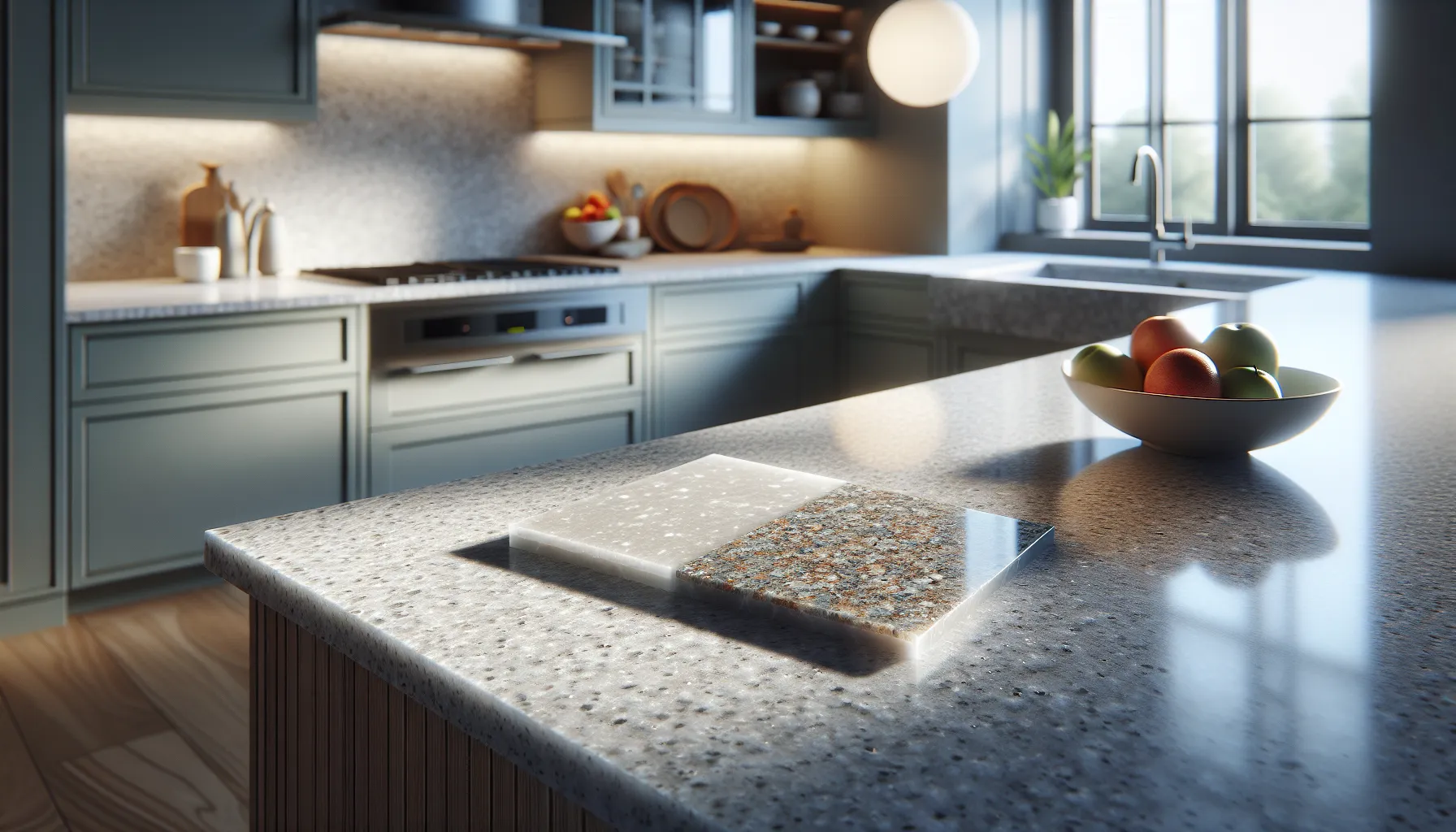
Quartz countertops are created by combining natural quartz crystals with resins and pigments. This composition results in a non-porous, robust surface with uniform patterns.
Advantages of Quartz Countertops
Quartz countertops provide several advantages, such as low maintenance due to their non-porous nature, which resists stains. They are available in a wide range of colors and patterns, often mimicking natural stones.
Limitations of Quartz Countertops
But, quartz countertops can be susceptible to heat damage since high temperatures can disrupt the resin bond. Also, they may lack the natural variation found in authentic stone materials like granite.
Understanding Granite Countertops
Understanding Granite Countertops
Granite countertops are a sought-after choice for those preferring authentic, natural materials.
What Are Granite Countertops Made Of?
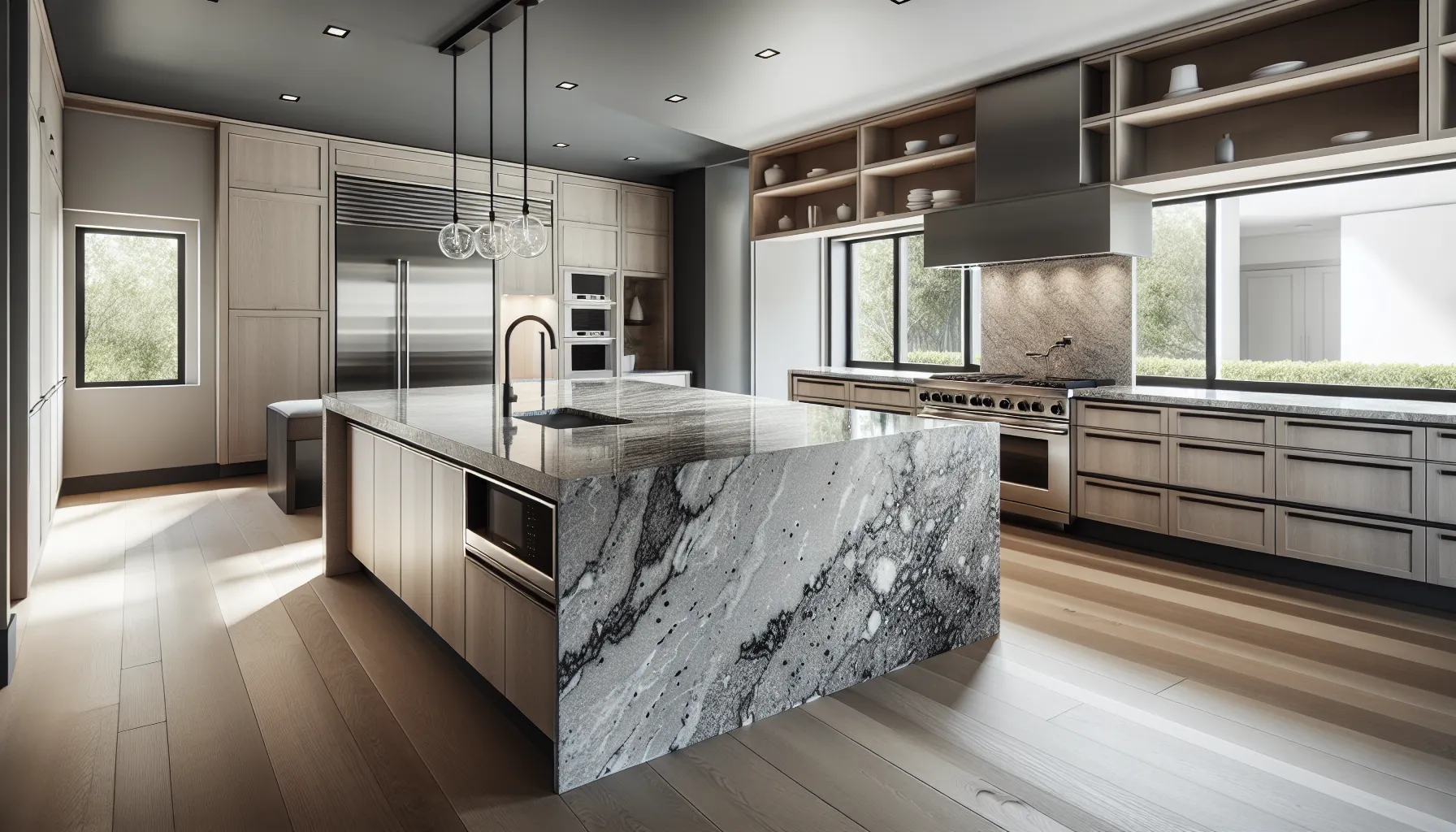
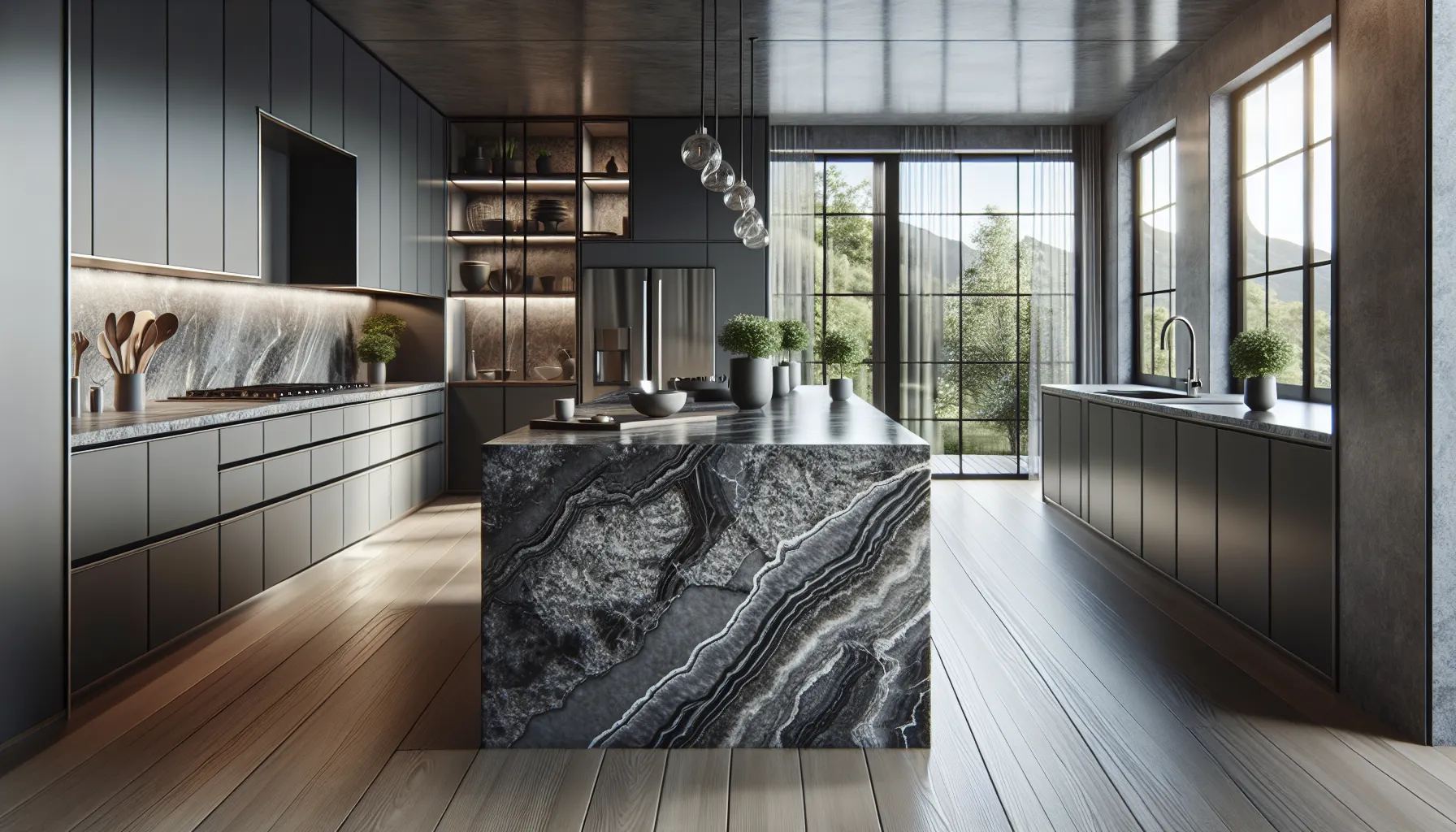
Granite countertops are crafted from natural stone, cut directly from quarries, and polished into smooth slabs. Each slab features unique veining, ensuring one-of-a-kind appearance.
Advantages of Granite Countertops
Granite countertops are heat-resistant and durable, making them ideal for active kitchens. The natural variations in colors and patterns enhance their visual appeal.
Limitations of Granite Countertops
Granite countertops require periodic sealing to maintain their resistance to stains and avoid moisture penetration. Their heavy weight may require extra structural support during installation.
Key Differences Between Quartz and Granite
Key Differences Between Quartz and Granite
When comparing quartz and granite, understanding their distinctions is key to making the right choice.
Appearance and Aesthetics
While quartz offers consistent patterns and colors, granite showcases natural variations unique to each slab.
Durability and Maintenance
Quartz demands less maintenance thanks to its non-porous nature, while granite, although more robust against heat, needs periodic sealing.
Environmental Impact
The production of quartz involves synthetic processes, whereas granite is directly mined, which may appeal to proponents of natural materials.
Cost Comparisons
Quartz and granite are comparably priced, with variations dependent on design complexity and slab quality.
Which Countertop is Right for You?
Which Countertop is Right for You?
Your choice between quartz and granite depends on factors like budget, design preferences, and maintenance expectations. Consider your household’s habits and long-term aesthetic goals when deciding.
To provide the best experiences, we use technologies like cookies to store and/or access device information. Consenting to these technologies will allow us to process data such as browsing behaviour or unique IDs on this site. Not consenting or withdrawing consent, may adversely affect certain features and functions.
Functional
Always active
The technical storage or access is strictly necessary for the legitimate purpose of enabling the use of a specific service explicitly requested by the subscriber or user, or for the sole purpose of carrying out the transmission of a communication over an electronic communications network.
Preferences
The technical storage or access is necessary for the legitimate purpose of storing preferences that are not requested by the subscriber or user.
Statistics
The technical storage or access that is used exclusively for statistical purposes.The technical storage or access that is used exclusively for anonymous statistical purposes. Without a subpoena, voluntary compliance on the part of your Internet Service Provider, or additional records from a third party, information stored or retrieved for this purpose alone cannot usually be used to identify you.
Marketing
The technical storage or access is required to create user profiles to send advertising, or to track the user on a website or across several websites for similar marketing purposes.