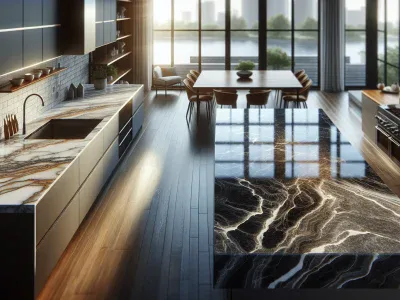
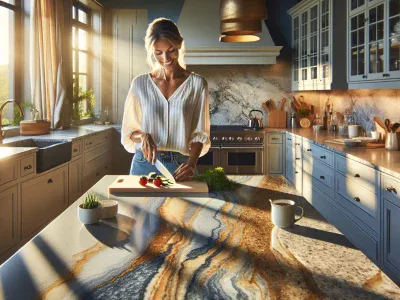
Your countertops do more than just hold your morning coffee—they set the tone for your entire kitchen or bathroom. choosing between granite and quartz, the decision isn’t as simple as picking a color or pattern. These two popular materials each bring their own unique charm, durability, and practicality to the table, making the choice both exciting and challenging.
Picture running your hand over the cool, natural texture of granite or admiring the sleek, low-maintenance surface of quartz. Both options promise beauty and functionality, but they cater to different needs and lifestyles. Whether you’re drawn to timeless elegance or modern efficiency, understanding what sets these materials apart can help you create a space that feels uniquely yours. So which is better—granite’s raw allure or quartz’s refined perfection? Let’s explore what truly makes each one shine.
Granite Vs Quartz: An Overview
Granite and quartz stand out as popular countertop materials, each with distinct characteristics. Granite is a natural stone formed from cooled molten rock, featuring unique patterns and color variations that make every slab one-of-a-kind. In contrast, quartz is engineered using crushed quartz particles combined with resin, resulting in a consistent appearance and a non-porous surface.
Granite excels in heat resistance due to its natural composition. You can place hot pots directly on it without worrying about damage. But, it’s porous nature requires periodic sealing to prevent staining from liquids like wine or oil. Quartz offers superior stain resistance since it’s non-porous but isn’t as heat-tolerant; direct contact with high temperatures could cause discoloration or cracking.
Durability also differs between the two materials. Granite resists scratches effectively but may chip if struck forcefully at edges or corners. Quartz has higher tensile strength, resisting chips more reliably while maintaining scratch resistance comparable to granite.
In terms of maintenance, granite demands more effort because of its need for resealing every 1-2 years. Cleaning involves mild soap and water to avoid weakening the sealant layer over time. For quartz countertops, maintenance is simpler—you just wipe spills with a damp cloth since no sealing is necessary.
Both options offer diverse aesthetic choices suitable for various interior styles. With granite’s natural beauty appealing to those seeking organic textures and color shifts (e.g., veining), quartz provides uniformity that’s ideal for modern or minimalist designs where symmetry matters most.
Price-wise, granite typically falls within a similar range as mid-to-high-end quartz products depending on rarity or custom cuts required during installation processes—but costs can vary regionally based on sourcing logistics and demand factors impacting availability locally.
Appearance And Aesthetics
Granite and quartz offer distinct visual appeals suited for different interior styles. Your choice can influence the overall ambiance of your space.
Natural Look Of Granite
Granite provides an organic, one-of-a-kind appearance due to its natural formation. Each slab carries unique veining, mineral flecks, and color variations that can’t be replicated. These features make granite ideal if you value authenticity in design. For example, a black-and-white speckled granite countertop complements rustic or traditional kitchens with wooden cabinetry.
Natural imperfections in granite add depth but might not suit minimalist decor styles. Its earthy tones often pair well with warm lighting setups or outdoor-inspired themes. But, noticeable seams between slabs may affect the uniformity of larger installations.
Sleek Design Of Quartz
Quartz delivers a polished, contemporary aesthetic with consistent patterns and colors. As an engineered stone, it offers designs ranging from solid shades to marble-like textures without natural flaws. This consistency makes it perfect for modern kitchens or bathrooms prioritizing clean lines and symmetry.
Bold hues like bright white or deep gray quartz create striking focal points against neutral backdrops. Engineered pigments allow customization beyond what’s possible with granite’s limited palette range. Though visually seamless in smaller spaces, large countertops may reveal slight joint marks upon close inspection.
Durability And Strength
Granite and quartz both offer impressive durability, making them popular choices for countertops. Their strength ensures long-term functionality in high-traffic areas like kitchens and bathrooms. But, their performance differs under specific conditions.
Resistance To Scratches And Chips
Granite resists scratches effectively due to its natural hardness, ranking 6-7 on the Mohs scale. For example, cutting directly on a granite surface rarely leaves marks but may dull your knives over time. But, it’s more prone to chipping if heavy objects are dropped on its edges or corners because of its crystalline structure.
Quartz also resists scratches comparably well since it’s engineered with about 90% ground quartz combined with resin binders. This composition makes it less likely to chip than granite as it offers enhanced impact resistance. Even so, dragging abrasive materials across quartz could potentially cause minor surface damage over extended use.
Longevity In Everyday Use
Granite withstands wear and tear exceptionally well when properly sealed. Its heat resistance protects against hot pots or pans being placed directly on the surface without causing burns or discoloration—a feature valued by avid cooks. Yet improper maintenance—like neglecting resealing—may lead to staining from spills such as red wine or oil.
Quartz provides consistent longevity in daily settings due to its non-porous nature, which prevents liquids from seeping into the material. So, stains are virtually nonexistent even after years of exposure to coffee spills or juice splashes. Quartz’s resin content makes it sensitive to prolonged high temperatures above 150°F; using trivets is essential for preserving its integrity.
Both materials excel in durability yet cater differently based on lifestyle preferences and usage habits within your home environment.
Maintenance And Care
Granite and quartz require different approaches to maintenance due to their unique compositions. Understanding these care routines helps you choose the material that aligns with your lifestyle.
Cleaning Granite
Granite, a porous natural stone, demands regular cleaning to preserve its appearance and prevent stains. Use a pH-neutral cleaner or mild dish soap with warm water for daily upkeep. Abrasive scrubbers or acidic cleaners can damage the sealant layer and dull the surface over time.
To address spills, wipe them immediately—especially liquids like wine, coffee, or oil—to avoid absorption into the stone’s pores. Resealing granite every 12-18 months enhances stain resistance and prolongs durability. If neglected, unsealed granite may develop discoloration in high-use areas such as kitchen countertops.
Caring For Quartz
Quartz is non-porous due to its engineered structure of crushed stone and resin binders, making it highly resistant to stains. Cleaning only requires a soft cloth or sponge with a gentle cleanser; harsh chemicals aren’t necessary but won’t harm the surface either.
Unlike granite, quartz doesn’t need sealing but remains sensitive to prolonged exposure to direct sunlight or heat above 150°F (65°C). Using trivets under hot pans prevents potential thermal damage. Practicing basic hygiene keeps quartz surfaces looking polished without frequent maintenance effort on your part.
Cost Comparison
Granite and quartz vary in price depending on factors like quality, installation, and region. Understanding their cost range helps you make an informed choice for your budget.
Price Range Of Granite
Granite typically costs $40 to $100 per square foot, including installation. High-end granite with rare patterns or colors can reach up to $200 per square foot. Prices depend on slab size, edge profiles, and regional availability. For example, exotic blue or red granite slabs often carry a premium due to their rarity.
If you live far from a quarry location producing specific types of granite, transportation costs may increase the overall expense. Standard finishes like polished surfaces are more affordable compared to honed or leathered textures that require additional processing.
Price Range Of Quartz
Quartz prices generally range between $50 and $120 per square foot with professional installation included. Premium brands or custom designs can go beyond $150 per square foot. Unlike granite, quartz pricing is consistent because it’s engineered rather than quarried .
Custom edge treatments or integrated sinks add extra costs but enhance functionality and design appeal. Quartz’s non-porous nature eliminates sealing expenses over time—an advantage that balances its upfront cost compared to natural stone options like granite.
Environmental Impact
Granite and quartz countertops affect the environment differently through their sourcing, manufacturing processes, and overall sustainability. Considering these factors helps you make an eco-conscious choice.
Sustainability Of Granite
Granite is a natural stone extracted through quarrying, which impacts ecosystems due to habitat disruption and energy-intensive methods. Transportation of granite slabs from quarries, often overseas, adds to its carbon footprint. But, it’s highly durable and recyclable; repurposing old granite reduces waste.
For example, reclaimed granite can be used for outdoor landscaping or as flooring material. If sourced locally, it minimizes transportation emissions. Some suppliers now adopt environmentally responsible quarrying practices to reduce ecological harm.
Eco-Friendly Features Of Quartz
Quartz is engineered using crushed quartz crystals mixed with resin binders and pigments. Manufacturing requires high energy consumption but generates less raw material waste compared to granite extraction. Its non-porous nature eliminates the need for chemical sealants that can release VOCs (volatile organic compounds).
Many quartz brands incorporate recycled materials like glass or pre-consumer industrial byproducts into production. Companies such as Caesarstone or Silestone offer products certified by organizations like GREENGUARD for low chemical emissions. This makes quartz an appealing choice if you’re prioritizing indoor air quality alongside sustainability considerations.
Conclusion
Choosing between granite and quartz eventually comes down to your personal preferences, lifestyle, and priorities. Both materials offer unique advantages that can elevate the look and functionality of your space. Whether you’re drawn to granite’s natural elegance or quartz’s modern versatility, either option can serve as a durable and stylish centerpiece in your home.
By weighing factors like maintenance, durability, cost, and environmental impact, you’ll be better equipped to make an well-informed choice. Take the time to assess what matters most to you, ensuring that your countertop choice aligns with both your aesthetic vision and practical needs.
To provide the best experiences, we use technologies like cookies to store and/or access device information. Consenting to these technologies will allow us to process data such as browsing behaviour or unique IDs on this site. Not consenting or withdrawing consent, may adversely affect certain features and functions.
Functional
Always active
The technical storage or access is strictly necessary for the legitimate purpose of enabling the use of a specific service explicitly requested by the subscriber or user, or for the sole purpose of carrying out the transmission of a communication over an electronic communications network.
Preferences
The technical storage or access is necessary for the legitimate purpose of storing preferences that are not requested by the subscriber or user.
Statistics
The technical storage or access that is used exclusively for statistical purposes.The technical storage or access that is used exclusively for anonymous statistical purposes. Without a subpoena, voluntary compliance on the part of your Internet Service Provider, or additional records from a third party, information stored or retrieved for this purpose alone cannot usually be used to identify you.
Marketing
The technical storage or access is required to create user profiles to send advertising, or to track the user on a website or across several websites for similar marketing purposes.