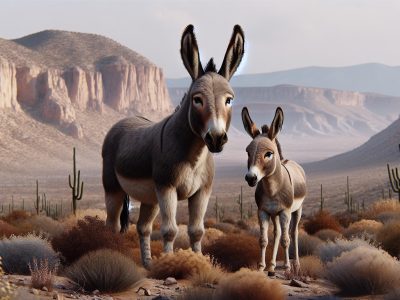
Picture yourself wandering through a sun-dappled meadow where sturdy ponies graze alongside sleek horses. You pause, captivated by their differences—the compact strength of one, the graceful height of the other. Yet beneath the surface, there’s far more that sets them apart than just size. why a pony’s spirit feels so distinct or how their personalities can charm even the most seasoned rider? Understanding these differences can open doors to new adventures and unexpected benefits, from discovering the ideal companion for young riders to unlocking hidden talents in training and care. Immerse and see how unraveling the mystery between ponies and horses might just change the way you see these remarkable animals forever.
Understanding the Basics: What Are Horses and Ponies?
When you look at a horse grazing in a field next to a small, sturdy pony, you might wonder—are they the same species? Both horses and ponies belong to the species Equus ferus caballus, yet you’ll find big differences shaped by genetics and centuries of selective breeding. Height acts as the main distinction: a pony stands at 14.2 hands (58 inches) or less at the withers, while a horse stands taller, typically ranging from the sleek Arabian’s 15 hands to the towering Shire’s 18 hands or more (The Horse, 2023).
Ponies aren’t just small horses. Their bodies show compact frames, short legs, dense manes, and thick tails, traits that origin from adaptation to harsh climates. For example, Shetland Ponies have survived wind-swept Scottish islands with powerful stamina and a coat so wooly it almost seems more like a sheep’s. Horses, on the other hand, often display leaner legs and longer necks, designed for speed and agility on open plains. Thoroughbreds, iconic in racing, show this build beautifully.
If you have ever tried riding both, their temperament differences may surprise you. Ponies, describe as clever and sometimes stubborn, have powered work like pulling carts or teaching generations of children to ride. Did you ever hear about Misty of Chincoteague? This legendary pony endured storms and inspired books, often outsmarting adults and delighting young riders. Horses, in contrast, can be spirited yet more eager to please, which trainers favor for their predictable nature during competition.
Genetic makeup even impacts how each metabolizes food. Ponies efficiently use sparse forage, thriving on rough pastures that might leave a horse looking gaunt. This hardiness means less effort for owners but also risk for obesity-related disorders (Pony Club UK, 2021).
As you wander through a barn, listen to riders swapping stories—some claim ponies plan escape routes with a fox-like cunning, while others say horses bond deeper, nuzzling their humans after a long ride. Which truth appeals to you more: the challenge of a spirited pony or the partnership of a loyal horse?
The real world blurs the lines more than charts suggest. If you meet a Haflinger or a Fjord, you’ll find uniqueness escapes easy labels. So, as you picture ponies and horses from wild prairies to children’s birthday parties, consider not just height but heritage, personality, and the stories these animals carry with them every step.
Key Physical Differences Between Ponies and Horses
Compare ponies and horses and you’ll immediately notice physical differences beyond height—form, features, and even the feel of their manes. These distinctions have roots in evolution and domestication, shaping how you interact with each animal.
Size and Height
Ponies and horses split in stature, with ponies standing at 14.2 hands (58 inches) or less at the withers and horses measuring above this line. For example, a Shetland Pony rarely grows taller than 10 hands, while a Thoroughbred usually exceeds 16 hands. Breed standards, not just tape measures, help determine if your companion’s a pony or a horse.
Body Structure and Proportions
Ponies carry compact, muscular frames with deep chests, short legs, and thick necks—adaptations that help them thrive in challenging climates. Horses have longer legs, leaner builds, and finer bone structures, suited to speed and agility in open terrain. Welsh Ponies handle rocky slopes with ease, while Arabian horses excel on the endurance race track. This variance in limb-to-torso ratio can influence the animal’s comfort and performance under saddle.
Coat, Mane, and Tail Characteristics
Ponies boast dense double coats, especially in winter, giving them an advantage in cold environments; for instance, Icelandic Ponies grow thick, water-resistant hair. Their manes and tails are full and bushy, which makes grooming a daily task. Horses, like many found in warmer regions, show sleeker coats and finer manes—think of the silky strands of an Andalusian or the smooth tail of a Quarter Horse. The difference in hair texture is not just tactile, but it marks adaptation to different climates.
If you look at the next equine, you might question—is it a pony or a horse? Answers live not just in height, but in every strand of hair, clipping hoof, and the lines of muscle under the skin.
Temperament and Behavior Distinctions
Ponies and horses don’t just look different—they act different, too. These temperament traits often shape yours daily interactions, care routines, and training outcomes.
General Disposition
Ponies typically have reputation for cleverness and independence. You’ll notice ponies like Shetlands or Welsh Ponies outsmart handlers by opening gates or finding treats—quick minds making boredom their enemy. In contrast, many horses, especially breeds like the American Quarter Horse or Thoroughbred, display gentler and more compliant behaviors in work settings. This isn’t a rigid rule—some ponies form deep bonds with humans, while some horses shows streaks of willfulness. Did you ever try to change a pony’s mind once it’s made up? Ponies outstubborn people, even outplot horses, showing intelligence in every nudge or sidelong glance.
Question your assumptions each time you engage with an equine—does size predict spirit? A 500-pound pony might drive a stronger bargain during grooming than a 1,000-pound horse grazing quietly beside you.
Trainability and Work Ethic
Ponies often takes longer to train because their intelligence fuels independent thinking. Trainers, like those at the United States Pony Club, report that ponies regularly test boundaries in lessons, creating a need for inventive approaches and patience. You’ll sometimes see ponies pretending not to notice new commands, only to execute them perfectly when a carrot appears.
Horses, especially those bred for athleticism and companionship, like Warmbloods or Arabians, typically learn faster and work harder to please you. Equestrian competitors often select horses for disciplines requiring consistent repetition, such as dressage or eventing, because of this eagerness. Still, motivation isn’t universal: some Thoroughbreds spook easily or lose focus, while some Connemara ponies persist in work far beyond expectations.
When exploring new training techniques, ask yourself—is your equine dodging work due to cleverness, confusion, or simple stubbornness? Sometimes, knowing the difference between a pony and a horse comes down to reading their eyes during the quiet moments between tasks.
Temperament Trait
Ponies (Examples: Shetland, Welsh)
Horses (Examples: Quarter Horse, Arabian)
Disposition
Independent, clever, sometimes stubborn
Gentle, eager, sometimes willful
Trainability
Inventive, tests boundaries, slower to train
Responsive, learns quickly, task-oriented
Work Ethic
Selective engagement, persistent with incentives
Consistent effort, tends to please handler
Explore their personalities as you build your connection. The magic lives in these differences, transforming each ride or grooming session into a new story waiting to be discovered.
Lifespan, Health, and Care Requirements
Stepping into the stable of equine longevity, you’ll notice ponies and horses writing different life stories with each hoofbeat. Ponies often outpace horses in years lived—many Shetland ponies, for instance, frolic past age 30, while typical riding horses, like Thoroughbreds or Quarter Horses, reach late teens or early twenties. It feels a bit like comparing a wise old oak to a fast-growing willow; the oak stands strong for decades, while the willow sways earlier in the winds of time. What would you picture caring for an animal whose childhood lasts almost as long as a family dog’s whole life?
Ponies aren’t just living longer; they’re also expert survivors, forged by tough landscapes and erratic weather. Metabolism morphs into their shield—small ponies in cold climates, such as the Highland Pony, evolved to extract the last morsel of nutrition from sparse forage, sometimes even thriving on what would leaves a bigger horse lean. This iron-willed thriftiness means ponies can tip toward obesity and metabolic issues, like equine Cushing’s disease or laminitis, far more so than the leaner Thoroughbred or Arabian. You ever wonder why a kid’s plump Shetland might only eat a few handfuls of hay while a lanky Warmblood mows down whole bales? It’s genetics at work.
Care routines speak volumes about their different needs. Horses, built for speed and open plains, demand calories and varied nutrition, such as beet pulp, grain mixes, and high-energy feeds—especially if you’re training for competitive sport. You might find your gelding sipping electrolyte mash after summer rides, while in the next paddock, a stocky Welsh or Hackney pony plods past with just pasture and a mineral lick. Some owners marvel at the simplicity: ponies need less, but that restraint is their health’s greatest friend.
Health challenges craft another forked path. Horses’ elegant frames are susceptible to joint disorders like osteoarthritis or navicular disease, especially as years pass and athletic careers stretch their limits (see, American Association of Equine Practitioners). Ponies, tough as old boots, dodge many of these but may fall to founder if sugar-rich grass grows unchecked. You’ll find old ponies still teaching riders the ropes at age 28, a living archive of barn stories, while horses bow out gently earlier, their athleticism traded for quiet pastures.
Ask yourself: which calls to you more—the aching wisdom of the old pony, always a step ahead in the field, or the electric presence of a horse that’s born to fly? Both lives, entwined with your own, reflect how care, environment, and fashioning by history define not just their health, but the very heartbeats they share with you.
Common Uses and Roles of Ponies vs Horses
Spotting a pony at a country fair, pulling an old-fashioned cart loaded with bright flowers—now, there’s a snapshot of rural tradition that still tugs at your heart. Ponies take center stage in children’s riding lessons, where their size and nimble spirit makes them ideal first mounts. The Shetland Pony, for example, pops up in local parades, while Welsh Ponies dominate show rings, trotting with flash and cunning. In therapy programs, smaller equines like ponies meet children at eye level, fostering confidence. It’d be hard to find a seasoned horseman who hasn’t seen a clever little pony finding a way to raid the feed room.
Switch scenes to a wide green field; a Thoroughbred thunders by, hooves pounding the earth like drumbeats—speed and stamina incarnate. Horses, with their height and lean strength, carry riders across vast landscapes, eyes fixed on distant horizons. Thoroughbreds, Standardbreds, and Arabians headline in racing circuits, their names echo through betting halls and family rooms alike. Quarter Horses launch themselves from the gate in rodeo arenas, chasing barrels with a flash of muscle and dust; Friesians command dressage stages with dark, flowing manes, impressing both judges and onlookers. Mounted police patrol bustling city streets from horseback, finding elevation in a sea of people.
You see ponies shining in endurance tasks: Gypsy Vanner ponies, for instance, haul carts for hours over rugged terrain—sometimes the task looks outsized for an animal so compact, yet industry reports (American Driving Society, 2022) show their strength exceeds 1.5x body weight. Ponies also appear as hardy helpers in mountainous mining operations, where full-sized horses would be cumbersome.
Picture deciding—do you pick the crafty pony known for winning your child’s trust, or the powerful horse bred to leap daunting fences? Some trainers claim ponies challenge your patience with cleverness, while others argue horses reward skill and partnership with dazzling performance (British Horse Society, 2023).
Both equines serve as living metaphors in our language—“workhorse” evokes relentless utility, while “stubborn as a pony” speaks to intelligent resolve. Where do you see yourself—in the quick-witted, sure-footed world of ponies, or the thrilling, boundless domain of horses? Their roles may intertwine, but their distinct natures invite you to redefine what adventure, partnership, and tradition can mean.
Species
Common Roles
Notable Examples
Strengths
Ponies
Children’s lessons, driving
Shetland, Welsh, Gypsy Vanner
Hardiness, intelligence, approachability
Horses
Riding, racing, police work
Thoroughbred, Quarter Horse, Friesian
Speed, stamina, versatility
Questioning the future, might you help shape new traditions by mixing the wisdom of ponies with the elegance of horses? The next chapter’s yours—just pick the right companion for the journey.
Conclusion
When you look beyond the basics you’ll discover that both ponies and horses offer something truly special. Whether you’re drawn to a pony’s resilience or a horse’s grace your choice can shape unforgettable experiences and lasting connections.
Let your curiosity guide you as you explore their world. By embracing what makes each unique you’ll find new ways to enjoy their company and maybe even start your own traditions with these remarkable animals.
To provide the best experiences, we use technologies like cookies to store and/or access device information. Consenting to these technologies will allow us to process data such as browsing behaviour or unique IDs on this site. Not consenting or withdrawing consent, may adversely affect certain features and functions.
Functional
Always active
The technical storage or access is strictly necessary for the legitimate purpose of enabling the use of a specific service explicitly requested by the subscriber or user, or for the sole purpose of carrying out the transmission of a communication over an electronic communications network.
Preferences
The technical storage or access is necessary for the legitimate purpose of storing preferences that are not requested by the subscriber or user.
Statistics
The technical storage or access that is used exclusively for statistical purposes.The technical storage or access that is used exclusively for anonymous statistical purposes. Without a subpoena, voluntary compliance on the part of your Internet Service Provider, or additional records from a third party, information stored or retrieved for this purpose alone cannot usually be used to identify you.
Marketing
The technical storage or access is required to create user profiles to send advertising, or to track the user on a website or across several websites for similar marketing purposes.