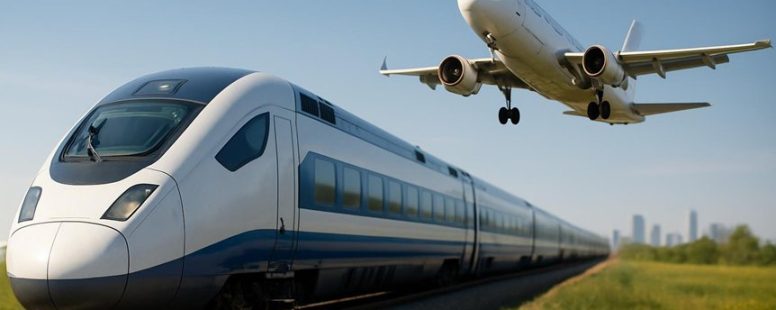
The gentle hum of a train car feels like a sanctuary of calm amid the chaos of airports and runways. As I plan a hectic day, I wonder—do I crave the steady rhythm of the rails or the swift rush of a plane?
The decision isn’t just about speed; it’s about comfort, scenery, and what your senses crave in the moment. Surprisingly, choosing the train can offer a quiet oasis where you arrive refreshed, ready to conquer your day.
Sometimes, the best travel choice is the one that slows you down just enough to see the journey itself.
Decide Fast or Flexible: How to Choose Train vs Plane for a Busy Day
When you have a busy day, choosing between a train and a plane depends on what matters most: time, flexibility, or comfort. Here are simple steps to help you decide quickly.
First, if you want predictability, a train is often the best choice. Trains usually run on set schedules, and delays are rare. You can read a book, work on your laptop, or just relax during the ride. For example, traveling from New York to Boston by Amtrak often takes around four hours and stays on schedule. You stay with your bag, and there’s less worry about baggage limits.
Second, if speed is your priority, flying might be better. Planes can get you to your destination faster, especially over long distances. But remember, airports add extra time. You need to arrive early for security checks, and boarding can take a while. For instance, a flight from Dallas to Los Angeles takes about three hours, but airport security and boarding can add two more hours.
Think about baggage too. Trains generally make it easier to load and keep your bag with you. On planes, baggage limits and transfers can be tricky. If you have a lot of luggage, a train may save you the hassle.
Before you book, check if your travel insurance covers delays or cancellations. Both trains and planes can have delays, and it’s good to be protected.
Finally, match your choice to your schedule and comfort level. Want to stay flexible? Trains might be better. Need to save time? Planes could work better. Just be aware that both options have their pros and cons, so pick what works for your day.
Speed and Scheduling: Which Mode Gets You There on Time
Speed is a key factor when choosing how to travel. If getting there fast matters most, planes usually beat trains for long trips. They can get you from city to city quickly, especially if you pick direct flights. But trains can be surprisingly reliable with their schedules, often having fewer delays than you might expect. This makes them a good option if you want to avoid last-minute surprises.
Here are some simple facts to help you decide:
Planes are fastest overall for non-stop routes from point A to point B. Still, weather problems or long security lines at airports can slow you down. For example, a flight from New York to Chicago takes about two hours, but delays happen sometimes.
Trains run on regular schedules and usually don’t change gates, so you can plan better. If you’re worried about missing a train, you’ll find it easier to stick with the timing.
Cost and safety also matter. Plane tickets can be more expensive, and travel insurance might be needed if delays happen. For short trips, trains might save money and offer a more predictable experience.
When you pick a route, check how long the trip really takes, how often the service runs, and what protections are in place if delays happen. Comparing these details helps you choose the best way to reach your destination on time.
Comfort and Rest: Seats, Quiet, and Break Opportunities
Comfort and rest are just as important as speed when traveling. Seats that fit well can make a long trip much easier. For example, a good seat with adjustable headrests and lumbar support helps keep your back comfortable. When I ride trains, I notice how the shape of the seat affects my posture and how tired I feel after hours of travel. On planes, I miss the gentle sway and the chance to stretch my legs. Having breaks during the trip can help prevent stiffness and fatigue. Look for options with quiet cabins and enough space to move around easily.
In-plane entertainment can be a good way to pass the time or a distraction if the volume is too loud or the content is not interesting. Train systems usually have steadier lighting and fewer sudden movements, which can help you relax. If you prefer cars or trains, plan to take regular breaks to stretch and walk around. When choosing your seat, think about how easy it is to change your position and how quiet the environment stays.
Access and Hubs: Arrivals, Security, and Getting In and Out
Access and hubs at airports are key to how smooth your trip feels once you land or head to the airport. Here’s what to know about how access affects speed, stress, and options.
First, arriving early makes a big difference. Getting to the airport with enough time allows you to use ticket kiosks and drop your bags without rushing. This helps avoid long lines and confusion, especially during busy times. For example, some airports like Atlanta Hartsfield-Jackson are busy, so arriving early can save you from stress.
Second, security lines are less stressful when they are predictable and well-staffed. Clear signs and enough security agents keep things moving smoothly. If you’ve ever waited in a long, slow line at Los Angeles International Airport, you know how frustrating it can be. But airports like Dallas Fort Worth are known for quick and organized security checks.
Third, getting out of the airport into the city or to your next destination depends on baggage handling, shuttle services, and clear signs for exits. If your baggage is delayed or shuttles are full, your trip can feel rushed or stressful. Sometimes, small airports like Sioux Falls have fewer options, which makes getting out easier. Larger airports like Chicago O’Hare have more choices but can be crowded and confusing.
All these factors shape how you feel about your trip. Good access can make your travel day calm and productive. But remember, even with good planning, delays can happen. Knowing what to expect helps you stay prepared and less stressed.
Ticketing and Changes: Flexibility, Fees, and Delays
Flexibility in booking means how easily you can change your plans without paying a lot of extra fees. Airlines like Southwest often let you change flights for free, while others, like American Airlines, charge change fees. For trains, Amtrak sometimes offers flexible tickets that let you switch dates without extra costs. Knowing this can help you choose the right ticket if your plans might change.
When it comes to delays, the key is understanding what counts as a delay and how it affects your trip. A delay is usually when your train or plane arrives later than scheduled. Some airlines, like Delta, might offer vouchers if your flight is delayed by more than three hours. But delays can happen for many reasons, like weather or technical issues. So, it’s good to check the airline or train company’s delay policy before booking.
To avoid surprises, always read the fine print. For example, some tickets are non-refundable or have strict change rules. If you think your plans might change, look for flexible tickets or pay a little extra for options that let you cancel or change without fees. Think of it like buying insurance for your trip—you pay a bit now to save headaches later.
Flexibility When Booking
When booking a trip, flexibility is more important than finding the lowest fare. Plans change, and schedules shift, so choosing tickets that let you adjust easily can save you money and stress. Here’s how to pick flexible options and avoid surprises:
First, compare fare rules for changes, refunds, and seat selection. Look for tickets that let you rebook with small fees or no fees at all. For example, some airlines like Southwest often have more flexible policies than budget airlines like Spirit. Knowing these rules helps you avoid losing money if your plans change unexpectedly.
Next, check baggage policies before booking. Find out how much you can pack without extra fees, and what size and weight limits apply. Some airlines charge for checked bags, while others include one or two bags in the ticket price. Being clear about these costs helps you avoid surprises at the airport or train station.
Finally, pick carriers that offer clear change windows and easy-to-reach customer support. If your plans shift suddenly, it’s good to know help is available quickly. Look for airlines or train companies with good reviews for customer service, like Amtrak or Delta Airlines.
Change Fees and Delays
Change fees and delays are common problems when traveling by plane or train. Understanding the rules before you book can help you avoid surprises and save money.
Change fees are charges you pay if you want to switch your travel plans after buying your ticket. Airlines and trains often have different rules depending on your ticket type. Some may charge a fee, while others let you change dates for free or with little cost. For example, a flexible ticket may let you switch dates without extra money, but a basic economy ticket might have a high fee. If you are flexible, you can sometimes reuse the value of your ticket for a new date. You could also pay a small extra fee to make the change.
Delays happen when your flight or train is late. Delays can cause missed connections or hotel plans. Know what protections your airline or train company offers. Some airlines give vouchers or rebooking options if your flight is delayed. Others might not. Consider upgrading your ticket or joining loyalty programs like American Airlines AAdvantage or Amtrak Guest Rewards. These programs often give you better rebooking options or faster service when delays happen.
Always check the rules before you buy your ticket. Look for deadlines and restrictions on changes or cancellations. Keep your receipts and confirmation emails. They can help you if you need to make adjustments later.
Hidden Costs and Value: Baggage, Fees, and Total Spend
Hidden costs like baggage fees and extra charges can catch travelers off guard if they don’t check every line. Knowing what to look for can save you money and frustration. Here’s how to compare trains and planes so you can pick the best option for your trip.
First, baggage policies matter a lot. Airlines often have strict size and weight limits. If your bag is too big or heavy, you might pay extra. For example, some airlines charge $30 to $50 for carry-on bags. Trains usually let you bring more without extra fees, but it’s good to check if there are limits or charges for large or heavy luggage. Small differences in size or weight can add up fast, so always read the baggage rules before booking.
Second, total cost includes more than just the ticket. To avoid surprises, add up all the expenses. For planes, this includes the base fare, seat selection, boarding fees, and optional extras like priority boarding or baggage. For trains, look at the ticket price and see if there are extra fees for things like reserved seats or snacks. Comparing the full cost helps you see which trip is really cheaper.
Third, think about value beyond the price. Reliability, comfort, and timing matter. A cheaper flight might have delays or cramped seats, while a train might be more comfortable but take longer. Sometimes paying a little more for a better experience saves you stress later. For example, a train that runs on time and offers a smooth ride can be worth the extra cost if it saves you time and hassle.
Some travelers focus only on the sticker price, but hidden costs can make that seem cheaper at first. Always ask yourself if the extra fees are worth it based on your trip needs. Comparing these factors helps you choose smarter and avoid surprises on your trip.
Planetary Footprint: Which Travel Mode Is Gentler
The best way to travel depends on how much you care about the planet. Trains are usually gentler on the environment than planes. They use electricity or diesel, but they produce fewer emissions per person, especially when the train runs on cleaner electricity from wind or solar power. For example, a train ride in Europe often creates less pollution than flying the same route.
Planes burn a lot of fossil fuels and send more carbon dioxide into the air. Short flights are especially bad because it takes a lot of energy to take off. But long flights can be more efficient per mile than short ones. Some airlines are working on ways to reduce emissions, like using biofuels or offset programs.
To travel in a way that helps the planet, try to pick trains over planes when you can. If you must fly, look for airlines that focus on eco-friendly options. Traveling with friends or family can also spread out the energy used, making each person’s footprint smaller. For example, carpooling or riding together can save energy compared to everyone traveling separately.
Scenery and Mental Bandwidth: The Experience on Rails vs Runways
Traveling by train and flying both have their good points. Trains give you a steady, slow view of the scenery. Your eyes can follow the changing sights smoothly, which makes the ride feel calm and deliberate. On the other hand, planes move quickly through the sky, so the scenery flashes by too fast to really enjoy. If you want to see the countryside in detail, a train might be better. But if you need to get somewhere fast, flying gets you there quicker.
When it comes to thinking, trains help keep your mind clear. Watching the scenery slowly change makes it easier to relax and stay focused. But rushing through an airport or on a plane can make your thoughts jumble. You might feel rushed or distracted, especially during busy travel times. Some people find that the slower pace of trains helps them stay calm, while others prefer the quick pace of flying.
Scenic Rhythm Differences
Rail travel treats scenery as a slow-moving story, and this pace changes how I see the world outside the window. When you ride a train, the scenery unfolds at a steady speed, making it easier to watch and understand. Instead of sudden changes, the view moves gradually, like chapters in a book.
First, the rhythm of scenery shows itself in a smooth flow. Towns, fields, and mountains pass by one after another, like pages turning in a story. This slow progression helps me notice details I might miss if I saw everything too fast.
Second, I feel less jumbled mentally. Because changes happen at regular times, I don’t get overwhelmed or surprised. This predictable rhythm leaves more mental space for thinking or remembering what I saw.
Third, this steady pace creates a special kind of focus. When the scenery and mood match, my attention is drawn to a bigger story rather than just quick snapshots. It feels like watching a movie that slowly builds emotion and meaning.
This way of traveling makes the trip feel like a continuous story, not a quick race through sights. Some might say it’s more relaxing and thoughtful. But others might miss the excitement of quick views or the chance to see many different places fast. Still, for those who enjoy taking in the scenery and feeling connected to the journey, this rhythm can be very rewarding.
Mental Bandwidth Load
Mental bandwidth is how much mental energy you can use at one time. It changes depending on what you’re doing and how much attention it needs. When traveling by train, the scenery and announcements make it easier to relax and process information slowly. The steady movement and changing views give your mind a chance to breathe and think clearly.
On a plane, things happen faster. The time seems compressed because of safety rules and quick decisions about delays or baggage. This makes your brain work harder and can cause fatigue faster. For busy travelers, it’s important to shift attention carefully to avoid feeling overwhelmed.
Taking small breaks helps a lot. Simple actions like breathing deeply or stretching can reset your mind. These quick pauses let you focus better and make smarter decisions. Some people find that doing this between travel steps keeps their mental energy strong. Others might forget to pause and feel tired sooner.
In both cases, knowing when to slow down and take a break can make your travel easier. It’s like giving your brain a quick recharge, so you stay calm and clear-minded. Whether you’re on a train or plane, managing your mental load helps you arrive more relaxed and ready for what’s next.
Packing, Timing, and Smart Apps for Busy Schedules
Packing smartly, managing your time, and using useful apps can save you a lot of hassle when deciding between train and plane for domestic trips. Here are some simple steps to stay efficient without losing your readiness. When you have a busy schedule, sticking to a routine is better than chaos.
Luggage organization: Pack tightly, group items by part of your trip, and use packing cubes. These help you find things fast and make unpacking easier. For example, keep all your chargers in one cube and clothes in another.
Travel accessories: Carry lightweight chargers, multi-plug adapters, and a slim toiletry kit. These prevent last-minute scrambling for your stuff. A good example is a compact toiletry bag that fits in your carry-on.
Timing discipline: Set extra time buffers for security lines and boarding. Pre-load digital boarding passes on your phone and confirm ride shares or transit options the night before. This way, you avoid stress when things run late.
With the right setup, you can go through security, transfers, and boarding smoothly. Focus on your destination instead of your gear. Keep in mind that some apps, like TripIt or Google Maps, can help you stay organized. But remember, over-relying on technology might cause problems if your phone dies or there’s no signal. It’s good to have a backup plan, like printed boarding passes or written directions. Both approaches have their pluses and minuses, so choose what works best for you.
A Practical Decision Framework: When to Pick Train or Plane for Your Day Plan
When choosing between a train and a plane for a day trip, the best option depends on cost, time, and flexibility. Here’s how to decide:
Cost: Trains often cost less, especially for short trips within cities. You should check ticket prices on sites like Amtrak or regional transit services. Planes can be cheaper if you find a great deal, but remember to include baggage fees and airport costs. For example, flying from New York to Boston might seem fast, but added fees can make it more expensive than taking the train.
Time: Think about total travel time. Trains usually take longer but run closer to city centers, which saves time overall. For example, a train from Chicago to Milwaukee takes about two hours and arrives downtown. Flights can be faster if you’re traveling far, but include check-in, security, and potential delays. For a city trip, a train might be the quicker choice if stations are near your start and end points.
Flexibility: Trains often have more flexible schedules. You can hop on a train with less planning and change plans if needed. Airlines usually stick to strict schedules. If your plans might change, trains give you more room to adapt.
Other tips: Think about luggage rules. Trains usually have fewer restrictions, so packing light is easier. Airports have restrictions and extra fees for baggage, which can surprise you. Also, look at your day’s milestones—places you want to visit—and match them to the most predictable and least stressful option.
For city trips, trains are generally better if stations are nearby and schedules match your plans. But if you need to save hours or want to avoid traffic, flying might be the way to go. Always check schedules and prices beforehand so you can pick the best transport for your day.
To provide the best experiences, we use technologies like cookies to store and/or access device information. Consenting to these technologies will allow us to process data such as browsing behaviour or unique IDs on this site. Not consenting or withdrawing consent, may adversely affect certain features and functions.
Functional
Always active
The technical storage or access is strictly necessary for the legitimate purpose of enabling the use of a specific service explicitly requested by the subscriber or user, or for the sole purpose of carrying out the transmission of a communication over an electronic communications network.
Preferences
The technical storage or access is necessary for the legitimate purpose of storing preferences that are not requested by the subscriber or user.
Statistics
The technical storage or access that is used exclusively for statistical purposes.The technical storage or access that is used exclusively for anonymous statistical purposes. Without a subpoena, voluntary compliance on the part of your Internet Service Provider, or additional records from a third party, information stored or retrieved for this purpose alone cannot usually be used to identify you.
Marketing
The technical storage or access is required to create user profiles to send advertising, or to track the user on a website or across several websites for similar marketing purposes.