Imagine biting into a juicy, sun-ripened fruit, its sweet nectar dripping down your fingers. Is it a peach or a nectarine? At first glance, these two fruits seem like twins—vibrant, fragrant, and bursting with flavor. Yet, beneath their fuzzy or smooth skins lies a world of subtle differences that make each one unique.
You might wonder if the distinction is more than skin deep. Does their texture, taste, or even nutritional value set them apart? Whether you’re savoring a summer dessert or picking the perfect fruit for a recipe, understanding what makes peaches and nectarines different can elevate your choices. Let’s uncover the fascinating details that separate these close cousins of the fruit world.
Physical Appearance
Peaches and nectarines share a similar overall look yet possess distinct physical features that set them apart. Their differences become clear when you compare their skin and structure.
Skin Texture
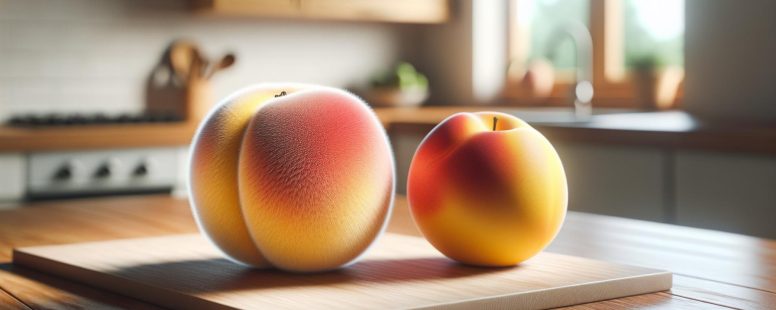
Peaches have a fuzzy, velvety surface that’s soft to the touch. This fuzz gives them a slightly dull appearance, making them easily identifiable. In contrast, nectarines lack this fuzz and have smooth, glossy skin, often described as waxy. The absence of fuzz on nectarines is due to a genetic mutation in the Prunus persica family, which eliminates the trait. When selecting fruits, the texture can be an immediate giveaway to distinguish between the two.
Color and Shape
Both fruits exhibit a similar range of colors, including shades of yellow, orange, red, and sometimes green. But, nectarines generally appear more vibrant and polished because of their smooth surface reflecting light. Peaches, covered in fine fuzz, tend to have a muted luster.
Nectarines are usually smaller than peaches and slightly elongated, with a more defined curve near the stem. Peaches are rounder and may exhibit slight variations in shape but are less symmetrical than nectarines. These subtle differences might seem minor but can help you quickly identify them in a market or garden setting.
Taste and Flavor
Peaches and nectarines may share similarities in taste, but their flavor profiles have distinct nuances that set them apart. These differences influence their culinary uses and appeal to various preferences.
Sweetness Levels
Nectarines often taste slightly sweeter than peaches, with a more concentrated natural sugar content. This pronounced sweetness makes nectarines an excellent choice for desserts like tarts or fruit salads. Peaches, while also sweet, have a subtler and more mellow sugar profile, which pairs well with savory dishes or grilling.
Acidic Notes
Peaches tend to have a more noticeable acidic undertone compared to nectarines. This tartness balances their sweetness, adding complexity to their flavor. Nectarines, in contrast, usually have less acidity, giving them a purely sweet taste with minimal sourness. These differences in acidity influence your choice for recipes; for instance, peaches add tang to pies, while nectarines enhance smooth, sweet compotes.
Nutritional Differences
Peaches and nectarines, though similar in appearance, vary in their nutritional profiles. Understanding these differences can help you make informed dietary choices and select the fruit that aligns with your health goals.
Vitamins and Minerals
Peaches and nectarines both provide essential vitamins and minerals, but their concentrations differ slightly. Peaches contain higher amounts of vitamin A, offering about 489 IU (International Units) per 100 grams, which supports healthy vision and immune function. Nectarines, in contrast, provide only around 332 IU per 100 grams, making peaches the better option for vitamin A intake.
Vitamin C content is comparable in both fruits. Peaches supply roughly 6.6 mg per 100 grams, while nectarines offer 5.4 mg. This supports immune health and collagen production. Nectarines, but, have slightly more potassium, with around 201 mg compared to peaches’ 190 mg per 100 grams. Potassium assists in regulating blood pressure, which benefits cardiovascular health.
Magnesium levels are marginally higher in peaches at 9 mg per 100 grams, compared to 8 mg in nectarines. This can contribute to muscle and nerve function. Even though these minor differences, both fruits are excellent sources of micronutrients, making them a healthy addition to your diet.
Calorie Content
The caloric content in peaches and nectarines is nearly identical, making them low-calorie options for a snack or recipe ingredient. A 100-gram serving of peaches contains approximately 39 calories, while an equivalent serving of nectarines has about 44 calories. This difference is minimal and unlikely to influence your choice significantly.
Both fruits have a similar macronutrient composition. They provide natural sugars for quick energy, negligible fat, and around 1 gram of protein per serving. Due to their low caloric density, peaches and nectarines are suitable for weight management and low-calorie diets.
Choose based on flavor preference or availability rather than calorie count, as both fruits offer nutritional benefits without compromising your daily caloric goals.
Growing Conditions
The growing conditions for peaches and nectarines share similarities but reveal subtle distinctions that influence their cultivation. Understanding these factors can help you decide the ideal environment for each fruit.
Climatic Preferences
Peaches and nectarines thrive in temperate climates with cold winters and hot summers. Both require a specific number of chill hours (32–45°F) during winter for proper dormancy and healthy growth. Peaches usually need 600–1,000 chill hours, while nectarines may require slightly fewer, typically 400–800 hours. These variations may impact the type of fruit you can grow based on your region’s winter temperatures.
Warm, sunny summers are essential for developing their sweet flavor and vibrant colors. Excessive humidity can increase susceptibility to fungal diseases like brown rot. If you’re in a humid region, ensure better airflow between trees and use fungicides as needed.
Harvesting Season
The harvesting season for peaches and nectarines overlaps significantly but differs moderately depending on the variety. Peaches are generally harvested from late spring to mid-summer, with early cultivars appearing around May and late-season varieties extending into August. Nectarines often follow a similar timeframe but might lean towards the peak summer months, typically June through August.
Fruit maturity indicators include skin color change, slight softening, and the development of their signature aroma. Nectarines, with their smooth skin, often show richer hues faster than fuzzy peaches. Picking at the right time ensures optimal flavor and reduces the risk of overripe fruit damage during storage.
Culinary Uses
Peaches and nectarines play versatile roles in both sweet and savory cooking, adding flavor and texture to a wide range of dishes. Their distinct characteristics influence how they’re utilized in recipes.
Popular Dishes
Peaches shine in traditional desserts like cobblers, pies, and crisps, where their soft texture and subtle acidity balance sweetness. For example, a classic peach cobbler creates a warm, comforting dessert with layers of juicy peaches and buttery crust. They also feature well in savory recipes, such as grilled peaches paired with prosciutto or added to salads for a sweet contrast.
Nectarines, being firmer and sweeter, suit recipes requiring fruit to maintain its shape. Examples include nectarine tarts or galettes, where their vibrant color and structured body enhance the dish’s presentation. Nectarines also elevate beverages like sangrias or smoothies, contributing a concentrated, sugary flavor. Both fruits excel as standalone snacks, sliced fresh, or even added to lunchboxes for quick energy.
Preservation Methods
Canning and freezing allow you to enjoy peaches and nectarines year-round. Canning peaches in light syrup ensures their softness and flavors are preserved, making them ideal for use in desserts or oatmeal later. Freezing nectarines works well since their smooth skin doesn’t require peeling, saving preparation time. Adding ascorbic acid to frozen slices helps retain their bright color.
Drying both fruits develops a caramelized sweetness while extending their shelf life to months. Dried peach slices replace candies as healthier alternatives, while dried nectarines provide chewy snack options with concentrated nutrients. Refrigeration extends freshness for up 5-7 days; an airtight container enhances longevity.
Conclusion
Understanding the differences between peaches and nectarines allows you to make more informed choices whether you’re shopping, cooking, or planning your garden. Each fruit offers its own unique appeal, from texture and flavor to nutritional benefits and culinary versatility. By appreciating their distinct characteristics, you can better enjoy these delicious fruits in ways that suit your preferences and needs. Whether you choose peaches, nectarines, or both, you’re adding vibrant, nutrient-packed options to your table.
To provide the best experiences, we use technologies like cookies to store and/or access device information. Consenting to these technologies will allow us to process data such as browsing behaviour or unique IDs on this site. Not consenting or withdrawing consent, may adversely affect certain features and functions.
Functional
Always active
The technical storage or access is strictly necessary for the legitimate purpose of enabling the use of a specific service explicitly requested by the subscriber or user, or for the sole purpose of carrying out the transmission of a communication over an electronic communications network.
Preferences
The technical storage or access is necessary for the legitimate purpose of storing preferences that are not requested by the subscriber or user.
Statistics
The technical storage or access that is used exclusively for statistical purposes.The technical storage or access that is used exclusively for anonymous statistical purposes. Without a subpoena, voluntary compliance on the part of your Internet Service Provider, or additional records from a third party, information stored or retrieved for this purpose alone cannot usually be used to identify you.
Marketing
The technical storage or access is required to create user profiles to send advertising, or to track the user on a website or across several websites for similar marketing purposes.