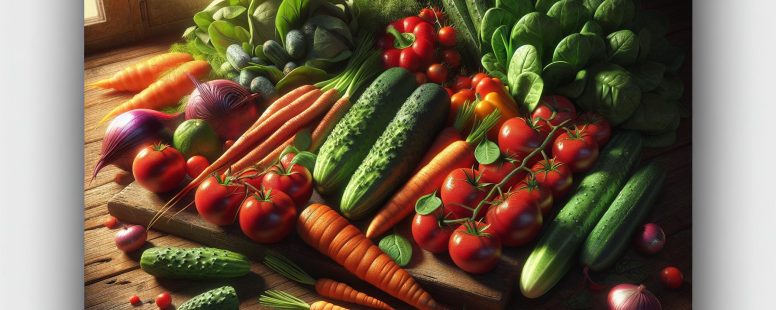
Imagine biting into a juicy tomato or crunching on a crisp cucumber. Are you enjoying a fruit or a vegetable? It’s a question that stirs curiosity and often sparks debate. While these everyday foods might seem straightforward, the line between fruits and vegetables is surprisingly intricate, blending science, culinary tradition, and even culture.
You might think it’s all about sweetness or how they’re served, but the true distinction lies deeper—in their botanical makeup. Fruits and vegetables are more than just categories in your grocery aisle; they each play unique roles in nature and your diet. Understanding their differences can change how you view your meals and even improve your nutrition choices. Ready to uncover what really sets them apart? Let’s jump into this flavorful world.
What Defines A Vegetable
A vegetable is any edible part of a plant that’s consumed in the context of savory dishes. Unlike fruits, vegetables don’t typically develop from the flower of a plant.
Characteristics Of Vegetables
Vegetables include roots, stems, leaves, and sometimes flowers. Examples of these parts are carrots (roots), celery (stems), spinach (leaves), and cauliflower (flowers). Their taste profile is usually more earthy, bitter, or neutral compared to the sweetness of most fruits.
Botanically, vegetables don’t meet the seed-bearing criteria. You consume them for their nutrient content, which often involves vitamins like A, C, and K, and essential minerals such as potassium and magnesium. They’re classified based on which part of the plant they derive, not how they taste.
Vegetables often require cooking for preparation, though some like cucumbers and bell peppers are eaten raw. Cultivation includes both annuals (lettuce) and perennials (asparagus). The focus remains on enhancing soil nutrients to boost leafy or root growth.
Common Types Of Vegetables
Vegetables fall into categories based on plant parts:
Root Vegetables: Carrots, radishes, and sweet potatoes.
Leafy Greens: Spinach, lettuce, and kale.
Stem Vegetables: Celery, asparagus, and bamboo shoots.
Flowering Vegetables: Broccoli, cauliflower, and artichokes.
Fruit Vegetables (culinary): Zucchini, eggplants, and tomatoes.
Each type offers unique health benefits. For instance, leafy greens provide fiber, while root vegetables are often rich in carbohydrates. You can experiment with vegetables across recipes like soups, stir-fries, and salads to diversify consommation.
What Defines A Fruit
A fruit forms from the fertilized ovary of a flower and typically contains seeds. Unlike vegetables that may derive from various plant parts, fruits are specific to the reproductive structures of plants.
Characteristics Of Fruits
Fruits develop exclusively from the flowering parts of plants. They house seeds that aid in reproduction, ensuring the continuation of plant species. Botanically, fruits may be fleshy, like peaches and berries, or dry, like nuts and pods. Their primary biological function is to protect and disperse seeds, often attracting animals with their sweet and aromatic qualities to help this process.
Examples of true fruits include apples, tomatoes, bananas, and cucumbers. The inclusion of cucumbers and tomatoes might challenge expectations, but it highlights the botanical definition, not the culinary perspective. Fruits contain high concentrations of fructose, providing energy and unique phytonutrients beneficial for overall health.
Common Types Of Fruits
Fruits are categorized into several types based on their structure and development. Simple fruits, such as cherries and peaches, emerge from a single ovary. Aggregate fruits, like strawberries and blackberries, form from multiple ovaries within one flower. Multiple fruits, including pineapples and figs, develop when an entire inflorescence contributes to fruit formation.
Citrus fruits like oranges and lemons belong to the Hesperidium class, known for their segmented pulp enclosed in a leathery rind. Drupes such as apricots and cherries contain a single seed surrounded by a fleshy exterior. Pomes, including apples and pears, develop from an enlarged floral base. Exploring these categories deepens your understanding of fruit diversity.
Key Differences Between Vegetable And Fruit
Understanding the differences between vegetables and fruits involves examining both their botanical and culinary contexts. Each offers distinctive characteristics that shape their classification and usage.
Botanical Differences
Vegetables include edible plant parts like roots (carrots), stems (celery), leaves (spinach), and flowers (cauliflower). They don’t originate from the flower’s ovary, setting them apart from fruits. Fruits, from a botanical perspective, develop from the fertilized ovary of a flower and usually house seeds. For instance, a tomato is a fruit because it originates from the flower’s ovary, while celery is a vegetable as it’s a stem.
Culinary Differences
In the kitchen, vegetables are used in savory dishes due to their earthy or bitter flavors, such as in stews or salads. Fruits, but, are usually sweeter and consumed in desserts, drinks, or fresh forms, like apples or oranges. Interestingly, some fruits like tomatoes or cucumbers are often grouped with vegetables in cooking because they’re less sweet.
Grey Areas And Misconceptions
Not every plant-based food fits neatly into the categories of fruit and vegetable. Culinary traditions and botanical definitions often conflict, driving confusion about what defines each group. Commonly consumed produce items like tomatoes and pumpkins blur the lines, showcasing examples where classification depends on context.
Fruits Mistaken For Vegetables
Some fruits masquerade as vegetables in everyday cooking. Tomatoes, cucumbers, and zucchinis are prime examples. They’re botanically fruits because they grow from the ovary of a flower and contain seeds. Yet, in kitchens worldwide, they’re treated as vegetables due to their savory flavor profiles. While a tomato enhances salty dishes like salads or sauces, its botanical identity as a fruit often surprises people.
Similarly, bell peppers and eggplants play dual roles. Their seed-containing structures classify them as fruits, yet their uses in roasted dishes or stir-fries align more with vegetable culinary traditions. You might wonder if this confusion affects nutrition labels or dietary choices—spoiler: it doesn’t. Both remain healthy options, packed nutritious content like antioxidants and vitamins.
Vegetables Mistaken For Fruits
Several vegetables sneakily resemble fruits in appearance or taste. Rhubarb, often baked into pies and desserts due to its tartness, is actually the stalk of a plant. Its culinary application may suggest fruit, but it’s a stem vegetable. Peas represent another case. Though enclosed in pods—a feature reminiscent of fruits—they’re seeds derived from the plant’s reproductive system but don’t arise directly from an ovary.
Sweet potatoes and carrots, with their natural sugars, might also give the impression of being fruit-like, especially when used in desserts like carrot cake or candied yams. But, these remain true vegetables, being roots harvested for consumption. Context shapes perception, making these misidentifications common.
Why The Difference Matters
Understanding the difference between fruits and vegetables impacts your nutritional decisions, culinary skills, and perception of food sources. This distinction affects not just what you eat but also how you consume and prepare these foods.
Nutritional Implications
Fruits and vegetables offer unique nutrient profiles vital for health. Fruits, often rich in natural sugars, provide quick energy along with antioxidants, vitamins like C and A, and dietary fiber that supports digestion. For example, apples and oranges deliver fructose while supplying essential nutrients that boost immunity. Vegetables, on the other hand, excel in minerals like iron, calcium, and potassium, found in examples such as spinach and broccolli.
If you learn this distinction, you can optimize your diet by balancing fruit intake for energy and sweetness with vegetables for sustained nutrition and satiety. For example, pairing leafy greens with a citrus fruit creates a meal rich in vitamin C and iron. Recognizing these differences lets you make informed dietary adjustments, especially if you aim to follow specific nutrition plans like low-sugar or high-fiber regimens.
Practical Applications
Culinary practices heavily rely on distinguishing fruits from vegetables. Fruits, sweet or tangy, appear in desserts, drinks, or fresh as snacks. Contrastingly, vegetables anchor savory dishes like soups and stir fries. Imagine preparing a dish like ratatouille—it includes botanically classified fruits like tomatoes, eggplants, and zucchinis but cooked as vegetables. Understanding these roles enhances your cuisine artistry.
Also, gardening or farming benefits when you categorize plant produce correctly. For instance, fruits developing from flowers, such as pumpkins, may require different pruning or pollination techniques than root vegetables like carrots. Classifying plant types also aids resource allocation in cultivation practices.
Conclusion
Understanding the difference between fruits and vegetables isn’t just about labels—it’s about appreciating their roles in nature, nutrition, and culinary traditions. By recognizing their unique characteristics, you can make more informed choices in your diet and cooking.
Whether you’re savoring the sweetness of fruits or enjoying the earthy flavors of vegetables, both offer incredible benefits that enhance your health and lifestyle. Embrace the diversity they bring to your plate and explore new ways to incorporate them into your meals.
To provide the best experiences, we use technologies like cookies to store and/or access device information. Consenting to these technologies will allow us to process data such as browsing behaviour or unique IDs on this site. Not consenting or withdrawing consent, may adversely affect certain features and functions.
Functional
Always active
The technical storage or access is strictly necessary for the legitimate purpose of enabling the use of a specific service explicitly requested by the subscriber or user, or for the sole purpose of carrying out the transmission of a communication over an electronic communications network.
Preferences
The technical storage or access is necessary for the legitimate purpose of storing preferences that are not requested by the subscriber or user.
Statistics
The technical storage or access that is used exclusively for statistical purposes.The technical storage or access that is used exclusively for anonymous statistical purposes. Without a subpoena, voluntary compliance on the part of your Internet Service Provider, or additional records from a third party, information stored or retrieved for this purpose alone cannot usually be used to identify you.
Marketing
The technical storage or access is required to create user profiles to send advertising, or to track the user on a website or across several websites for similar marketing purposes.