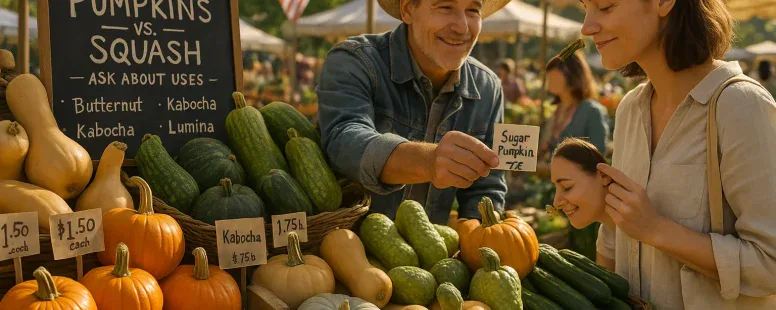
Pumpkins vs. squash is more than a seasonal debate: it’s a botanical and culinary conversation with surprising twists. Picture a farmers’ market stall: round orange globes shoulder-to-shoulder with knobbly green crooknecks and smooth butternuts. You can smell soil and late-summer sunlight, and you sense that while these plants look related, they behave differently in the kitchen and the field. This piece pulls back the rind and shows you clear, practical differences, so you choose better, cook smarter, and avoid common mistakes that turn a promising dish into mush or a harvest into waste.
Botanical Differences: Species, Varieties, And Classification
Fact: Pumpkins and squash both belong to the Cucurbitaceae family, but they come from different species and cultivar groups. The clear answer first: pumpkins are generally members of Cucurbita pepo, Cucurbita maxima, or Cucurbita moschata, while the broad term “squash” covers many cultivars across those same species plus related garden types.
Common Pumpkin Species And Varieties
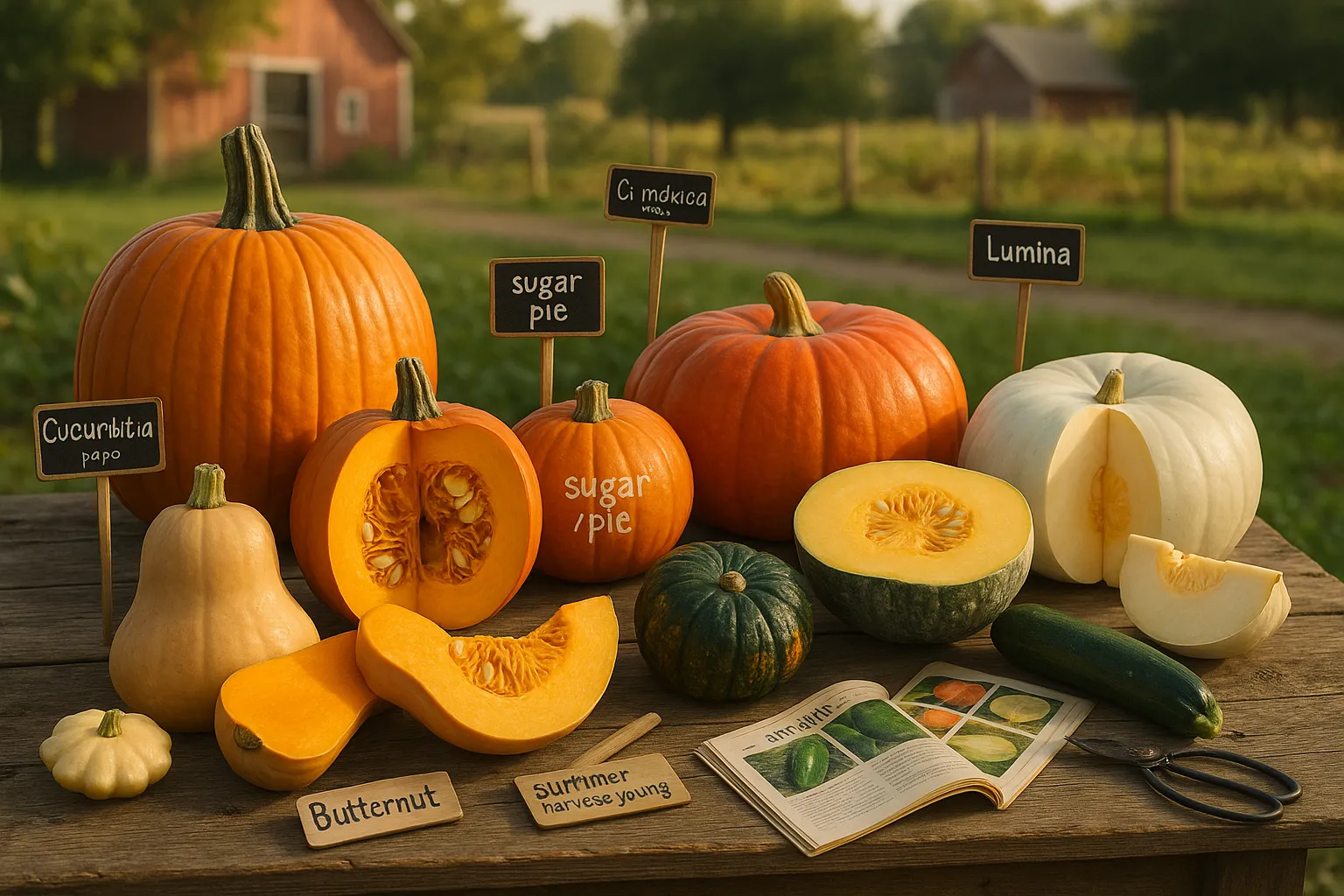
Cucurbita pepo includes many of the classic orange pumpkins you carve, plus smaller pie pumpkins (often labeled “sugar” pumpkins). Cucurbita maxima contains larger, ribbed pumpkins and heirlooms like the Atlantic Giant. Cucurbita moschata gives you the butternut-like shapes and long-storage varieties such as ‘Long Island Cheese’ and ‘Musquée de Provence’.
You should know named varieties: ‘Howden’ and ‘Connecticut Field’ are carving standards: ‘Cinderella’ (Rouge Vif d’Etampes) is prized for flavor and color: ‘Lumina’ is white and decorative yet edible. These names are useful when you shop or read seed catalogs.
Major Squash Types (Summer Vs. Winter)
Fact: Squash splits into two simple groups: summer and winter. Summer squash (like zucchini and pattypan) are harvested immature: they have soft skins and short shelf life. Winter squash (like butternut, acorn, and hubbard) are matured on the vine, have hard rinds, and store for months.
Summer squash are mostly Cucurbita pepo: they grow quickly, need frequent harvesting, and you cook them soon after picking. Winter squash include cultivars from C. moschata and C. maxima: they develop dense flesh, concentrated sugar, and protective rinds. Understanding this classification helps you decide planting schedules, storage, and recipes.
Physical Characteristics: Size, Shape, Skin, And Seeds
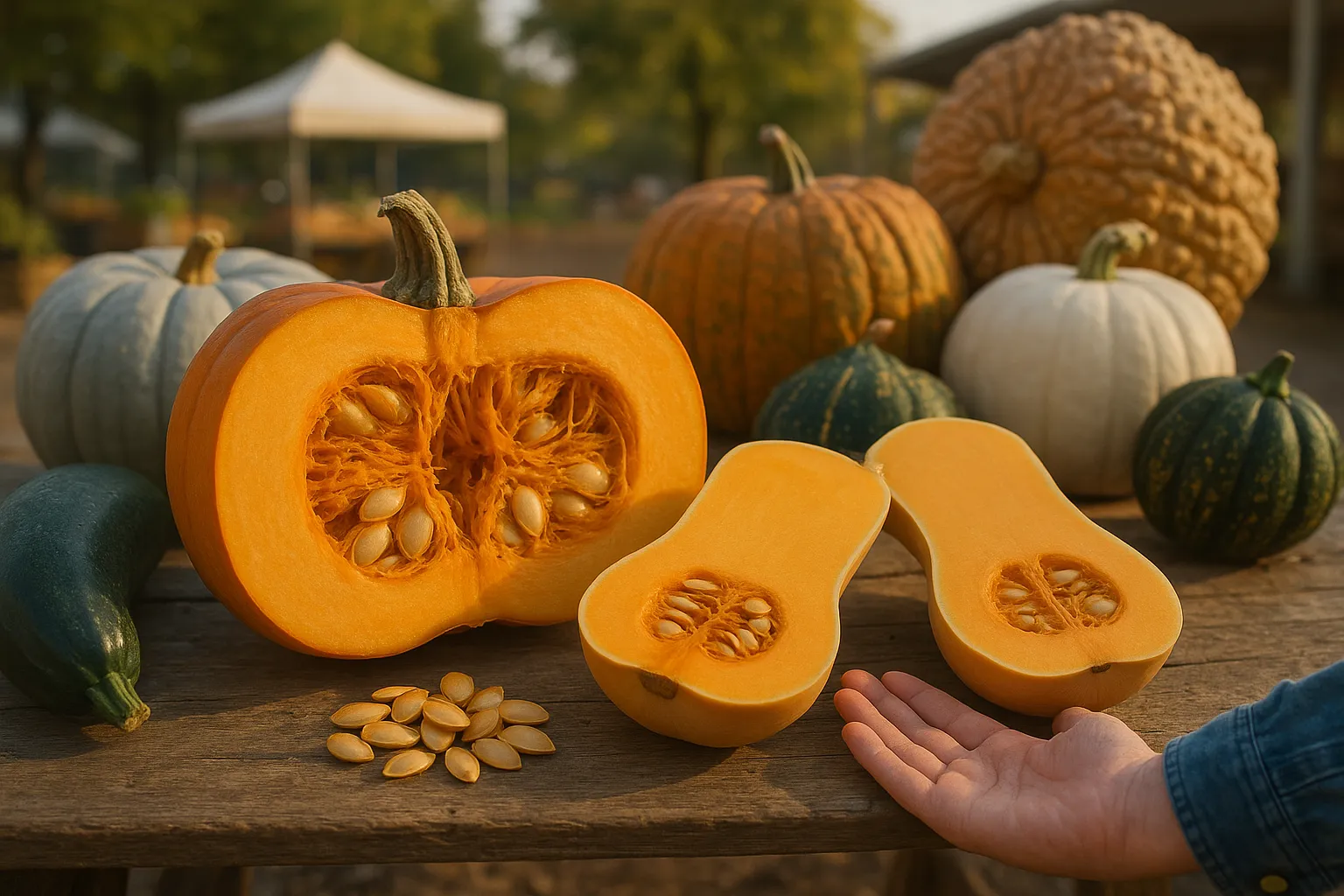
Fact: Size and skin thickness are the easiest ways to tell pumpkins from many squash, most pumpkins have thicker skins and larger seeds, but exceptions exist. Start there and then look closer.
Rind, Stem, And Flesh Texture Differences
Pumpkin rinds are often harder and thicker than summer squash, and the stem tends to be hard, woody, and ridged. Squash stems vary: summer squash stems are softer and greener: winter squash stems are tough but may be corkier than pumpkin stems. Flesh texture differs: pumpkins usually produce stringy, coarse flesh in large carving types, while pie pumpkins and many winter squashes give dense, fine-grained flesh.
Color, Shape, And Size Variation Across Varieties
Pumpkins are commonly orange, but they also appear white, blue (like ‘Jarrahdale’), and green. Squash shows a wider visual range: bright green zucchini, mottled acorn, tan butternut, and the bluish hubbard. Shapes vary from round to tapered, bulbous to flattened, each shape hints at culinary use. Size ranges from golf-ball-sized ornamental pumpkins to hubbards that weigh over 50 pounds. When you pick produce, color and shape guide you: dense, uniformly colored flesh often means sweeter taste and better storage.
Culinary Uses And Flavor Profiles
Fact: Flavor and texture determine culinary use, some pumpkins are best for carving, others for pie, while squash covers a broader set of cooking roles. You should match variety to recipe for best results.
Taste And Texture Comparisons For Cooking
Pumpkin flavor ranges from bland in large carving types to sweet and nutty in small pie pumpkins and some C. moschata varieties. Butternut squash tastes sweet, slightly nutty, and has smooth, creamy flesh when roasted. Acorn squash is mildly sweet and good for stuffing because it holds shape. Zucchini and summer squashes are mild, watery, and take on seasonings quickly.
A quick rule: dense flesh equals concentrated flavor and good roasting: watery flesh equals best for quick sautés, grilling, or soups. I once used a large field pumpkin in a pumpkin soup: it tasted flat and watery. I learned to use pie pumpkins or butternut for rich, velvety soups.
Best Cooking Methods And Recipe Uses
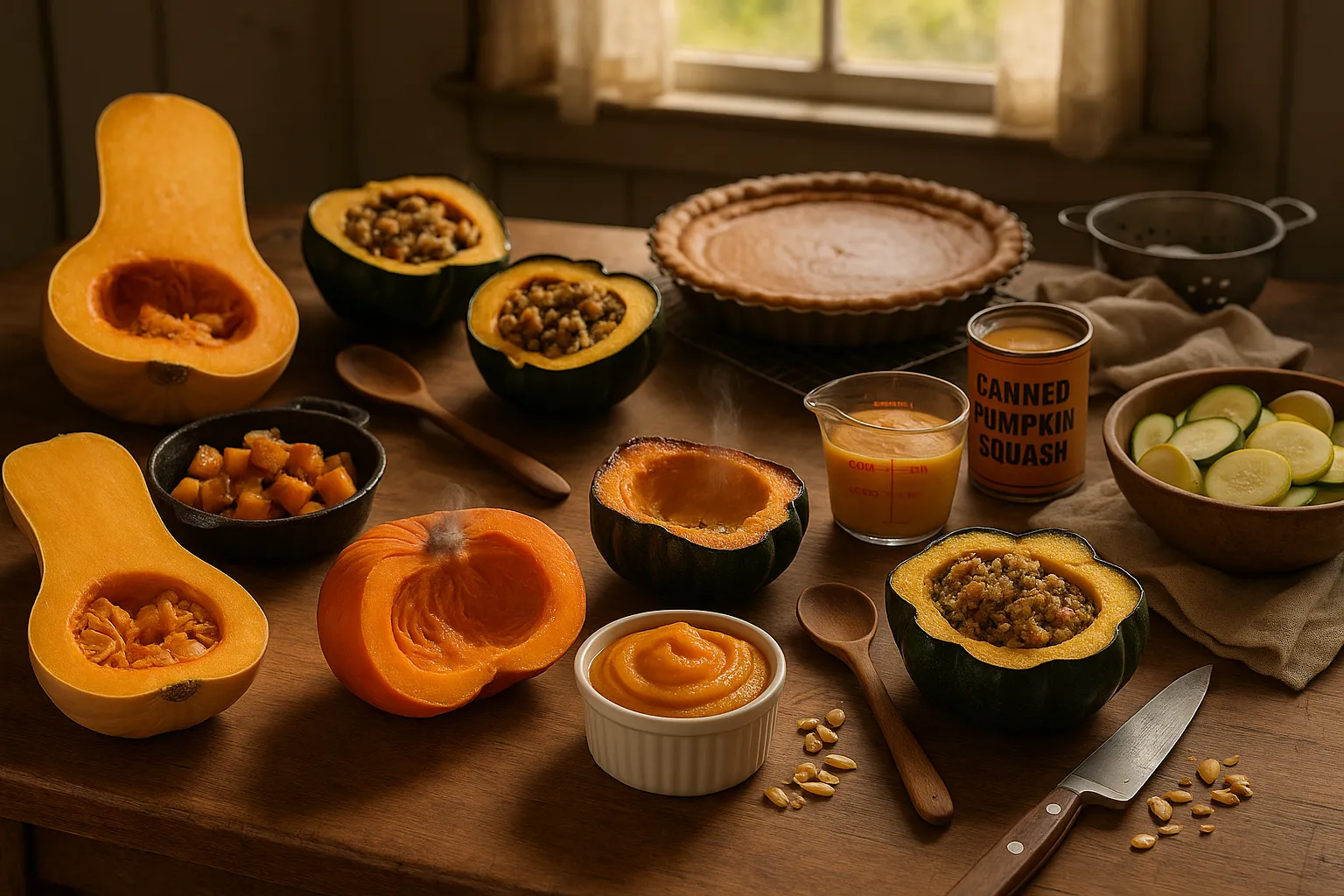
Roasting concentrates sugars, use it for butternut, pie pumpkins, and hubbard. Pureeing after roasting gives creamy soups and fillings. Steaming or sautéing works for zucchini and summer squash because you want to preserve moisture. Baking whole works for small sweet pumpkins, you scoop the flesh after baking. When substituting, account for water content: swap a cup of cooked butternut for a cup of pumpkin puree most times, but reduce added liquid if you use zucchini.
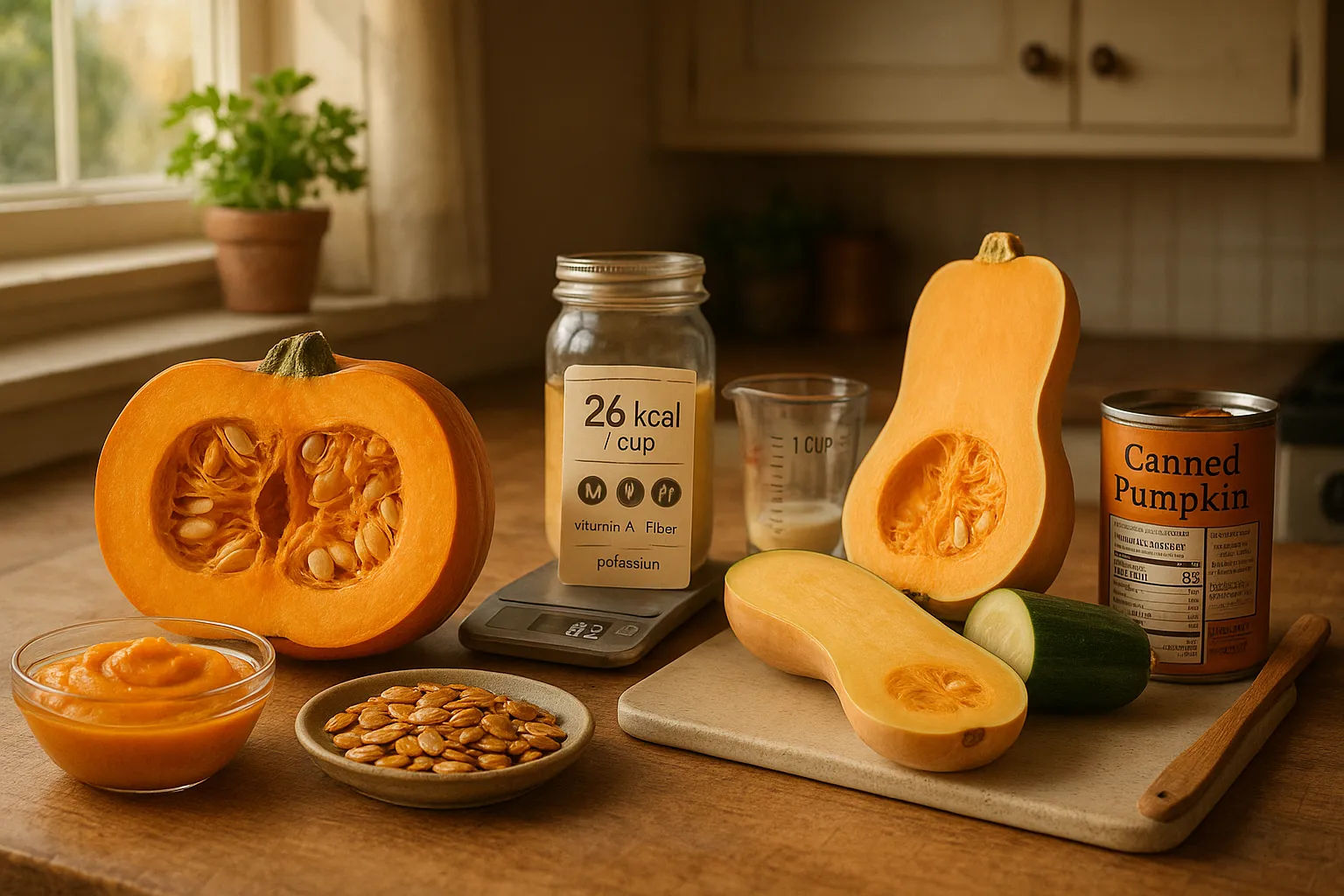
Practical tip: drain excess water from summer squash before incorporating it into bread or lasagna. This avoids sogginess. Warning: canned pumpkin is often a mix of pumpkin and squash: read labels if you need a specific flavor.
Nutritional Comparison And Health Benefits
Fact: Both pumpkins and most squash are nutrient-dense, low-calorie foods rich in vitamin A precursors, fiber, and potassium. They make healthy additions to your diet.
Vitamins, Minerals, Fiber, And Calories
Pumpkin flesh is high in beta-carotene (provitamin A), vitamin C, potassium, and fiber while being low in calories, about 26 calories per cup of cooked pumpkin. Butternut squash offers similar nutrients with slightly higher calories and more natural sugars. Zucchini is very low in calories, provides vitamin C and some B vitamins, and gives dietary fiber.
These vegetables also supply magnesium, manganese, and small amounts of iron and calcium. Canned pumpkin keeps nutrients but may contain added salt or sweeteners, check the label.
Health Uses And Dietary Considerations
Pumpkin and squash support eye health because of beta-carotene. The fiber helps digestion and satiety, which is helpful for weight control. Potassium supports blood pressure. For people with blood sugar concerns, winter squash has more carbohydrates than summer squash: portion control matters. Also, pumpkin seeds are a strong source of magnesium, healthy fats, and plant protein, you can roast them for snacks.
Honest note: when I switched to using more winter squash in my meals, I had to adjust portion sizes: I underestimated calories from starchier varieties. You’ll want to track portions if you’re watching carbs.
Growing, Harvesting, And Storage
Fact: Pumpkins and winter squash need full sun, warm soil, and pollinators: summer squash demand frequent picking to stay productive. Managing those needs gives better yield and flavor.
Climate, Soil, And Pollination Needs
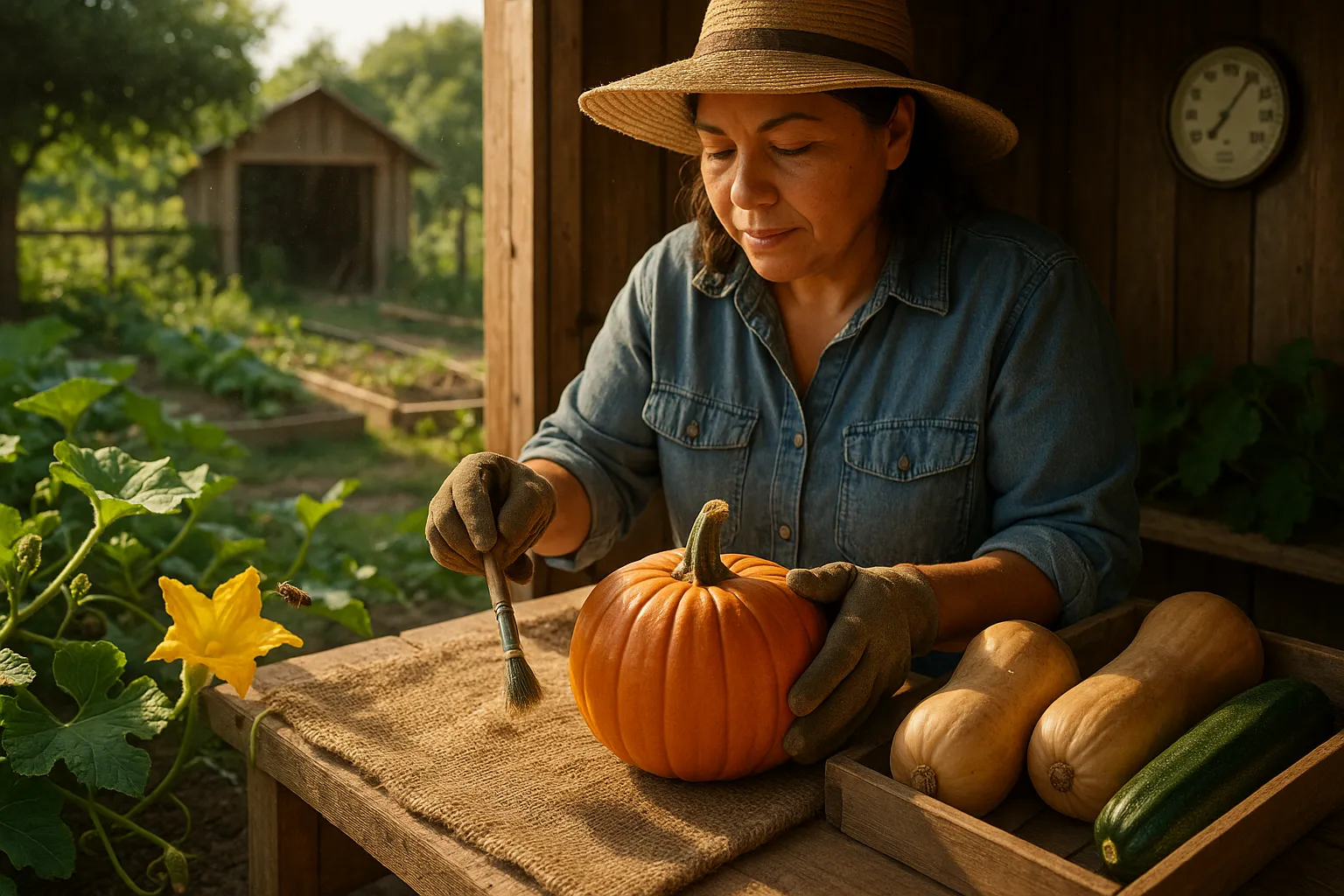
Both plants prefer well-drained soil high in organic matter and full sun. Pumpkins and many winter squashes grow on vines that need space: zucchini occupies less ground. Bees pollinate cucurbits, if bees are scarce, you may need hand pollination using a small brush to transfer pollen from male to female flowers. Warm nights and warm soil speed fruit development: cool, wet conditions can produce bland flesh.
Harvesting Time, Curing, And Long-Term Storage Tips
Harvest when the rind is hard and a knife resists piercing. For pumpkins and winter squash, leave a few inches of stem attached to reduce rot. Cure them in a warm, dry place for 7–14 days to harden the rind and improve storage life. Store cured winter squash in a cool, dry place (50–55°F) with good ventilation: many store 3–6 months. Avoid rubbing or stacking them tightly: bruises reduce shelf life.
Quick tip: test storage readiness by tapping, mature squash sounds hollow. Don’t refrigerate large pumpkins: they prefer cellar-like conditions. Summer squash should be used within a week and kept refrigerated.
Choosing, Substituting, And Common Misconceptions
Fact: You can often substitute certain pumpkins and squash, but not always: the key variable is water content and texture. Choose carefully and adapt methods.
How To Select Pumpkins And Squash At Market
Pick firm, heavy-for-size specimens with intact stems and no soft spots. Smell them, fresh squash has an earthy, slightly sweet scent: rot smells sour. For cooking, select small pie pumpkins or labeled “sugar” pumpkins rather than giant carving types. Buy butternut or kabocha if you want rich flavor with minimal prep. When you’re at a market, ask the farmer about storage and use: they’ll tell you which variety is best for pies, soups, or decoration.
When You Can Swap One For The Other (And How)
You can swap butternut and pumpkin puree in many recipes at a 1:1 ratio, but reduce added liquid if you swap a drier squash for a wetter one. Use cooked, mashed pumpkin in stews where texture isn’t critical. Avoid substituting watery summer squash in recipes that rely on thick purees unless you first roast and reduce it. If a recipe calls for kabocha and you only have hubbard, expect a slightly different sweetness and texture, adjust spices and cooking time.
Common misconception: “All pumpkins are interchangeable.” That’s false. Another myth: “Carving pumpkins are best for pies.” Also false, carving pumpkins tend to be bland and watery. Honest admission: I once blended a carved pumpkin into pie and learned the hard way, texture and flavor suffered. You’ll do better with named culinary varieties.
If you want reliable canned options, look for 100% pumpkin puree (often from Libby’s or store brands) but remember it can be a mix of squash and pumpkin. When you need specific flavor, use fresh or labeled varieties.
To provide the best experiences, we use technologies like cookies to store and/or access device information. Consenting to these technologies will allow us to process data such as browsing behaviour or unique IDs on this site. Not consenting or withdrawing consent, may adversely affect certain features and functions.
Functional
Always active
The technical storage or access is strictly necessary for the legitimate purpose of enabling the use of a specific service explicitly requested by the subscriber or user, or for the sole purpose of carrying out the transmission of a communication over an electronic communications network.
Preferences
The technical storage or access is necessary for the legitimate purpose of storing preferences that are not requested by the subscriber or user.
Statistics
The technical storage or access that is used exclusively for statistical purposes.The technical storage or access that is used exclusively for anonymous statistical purposes. Without a subpoena, voluntary compliance on the part of your Internet Service Provider, or additional records from a third party, information stored or retrieved for this purpose alone cannot usually be used to identify you.
Marketing
The technical storage or access is required to create user profiles to send advertising, or to track the user on a website or across several websites for similar marketing purposes.