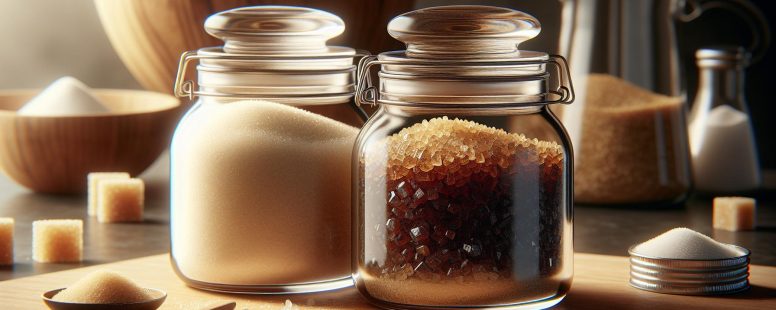
Imagine the aroma of freshly baked cookies wafting through your kitchen. You’re mixing ingredients, and the recipe calls for brown sugar—but should you grab light or dark? At first glance, they might seem interchangeable, but these two sweeteners hold subtle yet significant differences that can transform the flavor, color, and texture of your baked goods.
What Is Brown Sugar?
Brown sugar is a sugar variety known for its molasses content, which gives it a distinctive flavor and color. It’s widely used in baking due to its ability to impart moisture and a rich, caramel-like taste to recipes.
Light Brown Sugar Explained
Light brown sugar contains about 3.5% molasses by weight, resulting in a milder flavor profile. This sugar is often used in recipes where subtle sweetness is desired, like muffins, cookies, or sauces. Its lighter color and delicate taste make it the preferred choice for balancing flavors without overpowering other ingredients.
For example, light brown sugar is ideal in oatmeal cookies where the molasses adds warmth without masking the oats’ natural nutty taste. Its softer texture also helps create chewy baked goods by holding more moisture compared to granulated sugar.
Dark Brown Sugar Explained
Dark brown sugar has approximately 6.5% molasses, which contributes to its deeper color and stronger, more robust flavor. This sugar variety is best for dishes requiring a pronounced molasses flavor, such as gingerbread, barbecue sauces, or rich chocolate cakes.
In recipes like molasses cookies, dark brown sugar intensifies the flavor, creating a bold, distinctive taste. Its higher molasses content makes it slightly stickier and denser, offering a noticeable difference in both texture and flavor when substituted for light brown sugar.
Difference Between Light And Dark Brown Sugar
The distinctions between light and dark brown sugar lie primarily in their flavor, molasses content, and the impact they have on recipes. Each variety brings unique properties to dishes, influencing texture, taste, and color.
Color And Flavor Profile
Light brown sugar has a pale golden hue. Its flavor is mild, with a subtle caramelized sweetness. Examples include recipes like classic sugar cookies or oatmeal muffins, where a lighter and more delicate sweetness complements the dish.
Dark brown sugar appears richer with a deep amber color. It offers robust flavors with prominent molasses notes, creating complexity in baked goods. It’s ideal for recipes like molasses cookies or savory glazes that benefit from its strong, distinct profile.
Molasses Content
Light brown sugar contains about 3.5% molasses, giving it a balanced flavor suited to general baking needs. This lower percentage results in a softer texture, making it easier to incorporate into doughs and batters.
Dark brown sugar features approximately 6.5% molasses, resulting in a moister consistency and deeper taste. It’s often selected for recipes where the molasses’ concentrated flavor enhances the overall result.
Popular Uses In Cooking And Baking
Light brown sugar is versatile for everyday recipes. It excels in quick breads (like banana bread), cakes, and cookies where subtlety complements other ingredients.
Dark brown sugar provides boldness to rich desserts. It’s perfect for gingerbread, sticky toffee pudding, barbecue sauces, and even savory dishes like baked beans. Its intense sweetness and moisture-retaining properties elevate recipes requiring hearty flavors and textures.
How To Substitute Light And Dark Brown Sugar
Light and dark brown sugar are interchangeable in many recipes when managed properly. Using the correct substitution techniques ensures flavor and texture remain consistent while accommodating for the sugar available.
Substitution Tips
Measure Correctly: Replace light brown sugar with dark brown sugar in an equal 1:1 ratio and vice versa. Balance stronger flavor profiles in dark brown sugar by slightly reducing other molasses-rich ingredients if present.
Customize Flavor: Mix 1 cup of granulated sugar with 1 tablespoon of molasses for light brown sugar or 2 tablespoons for dark brown sugar if neither is available.
Texture Adjustment: For softer, chewier textures, dark brown sugar’s higher molasses content excels. Counter its added moisture by reducing liquids in recipes by 1-2 teaspoons per cup substituted if needed.
Color Variance: When substituting, expect a darker, richer color in desserts using dark brown sugar and lighter hues with light brown sugar replacements. For instance, chocolate chip cookies appear more golden with light brown sugar but gain a deeper caramel tone with dark brown.
Flavor Profile: Light brown sugar lends delicate caramel notes that suit mild baked goods like banana bread. Dark brown sugar produces robust molasses flavors, ideal for gingerbread or barbecue sauces. Ensure compatibility with the recipe’s flavor requirements when substituting.
Baking Outcome: Light brown sugar forms a tender crumb and softer textures, while dark brown’s higher moisture content enhances fudginess in cookies or adds richness to glazes. Consider these outcomes to align with recipe expectations.
Health Considerations
Light and dark brown sugar differ slightly in their nutritional content and impact on your health. These differences may influence your choice depending on dietary needs and preferences.
Nutritional Differences
Light brown sugar contains around 3.5% molasses, while dark brown sugar has approximately 6.5%. This higher molasses content gives dark brown sugar slightly more minerals like calcium, potassium, and iron. But, these amounts are minimal and provide no significant health benefits. For example, 1 teaspoon of dark brown sugar contains about 18 mg of calcium, while light brown sugar has slightly less.
Both types of brown sugar have similar caloric values, roughly 15 calories per teaspoon. The differences lie primarily in flavor and molasses content rather than their nutritional profiles. Consuming either sugar in large quantites can contribute to weight gain and increased risk of conditions like tooth decay or diabetes if overused.
Moderation And Balance
Incorporating any sugar into your diet is best done in moderation. Light or dark brown sugar, while natural, is still considered an added sugar. Limit its use in daily meals to reduce sugar intake, aiming for no more than the American Heart Association’s recommendation of 6 teaspoons for women and 9 teaspoons for men per day.
Using smaller amounts of brown sugar to bring out flavors in baking or cooking promotes balance without compromising the taste. For instance, a half-teaspoon of dark brown sugar enhances barbecue sauce more than a full teaspoon in terms of richness and depth.
Conclusion
Understanding the difference between light and dark brown sugar allows you to make more informed choices when baking. Each type brings its own unique flavor, texture, and color to your recipes, helping you achieve the desired result. Whether you’re aiming for a subtle sweetness or a bold, molasses-rich profile, the choice of brown sugar can elevate your baked goods.
By experimenting with both types, you can discover how they enhance your favorite recipes while keeping moderation in mind for a balanced approach to sugar consumption.
To provide the best experiences, we use technologies like cookies to store and/or access device information. Consenting to these technologies will allow us to process data such as browsing behaviour or unique IDs on this site. Not consenting or withdrawing consent, may adversely affect certain features and functions.
Functional
Always active
The technical storage or access is strictly necessary for the legitimate purpose of enabling the use of a specific service explicitly requested by the subscriber or user, or for the sole purpose of carrying out the transmission of a communication over an electronic communications network.
Preferences
The technical storage or access is necessary for the legitimate purpose of storing preferences that are not requested by the subscriber or user.
Statistics
The technical storage or access that is used exclusively for statistical purposes.The technical storage or access that is used exclusively for anonymous statistical purposes. Without a subpoena, voluntary compliance on the part of your Internet Service Provider, or additional records from a third party, information stored or retrieved for this purpose alone cannot usually be used to identify you.
Marketing
The technical storage or access is required to create user profiles to send advertising, or to track the user on a website or across several websites for similar marketing purposes.