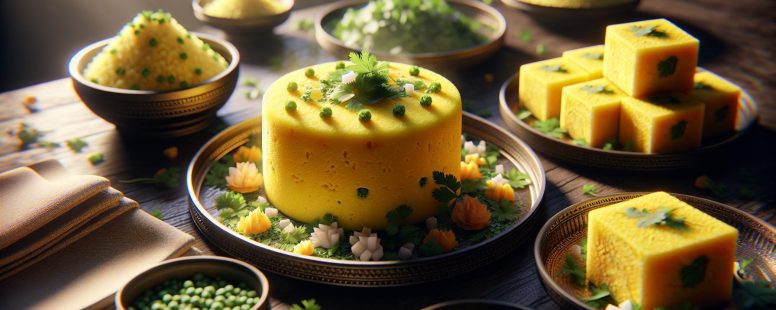
Picture the aroma of steamed delicacies wafting through a bustling kitchen, each bite offering a burst of tangy, savory delight. If you’ve ever savored Gujarati cuisine, you’ve likely encountered khaman and dhokla—two iconic dishes that look similar but carry distinct flavors and textures. Yet, how often do you pause to wonder what truly sets them apart?
Overview Of Khaman And Dhokla
Khaman and dhokla, both originating from Gujarat, are steamed savory snacks made from fermented batters. Even though their visual similarity, these dishes have distinct preparation methods, ingredients, and flavors.
Khaman uses gram flour (besan) as its primary ingredient. It appears bright yellow due to turmeric and has a spongy texture. The flavor profile is slightly sweet and tangy, with tempering of mustard seeds, curry leaves, green chilies, and asafoetida enhancing its taste.
Dhokla incorporates rice and split chickpeas (chana dal), resulting in a milder flavor compared to khaman. It’s pale yellow or white depending on the batter composition. The texture is firmer yet soft enough for easy slicing into squares or diamonds.
Both dishes include similar garnishes like fresh cilantro and grated coconut but serve different culinary purposes. While khaman often works as an appetizer or snack with chutneys (e.g., mint or tamarind), dhokla occasionally serves as part of larger meals alongside curries or lentils.
Understanding these differences enriches your appreciation for Gujarati cuisine’s diversity.
Key Ingredients
Khaman and dhokla differ significantly in their core ingredients, influencing their texture, flavor, and appearance.
Traditional Ingredients Of Khaman
Khaman uses gram flour (besan) as its primary base. This gives it a bright yellow hue when combined with turmeric powder. Fermentation relies on water, yogurt, or sometimes citric acid to achieve the desired spongy texture. For seasoning, mustard seeds, curry leaves, green chilies, and a pinch of asafoetida enhance its tangy-sweet profile. Sugar adds mild sweetness to balance flavors.
Turmeric is crucial for color consistency. Asafoetida lends an earthy aroma that complements the spices. Examples like adding grated coconut or pomegranate seeds as garnishes elevate visual appeal during festive occasions.
Traditional Ingredients Of Dhokla
Dhokla’s batter consists of rice and split chickpeas (chana dal), soaked separately before grinding together into a fine paste. Fermentation creates a softer yet denser texture compared to khaman due to occurring bacteria in the soaking process. A tempering of mustard seeds and sesame seeds enhances flavor after steaming.
Rice contributes firmness while chana dal ensures softness within each bite. Optionally, ginger-green chili paste may be added for subtle heat without overpowering mild undertones typical of dhokla’s taste profile.
Preparation Methods
The preparation methods of khaman and dhokla differ significantly, reflecting their unique textures and flavors. Both dishes involve steaming but use distinct batters and techniques.
How Khaman Is Prepared
Khaman relies on gram flour (besan) as its primary ingredient. The batter is made by mixing gram flour with water, turmeric, salt, sugar, citric acid or yogurt for fermentation, and a leavening agent like baking soda or Eno to create its spongy texture. After thorough mixing, the batter rests briefly for activation before steaming.
Steaming occurs in greased trays inside a steamer. This process ensures an even rise and soft consistency. Once cooked, mustard seeds are tempered in hot oil with curry leaves, green chilies, sesame seeds, and asafoetida. This tempering is poured over the steamed khaman to infuse flavor.
How Dhokla Is Made
Dhokla uses a mixture of rice and split chickpeas (chana dal). These grains soak in water for hours before grinding into a smooth paste. Fermentation takes place overnight or through added yogurt/citric acid to achieve the required acidity for flavor development.
The fermented batter is spread onto trays and steamed until firm yet tender. A separate tempering of mustard seeds, green chilies, sesame seeds optional ginger paste adds aroma post-steaming.
Texture And Appearance
Texture Of Khaman
Khaman feels exceptionally soft and spongy, with a porous structure that absorbs tempering easily. The airy texture results from the use of baking soda or Eno during preparation. When you press a piece of khaman lightly, it springs back due to its elasticity, showcasing its delicate fluffiness. This makes it ideal for soaking up added flavors like the tangy-sweet syrup often drizzled over it.
The surface of khaman appears smooth yet dotted with tiny air pockets formed during steaming. Bright yellow in color, its vibrant hue enhances visual appeal and reflects the turmeric used in the batter.
Texture Of Dhokla
Dhokla has a comparatively denser texture while still being tender and moist. The fermentation process using rice and split chickpeas creates a slightly grainier consistency than khaman. Its firmness allows dhokla to hold shape better when sliced into squares or diamonds, making it suitable for varied serving styles.
Unlike khaman’s uniform yellow tone, dhokla can range from pale yellow to white depending on whether turmeric is included in the batter. Its surface looks more matte without prominent pores but retains softness when touched or bitten into.
Taste Profile
Khaman offers a vibrant, sweet-tangy flavor that’s slightly spiced. The mustard seeds, curry leaves, and green chilies tempering infuse it with aromatic warmth. A hint of sugar balances the tartness from citric acid or yogurt used during fermentation. Its spongy texture absorbs flavors deeply, enhancing each bite.
Dhokla leans towards a mild and balanced taste profile. The rice and split chickpea base create a subtle nuttiness, complemented by the sour notes from fermentation. The tempered mustard seeds and sesame seeds add earthiness, while optional ginger-chili paste introduces gentle heat without overpowering its natural savoriness.
Both dishes are versatile but differ in intensity; khaman delivers bolder flavors compared to dhokla’s understated appeal.
Regional And Cultural Significance
Khaman and dhokla hold a rich cultural legacy within Gujarat, reflecting the state’s culinary heritage. They are more than just snacks; they represent the traditions of Gujarati households and festivals. Khaman is often associated with quick preparations for unexpected guests or as a popular street food in cities like Ahmedabad and Surat. Vendors serve it fresh, garnished generously with cilantro and sev.
Dhokla, on the other hand, plays a central role in religious ceremonies and festive occasions such as Navratri or Diwali. It’s commonly prepared at home during these celebrations due to its lighter texture and mild taste, making it suitable for large gatherings. Families often pair dhokla with tamarind chutney or yogurt-based dips for added flavor.
These dishes also symbolize Gujarat’s emphasis on vegetarian cuisine. The use of lentils, rice, and gram flour aligns with dietary practices rooted in Jainism and Hinduism predominant in the region. You’ll find variations of khaman and dhokla across India today, but their ties to Gujarat remain undeniable.
The popularity of khaman has even led to adaptations like nylon khaman—a softer version famous among younger generations—while dhokla’s versatility allows for innovations like sandwich dhokla layered with chutneys. Even though nationwide recognition, these delicacies retain their authentic essence tied closely to Gujarati culture.
Conclusion
Exploring the differences between khaman and dhokla reveals the intricate beauty of Gujarati cuisine. These dishes, while similar at first glance, showcase distinct textures, flavors, and cultural significance that make each unique. Whether you’re drawn to the spongy sweetness of khaman or the milder balance of dhokla, both offer a delightful experience for your palate.
Next time you encounter these iconic snacks, you’ll appreciate their individuality even more. Each bite tells a story of tradition and culinary artistry that continues to captivate food lovers across generations.
To provide the best experiences, we use technologies like cookies to store and/or access device information. Consenting to these technologies will allow us to process data such as browsing behaviour or unique IDs on this site. Not consenting or withdrawing consent, may adversely affect certain features and functions.
Functional
Always active
The technical storage or access is strictly necessary for the legitimate purpose of enabling the use of a specific service explicitly requested by the subscriber or user, or for the sole purpose of carrying out the transmission of a communication over an electronic communications network.
Preferences
The technical storage or access is necessary for the legitimate purpose of storing preferences that are not requested by the subscriber or user.
Statistics
The technical storage or access that is used exclusively for statistical purposes.The technical storage or access that is used exclusively for anonymous statistical purposes. Without a subpoena, voluntary compliance on the part of your Internet Service Provider, or additional records from a third party, information stored or retrieved for this purpose alone cannot usually be used to identify you.
Marketing
The technical storage or access is required to create user profiles to send advertising, or to track the user on a website or across several websites for similar marketing purposes.