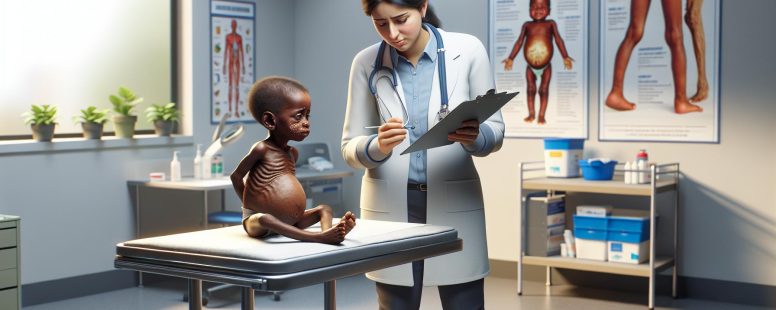
Imagine a world where the food on your plate determines not just your energy but your very survival. For millions, malnutrition isn’t just a term—it’s a daily reality. Two of the most devastating forms of severe malnutrition, kwashiorkor and marasmus, often go unnoticed until their effects become life-threatening. While both stem from nutritional deficiencies, their causes and symptoms paint very different pictures.
Have you ever wondered why some children show swollen bellies while others appear alarmingly thin? These contrasting signs hold the key to understanding the difference between kwashiorkor and marasmus. By exploring their unique traits, you’ll uncover how these conditions affect the body in distinct ways and why early intervention is critical. Understanding this difference could mean saving lives in communities where proper nutrition remains a challenge.
Understanding Kwashiorkor And Marasmus
Kwashiorkor and marasmus, both driven by malnutrition, impact the body in distinct ways. Understanding their definitions provides clarity on these serious health conditions.
Definition Of Kwashiorkor
Kwashiorkor results from severe protein deficiency even though adequate calorie intake. It leads to symptoms like edema, hepatomegaly, skin pigmentation changes, and stunted growth. Children aged 1-5 years, especially in regions with limited protein sources, are most affected.
Swollen bellies and legs distinguish kwashiorkor from other malnutrition types. Hypoalbuminemia contributes to fluid retention, causing the characteristic puffiness. Infections like measles may worsen the condition’s impact by suppressing the immune system further.
Definition Of Marasmus
Marasmus stems from prolonged calorie and protein deficiencies, leading to extreme energy depletion and muscle wasting. This condition primarily affects infants under two years due to inadequate breastfeeding or improper weaning.
Extreme thinness, with visible ribs and sagging skin, defines marasmus. Reduced fat reserves and lack of muscle tone create a “skin-and-bone” appearance. Low weight-for-age and persistent weakness signify the body’s struggle to maintain basic metabolic functions.
Key Causes Of Kwashiorkor And Marasmus
Understanding the causes of kwashiorkor and marasmus helps address these severe malnutrition disorders effectively. Each stems from distinct nutritional deficiencies with unique contributing factors.
Causes Of Kwashiorkor
Kwashiorkor primarily results from severe protein deficiency even though sufficient caloric intake. This condition often occurs when diets rely heavily on starchy staples like rice, cassava, or maize, with minimal access to protein-rich foods. Socioeconomic factors like poverty and food insecurity in developing regions significantly contribute to its prevalence.
Children aged between 1-5 years are the most affected group since their rapid growth phase heightens protein demands. For example, a child weaned prematurely onto a low-protein diet may display symptoms like edema due to diminished plasma protein levels. Frequent infections, arising from weak immunity linked to protein deficiency, can exacerbate the condition.
Causes Of Marasmus
Marasmus arises from prolonged calorie and protein deficiencies, making it a form of severe energy malnutrition. This condition often affects infants below two years old, especially in areas with famine, displacement, or extreme poverty. Unlike kwashiorkor, marasmus involves insufficient overall food intake, including both macronutrients and essential vitamins.
Premature cessation of breastfeeding without alternative balanced nutrition heightens risk. For instance, infants who rely on diluted formula or inadequate complementary feeding develop muscle wasting and growth retardation. Secondary factors like chronic diarrhea impair nutrient absorption, worsening the calorie deficit.
Symptoms And Characteristics
Recognizing the symptoms of kwashiorkor and marasmus aids early intervention and treatment. Both conditions involve malnutrition but exhibit significantly different physical and biochemical traits.
Symptoms Of Kwashiorkor
Kwashiorkor symptoms emerge from severe protein deficiency, even when calorie intake is adequate. Edema, or fluid retention, often gives the body a swollen appearance. Children might have protruding bellies, thin limbs, and rounded faces. Skin changes, such as darkening, depigmentation, or peeling, may appear in severe cases.
Hair becomes brittle, reddish, or easily pluckable due to protein depletion affecting keratin production. Growth slows, and the immune system weakens, raising infection risks. Fatty liver, indicated by hepatomegaly, commonly occurs. Behavioral changes, including irritability or apathy, signal underlying energy-protein malnutrition.
Without protein supplementation, these symptoms worsen, leading to severe complications like permanent growth failure. Kwashiorkor predominantly affects children aged 1-5 years in regions with protein-deficient diets.
Symptoms Of Marasmus
Marasmus results primarily from prolonged calorie and protein deficiencies. Unlike kwashiorkor, muscle wasting extremely marks this condition. Affected individuals have visible rib cages, sunken eyes, and severely reduced fat and muscle mass. Skin folds are prominent due to fat loss, and the overall body appears frail and gaunt.
Chronic exhaustion accompanies marasmus because insufficient energy intake hampers physical activity. Growth is stunted, and cognitive development slows. Digestive issues, including persistent diarrhea, further accelerate nutrient depletion. Skin becomes dry, wrinkled, and prone to sores since tissues lose vitality.
Marasmus usually affects infants under two years found in famine conditions or severe poverty. Premature weaning or dilution of breastmilk exacerbates the nutrient deficit. Muscle weakness and lack of coordination develop as the disease progresses, leaving individuals vulnerable to secondary infections.
Differences In Physical Appearance
Kwashiorkor and marasmus cause distinct changes in physical appearance due to differences in nutrient deficiencies. Recognizing these differences aids in identifying the condition and determining appropriate interventions.
How Kwashiorkor Affects Appearance
Kwashiorkor leads to noticeable swelling, particularly in the face, feet, and legs, resulting from fluid retention (edema). Protruding bellies often contrast sharply with thin limbs, creating an imbalanced appearance. Skin abnormalities, such as patchy discoloration, peeling, or lesions, are common and signal severe protein deprivation. Hair may become brittle, lose its natural color, or even fall out in patches.
Children aged 1-5 years often display stunted growth with weak, underdeveloped muscles even though having a swollen physique. Behavioral signs, like irritability and fatigue, can accentuate their unhealthy look. The immune system’s weakening increases susceptibility to visible infections, including skin inflammations.
How Marasmus Affects Appearance
In marasmus, extreme thinness dominates due to the significant loss of muscle mass and body fat. The rib cage becomes prominent, and the skin appears loose, often sagging on the bones. Sunken eyes, hollow cheeks, and an emaciated face give a gaunt appearance.
Infants younger than two years exhibit delayed growth, and their frail appearance may include persistent dry skin or visible sores from reduced healing capacity. Prolonged energy depletion can make movement sluggish and visible signs of exhaustion, such as drooping postures, more apparent, often intensifying their vulnerable state.
Diagnosis And Treatment Approaches
Identifying and treating kwashiorkor and marasmus early play a critical role in improving recovery and preventing complications. These approaches rely on proper diagnostic techniques and condition-specific interventions.
Diagnosis Methods
Diagnosis involves evaluating dietary history, physical symptoms, and medical examinations. For kwashiorkor, swelling in the legs, flaky skin changes, and dry, brittle hair are significant indicators. Blood tests may reveal low serum albumin levels, reflecting protein deficiency. Observing hair that easily falls out when pulled can further confirm kwashiorkor.
In marasmus, muscle wasting, visible rib cages, sunken cheeks, and a general loss of fat tissue are primary signs. Measuring the child’s weight-for-height ratio helps to identify severe wasting. Skinfold thickness tests and mid-upper arm circumference measurements provide insights into fat and muscle depletion. Persistent diarrhea or infections often accompany marasmus, complicating diagnosis.
Treatment For Kwashiorkor
Treating kwashiorkor focuses on restoring protein levels alongside addressing energy deficiencies. Therapeutic foods rich in protein, such as F-75 and F-100 formulas, help stabilize the patient and improve metabolic function. Providing multivitamin and mineral supplements, including Vitamin A and zinc, aids cell repair and immunity.
Rehydration using oral rehydration salts combats dehydration. Antibiotics address coexisting infections caused by weakened immunity. Gradually introducing protein through eggs, legumes, fish, or powdered milk prevents refeeding syndrome. Long-term interventions, like caregiver education on balanced diets, reduce recurrence risks.
Treatment For Marasmus
In marasmus, treatment restores overall energy and macronutrient balance gradually. Initial rehydration ensures electrolyte balance, avoiding aggressive feeding. Nutrient-dense therapeutic feeds, such as ready-to-use therapeutic food (RUTF), provide essential calories and nutrients. Breastfeeding, when feasible, supports recovery in infants.
Addressing underlying causes, like poverty or poor food availability, is necessary for sustainable recovery. Health monitoring tracks improvements in weight gain and muscle mass restoration. Vaccinations and routine deworming protect against infections. Long-term community nutrition programs, promoting calorie and protein-intake education, combat future marasmus cases.
Prevention And Public Health Measures
Addressing kwashiorkor and marasmus involves tailored prevention strategies to mitigate nutrient deficiencies and promote better health, especially among at-risk populations.
Preventing Kwashiorkor
Kwashiorkor prevention relies on ensuring adequate protein intake. Include diverse protein sources like legumes, eggs, dairy products, fish, and lean meats in children’s diets to support growth. For example, breastfeeding exclusively for the first six months followed by complementary feeding that includes protein-rich foods helps reduce the incidence of kwashiorkor.
Community-based nutrition programs can play a significant role in raising awareness about balanced diets. Organize workshops for caregivers to educate them on meal planning and recognizing early signs of malnutrition. Governments and NGOs can fortify staple foods, like rice and wheat flour, with essential nutrients such as proteins and amino acids to address deficiencies in resource-limited regions.
Address underlying socioeconomic factors. Tackling issues like poverty, food insecurity, and limited healthcare access ensures vulnerable groups have access to nutritious meals. Emergency interventions, such as providing ready-to-use therapeutic foods (RUTF), can prevent worsening conditions during famines or natural disasters.
Preventing Marasmus
Marasmus prevention emphasizes caloric sufficiency and micronutrient balance. Offer infants frequent energy-dense meals, incorporating accessible food items like fortified cereals, mashed fruits, and dairy. In communities facing prolonged food scarcity, distributing food parcels with calorie-dense and nutritionally balanced provisions is essential.
Breastfeeding plays a pivotal role. Promote exclusive breastfeeding during an infant’s first six months to fulfill critical energy needs. Advocacy campaigns targeted at new mothers in impoverished areas help prevent premature weaning linked to marasmus.
Public health measures must address broader factors. Develop policies to mitigate extreme poverty and provide health education, with a focus on strategies to prevent infections that exacerbate nutrient loss. Strengthen access to clean water and sanitation, as persistent diarrhea often causes significant caloric depletion. Governments could also carry out community feeding programs focusing on undernourished children and expectant mothers.
Conclusion
Understanding the differences between kwashiorkor and marasmus is essential for recognizing their unique impacts and addressing them effectively. These conditions highlight the critical need for proper nutrition, especially in vulnerable populations like young children and infants.
By identifying the distinct symptoms and causes, you can contribute to early detection and intervention, which are key to saving lives. Empowering communities with education, resources, and access to balanced diets can help prevent these severe forms of malnutrition and promote healthier futures.
To provide the best experiences, we use technologies like cookies to store and/or access device information. Consenting to these technologies will allow us to process data such as browsing behaviour or unique IDs on this site. Not consenting or withdrawing consent, may adversely affect certain features and functions.
Functional
Always active
The technical storage or access is strictly necessary for the legitimate purpose of enabling the use of a specific service explicitly requested by the subscriber or user, or for the sole purpose of carrying out the transmission of a communication over an electronic communications network.
Preferences
The technical storage or access is necessary for the legitimate purpose of storing preferences that are not requested by the subscriber or user.
Statistics
The technical storage or access that is used exclusively for statistical purposes.The technical storage or access that is used exclusively for anonymous statistical purposes. Without a subpoena, voluntary compliance on the part of your Internet Service Provider, or additional records from a third party, information stored or retrieved for this purpose alone cannot usually be used to identify you.
Marketing
The technical storage or access is required to create user profiles to send advertising, or to track the user on a website or across several websites for similar marketing purposes.