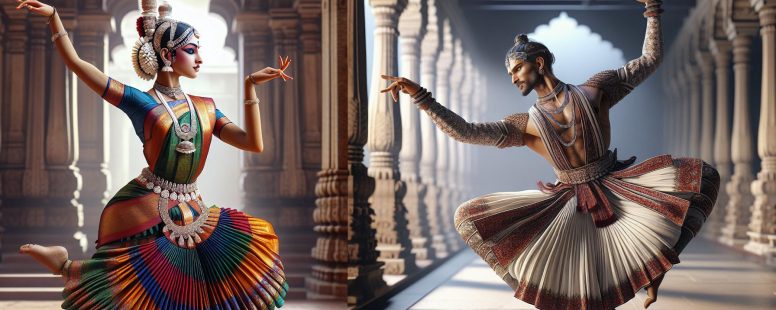
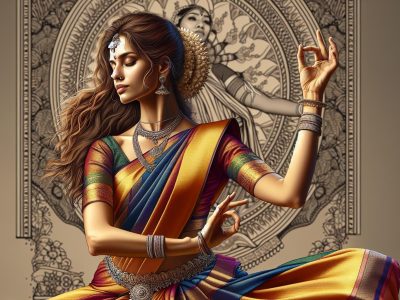
Picture the rhythm of ankle bells echoing through a grand hall, each step telling a story steeped in centuries of tradition. Indian classical dance forms like Kathak and Bharatnatyam are more than performances—they’re living expressions of history, culture, and spirituality. Yet, even though their shared roots, these two art forms couldn’t be more distinct in style, storytelling, and essence.
Kathak mesmerizes with its fluid spins and intricate footwork that mirror the spontaneity of life itself. In contrast, Bharatnatyam captivates with its geometric precision and sculptural poses that evoke temple carvings coming to life. Whether you’re drawn to Kathak’s dynamic energy or Bharatnatyam’s meditative grace understanding their differences unveils the rich tapestry of India’s artistic heritage.
Overview Of Kathak And Bharatnatyam
Kathak and Bharatnatyam stand as two iconic pillars of Indian classical dance. Both embody storytelling, rhythm, and cultural depth but differ in their origins, styles, and symbolic meanings.
Origins And Historical Background
Kathak traces its roots to North India. It emerged from the tradition of nomadic bards known as “Kathakas”, who narrated epics like the Mahabharata through expressive movements and rhythmic footwork. During the Mughal era, Kathak transformed into a court performance art, blending Persian influences with traditional Hindu themes.
Bharatnatyam originates from Tamil Nadu in South India. It’s considered one of the oldest dance forms, dating back over 2,000 years. Practiced initially by temple dancers or “devadasis”, it was an offering to deities and depicted religious narratives based on texts like Natya Shastra.
Cultural Significance
Kathak reflects the confluence of Hindu and Islamic cultures. The dance conveys stories using intricate spins (chakkars), dramatic expressions (abhinaya), and dynamic rhythms (tala). Performances often alternate between devotional themes for temples and romantic tales for courts.
Bharatnatyam embodies spirituality through geometry-based poses (karanas) that mimic ancient sculptures seen in South Indian temples. Its performances celebrate Hindu mythology with structured sequences like Alarippu (invocation) or Tillana (pure dance).
Both dances preserve India’s artistic heritage while showcasing regional diversity in style and purpose.
Key Differences In Style And Technique
Kathak and Bharatnatyam exhibit distinct styles and techniques, reflecting their unique cultural origins and artistic purposes.
Storytelling And Expression
Kathak emphasizes narrative storytelling through its roots in the oral traditions of North Indian bards. You observe expressive facial movements, mime-like gestures, and rhythmic footwork that align with tales from Hindu epics like Mahabharata or Persian legends introduced during the Mughal period. For instance, the dancer may transition fluidly between portraying Krishna’s playful demeanor to a courtly romance scene.
Bharatnatyam focuses on structured storytelling deeply rooted in South Indian temple rituals. Dancers use codified mudras (hand gestures) paired with precise abhinaya (expressions) to depict mythological themes. Symbolism dominates—each hand gesture holds specific semantic meaning, such as pataka for clouds or kartarimukha for separation. Performers often enact devotional stories about gods like Shiva or Vishnu.
Movements And Gestures
Kathak features swift spins called chakkars combined with intricate foot-tapping patterns synchronized with live tabla beats. Movements are free-flowing yet maintain poise; transitions appear seamless but demand immense control over rhythm variations (taal). The torso remains upright while arms extend gracefully to complement dynamic steps.
In contrast, Bharatnatyam employs angular poses resembling sculptures seen in Tamil Nadu temples. Postures emphasize symmetry—bent knees (aramandi) create triangular stances symbolizing stability. Movements alternate between sharp freezes and smooth transitions; each step follows strict adherence to predefined sequences (adavus). Gestures originate from classical texts like Natya Shastra.
Costumes And Jewelry
Kathak costumes reflect influences from Mughal courts: women wear flared anarkali suits adorned with light embroidery, whereas men don kurta-pajama sets paired with dupattas draped elegantly over shoulders. Jewelry includes anklets emphasizing ghungroo sounds during footwork sequences.
Bharatnatyam attire showcases traditional South Indian aesthetics: dancers sport sari-based outfits pleated at the front for flexibility during poses like Nataraja stance. Ornate jewelry sets include headpieces (maang tikka), nose rings, necklaces, bangles, earrings crafted in temple-style designs using gold-plating techniques alongside kumkum-decorated foreheads matching vibrant costumes rich in primary colors like red-green-gold combinations.
Musical Accompaniment And Instruments
Both Kathak and Bharatnatyam are deeply rooted in Indian musical traditions, each showcasing unique instruments and styles that enhance their performances. Their distinct auditory elements reflect the cultural and historical influences of the regions they originate from.
Kathak’s Musical Tradition
Kathak relies on Hindustani classical music, with a focus on rhythm and melody to complement its intricate footwork. The tabla and pakhawaj provide rhythmic patterns, while instruments like the harmonium or sarangi add melodic layers. These accompany the dancer’s ghungroo (ankle bells), amplifying every nuanced step. Kathak musicians often improvise during live performances, creating dynamic interactions between dancers and instrumentalists.
For storytelling segments, vocal renditions of thumri or dadra often serve as a backdrop. These semi-classical genres allow expressive freedom to match Kathak’s emotive storytelling style. In this synergy, you witness how music and dance communicate seamlessly.
Bharatnatyam’s Musical Elements
Bharatnatyam draws from Carnatic classical music, emphasizing structured compositions that align with its predefined sequences. The mridangam plays a central role in maintaining rhythm, supported by instruments like the violin or flute for melodic depth. The nattuvangam—cymbals played by the guru—provides precise cues for transitions between movements.
Vocal compositions such as varnams or kritis form an integral part of Bharatnatyam routines, narrating mythological stories through lyrics synchronized with hand gestures (mudras) and expressions (abhinaya). This tightly woven relationship between dance choreography and musical arrangement underscores Bharatanatyam’s disciplined framework.
In both forms’ musical accompaniments lies an intricate balance: spontaneity in Kathak versus structure in Bharatnatyam—a reflection of their contrasting artistic philosophies.
Performance Settings And Presentation
Kathak and Bharatnatyam differ significantly in their performance environments and audience engagement, reflecting their cultural roots and historical evolution.
Traditional Stage Settings
Kathak performances often take place on open stages or prosceniums, emphasizing fluidity and interaction with the audience. The dancer occupies a central space, using swift spins and expansive movements that create a dynamic visual impact. Mughal court influences are evident in the grandeur of stage setups for Kathak, which may include intricate backdrops mirroring Persian aesthetics. For example, performances might feature elaborate carpets or ornate drapery to evoke royal elegance.
Bharatnatyam traditionally thrives in temple courtyards or smaller enclosed spaces designed for devotional offerings. The geometric precision of its movements aligns with the symmetrical architecture of South Indian temples. Performances typically use minimalistic settings to maintain focus on the dancer’s expressions and mythological storytelling. Iconic examples include dances performed before deities during festivals like Navaratri, highlighting its spiritual essence.
Audience Interaction
Kathak engages audiences through direct eye contact, improvised dialogues between dancers and musicians, and rhythmic footwork that invites viewer participation. Performers occasionally pause mid-performance to exchange smiles or gestures with spectators, fostering an intimate connection. Narrative sequences from epics like the Mahabharata are often presented humorously or dramatically to captivate attention.
In Bharatnatyam, interaction is more symbolic than direct due to its ritualistic origins. Dancers communicate emotions (bhavas) through codified expressions (abhinaya) rather than spontaneous improvisation. Audiences interpret stories from Hindu texts like Ramayana based on the dancer’s precise hand gestures (mudras) and facial expressions without verbal cues—a practice deeply rooted in tradition but requiring cultural literacy for full appreciation.
Similarities Between Kathak And Bharatnatyam
Both Kathak and Bharatnatyam share deep roots in Indian classical traditions, emphasizing storytelling as a core element. They use expressive gestures (mudras) and facial expressions to narrate tales from ancient Hindu epics like the Ramayana and Mahabharata. This common focus on narrative artistry bridges their regional differences.
The dances incorporate rhythmic footwork synchronized with music. In Kathak, intricate foot-tapping patterns align with Hindustani rhythms, while Bharatnatyam employs precise beats rooted in Carnatic music. Both forms showcase proficiency through synchronization of movement and sound.
Traditional costumes highlight their cultural significance. While differing in style, both emphasize vibrant colors, intricate designs, and jewelry to enhance visual appeal during performances.
Spirituality underpins both dance forms as they originated from devotional practices. Kathak’s evolution includes temple rituals alongside court adaptations; meanwhile, Bharatnatyam remains deeply connected to religious offerings dedicated to deities.
Musical accompaniment plays an essential role in creating dynamic performances. Even though differences in instruments—tabla for Kathak versus mridangam for Bharatnatyam—both rely on live music that complements choreography seamlessly.
Dancers undergo rigorous training over years to master techniques and expressions unique to each form but grounded in shared dedication to preserving Indian culture’s artistic heritage.
Conclusion
Understanding the unique characteristics of Kathak and Bharatnatyam allows you to appreciate their depth, cultural significance, and artistic brilliance. Each form reflects a distinct blend of history, technique, and spirituality that continues to captivate audiences worldwide.
Exploring these dance forms not only deepens your knowledge of Indian classical traditions but also highlights the beauty of diversity within shared heritage. Whether you’re drawn to the fluid storytelling of Kathak or the intricate precision of Bharatnatyam, both offer a profound connection to India’s rich cultural legacy.
To provide the best experiences, we use technologies like cookies to store and/or access device information. Consenting to these technologies will allow us to process data such as browsing behaviour or unique IDs on this site. Not consenting or withdrawing consent, may adversely affect certain features and functions.
Functional
Always active
The technical storage or access is strictly necessary for the legitimate purpose of enabling the use of a specific service explicitly requested by the subscriber or user, or for the sole purpose of carrying out the transmission of a communication over an electronic communications network.
Preferences
The technical storage or access is necessary for the legitimate purpose of storing preferences that are not requested by the subscriber or user.
Statistics
The technical storage or access that is used exclusively for statistical purposes.The technical storage or access that is used exclusively for anonymous statistical purposes. Without a subpoena, voluntary compliance on the part of your Internet Service Provider, or additional records from a third party, information stored or retrieved for this purpose alone cannot usually be used to identify you.
Marketing
The technical storage or access is required to create user profiles to send advertising, or to track the user on a website or across several websites for similar marketing purposes.