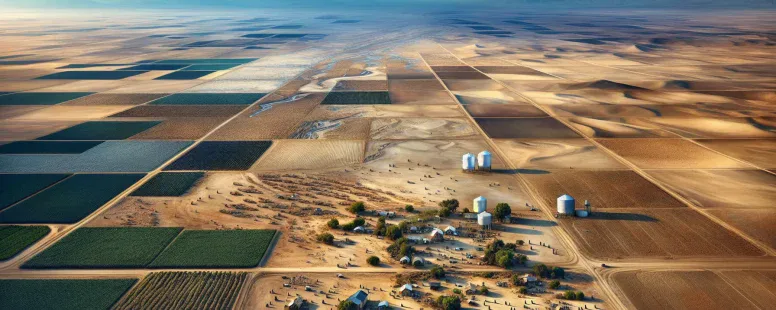
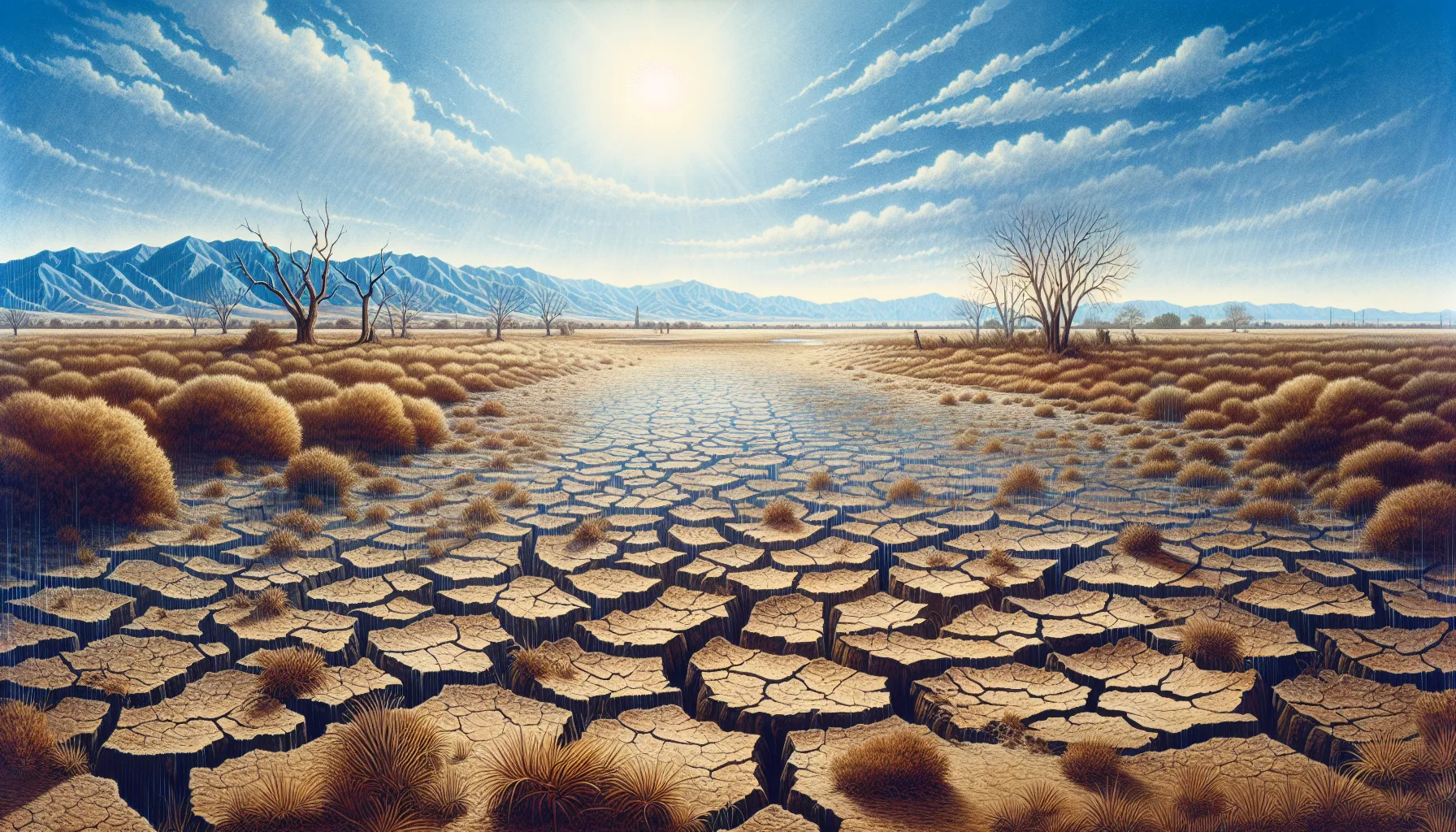
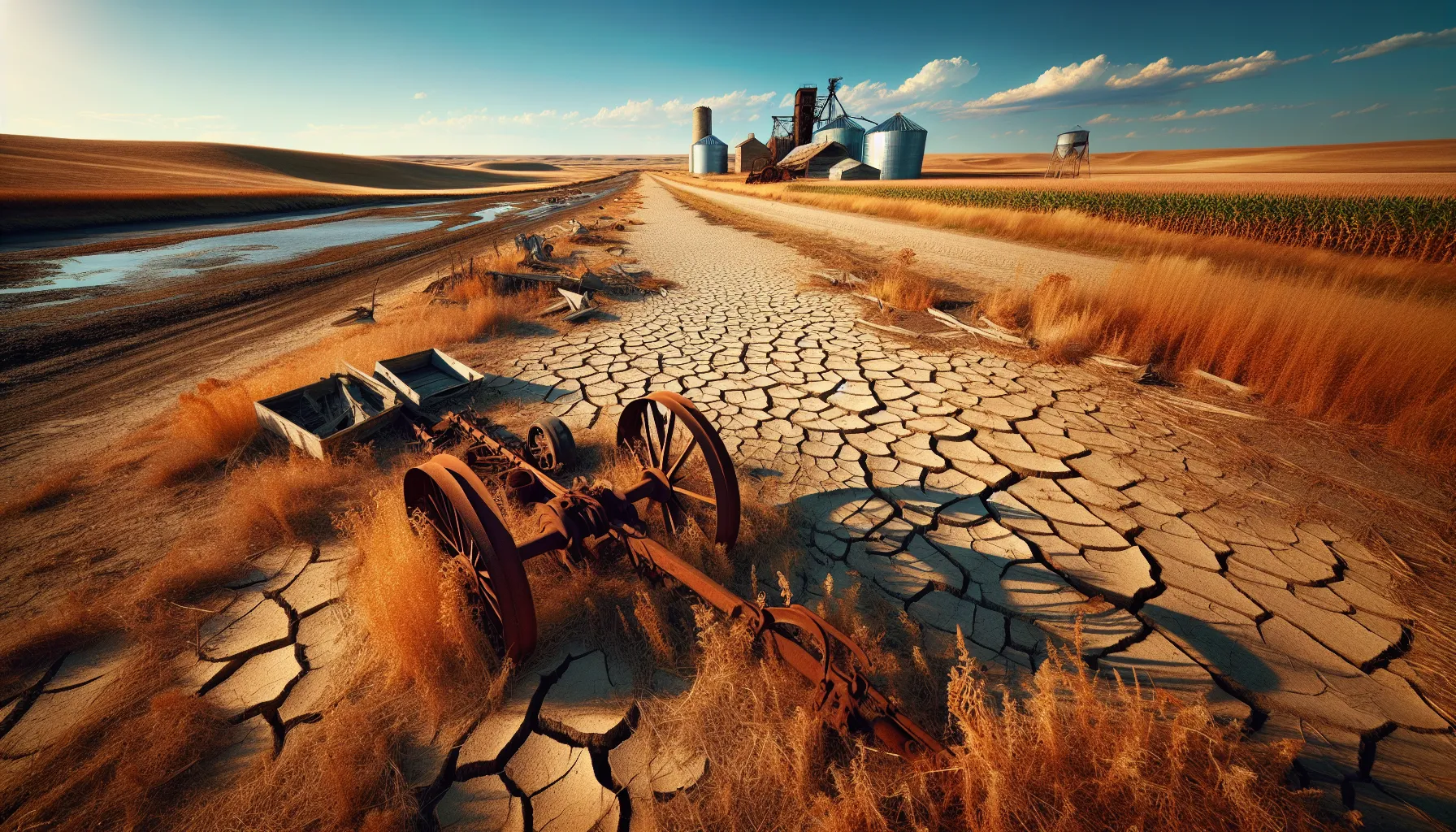
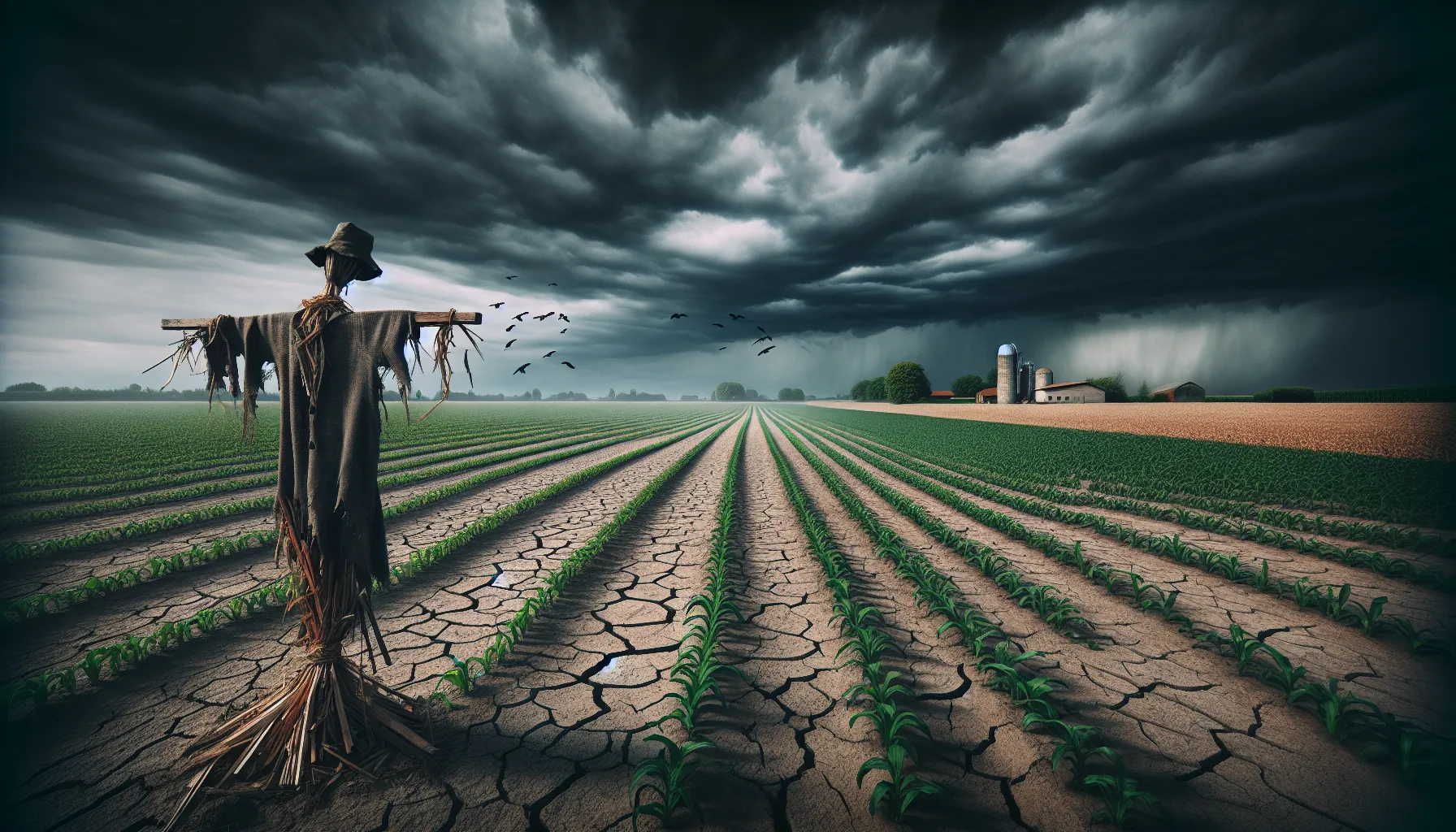
Picture a stretch of land parched by weeks of relentless sun, where crops wither and rivers shrink, leaving communities at risk of severe deprivation. At first glance, you might attribute this crisis solely to drought, a prolonged lack of precipitation. But, when scarcity escalates into widespread lack of access to basic sustenance, it crosses into the realm of famine. While these terms are interconnected, understanding their specific differences is crucial to aptly addressing their distinct challenges.
Understanding Drought: Causes and Effects
Characteristics and Impacts of Drought
Drought is characterized by an extended period of deficient rainfall relative to an area’s average precipitation. This anomaly, often measured over seasons or years, disrupts water availability for agriculture, ecosystems, and human consumption. The ensuing impacts range from reduced crop yields and economic losses to heightened stress on local biodiversity.
Geographical and Environmental Contributors
Drought frequency and severity vary due to geographical and climatic conditions. Regions dependent on consistent monsoonal rains or areas within arid zones are particularly susceptible. Besides, large-scale environmental phenomena, such as El Niño events, exacerbate drought conditions by altering atmospheric circulation systems.
Understanding Famine: Causes and Effects
Historical and Contemporary Examples of Famine
Throughout history, famines have left devastating imprints, from the Irish Potato Famine of the 1840s to food shortages in modern conflict zones. These instances underscore how sociopolitical disruptions compound natural events to lead to food scarcity.
Socioeconomic and Political Contributors
Famines rarely stem from environmental causes alone. Political instability, insufficient infrastructure, and disrupted supply chains play significant roles in exacerbating food insecurity. Also, poverty, lack of technological adoption, and skewed resource distribution perpetuate hardships for vulnerable populations.
Comparison: How Drought and Famine Interconnect
Beyond Natural Causes: Interplay of Factors
The linkage between drought and famine is profoundly intertwined. While drought primarily originates as a natural phenomenon, its cascading effects often culminate in famine conditions if compounded by inadequate responses or pre-existing vulnerabilities, such as poor governance or weak economic structures. This interplay highlights the necessity of recognizing both natural and human elements in addressing these crises.
Management and Mitigation Strategies for Drought and Famine
Technological and Policy Approaches
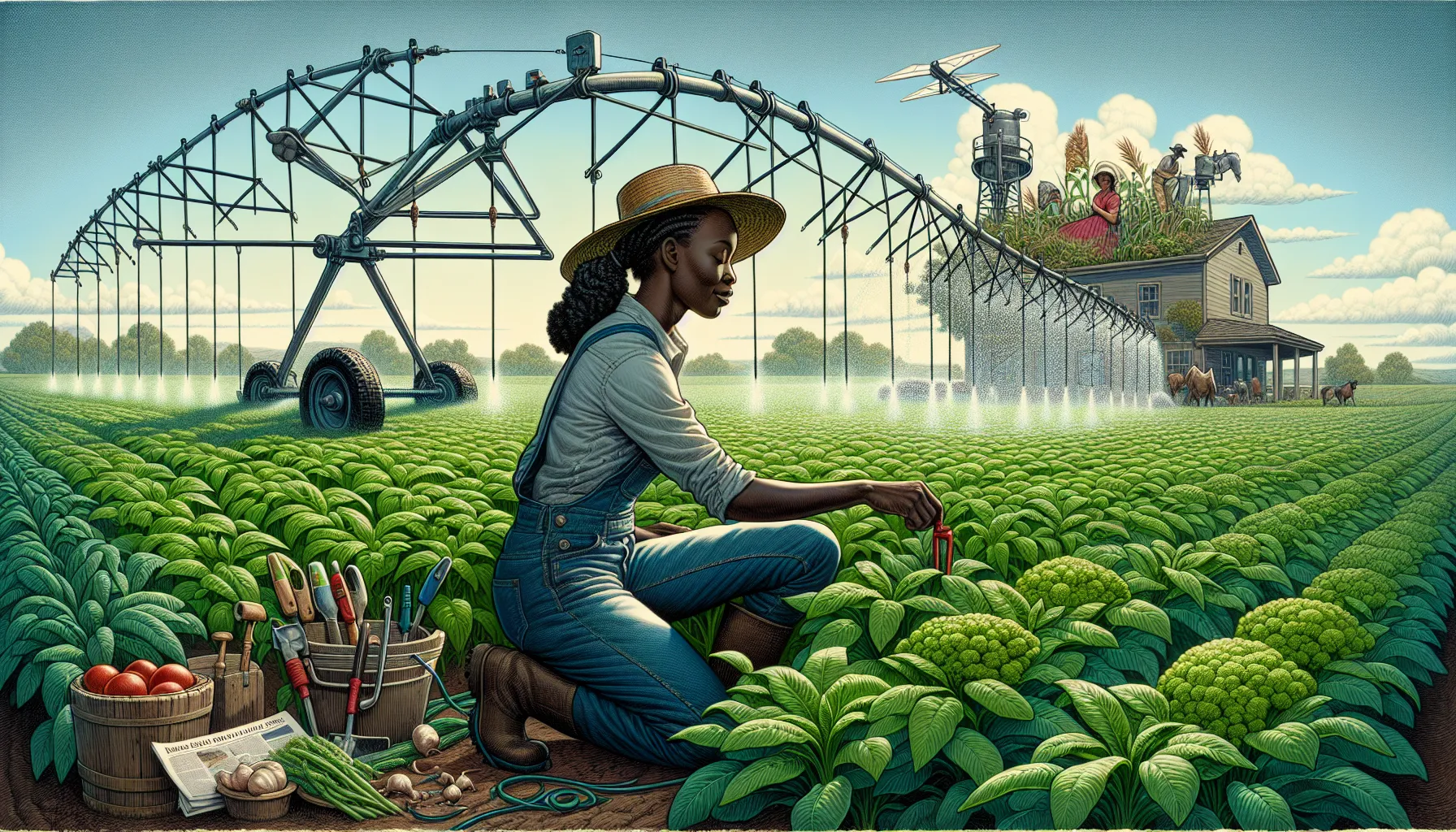
Technological innovations, including drought-resistant crops and precision irrigation, offer promising solutions to mitigate the effects of drought. Policies focusing on disaster preparedness, renewable water resource development, and international cooperation also enhance resilience.
Community-Level Adaptation Tactics
At the community level, adapting agricultural practices, strengthening local food systems, and creating robust social safety nets provide individuals with the capacity to withstand environmental and socioeconomic upheavals. Empowering communities fosters sustainable responses to these challenges.
To provide the best experiences, we use technologies like cookies to store and/or access device information. Consenting to these technologies will allow us to process data such as browsing behaviour or unique IDs on this site. Not consenting or withdrawing consent, may adversely affect certain features and functions.
Functional
Always active
The technical storage or access is strictly necessary for the legitimate purpose of enabling the use of a specific service explicitly requested by the subscriber or user, or for the sole purpose of carrying out the transmission of a communication over an electronic communications network.
Preferences
The technical storage or access is necessary for the legitimate purpose of storing preferences that are not requested by the subscriber or user.
Statistics
The technical storage or access that is used exclusively for statistical purposes.The technical storage or access that is used exclusively for anonymous statistical purposes. Without a subpoena, voluntary compliance on the part of your Internet Service Provider, or additional records from a third party, information stored or retrieved for this purpose alone cannot usually be used to identify you.
Marketing
The technical storage or access is required to create user profiles to send advertising, or to track the user on a website or across several websites for similar marketing purposes.