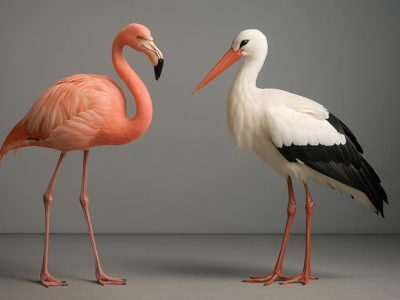
Picture a quiet park at sunrise—soft coos drift through the cool air as delicate feathers catch the golden light. You spot a slender white bird perched beside a plump gray one and wonder: are they both doves, or is one a pigeon? The answer isn’t as simple as you might think.
Most people use “dove” and “pigeon” interchangeably, but there’s a surprising world of differences just beneath those gentle wings. Understanding what sets them apart can change how you see city streets and country gardens alike, revealing fascinating secrets hidden in plain sight. Get ready to discover the subtle traits and unexpected benefits of knowing your doves from your pigeons—it might just transform your next walk outdoors.
Understanding Doves and Pigeons
Scan an old town square at dawn, and you’ll spot birds fluttering near café chairs or cooing from ancient ledges. Some call them doves, others say pigeons. You’re probably wondering if there’s an actual difference, or just another case of tomato-tomahto. The dependency grammar lets us break this puzzle down, analyzing how “dove” and “pigeon” become subjects in sentences that echo through both cities and countryside.
You see doves and pigeons perch together, but ornithologists (Cornell Lab of Ornithology) classifies both under the family Columbidae. The term “pigeon” often implies the common city dweller—rock pigeon (Columba livia)—while “dove” refers to smaller, often whiter species like the mourning dove (Zenaida macroura). It’s like calling every soft drink “soda,” but locals add “pop” or “coke” depending on the region. Which are you most likely to see at a wedding release? Doves take that spot, their white feathers chosen for symbolism, but most released “doves” are domesticated white pigeons trained to return home.
Picture reading a poem—do doves and pigeons conjure different feelings? Literature frames doves as gentle, symbols of peace, while pigeons become city survivors, persistent, sometimes unwelcome. This dual identity reflects their grammatical function: Both nouns share a direct object position in language and conversation, yet their connotations diverge like forks in a path.
Discovering a nesting pigeon atop a grocery store sign—does it remind you of adaptability? Pigeons thrive beside people in Parisian plazas and New York subways alike. Doves, on the other hand, you’ll often find in quieter landscapes or as comfort symbols in holiday cards. Their calls differ too: Doves repeat mellow coos, while pigeons use bolder, throaty notes.
Some ask, isn’t pigeon just a fancier dove? Scientifically, genus and species distinctions matter. For example, the European turtle dove (Streptopelia turtur) migrates thousands of miles each year, carrying seeds that rejuvenate forests, while city pigeons eat leftovers, their droppings slowly carving history into stone statues.
Do you ever wonder which bird you’d rather be—urban pioneer or rural peacemaker? Your answer says alot about how you see the world and its sentences. Next time you spot a bird bobbing its head in a plaza, don’t just pass by. Ask: Is it pigeon or dove, comman or extraordinary?
Physical Differences Between Doves and Pigeons
Physical traits help you spot doves and pigeons almost instantly. While you might see flocks of both rustling feathers in the same neighborhood, each species carries its own distinct silhouette and palette.
Size and Shape Variations
Size becomes immediately obvious when comparing doves and pigeons. Most doves, like the Eurasian collared dove, weigh less than 6 oz (170g). Their frames are lean, their tails are longer—appearing pointed or squared at the end. Picture a mourning dove perched on a wire: its small, slender body contrasts sharply with the rounder, bulkier rock pigeon you’ll pass in crowded city squares.
Shape tells another story. Pigeons, for example, the common city-dwelling rock pigeons (Columba livia), can weigh up to 13 oz (370g) (Cornell Lab of Ornithology). They have stout bodies, short necks, and tails that aren’t so pointed. Picture pigeons cooing around grains at a train station, their bodies squat, their movements sturdy, seeming almost like the security guards of the bird world.
Ever asked yourself why this size difference matters? Urban predators are more likely to seize smaller birds. In city parks, pigeons’ larger size dissuades some threats, while doves’ subtle build aids fast escapes.
Color and Plumage Characteristics
Color separates doves from pigeons just as much as size. Doves, especially species like the white dove or the mourning dove, display muted hues—primarily soft gray, gentle browns, or clean whites. Their simple shades create a sense of peace; you may recall seeing a dove released at a public ceremony, wings flashing in the sunlight.
Pigeons, by contrast, arrive in a riot of urban color. The rock pigeon, for example, flaunts blue-gray plumage with bold iridescent neck patches—shimmering green and purple when sunlight hits right. Feral pigeons boast a wild array: rusty reds, slate blues, and even checkerboard wing patterns. The diversity proves striking, especially if you stop and look at any group pecking sidewalk crumbs.
Ask yourself: have you ever noticed that white or pale doves appear almost invisible against pale sky, while city pigeons blend seamlessly into a backdrop of concrete and stone? This subtle difference in camouflage reveals how these birds have semantically evolved for different habitats.
Scientific researchers (National Audubon Society) use these color and plumage cues to identify species in the wild. You could use these details during your next park stroll—who knows, you might spot an elusive white-winged dove amidst the typical city pigeons.
Behavioral and Habitat Differences
Behavioral and habitat differences set doves and pigeons apart long before feathers flutter or wings launch into open sky. Their distinct routines shape where you spot them, how you hear them, and even the stories told in city streets or country parks.
Mating and Nesting Habits
Mating displays in doves often seem like soft ballet, with males puffing chests and cooing gentle songs. Mourning doves—common in suburban gardens—share tender preening rituals, exchanging twigs and soft calls in low shrubs or hanging planters. Pigeons, especially the ubiquitous rock pigeon, get bolder. You’ll see courtship struts, circular dances, and laser-sharp focus on a chosen mate, right on concrete ledges. When nesting, pigeons favor high and sturdy nooks—building ledgy, messy nests above traffic lights or on weathered rooftops. Doves stick closer to trees or thick bushes, constructing neater, almost fragile cup-like structures.
Questions surface: Why does a pigeon risk a city’s chaos while a dove seeks subtle, tucked-away branches? According to research from the Cornell Lab of Ornithology, urban architecture mimics rock formations where wild pigeons nested before cities grew (Cornell, 2023). Doves avoid confusion and overcrowding by selecting quiet places, minimizing predation and competition.
Preferred Environments
Preferred environments reveal more about how each bird faces its world. Pigeons flood plazas and clatter under bridges, thriving in city vortexes. Cities become their forest, with food scraps on every corner and nesting ledges built into the very bones of skyscrapers. Doves, such as the white-winged dove or the mourning dove, slip into rural woodlots or wide-open meadows, often near water or seed-rich ground. Listen for their plaintive calls at dawn, mingling with fog and distant tractor rumbles.
Farmers sometimes call doves “field drifters”—they rarely linger in one place too long. You’ll likely find their slender silhouettes perched on telephone wires stretching across fields after harvest. Pigeons might not even see the open prairie, content instead to rule the city’s heart.
This habitat dynamic sparks debate among birdwatchers. Some insist urban sprawl benefits pigeons while squeezing doves further out (BirdLife International, 2022). Others note how resilient doves are, adapting and nestling closer to humans yearly. Do you hear pigeons’ gruff coos echo through alleyways at midnight, or does the dove’s gentle trill greet you with sunrise? Maybe your answer says more about your environment than theirs.
Symbolism and Cultural Meanings
Try picturing a white dove perched silently at the edge of a wedding aisle, ribbon trailing like a whisper—a living symbol of peace and forever promises. For centuries, doves have fluttered through the stories and rituals of humanity, bearing profound semantic weight. Religious texts, like the Bible, mention doves after the Great Flood, where Noah sends one to search for dry land. In Christianity, you might notice the dove embodying the Holy Spirit, hope and purity (see: Matthew 3:16). Doves, those slender Columbidae with gentle coos, find themselves released during ceremonies marking new beginnings, whether weddings or ceasefires.
You see pigeons, though, claim a different perch in cultural consciousness. In ancient Mesopotamia, pigeons got revered as sacred birds—messengers for goddesses like Ishtar. Pigeons carry notes of persistence and adaptability, especially in crowded cityscapes. It makes you wonder—if a pigeon outwits the urban jungle day after day, don’t you see some kind of gritty heroism? New York icons, these birds are seen as emblems of survival; they endure traffic, skyscraper winds, and shifting seasons just outside your door. People sometimes call them “rats with wings,” but beneath the insult lies a grudging respect for their tenacity.
Families in some cultures raise homing pigeons for generations (Reuters, 2021). Competitive pigeon racing still thrives across Belgium, China, and even the United States. Try imagining the suspense as thousands of pigeons soar skyward at dawn, owners tracking GPS signals, hearts pounding, lives woven to a bird’s return.
Why such a divide? Ask yourself if you’ve noticed that doves represent gentle aspirations—love, fidelity, and reconciliation—while pigeons evoke resourcefulness and ingenuity. Art and literature echo this split, with Pablo Picasso’s “La Colombe” depicting a dove as peace personified, and Charles Darwin observing the domestic pigeon’s diversity to explain natural selection (Darwin, 1859).
If you walk through any major city or watch public ceremonies on your screen, you’re silently choosing which meaning you accept: Do you align closer with the fragile vision of harmony carried by a dove’s wing, or with the rough wisdom in a pigeon’s determined strut? Each glance at these birds is a small vote for the stories that shape your worldview. Would you set a white dove free above a wedding, or would you marvel at a city pigeon threading traffic with enviable confidence?
Bird
Symbolic Associations
Cultures/Traditions
Notable Example
Dove
Peace, purity, love
Christianity, marriages, ancient Greece
Olympic Games emblem, Noah’s Ark
Pigeon
Survival, adaptability
Ancient Mesopotamia, racing, urban folklore
Homing pigeons in World Wars
So, next time when you catch a flash of wings, consider the legends at your feet and in the sky. Are you seeing just birds or the living metaphors perched in your own story, silently waiting for you to notice?
Common Myths and Misconceptions
People often repeat the myth that doves and pigeons are entirely different species, but they’re both in the Columbidae family—are you surprised? The word “dove” sometimes evokes images of peace doves at weddings, pure and gentle, while “pigeon” brings up thoughts of bustling city birds, dodging between feet on a crowded plaza. , these distinctions hinge on culture and language more than strict taxonomy, so isn’t it interesting how words shape your perceptions?
Some think doves only live in peaceful countrysides and pigeons in dirty cityscapes. Eurasian collared doves nest in suburban backyards, while rock pigeons appear on rural silos as often as on New York skyscrapers (Cornell Lab of Ornithology, 2020). Image these scenarios: a farmer’s grain field erupting in a flurry of pigeons, a pair of mourning doves cooing on an apartment balcony. doves only come in white, but mourning doves display dusty brown and gray feathers. Urban pigeons, far from drab, flash iridescent greens and purples—have you paused to see those colors shimmer under the sunlight? Anecdotes about children mistaking a city pigeon for a dove at a park picnic highlight how plumage confuses even keen observers.
Another common misconception says pigeons lack intelligence, disregarding their proven ability to recognize faces, solve puzzles, and even deliver messages during wars (Yerkes 1943, National Geographic 2018). You might recall stories about war hero pigeons honored with medals, their resilience matching that of any iconic dove.
If you ever notice yourself differentiating doves and pigeons solely by appearance, remember to consider behavior and location too. Ask yourself: does that bird walk with measured confidence or flutter nervously while scanning for predators? Next time you encounter a flock, challenge your perception—maybe there’s more to that “common pigeon” than meets the eye.
It’s easy to let first impressions and cultural metaphors guide your understanding—white doves symbolize hope, gray pigeons endurance—but these associations mask the true diversity in the Columbidae world. So, what stories are you telling yourself, and could your own city hold hidden beauty in “just another pigeon”?
Which Is Which? Tips for Identification
Spotting a dove and a pigeon out in the wild feels like discovering hidden chapters in a book you thought you finished. When you encounter two birds perched on a city ledge, ask yourself, are their coos as soft as dusk, or are their feathers a splash of iridescence under the morning sun? Use these clues to unravel the mystery.
Body structure signals intention: Doves—such as the mourning dove (Zenaida macroura)—often appear petite, their slender frames and narrow tails reminiscent of elongated teardrops. Pigeons, like the rock pigeon (Columba livia), lean bulkier, with broader chests and rounded tails, signaling confidence in busy squares. As Dr. John R. Lovell notes in The Pigeons and Doves of the World, this robust build helps pigeons exploit urban environments, while doves remain airier and more elusive.
Plumage tells stories: While doves cover themselves in neutral tones—creamy beiges and gentle grays—pigeons flaunt metallic blues, greens, and purples. In cities like New York, pigeons span an array of hues, gifts from centuries of interbreeding. Doves rarely shimmer, their subtle colors reflecting quiet habitats. Pause on a park bench—do you see a flash of bronze catching the light, or a consistent, muted palette blending gently into the backdrop?
Vocalizations hint at identities: Pigeon calls burst with assertiveness—cooing in rapid, repetitive staccato—filling train stations and city streets. Doves, by contrast, release softer, mournful notes, like wind humming through old trees. Birdwatcher forums such as eBird log thousands of sightings where call differences resolved identification debates. Next time, rely on your ears: Does their song linger like a whispered secret, or fill the air like a brass band?
Behavior and posture spell personality: Pigeons walk with swagger, bobbing their heads confidently as they investigate crumbs. Doves tend move with cautious grace, their footsteps tentative, their flights swift and direct. An observer in Chicago’s Millennium Park recorded how pigeons circled feet without fear, while doves slipped away to margins, wary of crowds.
Nesting choices sketch boundaries: Pigeons exploit concrete canopies, tucking nests on window sills and beneath bridges, demonstrating adaptability. Doves opt for precarious branches far from foot traffic, sometimes so fragile that eggs balance at the edge of collapse—an architectural gamble. Urban sprawl tests their boundaries, and you can spot the difference by watching where each species stakes its claim.
Legs aren’t just for standing—note that pigeons show off red, stocky legs, while doves have slimmer, rosier feet. Consider their flight, too: pigeons’ wings beat rapidly, launching in flurries, their departure loud and urgent. Doves flutter quietly, vanishing with barely a rustle.
With these cues, you decode city life’s feathered drama. Next time you encounter a mysterious shadow on the balcony or a pair sunning on the sidewalk, question what their features, behaviors, and songs quietly reveal. Every city corner and country lane hosts a bird with an ancient story. Which one did you meet today?
Conclusion
Next time you spot a flutter of wings in the park or hear a gentle coo from a rooftop, you’ll know there’s more to the story than meets the eye. By tuning in to the subtle differences between doves and pigeons, you open yourself to a richer experience every time you step outdoors.
Let your curiosity lead you to notice the details that make each bird unique. Whether you’re in a bustling city or a quiet countryside, your newfound knowledge will deepen your connection to the natural world and spark a greater appreciation for the beauty and resilience of these often-overlooked creatures.
To provide the best experiences, we use technologies like cookies to store and/or access device information. Consenting to these technologies will allow us to process data such as browsing behaviour or unique IDs on this site. Not consenting or withdrawing consent, may adversely affect certain features and functions.
Functional
Always active
The technical storage or access is strictly necessary for the legitimate purpose of enabling the use of a specific service explicitly requested by the subscriber or user, or for the sole purpose of carrying out the transmission of a communication over an electronic communications network.
Preferences
The technical storage or access is necessary for the legitimate purpose of storing preferences that are not requested by the subscriber or user.
Statistics
The technical storage or access that is used exclusively for statistical purposes.The technical storage or access that is used exclusively for anonymous statistical purposes. Without a subpoena, voluntary compliance on the part of your Internet Service Provider, or additional records from a third party, information stored or retrieved for this purpose alone cannot usually be used to identify you.
Marketing
The technical storage or access is required to create user profiles to send advertising, or to track the user on a website or across several websites for similar marketing purposes.