Picture the moment when you unwrap a bar of rich dark chocolate—the scent alone is enough to transport you to distant rainforests and sun-drenched plantations. But as that bittersweet flavor melts on your tongue, what truly lies behind the words “cocoa” and “cacao” on the label? These terms might seem interchangeable yet they hold secrets that could change the way you savor your favorite treats.
Unlocking the difference isn’t just about satisfying curiosity—it could transform your pantry and your well-being. From hidden bursts of antioxidants to subtle shifts in taste and texture, the world of chocolate is more complex and rewarding than you might think. Get ready to explore how one small distinction can make a world of difference in every delicious bite.
What Are Cocoa and Cacao?
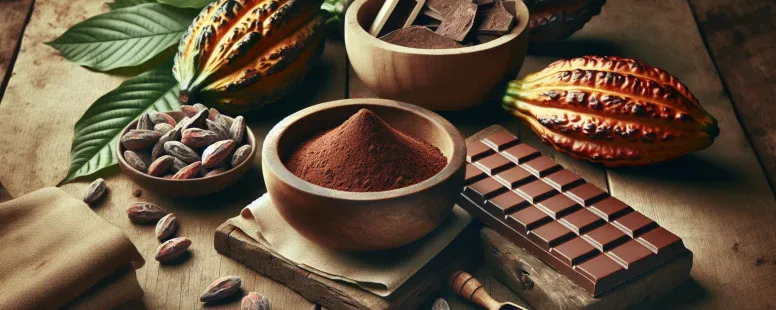
Cocoa and cacao both come from the Theobroma cacao tree, but they take different paths from pod to pantry. Picture cracking open a fresh cacao pod: inside, glossy purple beans nestle in a sweet pulp, each bean packed with nutrients and the raw potential for chocolate. The moment farmers ferment and dry those beans under the hot equatorial sun, something magical begins—the journey that split “cacao” and “cocoa” into two distinct culinary worlds.
Cacao usually refers to beans and products that undergo minimal processing. You’ll spot raw cacao nibs at health food stores—crunchy bitter fragments that remind you of 85% dark chocolate, only earthier. Raw cacao powder offers more antioxidants than cocoa, according to a study from the Journal of Agricultural and Food Chemistry. People’s palates recognize subtle fruit and floral notes in cacao, reflecting its close ties to the tree and terroir.
Cocoa steps in after a heating process. Producers roast and process the beans to create cocoa powder and chocolate bars, giving that rich, familiar flavor most recognize from baking. Dutch-processed cocoa joins baking recipes worldwide, its acidity neutralized with alkali for smoother blends. Yet, roasting can reduce some nutrients, and not everyone know that.
Ask yourself: when you savor a piece of dark chocolate, are you tasting the raw boldness of cacao or the mellowed charm of cocoa? What does your pantry say about your food philosophy—boldly raw, or deeply roasted? Both have fans. Hershey’s, for example, built an empire on cocoa, while artisans in Peru showcase single-origin cacao beans, letting terroir shine.
Next time you see cacao or cocoa on a label, pause. How did weather, soil, or a farmer’s hand change that flavor? Which story do you want to taste?
How Cocoa and Cacao Are Made
Identifying where cocoa and cacao part ways starts with understanding the processing journey. Your taste buds already know the difference—now, trace their story back to the source.
Harvesting and Processing
Local farmers slice open ripe Theobroma cacao pods, which sometimes weigh up to a pound, to scoop out beans covered in sticky white pulp. If you ever seen a tropical orchard at sunrise, you’d spot hands stained purple, piling up glistening seeds in the shade, their laughter echoing alongside the calls of toucans. Fermentation starts right there on the ground under banana leaves, where wild yeasts get to work. Skipping fermentation, as in some raw cacao production, means tangy, almost wine-like flavors linger. Traditional cocoa, though, always ferments—a step vital for that rich, mellow chocolate aroma.
After fermentation, beans journey to wooden tables or tarps for sun-drying. One missed hour of rain, and the batch risks spoilage. Dry cacao beans snap sharply; local children compare the sound to brittle twigs.
Key Steps in Production
Producers roast most cacao beans to create cocoa, using temperatures above 120°C (248°F), which develops caramel notes and reduces bitterness. The difference is stark: cacao loses far fewer antioxidants if unroasted, and its color stays lighter, sometimes reddish. Cocoa powder production involves dutching—an alkalizing treatment that smooths flavor and deepens color, according to the International Cocoa Organization.
Manufacturers grind roasted or raw beans into a paste, separating them into cocoa butter and dry solids. For cacao nibs and raw powder, that’s where the path might end. For cocoa powder or chocolate bars, additional refining steps follow, with conching machines blending flavors for hours. Some say a 12-hour conch brings out hidden brown sugar notes—would you recognize them blindfolded?
Step
Cacao
Cocoa
Fermentation
Optional or minimal
Always performed
Roasting
Rare, low-temperature or skipped
High-temperature, standard
Alkalizing (Dutched)
No
Often applied
Grinding
Paste into nibs, powder, or butter
Paste refined into powder/bars
Flavor Profile
Fruity, bitter, nuanced
Smooth, chocolatey, mellow
Every step—from pod to powder—shapes not just taste but also nutritional impact. So, next time you reach for cocoa or cacao, ask: what kind of journey did these beans travel before meeting your spoon?
Nutritional Differences Between Cocoa and Cacao
Nutritional contrasts between cocoa and cacao shape your health outcomes every time you choose a chocolate product. While you might think they both brings similar benefits, your body responds to the subtle, yet impactful, differences between these two ingredients.
Health Benefits Comparison
Choosing cacao gives your cells a nutrient-rich gift. Raw cacao powder and nibs burst with magnesium, potassium, iron, and fiber—more so than conventional cocoa powder. For instance, if you blend raw cacao into your morning smoothie, you get over 20% of your daily magnesium in just two tablespoons (USDA FoodData Central). That magnesium supports your heart rhythm, muscle recovery, and brain function.
Cocoa loses some of these micronutrients during roasting. Still, it keeps an edge with its mellow taste profile and caffeine content, which can boost alertness for some people. If you’re stirring cocoa into hot milk for a cozy treat, you may not get as much magnesium or fiber, but you still receive mood-lifting theobromine and a hit of antioxidants—just less than cacao.
Some nutritionists, like Dr. Michael Greger, suggest cacao delivers greater anti-inflammatory and stress-relieving effects, because of higher flavonoid content retained from minimal processing. Others, though, point out that digestibility and enjoyment also add value—cocoa’s smoother taste suits more sensitive stomachs or palates.
Ever wondered why elite athletes add cacao to training regimens? Its rich iron and magnesium profile supports red blood cell formation and energy metabolism, according to the Academy of Nutrition and Dietetics. In family kitchens, cocoa sometimes wins for versatility—think brownies and cakes—blending seamlessly with other flavors to make desserts more kid-friendly.
Antioxidant Content and Nutrients
You’ll find cacao to be a powerhouse of antioxidants, especially flavonoids like epicatechin. The Journal of Agricultural and Food Chemistry reports cacao powder can contain over 50 mg/g of flavonoids, while cocoa powder, after roasting, often contains only 10–30 mg/g. That’s a big gap, just coming from a change in temperature.
If the goal is antioxidant intake, cacao nibs or raw cacao powder deliver more. A single 15g serving of raw cacao might offer 40% + daily iron and a robust amount of polyphenols. Cocoa still offers benefit, just less, because heat degrades delicate nutrients.
Check this table for a quick glance:
Nutrient/Compound
Raw Cacao (per 15g)
Cocoa Powder (per 15g)
Flavonoids
700 mg
200 mg
Magnesium
66 mg
36 mg
Iron
2 mg
1 mg
Fiber
5 g
3 g
Source: USDA FoodData Central, Journal of Agricultural and Food Chemistry
Try exploring both versions in your recipes. Ask yourself: do you crave functional health benefits, like magnesium boost and high antioxidant content, or do you desire the classic, deeply mellow flavor of cocoa? Maybe your pantry has room for both. Now that, you already know what sets them apart nutrient-wise, you can, experiment, and discover which powers up your habits—or your taste buds—the most.
Uses of Cocoa vs. Cacao in Food
You see cocoa and cacao sitting side by side on the shelf, but your choice shapes more than taste—it’s like picking between two instruments in a symphony, each one playing unique notes in your recipes. Chocolate chip cookies and gourmet smoothies both owe their distinct personalities to these building blocks. Which will you reach for when the next culinary adventure calls?
Popular Products and Recipes
Cocoa dominates classic comfort foods—examples like brownies, chocolate drinks, and commercial candy bars rely on its deep roasted flavor (FDA, 2020). Think about the last birthday cake you tasted at a party: was its mellow frosting made with cocoa powder? Most likely, yes. In large-scale manufacturing, cocoa brings a dependable texture and even color to chocolate milk or instant puddings.
Cacao, sometimes whispering of wild orchards and fruity undercurrents, shines in products targeting health or boutique experiences. Raw vegan truffles, cacao nib granolas, and antioxidant-enhanced smoothies all showcase its slightly bitter, tangy notes (Harvard T.H. Chan School of Public Health, 2023). Picture sprinkling cacao nibs atop açaí bowls or blending them into overnight oats—here, you’re not only tasting, you’re exploring the tale of raw fermentation and minimal heat.
This isn’t just marketing hype. Artisanal chocolatiers and nutritionists tout cacao for its higher flavonoid content and vibrant taste, while mass-market producers—think Hershey’s or Nestlé—stick with cocoa for cost, mildness, and scalability.
Selecting the Right Ingredient
Choosing between cocoa and cacao depends on your purpose and palate. Want a cake with deep, familiar chocolate aroma? Cocoa wins with its smooth finish and easy solubility in batters. You might even notice how easily it combines with sugar and fats, like in classic buttercream frosting—no clumps, no bitterness. But if your aim is nutrient density or that burst of bittersweet complexity, cacao stands out, especially in raw bars or breakfast bowls.
Some recipes call specifically for cacao, such as raw “energy bites” popular in fitness circles, while others, like French hot chocolate, demand cocoa for that silken mouthfeel. Cooks sometimes swap one for the other, but flavor shifts and texture changes may catch you off guard if you’re expecting a direct substitute.
Ask yourself: are you baking for nostalgia or nutrition? Is a subtle, roasted chocolate note essential, or do you crave the zip of minimally processed beans? Your answer not just influences taste, it shapes the healthfulness, story, and even sustainability of your dish. It’s not a rivalry—it’s a collaboration in your kitchen that can help you unlock new culinary adventures every single time you reach for that chocolatey scoop.
Which Is Healthier: Cocoa or Cacao?
Picture yourself wandering through the aisles of a specialty grocery store, trying to decide between a bag of cacao nibs and a tin of classic cocoa powder. You’re probably wondering: which one’s really healthier? Nutritionists like Dr. Michael Greger, author of “How Not to Die,” often highlight cacao’s abundance of antioxidants and micronutrients. Two tablespoons of raw cacao powder contain about 60 mg of magnesium, more than 25% of the daily value—whereas a similar dose of cocoa only gives you around 28 mg, which is less than half.
Cacao’s flavonoids—these little plant compounds that fight oxidative stress—outnumber cocoa’s by a wide margin, thanks to minimal processing. A 2011 meta-analysis published in Antioxidants & Redox Signaling even linked higher dietary flavonoid intake to lower cardiovascular risk. You’re holding a nutritional powerhouse when you scoop up cacao, especially if you’re after magnesium, potassium, or iron. On the other hand, you trade some of those benefits for cocoa’s mellow flavor and smoother texture, a choice many home bakers make for recipes like brownies or hot chocolate because of its easy mixability and familiar comfort.
But here’s a twist in the story. Cocoa isn’t a nutritional villain. Dutch-processed cocoa, for example, gets an alkaline bath to neutralize acids and deepen color. But, this also reduces antioxidants, according to the Journal of Agricultural and Food Chemistry. You gain a luxurious, dark chocolate look but lose some of cacao’s raw charm. Is it worth it? Some say yes, when taste is the main character in your chocolate adventures.
Maybe cacao wins impressively for raw, vegan recipes or when you want a nutrient punch in smoothies. But, what about people with sensitive stomachs or those who dislike bitterness? Cocoa takes the stage, offering gentler flavors and less fiber, which can be easier on digestion.
Next time you stir a spoonful into your oatmeal or whisk it into batter, ask yourself what you’re hoping to find—bold nutrition or soothing nostalgia. Both cocoa and cacao offer their own gifts, simple or complex, bold or mellow. The healthiest choice depends not just on antioxidants or minerals, but on your body, your taste, and the story you want to tell with every bite.
Product Type
Antioxidant Content (Flavonoids)
Magnesium per 2 Tbsp
Processing Level
Flavor Profile
Raw Cacao
High
~60 mg
Minimally processed
Bitter, fruity
Cocoa Powder
Moderate
~28 mg
Roasted, sometimes alkalized
Mellow, chocolatey
So which, cocoa or cacao, will you invite into your story today? The answer may lies in both your cravings and your curiosity.
Conclusion
Choosing between cocoa and cacao isn’t just about taste—it’s about understanding what each brings to your recipes and your well-being. Whether you’re craving the rich comfort of cocoa or the nutrient-packed complexity of cacao your decision shapes the chocolate experience in your kitchen.
Let your curiosity guide you as you experiment with both. You’ll discover new flavors and textures while making more informed choices for your health and palate. Embrace the world of chocolate with confidence knowing each option offers its own unique rewards.
To provide the best experiences, we use technologies like cookies to store and/or access device information. Consenting to these technologies will allow us to process data such as browsing behaviour or unique IDs on this site. Not consenting or withdrawing consent, may adversely affect certain features and functions.
Functional
Always active
The technical storage or access is strictly necessary for the legitimate purpose of enabling the use of a specific service explicitly requested by the subscriber or user, or for the sole purpose of carrying out the transmission of a communication over an electronic communications network.
Preferences
The technical storage or access is necessary for the legitimate purpose of storing preferences that are not requested by the subscriber or user.
Statistics
The technical storage or access that is used exclusively for statistical purposes.The technical storage or access that is used exclusively for anonymous statistical purposes. Without a subpoena, voluntary compliance on the part of your Internet Service Provider, or additional records from a third party, information stored or retrieved for this purpose alone cannot usually be used to identify you.
Marketing
The technical storage or access is required to create user profiles to send advertising, or to track the user on a website or across several websites for similar marketing purposes.