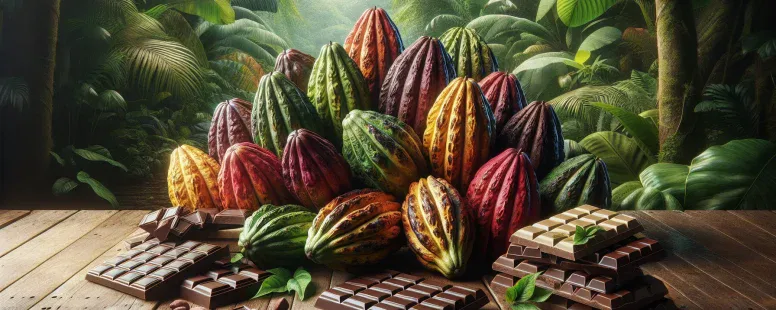
Picture the snap of a chocolate bar in your hand and the earthy aroma that rises from a handful of raw cacao beans. Both tempt your senses yet come from worlds apart. why some treats boast bold, bitter notes while others melt into silky sweetness on your tongue?
You might think chocolate and cacao are simply two sides of the same coin. The truth is a lot more fascinating. Unlocking the difference between these two opens a door to surprising health perks and flavor adventures you may never have imagined. Get ready to discover what sets them apart and why it matters every time you indulge.
Understanding Cacao and Chocolate
Cacao forms the base for chocolate, but their identities diverge, like ancient rivers branching through the Amazon. Picture cacao pods: vibrant, rough, and hefty, holding bitter beans that indigenous Maya and Aztec peoples, centuries ago, prized not just as food but as currency and offering. Do you ever wonder how today’s smooth chocolate bars connect to rituals that once shaped entire civilizations?
Cacao, in its raw form, refers to the fermented, dried seeds from the Theobroma cacao tree. Farmers cut open yellow pods and scoop out sticky beans, which then undergo steps—fermentation, drying, roasting—that define each product’s taste and value. According to the International Cocoa Organization, Ecuador, Ghana, and Ivory Coast produced over 70% of global cocoa beans in 2023. Would you believe those golden pods support multimillion-dollar global trade, from ceremonial drinks to luxury confections?
Chocolate comes next, as chocolatiers transform cacao into something sweeter, smoother, and—perhaps paradoxically—less “pure.” Processing steps like conching and sweetening changes the cacao’s molecular structure, mellowing intense bitterness and adding creamy milk or plant fats that coat your tongue. Ever realized how 85% dark chocolate’s tangy snap compares to the velvet softness of milk chocolate truffles? That spectrum exists because manufacturers adjust sugar, fat, and milk contents and express their artistic intent. FDA labeling rules in the US, for example, state that dark chocolate must contain at least 35% cocoa solids, and most milk chocolates have over 12% milk solids.
Cacao advocates claim you get higher antioxidant and flavonoid levels from less-processed beans, citing a University of California study that shows raw cacao contains up to 4 times more polyphenols than common milk chocolate. Still, some chocolate lovers find the raw taste gritty or sour, and prefer the nostalgic comfort only a sweet bar provides. Isn’t it intriguing how your palate determines whether you view cacao as superfood or chocolate as a treat?
Picture walking through a Peruvian market, aromas from roasted cacao blending with spices and cane sugar. Vendors might offer you a block of cacao paste, nearly black and pungent—dare you taste it? Or would you rather reach for a wrapped chocolate bar at a New York deli, crafted for mass appeal but rooted in the same tropical legacy?
Every choice—raw cacao nibs, baking chocolate, or artisanal bars—draws from an ancient lineage, shaped by the world’s tastes, agricultural science, and regulatory frameworks. Which story do you savor: the bold, earthy notes of pure cacao, or the familiar sweetness of chocolate shaped by centuries of invention and commerce?
The Origins and Processing of Cacao
The story of cacao starts deep inside tropical rainforests, where lush green canopies hide rows of Theobroma cacao trees. Right there, farmers and harvesters shape the journey from raw pod to finished bean, using skills passed down through generations.
From Cacao Pod to Bean
Cacao beans grow within vibrant cacao pods, clinging tightly to trunk and branches. Each pod, resembling footballs in both size and ridges, holds 20-50 seeds surrounded by sweet white pulp. Workers harvest these pods by hand with sharp machetes—machines can’t navigate the dense trees or judge ripeness right. Bean extraction involves splitting the pod, scooping wet seeds, and piling them for fermentation.
Fermentation, a days-long process, transforms bitter, raw beans into something ready for roasting. While you could picture beans lying beneath banana leaves in Ghana, Ecuador, or Ivory Coast, you might also hear family stories that describe swapping fresh pods for local cocoa drinks—a practice stretching back hundreds of years.
Cacao Processing Methods
Processing separates cacao from other crops. Fermentors store the sticky pulp-covered beans under leaves or in wooden boxes for 2-7 days—temperature, yeast, and bacteria create flavor profiles unique to each region. Beans changes color, from pale purple to rich brown, because chemical reactions unlock aromatics.
Once fermented, drying under sunlight or in solar dryers brings moisture down below 8%. If you’ve walked near a drying field, you’d sense chocolate in the air, a sharp note that hints at what’s to come. Sorting and bagging comes next, removing damaged beans before global shipment. Those in Ghana still use old wooden trays for drying, a detail that connects flavor to tradition.
Few consumers thinks about these steps while eating a chocolate bar, but these post-harvest methods shapes quality and taste more than any later refining step. Companies like Valrhona ask for specific fermentation protocols for consistency, while small-batch chocolatiers embrace regional quirks that create rare flavors.
Step
Method Example
Flavor Impact
Source Region Example
Pod Harvest
Machete, Handpicked
Freshness, minimal bruising
Ivory Coast, Ecuador
Fermentation
Banana leaves, Wooden box
Mildness, floral or fruity notes
Ghana, Peru
Drying
Sun, Solar dryer
Reduced bitterness
Madagascar, Brazil
Processing connects ancient farming rituals, modern quality standards, and your final experience. What flavors do you notice when biting into high-cacao chocolate or raw cacao nibs? Each carries the fingerprint of its origin and journey.
What Is Chocolate?
Chocolate surrounds your daily life as both a treat and a cultural symbol. You’ll find it in desserts, beverages, gifts, and even art—universally recognized yet supported by a complex story that begins far from the candy aisle.
Types of Chocolate
Chocolate varieties surround you—each with distinct cacao percentages, textures, and uses. Dark chocolate, the boldest example, contains over 50% cacao solids and delivers a deep, unsweetened flavor. Milk chocolate, smoother and sweeter, includes milk powder or condensed milk with about 20-50% cacao (FDA, 2020). White chocolate, lacking cocoa solids, features only cocoa butter, milk, and sugar, often confusing those who question its “chocolate” identity.
Craft makers produce single-origin chocolate bars, highlighting how beans from Madagascar taste tangy, while Peruvian cacao brings floral notes. Baking enthusiasts rely on couverture chocolate for its glossy finish, while chocolatiers choose ruby chocolate—vividly pink and tart—for showstopping confections discovered in 2017 (Barry Callebaut Group). Have you ever tasted spicy chili chocolate or tried a rich, creamy truffle at a Parisian café? These experiences forms routine moments for chocolate lovers worldwide.
How Chocolate Is Made
Chocolate making transforms bitter cacao beans into silky, melt-in-your-mouth squares. This metamorphosis, not unlike turning rough stones into jewels, starts with post-fermentation beans roasted at carefully monitored temperatures—roasting shapes flavor, sometimes with notes of fruit or nuttiness. After roasting, machines crack and winnow the beans, separating nibs from husks. Grinding the nibs creates cocoa liquor, an earthy, thick paste.
Conching—churning the cocoa liquor with sugar, milk, or other ingredients—last anywhere from hours to days, depending on texture targets. Tempering, a precise heating-cooling cycle, aligns cocoa butter crystals so bars snap cleanly. Tablets, bonbons, and spreads emerge, each telling its story of chemistry, geography, and craftsmanship.
Why does a handcrafted Belgian chocolate feel smoother than mass-produced candy? Variables—origin, roast, sugar content, fat ratio—shape quality and perception. If you bite a single-origin Ecuadorian dark bar, you’ll notice earthy aromas and subtle fruit notes, products of terroir and hand-finished details. Which style, classic or experimental, will tempt you next?
Key Differences Between Cacao and Chocolate
You might see cacao and chocolate as twins separated at birth, each carrying traces of the other but each growing in new, surprising directions. When you open a bar of chocolate or a pouch of raw cacao nibs, you’re holding centuries of evolution, chemistry, and tradition, all shaped by human hands and diverse landscapes.
Nutritional Content
Cacao bursts with nutrients, containing high magnesium, iron, and antioxidants, as shown by a USDA report on raw cacao nibs. Eating a single ounce (28g) of raw cacao provides approximately 6g fiber and 64mg magnesium. Chocolate products, especially milk chocolate examples, show far less magnesium and double the sugar. The difference comes during processing—producers often add sugar, milk, and fats to chocolate, which dilutes the minerals and polyphenols that cacao contains in abundance. Studies in “Nutrients” (2019) suggest raw cacao features up to five times more flavonoids than standard chocolate bars, but if you prefer sweet over bitter, those antioxidants drop.
Product
Calories
Sugar (g)
Fiber (g)
Magnesium (mg)
Flavanols (mg)
Raw Cacao Nibs
130
0
6
64
272
Dark Chocolate
170
6
3
42
95
Milk Chocolate
150
15
1
24
39
Flavor Profiles
If you crush a cacao bean between your teeth, you taste wild bitterness, sharp and earthy, with tangy hints of dried fruit—no sweetness, just the true spirit of the rainforest. Chocolate smooths that wildness with sugar, milk, and vanilla, changing cacao from forest-bold to dessert-friendly soft. Dark chocolate preserves some cacao’s complex notes, like berry or tobacco, but adds creamy mellowness, while milk chocolate leans sweet, buttery, and mild. Try a square of single-origin dark chocolate; your tongue finds flavors from coffee blossom to citrus, all shaped by beans’ geography and the chocolatier’s touch.
Usage in Recipes
Recipes that call for cacao, such as raw energy bites, smoothie bowls, or vegan brownies, rely on cacao’s strong flavor and nutritional profile, giving dishes deep intensity and antioxidants without added sugar. Chocolate finds its home everywhere from classic birthday cakes and truffles to French mousse and Swiss fondue. You find bakers melting dark slabs for ganache, while home cooks use cocoa powder for brownies or chocolate chips for cookies. If you substitute cacao for chocolate, desserts turn richer and more bitter, so you might adjust sweeteners or fats. Chefs often experiment with both, considering texture, taste, and nutritional goals—and occasionally, they blend both for balance, which offers a creative twist for the curious palate.
Health Benefits and Considerations
Explore the differences in health effects between cacao and chocolate to better understand their roles in your diet. Recognize how nutrients, antioxidants, and added ingredients shape what you experience after every bite.
Cacao’s Health Properties
Cacao delivers a dense matrix of nutrients that impact your body on multiple levels. Magnesium, one of cacao’s key minerals, supports nerve function, energy production, and muscle recovery; elite athletes sometimes share stories about how raw cacao bars fuel post-workout routines. Antioxidant compounds—polyphenols including flavonoids—attach themselves to free radicals, according to research published in Nutrients (2019), making cacao a main character in oxidative stress reduction.
Linked with improved vascular function, the flavanols in cacao may help support lower blood pressure and sharper cognitive skills, examples of benefits seen among regular consumers in clinical trials. Some nutritionists compare the effect of unprocessed cacao to the lift from a cup of strong black coffee, uplifting your mood and sharpening focus without the sugar crash. Try adding raw cacao nibs to breakfast oatmeal, and the bitter crunch delivers both flavor and a dose of plant-based iron. Might you prefer cacao powder in smoothies for a subtler taste? Experimenting with these forms lets you capture cacao’s health potential.
Chocolate’s Health Impact
Chocolate wears two faces—offering both pleasures and pitfalls, depending on its processing and ingredients. Dark chocolate (over 70% cacao content, often from Ecuador or Ghana) packs similar antioxidant activity to cacao, though sweeteners and milk shorten that benefit window. If you swap a regular dessert for a square of artisanal dark chocolate, the richer flavor can satisfy a craving with less sugar and fat than milk chocolate.
Recent meta-analyses, like one in The American Journal of Clinical Nutrition (2021), link moderate chocolate intake (10-20g per day) with cardiovascular benefits, but also flag added sugars as a risk for those monitoring blood glucose or weight. Milk chocolate—reigning as the market favorite in the U.S.—contains less cacao plus more fat, sugar, and dairy. Think about the creamy mouthfeel you get from melting a piece of commercial chocolate; that sensation signals a higher caloric load, not a nutritional gain.
Some chocolate lovers recall family gatherings where baking with milk chocolate meant more smiles yet later that day brought a sugar rush and crash. If you want to limit health downsides, choose chocolate with higher cacao percentages but read labels: manufacturers often use vague terms like “cocoa solids” or “chocolate liquor,” masking sugar levels. These choices, and asking questions about source and processing, can shape your well-being long after the last bite.
Choosing Between Cacao and Chocolate
When you gaze at a lineup of glossy chocolate bars next to rustic bags of raw cacao nibs, perhaps you feel like an explorer standing at the threshold of two different worlds. Picture, each carring centuries of tropical rain, artisan hands, and global stories. If you weigh nutrition, you’ll notice that raw cacao delivers a powerful dose of magnesium and antioxidants—according to the USDA, 100g of cacao provides over 500mg magnesium, which is more than dark or milk chocolate ever can (USDA FoodData Central, 2023). The bittersweet burst of cacao, famous in Peruvian health elixirs, challenges your palate with its intensity. Chocolate, with its creamy mouthfeel, conjures up memories of birthdays and comfort nights, its sweetness a familiar refrain in Western celebrations.
Maybe you ask: Why bother with cacao’s bitterness when chocolate sings so sweet? It’s a difference like hiking mountain trails versus strolling city streets—one pushes you, the other hugs you. Renowned chefs, like Pierre Hermé, use cacao powder to amplify both cakes and savory sauces, while artisan chocolatiers, such as those at Valrhona, blend single-origin beans into complex, layered chocolate truffles. This crossroads may spark more than taste; it reflects values. Raw cacao’s minimal processing appeals to those minimizing additives, while chocolate’s craftsmanship mirrors the desire for indulgence or tradition.
There’s a dance, too, between convenience and authenticity. When you reach for a chocolate bar during a busy workday, you’re buying not just flavor but also structure: sugar, fats, and milk solids transform cacao’s wildness into portable comfort. Try mixing cacao powder in your smoothie or yogurt—a common practice in holistic circles—and you’ll also uncover an earthy undertone that doesn’t quite fit chocolate’s smooth harmony.
But can one truly choose between cacao and chocolate, or is it more about understanding both? You might save chocolate for relaxing evenings, savoring bites while reading, while cacao finds its way into pre-workout shakes or energy bars (often marketed this way by brands such as Navitas Organics). Some dietitians, like Lisa Moskovitz, RD, even suggest rotating between the two based on mood or nutritional needs, since variety fortifies both mind and body (Healthline, 2022).
So, when pondering: is it the authenticity of cacao or the nostalgia of chocolate that draws you in? The answer sits somewhere in your daily rituals, your health goals, maybe even your dreams. Try both—discover the story that fits you best, and see which world you like exploring more.
Conclusion
Whether you’re drawn to the bold purity of cacao or the sweet comfort of chocolate, your choices can reflect both your palate and your values. Exploring both opens up new possibilities in the kitchen and lets you enjoy a balance of flavor and nutrition.
Next time you’re shopping or planning a recipe, consider what each ingredient brings to the table. By understanding their unique qualities, you can make more mindful decisions that suit your taste and support your well-being.
To provide the best experiences, we use technologies like cookies to store and/or access device information. Consenting to these technologies will allow us to process data such as browsing behaviour or unique IDs on this site. Not consenting or withdrawing consent, may adversely affect certain features and functions.
Functional
Always active
The technical storage or access is strictly necessary for the legitimate purpose of enabling the use of a specific service explicitly requested by the subscriber or user, or for the sole purpose of carrying out the transmission of a communication over an electronic communications network.
Preferences
The technical storage or access is necessary for the legitimate purpose of storing preferences that are not requested by the subscriber or user.
Statistics
The technical storage or access that is used exclusively for statistical purposes.The technical storage or access that is used exclusively for anonymous statistical purposes. Without a subpoena, voluntary compliance on the part of your Internet Service Provider, or additional records from a third party, information stored or retrieved for this purpose alone cannot usually be used to identify you.
Marketing
The technical storage or access is required to create user profiles to send advertising, or to track the user on a website or across several websites for similar marketing purposes.