Choosing between the clarinet and the oboe can be a captivating journey into the rich territory of woodwind instruments. Each offers its unique sound, playing experience, and charm, making them distinct options for both new learners and seasoned musicians. Understanding their differences, including physical features, sound production, historical background, and learning curves, empowers you to make an informed choice. Let’s investigate deeper into these remarkable instruments.
Overview of the Clarinet and the Oboe
Anatomical Characteristics
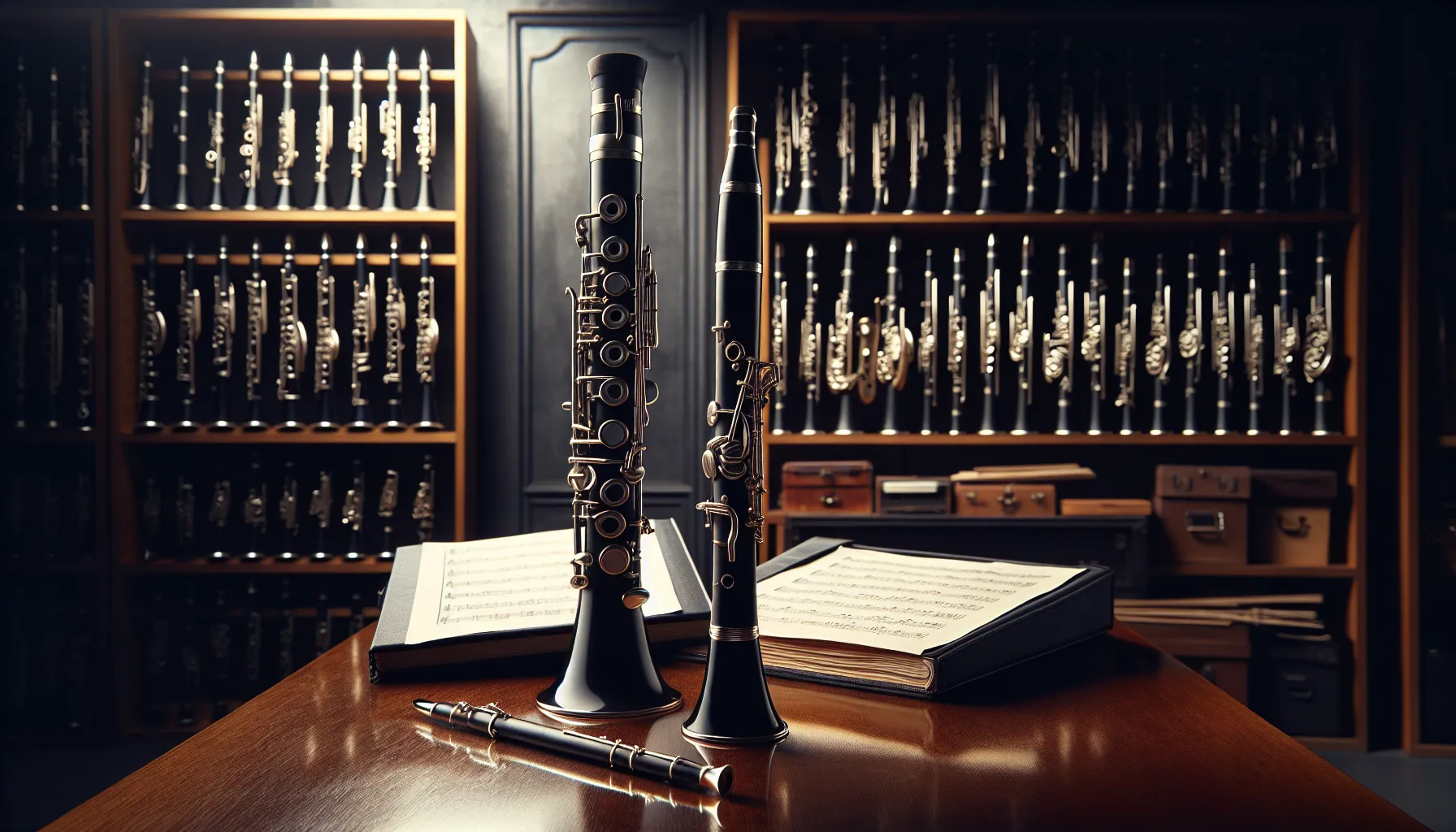
The clarinet and oboe exhibit notable distinctions in their physical structures. The clarinet is cylindrical and uses a single reed attached to its mouthpiece, while the oboe features a conical bore with a double reed directly strapped to the opening. Both are carefully crafted for specific sound qualities and player comfort.
Sound Production and Quality
The clarinet’s warm, versatile tones make it suitable for a variety of music styles, from classical to modern. Comparatively, the oboe produces a piercing and expressive timbre, often recognized for its prominent role in orchestral scores.
Availability and Use in Musical Genres
Due to these differences, these instruments dominate distinct niches within musical ensembles and compositions. Both the clarinet’s adaptability and the oboe’s distinctiveness contribute to their respective popularity in compositions.
Common Techniques and Challenges for Each Instrument
Playing the clarinet often emphasizes embouchure management for single reed clarity, while mastering the oboe requires specialized breath control for proper double-reed vibration. Both instruments demand dedicated practice to excel, each with its unique techniques and challenges.
Maintenance and Care Requirements
Maintaining these instruments ensures their longevity and consistent performance. Regularly cleaning and replacing parts like reeds is essential for both. But, the oboe’s double reeds may require more frequent care and precision in maintenance.
Historical Background and Development
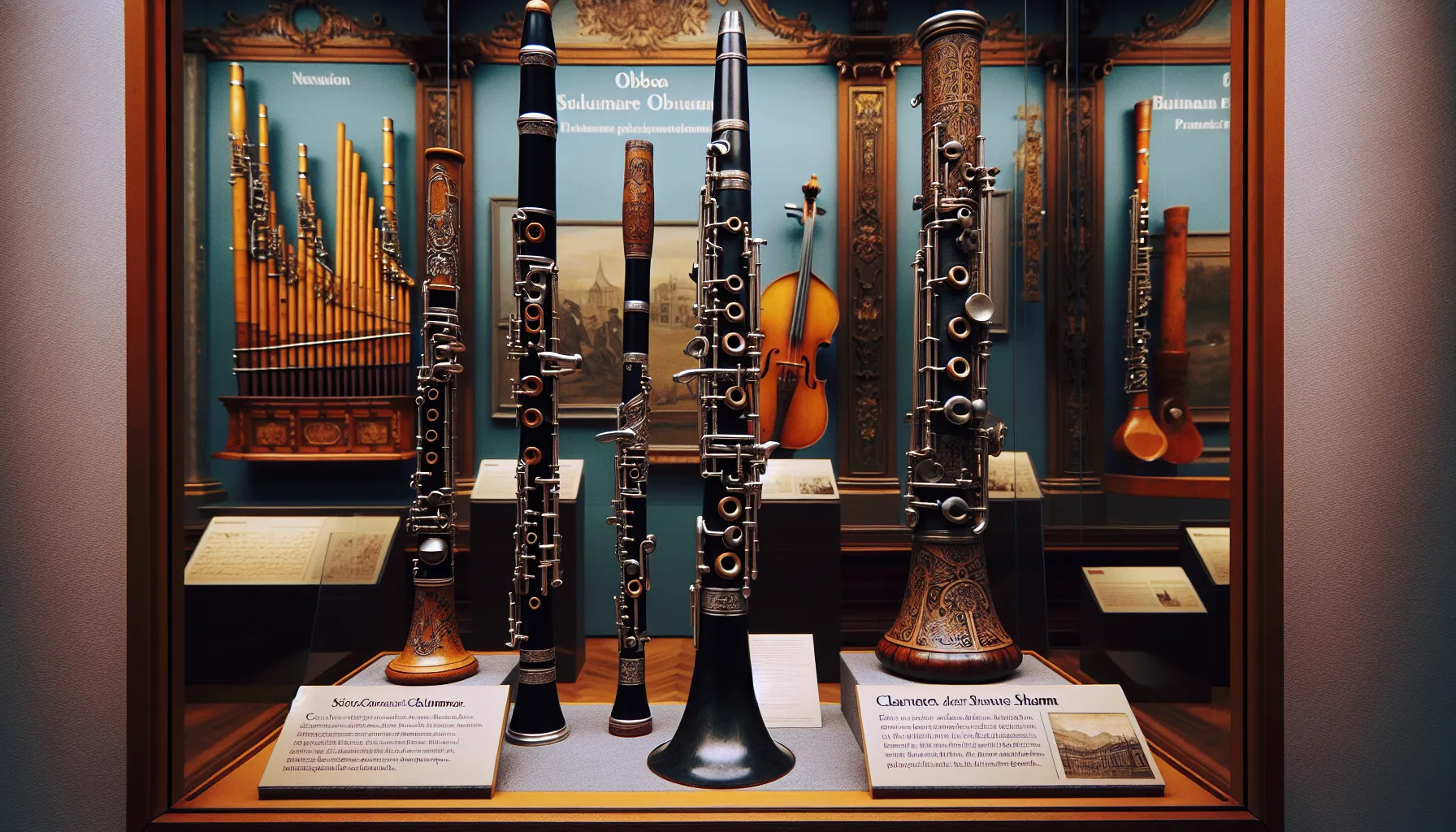
The clarinet and oboe have storied histories. The clarinet evolved from the chalumeau for a richer sound and broader range, while the oboe originated from early European shawms. Their evolution reflects their adaption to evolving musical tastes.
Comparison in Learning Curve for Beginners
The learning curve differs between the clarinet and the oboe. The clarinet is often considered more beginner-friendly due to its design and adaptability. In contrast, the oboe’s double-reed demands immediate technical proficiency, making initial progress more challenging but rewarding.
Selecting the Right Instrument: Clarinet vs. Oboe
Choosing between these instruments involves considering factors such as your musical preferences, physical compatibility, and intended use. Exploring both options and consulting with experienced musicians can guide you toward the instrument that aligns best with your aspirations.
To provide the best experiences, we use technologies like cookies to store and/or access device information. Consenting to these technologies will allow us to process data such as browsing behaviour or unique IDs on this site. Not consenting or withdrawing consent, may adversely affect certain features and functions.
Functional
Always active
The technical storage or access is strictly necessary for the legitimate purpose of enabling the use of a specific service explicitly requested by the subscriber or user, or for the sole purpose of carrying out the transmission of a communication over an electronic communications network.
Preferences
The technical storage or access is necessary for the legitimate purpose of storing preferences that are not requested by the subscriber or user.
Statistics
The technical storage or access that is used exclusively for statistical purposes.The technical storage or access that is used exclusively for anonymous statistical purposes. Without a subpoena, voluntary compliance on the part of your Internet Service Provider, or additional records from a third party, information stored or retrieved for this purpose alone cannot usually be used to identify you.
Marketing
The technical storage or access is required to create user profiles to send advertising, or to track the user on a website or across several websites for similar marketing purposes.