Have you ever found yourself pondering over the distinction between drums and percussion instruments? These terms are often used interchangeably, yet they represent two distinctive facets of the musical world. By delving into their unique characteristics, roles, and contributions to music, you’ll gain a better understanding of their significance and how they enrich our auditory experiences.
Understanding Drums and Their Characteristics
The Evolution of Drum Designs
Drums, as one of humanity’s oldest musical instruments, have undergone an incredible evolution over centuries. Origins trace back to hollow logs and animal skins, used by early civilizations for communication and ceremony. Today’s drums integrate sophisticated production techniques which balance tradition with modernity, contributing to their dynamic range and acoustic precision.
Key Components of a Drum Kit
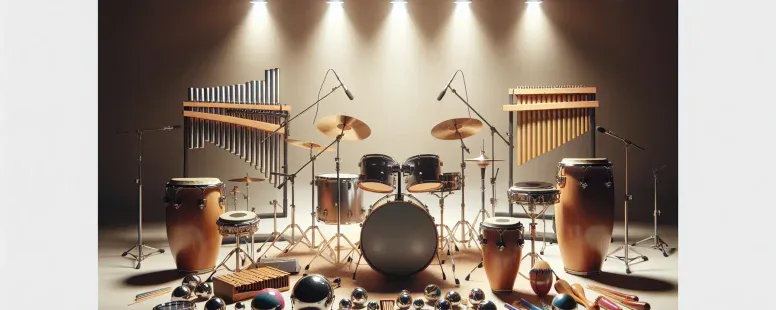
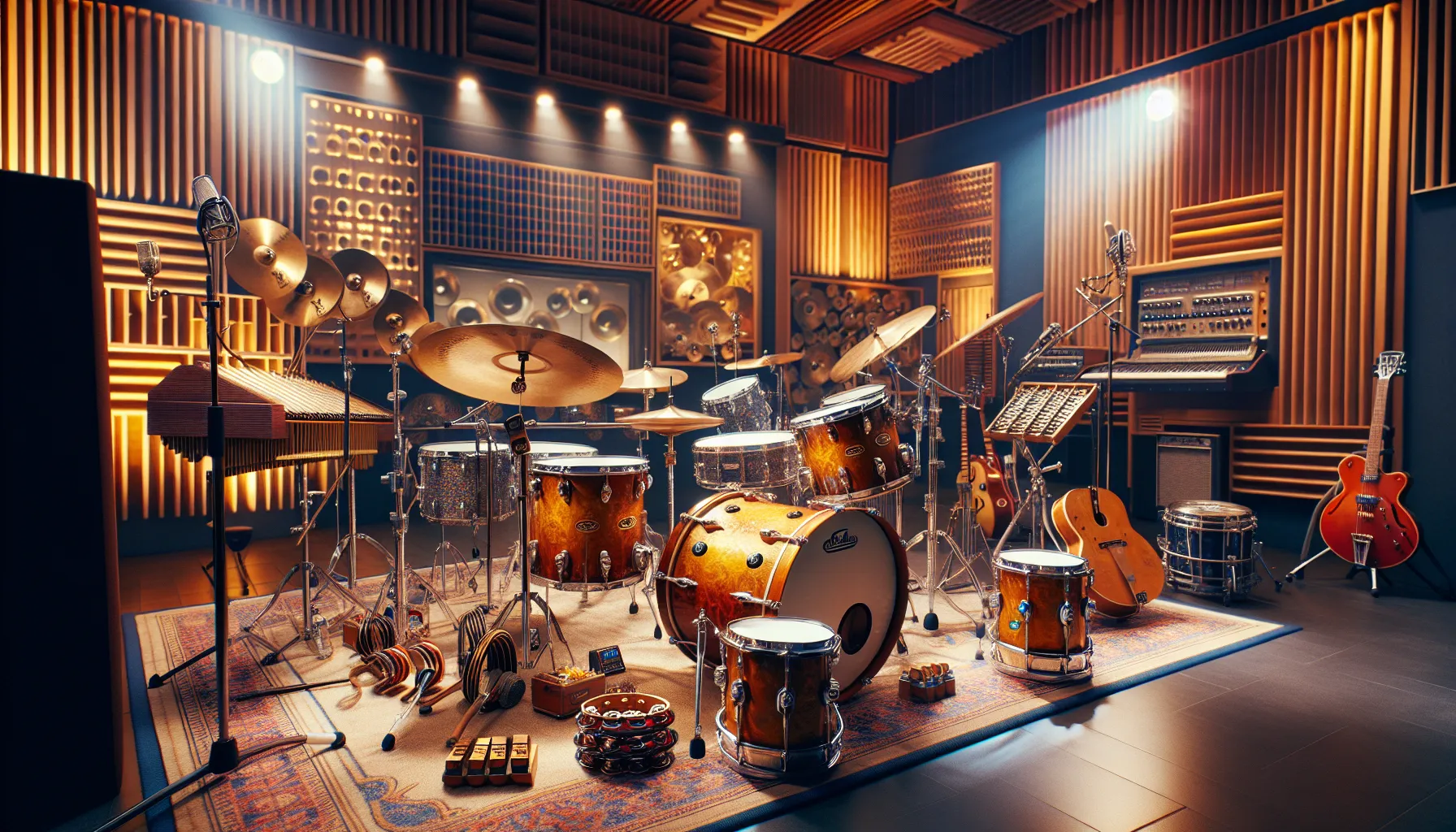
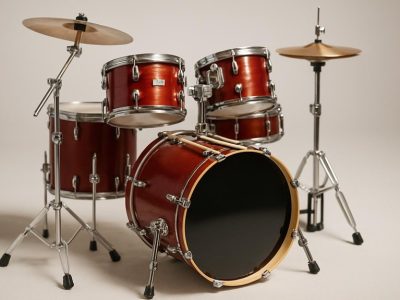
A modern drum kit consists of multiple interconnected components. At its core are the bass drum, snare drum, tom-toms, and a set of cymbals. Also, drummers may include auxiliary percussion elements to broaden their sound palette. Each part of the drum kit is designed to songfully respond to the drummer’s input, whether played softly or energetically.
Introduction to Percussion Instruments
Types of Percussion Instruments
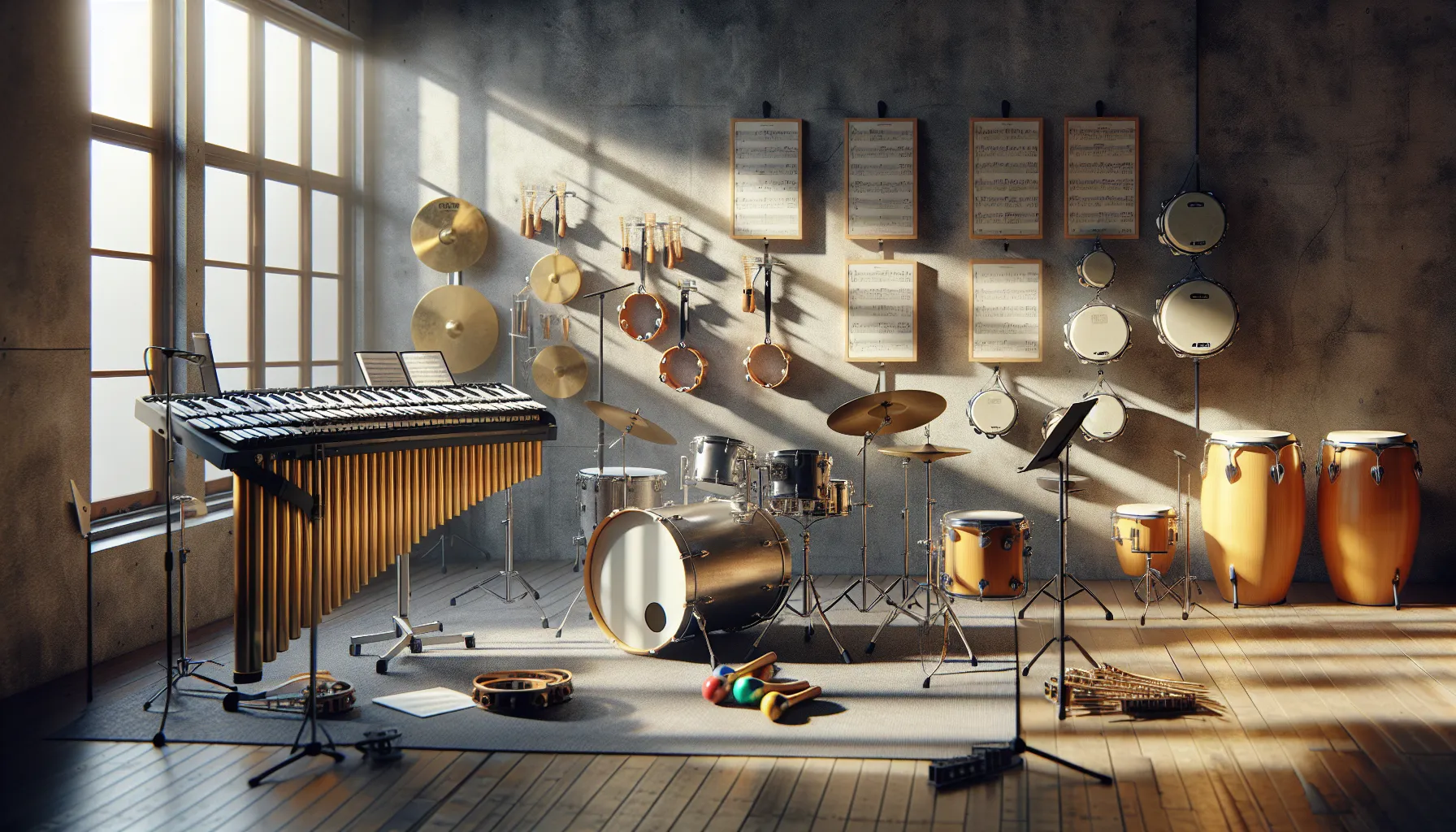
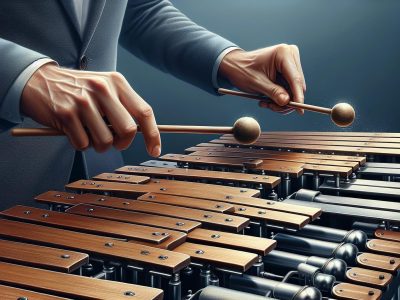
Percussion instruments are categorized broadly into two groups: pitched and unpitched. Pitched percussion includes glockenspiels and vibraphones, which produce specific musical notes. Unpitched percussion, such as tambourines and maracas, provides rhythmic elements instead of melodies.
The Role of Percussion in Various Musical Genres
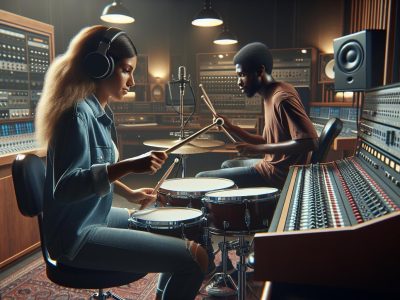
Percussion instruments fulfill pivotal roles in diverse musical genres, functioning as the heartbeat of orchestras, bands, and ensembles. In classical symphonies, the timpani accentuates dramatic passages. Jazz ensembles use drums and cymbals, providing a swinging rhythm and dynamic interplay critical to its character.
Comparing Drums and Percussion Instruments
Similarities in Sound Production
Both drums and many percussion instruments produce sound through striking, whether by hand or using sticks or mallets. This commonality underscores their foundational role in creating rhythm.
Distinct Differences and Their Implications in Music
The distinction arises in their scope. Drums are specifically crafted components of a drum kit designed to produce precise rhythmic backbones. Percussion encompasses a broad category of instruments, including drums, covering a spectrum of tonal expressions, contributing to both melody and rhythm.
To provide the best experiences, we use technologies like cookies to store and/or access device information. Consenting to these technologies will allow us to process data such as browsing behaviour or unique IDs on this site. Not consenting or withdrawing consent, may adversely affect certain features and functions.
Functional
Always active
The technical storage or access is strictly necessary for the legitimate purpose of enabling the use of a specific service explicitly requested by the subscriber or user, or for the sole purpose of carrying out the transmission of a communication over an electronic communications network.
Preferences
The technical storage or access is necessary for the legitimate purpose of storing preferences that are not requested by the subscriber or user.
Statistics
The technical storage or access that is used exclusively for statistical purposes.The technical storage or access that is used exclusively for anonymous statistical purposes. Without a subpoena, voluntary compliance on the part of your Internet Service Provider, or additional records from a third party, information stored or retrieved for this purpose alone cannot usually be used to identify you.
Marketing
The technical storage or access is required to create user profiles to send advertising, or to track the user on a website or across several websites for similar marketing purposes.