Imagine stepping into a lush forest where every rustle and chirp paints a vibrant picture of life around you. Understanding the delicate balance that sustains such ecosystems hinges on grasping the distinction between biotic and abiotic factors. These two elements dance together, shaping environments in ways you might not even realize.
Picture towering trees and bustling wildlife alongside the wind, sunlight, and rocky terrains that provide the stage for their interactions. By exploring the differences between biotic and abiotic components, you’ll uncover the hidden dynamics influencing everything from plant growth to climate patterns. This insight not only deepens your appreciation for nature but also empowers you to make informed decisions in preserving our planet.
Understanding Biotic Factors
Biotic factors comprise all the living elements that shape and sustain ecosystems. These living components interact dynamically, influencing the environment and each other in various ways.
Definition and Scope
Biotic factors include organisms like plants, animals, fungi, and microorganisms within an ecosystem. These living entities engage in interactions such as predation, competition, symbiosis, and reproduction. Biotic factors determine population sizes, species diversity, and energy flow, playing a crucial role in maintaining ecological balance.
Examples in Nature
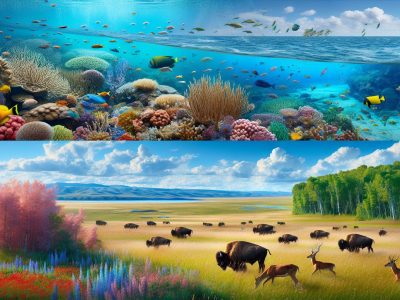
Forests feature diverse biotic factors, including towering trees, understory shrubs, insects, birds, and mammals. In aquatic ecosystems, fish, algae, plankton, and aquatic plants interact to support water quality and nutrient cycles. Grasslands showcase herbivores grazing on grasses, predators controlling herbivore populations, and pollinators aiding plant reproduction, each contributing to the ecosystem’s resilience and productivity.
Understanding Abiotic Factors
Abiotic factors shape the very foundation of ecosystems, influencing every aspect of your environment. These non-living components interact dynamically with living organisms, creating the backdrop against which life thrives.
Definition and Scope
Abiotic factors encompass the physical and chemical elements that determine the conditions of an ecosystem. They include sunlight, temperature, humidity, soil composition, water availability, and atmospheric gases. Understanding these factors is crucial because they affect the distribution and behavior of organisms. For example, high temperatures might limit the presence of certain species, while abundant sunlight can promote plant growth. These elements work in concert, creating a balance that sustains diverse life forms.
Examples in Nature
Consider a desert world where harsh sunlight and minimal rainfall define the abiotic conditions. The scorching temperatures and arid soil create a challenging environment for life, yet specialized plants like cacti and resilient animals like scorpions have adapted to survive. In contrast, a temperate forest offers abundant rainfall, moderate temperatures, and rich soil, fostering a lush diversity of flora and fauna. Rivers flowing through these forests bring essential nutrients, while the interplay of light and shade supports various plant species. Even underwater, abiotic factors like water salinity and depth influence marine ecosystems, determining which organisms can flourish. These examples illustrate how abiotic factors create unique niches, shaping the intricate world of life across different habitats.
Abiotic factors are essential in understanding the intricate balance of ecosystems, guiding how different environments support diverse life forms.
Key Differences Between Biotic and Abiotic Factors
Understanding the distinctions between biotic and abiotic factors is crucial for comprehending how ecosystems function and thrive.
Interaction in Ecosystems
Biotic factors interact directly with living organisms, driving processes like predation, competition, and symbiosis. These interactions influence population dynamics, species diversity, and energy flow within an ecosystem. For example, predators control prey populations, ensuring balance and preventing overgrazing. In contrast, abiotic factors interact indirectly by shaping the environment in which these biotic interactions occur. Sunlight availability affects plant growth, which in turn impacts herbivore populations. Temperature and water availability regulate metabolic rates and reproductive cycles of organisms. The synergy between biotic and abiotic factors creates a dynamic and resilient ecosystem.
Impact on Environmental Dynamics
Abiotic factors have a foundational impact on environmental dynamics by determining the physical conditions of an ecosystem. Variations in climate, soil composition, and water chemistry set the stage for the types of organisms that can thrive. For instance, nutrient-rich soils support diverse plant communities, which provide habitats for various animal species. Conversely, extreme temperatures or limited water resources restrict the diversity and abundance of life forms. Biotic factors modify these environmental conditions through activities like decomposition, which recycles nutrients, and transpiration, which influences humidity and temperature levels. The interplay between biotic and abiotic factors drives the continuous evolution and stability of ecosystems.
Importance of Biotic and Abiotic Factors in Ecosystems
Understanding the Importance of Biotic and Abiotic Factors in Ecosystems is crucial for maintaining ecological balance. These factors interact in complex ways, shaping the environment and influencing the survival of various species.
Maintaining Ecological Balance
Biotic factors, including plants, animals, and microorganisms, directly interact with each other, regulating population sizes and promoting biodiversity. For example, predator-prey relationships keep species populations in check, preventing any one species from overwhelming the ecosystem. Conversely, abiotic factors like temperature, water availability, and soil quality create the conditions necessary for these interactions to occur. Without optimal abiotic conditions, biotic interactions can falter, leading to reduced biodiversity and ecosystem instability.
Facilitating Energy Flow
Energy flow within an ecosystem depends on both biotic and abiotic components. Producers, such as plants, convert sunlight into energy through photosynthesis, forming the base of the food web. Consumers and decomposers then transfer and recycle this energy. Abiotic factors like sunlight intensity and nutrient availability directly impact the efficiency of energy conversion and transfer. For instance, increased sunlight can enhance plant growth, providing more energy for herbivores and, later, for higher trophic levels.
Influencing Nutrient Cycling
Nutrient cycling is another critical process influenced by biotic and abiotic factors. Decomposers break down dead organic matter, returning essential nutrients to the soil. Abiotic elements such as pH levels and moisture content affect the rate of decomposition and nutrient availability. Proper nutrient cycling ensures that plants receive the necessary minerals to thrive, supporting the entire ecosystem’s productivity and resilience.
Enhancing Ecosystem Resilience
Ecosystem resilience—the ability to recover from disturbances—relies on the interplay between biotic and abiotic factors. Diverse biotic communities can better withstand environmental changes, as various species fulfill different ecological roles. Abiotic factors like climate stability and habitat structure provide the foundation for this diversity. For example, wetlands with varied water levels can support multiple species, making the ecosystem more adaptable to flooding or drought.
Supporting Human Well-Being
The Importance of Biotic and Abiotic Factors in Ecosystems extends to human well-being. Healthy ecosystems provide essential services such as clean air, water purification, pollination of crops, and climate regulation. Abiotic factors like rainfall patterns and soil fertility directly impact agricultural productivity, while biotic factors ensure the sustainability of natural resources. Conserving these factors safeguards the environment and supports economic and social systems reliant on ecosystem services.
By recognizing and preserving the intricate relationships between biotic and abiotic factors, you contribute to the sustainability and health of ecosystems, ensuring they continue to provide vital resources and services for generations to come.
Conclusion
Grasping the distinction between biotic and abiotic factors enhances your appreciation of ecosystems. It allows you to see how living and non-living elements work together to support life. With this knowledge you’re better equipped to contribute to environmental conservation. Embracing these insights fosters a deeper connection with the natural world.
To provide the best experiences, we use technologies like cookies to store and/or access device information. Consenting to these technologies will allow us to process data such as browsing behaviour or unique IDs on this site. Not consenting or withdrawing consent, may adversely affect certain features and functions.
Functional
Always active
The technical storage or access is strictly necessary for the legitimate purpose of enabling the use of a specific service explicitly requested by the subscriber or user, or for the sole purpose of carrying out the transmission of a communication over an electronic communications network.
Preferences
The technical storage or access is necessary for the legitimate purpose of storing preferences that are not requested by the subscriber or user.
Statistics
The technical storage or access that is used exclusively for statistical purposes.The technical storage or access that is used exclusively for anonymous statistical purposes. Without a subpoena, voluntary compliance on the part of your Internet Service Provider, or additional records from a third party, information stored or retrieved for this purpose alone cannot usually be used to identify you.
Marketing
The technical storage or access is required to create user profiles to send advertising, or to track the user on a website or across several websites for similar marketing purposes.