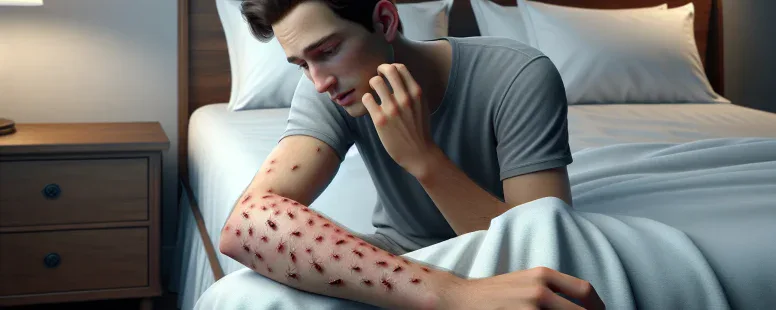
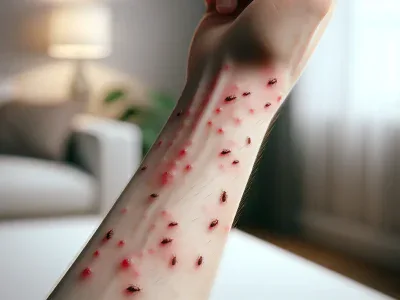
Picture this: you wake up scratching an angry cluster of red welts, the itch pulsing like a drumbeat beneath your skin. Was it a hungry mosquito buzzing in the dark, or did stealthy bed bugs feast while you slept? The answer isn’t always obvious, but knowing the difference can save you from sleepless nights and endless frustration.
You might think a bite is just a bite, but the truth is, each culprit leaves its own signature—a pattern, a sensation, a story written right on your skin. Unlocking these clues not only helps you reclaim your peace of mind but could also protect your home and health in ways you never expected. Ready to become a bite detective and finally solve the mystery that’s been keeping you up at night?
Overview of Bug Bites
Bug bites from species such as Cimex lectularius (bed bugs) and Culicidae (mosquitoes) display different patterns on your skin, which often telling unique stories about your environment and daily behaviors. Picture waking up at dawn to find a trio of small, red welts forming a line along your forearm. These clustered bites whisper the signature of a bed bug, which feeds discreetly at night while you sleep, according to the CDC. Now, step outside at dusk near standing water—one stray mosquito finds you, prefers exposed skin, and leaves an itchy, isolated bump within minutes (Mayo Clinic).
Each bug’s bite triggers distinct immune responses. Bed bug bites frequently result in painless lesions at first, turning into itchy, often swollen marks after some hours. Mosquito bites, conversely, usually cause immediate, intense itchiness and sometimes a pale, raised lump. Some people barely react to mosquito saliva, others develop welts bigger than dimes.
Could you tell a story of when a single bite disrupted your plans, or a lineup of bumps had you searching for answers late at night? When you closely observe your own reactions, patterns emerge—clusters, randomness, delayed swelling, or immediate redness. How often do you consider whether indoor or outdoor activities correlate to new bites?
The tale of each bite includes chapters from your environment. Urban apartments prone to bed bug infestations might lead you down one investigative path, while a pond-side hike presents another. Families have been plagued by recurring rashes until discovering hidden nests behind headboards, while travelers sometimes wake in hotels dotted by mysterious bites—stories recounted by pest management professionals (National Pest Management Association).
Look beyond the surface appearance, question your routine, and note timing of each bite’s appearance. Insights from dermatologists demonstrates that documenting these patterns helps identify the culprit, guide prevention steps, and protect your well-being.
Every bite shares a clue; together, they’re pieces of a puzzle shaped by your daily life, home ecosystem, and even your immune system’s quirks.
Key Differences Between Bed Bug Bites and Mosquito Bites
Every bite tells a story if you listen close enough. If you’re wondering, is it a bed bug haunting your sleep or a mosquito sneaking in at dusk, look for the tale their bites reveal.
Appearance and Location of Bites
Bed bug bites usually cluster, forming rows or zigzag patterns on skin, especially arms, neck, or legs—places pressed against your sheets at night. Mosquito bites often stand alone, dotting exposed areas like ankles or forearms with solitary raised welts. Scratching one doesn’t move the others if it’s bed bugs, but mosquito bites love to pop up wherever you left skin unguarded. Did you ever count ten tiny red bumps right along your collarbone after a night’s rest? Bed bugs are the prime suspects (CDC, 2020). If a single swollen bump appears after a trip outdoors near still water, mosquitoes delivered their calling card.
Timing and Pattern of Bites
Bite patterns usually whisper the intruder’s identity. Bed bug bites often arise overnight; you notice them only after waking, rarely right away. Clusters or lines appear in threes or more, mapping the journey along your skin where bugs traveled together. Mosquitoes strike any time you let your guard down outdoors, and you might feel the itch almost instantly. Sometimes, you’ll find only one bite—the lone wolf—after gardening at dusk. Sometimes, a surprise batch appears if windows was open. Documenting when bites emerge—after sleep for bed bugs, right after a park stroll for mosquitoes—narrows your detective work.
Symptoms and Reactions
Symptoms signal the differences strongly. Bed bug bites start flat, turn red, itch might build slowly, sometimes burning or even forming blisters in rare cases. Not everyone reacts; you might share a bed, but only one of you plays host to rashes (JAMA Dermatology, 2019). Mosquito bites get puffy, itchy soon after the bite, sometimes becoming fluid-filled with vigorous scratching. Allergic reactions or severe swelling happen, but not as often as you may think. Which itch keeps you up at night, and which fades by breakfast? Track your reactions and share them—these patterns bring clarity to the culprit.
Bite Differences
Bed Bug Bites
Mosquito Bites
Cluster Pattern
Rows, clusters
Isolated, random
Onset Timing
Overnight, delayed itch
Immediate after bite
Itch Severity
Mild to moderate
Intense, quick onset
Location
Exposed at night
Exposed anytime
If you’re piecing together clues—appearance, timing, symptoms—soon you’ll unmask your midnight adversary.
Causes and Risk Factors
Bed bug bites and mosquito bites sprout from different origins, yet your habits and surroundings played a surprising role in who finds you delicious. Bed bugs, those sneaky little Cimex lectularius, often hitch rides on luggage, clothes, or even used furniture—a covert invasion you might notice only after your skin gets marked overnight. Ever moved into a new apartment and woke up scratching? Sometimes, the prior tenant left behind more than boxes; they left a hungry army beneath the mattress seams. Hotels in major cities like New York and Paris, according to the CDC, reported frequent outbreaks—each tiny insect looking for exposed skin under the cover of darkness.
Mosquitoes, members of the Culicidae family, operate openly. Standing water in your backyard, forgotten birdbaths, and clogged gutters all become breeding grounds. Have you ever lingered at a backyard BBQ at dusk, swatting the air as your friends laugh and slap their arms? That’s the hour these insects love. Environmental conditions like humidity and warmth amplify mosquito populations, and so does the presence of carbon dioxide and sweat from human bodies. You might wonder: why do mosquitoes prefer some people over others? Research from the American Mosquito Control Association found that blood type O, pregnancy, exercise, and even beer consumption can attract mosquitoes more than those with type A blood.
Immune responses add another layer to this story. Some folks get massive welts while others show barely a bump. Genetics contribute to this, but so does skin chemistry—making bite reactions unpredictable. It’s almost like hosting a mysterious dinner party without an invitation list.
Crowded living conditions, frequent travel, and secondhand purchases sharply boost your bed bug risk. High outdoor activity, open windows without screens, or vacations to tropical areas raise the odds of crossing paths with mosquitoes. Apartment dwellers and suburban homeowners both ask: do I control my risk, or do my neighbors decide my fate? You could move your bed away from the wall, use mattress protectors, and clear clutter to ward off bed bugs. Or, pour out the water in potted plants and install screens to keep mosquitoes wondering where the buffet went.
What do you notice outside your window every morning—the faint line of bites or the high-pitched buzz near your ear? Your context and choices shape which tiny adversary you’ll meet and when. Every signature on your skin tells a story, connecting you to global trends and microscopic travelers.
Prevention and Treatment Options
Picture waking up at 3 a.m. and feeling that maddening itch on your ankle. You flick on the lights, searching for clues. Are you fighting a stealthy squad of bed bugs or relentless nighttime mosquitoes? Your strategy starts with knowing how those tiny invaders make their way into your world.
Bed bug prevention depends on vigilance and the careful inspection. When returning from a trip, you might unpack your suitcase on the bathroom floor—bed bugs dislike tile, so they can’t hide easily. You check hotel bed seams for flecks of rust-colored stains, nymph casings, or live Cimex lectularius. Think of each inspection as detective work, putting the odds in your favor. Encase mattresses and box springs with tightly woven covers—Consumer Reports suggests these barriers cut bed bug infestations by 80%. Laundering bedding and clothes above 120°F, vacuuming regularly, and inspecting secondhand furniture closes gaps in your defenses. But how many people checked used couches for tiny eggs before buying? Probably less than you might expect.
Mosquito prevention feels like a summer ritual. People dump standing water from birdbaths, gutters, or old tires, since Culex species—those infamous neighborhood mosquitoes—need only a soda bottle cap of water to breed. Mosquito-netted windows and air conditioning shield bedrooms at night. Would you ever believe that planting lavender or citronella in your yard helps repel them? The CDC confirms that EPA-approved repellents with DEET or picaridin form your chemical shield, reducing bite rates by 70% or more (CDC, 2022). Long-sleeved shirts, pants, and limiting evening outdoor time during peak activity hours give you an edge in the nightly battle.
When bites happen, the itch sets off another investigation. Bed bug bites can linger for days, feeling like a burning question under your skin: what came crawling out at night? Topical corticosteroid creams lessen inflammation. Oral antihistamines—often suggested by dermatologists—help curb allergic responses. People who scratch bites risk secondary bacterial infections; studies link excessive scratching with Staphylococcus aureus growth (Journal of Clinical Dermatology, 2021). Calamine lotion or colloidal oatmeal baths offer extra relief, especially for sensitive skin. If bites cluster and reappear, you wonder: do bed bugs still lurk nearby?
Mosquito bite treatment often seems familiar, but not always simple. Applying an ice pack reduces swelling and numbs the itch for fast relief. Home remedies—like dabbing with vinegar or baking soda paste—sound quaint but sometimes work in a pinch. Severe allergic reactions, though rare, turn bites into medical emergencies. Anaphylaxis from mosquito saliva proteins occur in fewer than 0.1% of cases, but demand immediate care (Mayo Clinic). Could a pattern of lingering welts mean you’re allergic to a certain Culicidae species? Track and compare reactions for clues.
Are you curious how others handle these invisible attackers? In Tokyo, commuters use portable UV sterilizers to scan train seats, fearing bed bugs from international travelers. In Miami, neighborhoods launch citywide cleanup days after summer floods—everyone becomes a mosquito hunter. Both examples highlight community efforts: a reminder that vigilance, cooperation, and a deliberate routine form your best armor.
Which do you find more challenging—defending your sanctuary from nocturnal blood-feeders hidden in sheets, or outsmarting winged biters buzzing through summer air? The mystery of the bite can transforms your daily habits and inspires a new respect for simple actions: check seams, dump water, cover skin, resist the urge to scratch. With each decision, you’re one step closer to restful sleep, pest-free mornings, and a bite detective’s peace of mind.
When to Seek Medical Attention
You probably noticed a bite after a restless night or an evening outside, but how do you know when it’s no longer just a minor nuisance? Picture waking up and spotting clusters of red welts, not just itchy but hot and swollen—would you just reach for calamine or wonder what’s brewing underneath your skin?
Bed bug bites, according to the CDC, might escalate past mild irritation if scratching introduces bacterial infections—Staphylococcus aureus and Streptococcus pyogenes have shown up in ER reports (CDC, 2023). If you seen pus, tenderness, or expanding redness, you’re not just dealing with an itchy welt anymore; these could signal cellulitis or impetigo. Mosquito bites, things get even trickier. In rare cases, these tiny attackers act like flying syringes, introducing viruses—West Nile, Zika, dengue, or chikungunya (WHO, 2023). A sudden fever, headache, muscle aches, or a strange rash after a mosquito bite—the connection’s not always obvious, but you wouldn’t want to dismiss it.
Some immune systems go haywire: hives spread, lips swell, or breathing gets tight. That’s not just discomfort; that’s anaphylaxis. You, your child, or your neighbor—anyone—needs help right now if that happens. Severe allergic reactions don’t come with a warning label.
If your bites aren’t healing after a week, you feel joint pain, or you develop a fever, it’s more than a bug issue. For example, a Florida woman reported persistent swelling and fever days after multiple bites—her physician found a secondary bacterial infection, and she needed antibiotics (JAMA Dermatology, 2021).
Ever considered keeping a photo diary of your bites? Physicians often ask for timeline clues—clear images and descriptions help them decode your insect adversary. You could show how a bite progressed and help your doctor separate “typical reaction” from “treat now.”
Most bites pass with time, but sometimes your body drops breadcrumbs that hint at a bigger puzzle. Would you wait if the pieces didn’t add up, or would you trust your gut and call a healthcare professional?
Conclusion
Identifying whether you’re dealing with bed bug bites or mosquito bites can make a big difference in how you respond and protect your home. Trust your instincts and pay attention to the unique clues each type of bite leaves behind. By staying alert and taking small preventive steps you’ll be ready to keep your space comfortable and your skin itch-free. If you ever feel unsure or notice symptoms that don’t improve don’t hesitate to reach out to a healthcare professional for guidance.
To provide the best experiences, we use technologies like cookies to store and/or access device information. Consenting to these technologies will allow us to process data such as browsing behaviour or unique IDs on this site. Not consenting or withdrawing consent, may adversely affect certain features and functions.
Functional
Always active
The technical storage or access is strictly necessary for the legitimate purpose of enabling the use of a specific service explicitly requested by the subscriber or user, or for the sole purpose of carrying out the transmission of a communication over an electronic communications network.
Preferences
The technical storage or access is necessary for the legitimate purpose of storing preferences that are not requested by the subscriber or user.
Statistics
The technical storage or access that is used exclusively for statistical purposes.The technical storage or access that is used exclusively for anonymous statistical purposes. Without a subpoena, voluntary compliance on the part of your Internet Service Provider, or additional records from a third party, information stored or retrieved for this purpose alone cannot usually be used to identify you.
Marketing
The technical storage or access is required to create user profiles to send advertising, or to track the user on a website or across several websites for similar marketing purposes.