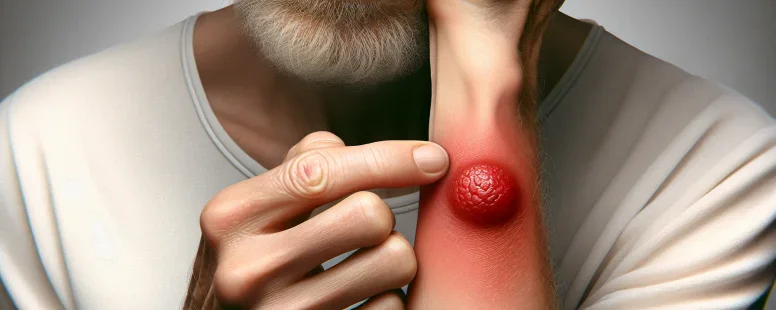
Picture waking up to a tender, swollen bump lurking beneath your skin—red hot to the touch, pulsing with discomfort. Is it a boil or a cyst? The answer isn’t always clear. Both can appear out of nowhere, disrupting your day with their unwelcome presence and stubborn persistence. You might notice how one throbs with every heartbeat while the other lingers quietly, almost blending into the background of your daily routine.
Knowing the difference between a boil and a cyst isn’t just about curiosity—it can save you time, discomfort, and even an unnecessary trip to the doctor. With the right knowledge, you’ll spot the subtle signs, understand what your body’s trying to tell you, and choose the best path to relief. Let’s unravel the mystery behind these two common skin woes and discover why understanding them could be your secret weapon for healthier skin.
Understanding Boils and Cysts
Boils and cysts both form visible lumps on your skin, but each follows it’s own unpredictable path. Walk into any busy clinic, and someone will describe the sharp, pulsing pain of a boil—picture a red-hot coal under your skin, angry and ready to burst. These boils, usually bacterial (Staphylococcus aureus most often, according to Mayo Clinic), anchor themselves around hair follicles. Unlike cysts, which rarely yell for attention, boils scream with redness, tenderness, and that classic “about to burst” tension.
Cysts, by contrast, move quietly under your skin. They feel like marbles—moveable, slow-growing, often painless. Epidermoid cysts commonly pop up on your face, neck, or back, usually filled with keratin, as Cleveland Clinic reports. Have you ever pressed on a lump that won’t go away for months? That’s the sneaky persistence of a cyst—no fiery pain, just stubborn presence.
Ask yourself: does it hurt to touch, is it hot, is there pus? Boils answer yes, showing heat and infection. Cysts answer no; they sit calm and cool, rarely inflamed unless disturbed or infected. Picture your daily routine disturbed—boils can stop you from walking, sitting, or even sleeping comfortably. But with cysts, often, you live side-by-side unaware until they grow.
Why do these bumps appear exactly? Boils hijack your body with bacteria, sometimes after a nick or ingrown hair, making them more likely if you’re a teen or have diabetes. Cysts sneak in through clogged pores, trauma, or genetic conditions like Gardner syndrome, signaling a different health story.
So, if a painful, red, pus-filled lump appears suddenly, you’re looking at a boil. If it’s slow, painless, and firm, likely you’ve found a cyst. Isn’t it curious how similar beginnings—just a skin lump—can split into such different dramas under your skin? If you recall television’s Dr. Pimple Popper, boil stories burst with urgency, while cysts unfold with slow suspense.
Ever wondered how these simple lumps shaped someone’s life? In rare cases, repeated abscesses from boils pointed doctors to underlying immune disorders, shifting the path of someone’s medical care forever. Sometimes, a cyst transforms, becoming infected and acting like a boil for the first time after years of silence.
Both demand attention—whether that’s patience, care, or a trip to your dermatologist. Recognizing the signs means you gain control, steering your skin’s story instead of letting confusion take the lead.
Causes and Risk Factors
Causes and risk factors for boils and cysts connect deeply to your daily habits and underlying health. Recognize each pathway to understand your skin’s signals.
What Causes a Boil?
Boils erupt. Bacteria—specifically Staphylococcus aureus—invade hair follicles or tiny cuts, swarming your skin. Ever scraped your leg playing soccer, then noticed a red bump erupting days later? That’s a boil brewing, not a random pimple. Your immune system sends white blood cells to battle, trapping pus beneath the surface.
Sweating, shaving, and friction can invite bacteria. Athletes in contact sports, for example wrestling or football, see more boils due to skin contact and shared equipment. Diabetes and immune suppression further open the gates for infections, and family history sometimes adds fuel to the inflammation fire (NIH, 2021).
Why do your boils cluster under arms or along thighs? Warmth, moisture, and pressure create a perfect storm there.
Did you know? In rare cases, repeated boils point to immune system irregularities.
What Causes a Cyst?
Cysts grow quietly, slipping into tissues undetected. Picture a tiny sac—a balloon filled with fluid, keratin, or sebum—slowly forming beneath your skin. Often, glands or hair follicles block, trapping secretions until they balloon outward. Unlike the angry boil, most cysts don’t hurt; they lay low, soft and round.
Doctors classify cysts by what lines or fills them. Sebaceous cysts, for example, root in oil glands, slowly growing behind blocked pores. Ganglion cysts anchor near joints, appearing on wrists after repetitive movement. Genetics can sow the first seeds, like in Gardner syndrome, which multiplies cysts throughout the body. Skin trauma, acne, and even developmental errors before birth can trigger cyst formation, according to the Mayo Clinic.
Do you feel that marble-sized bump on your scalp? That’s likely a harmless pilar cyst, not a boil.
Some cysts ignite infections; when red and painful, they might masquerade as boils but lack the telltale pus drainage.
Risk factors for both conditions overlap—skin trauma, hygiene habits, and underlying health. Yet while a boil yells for attention, a cyst whispers quietly under your skin, for years sometimes.
Key Differences Between Boil and Cyst
Boils and cysts can both catch you off guard, popping up when you least expect it. While one screams for your attention with redness and pain, the other quietly waits under your skin, almost like it’s playing hide and seek.
Appearance and Symptoms
Boils appear as red, swollen lumps that hurt to touch. Pus may ooze out, especially if the boil burst open. Staphylococcus aureus bacteria, which easily enter through small skin breaks, stir up most boils. For example, you might wake up with a throbbing, coin-sized swelling on your thigh after a sweaty workout. Cysts, on the other hand, usually forms as smooth bumps beneath your skin’s surface. You can feel them rolling slightly under your finger, sort of like a little marble in your pocket. Cysts often stays pale or skin-colored unless infected, and most of time, pain is absent. Ask yourself: Has the lump changed quickly or does it seem stuck in time?
How They Develop
Boils develop fast because bacteria invade a hair follicle or skin injury. Suddenly your skin heats up, inflames, and fills with pus. If you’ve ever picked at a pimple and days later noticed a painful, growing red lump, that bacterial invasion has likely started a boil. In contrast, cysts takes their time. Either glands, like sebaceous glands, get blocked or hair follicles seal off, and slowly, fluid or keratin accumulates within. Genetics, acne, or a past skin trauma might trigger these growths—think of cysts as quiet tenants moving in over months, not rowdy guests crashing overnight.
Treatment Approaches
Boils usually needs urgent attention. Draining the pus relieves pain, reduces infection, and speeds up recovery—many physicians recommend incision and drainage for large or persistent boils according to Mayo Clinic. Antibiotics target severe or recurrent boils. If you pop a boil at home, you risk spreading infection. Cysts, but, often don’t require immediate action unless it becomes large, painful, or infected. Dermatologists remove cysts with minor surgery, ensuring that the entire sac is gone to prevent recurrence. Steroid injections may shrink stubborn cysts. Wonder if ignoring the lump today leads to bigger issues down the road?
With these differences in mind, you have the power to assess the risks, watch for warning signs and seek targeted care when needed.
When to See a Doctor
Sometimes, your skin becomes a storyteller—one that whispers secrets through swelling, throbbing, and color. Maybe you find a stubborn red lump on your shoulder, angrily blossoming overnight. “Is it just an angry pimple or something more?” you might wonder as the ache intensifies. Sometimes, a cyst, smooth and marble-like, lurks beneath the surface for weeks, not causing any pain until suddenly, it flares and leaves you questioning its quiet persistence.
Doctors say you ought to pay attention when pain interrupts sleep or if pus keeps draining but the lump stays hard like a stone. Persistent redness creeping wider, fever that won’t break, or a growing lump signals it’s time for evaluation (Mayo Clinic, 2024). Young athletes with recurring boils might ignore them, chalking it up to sweat, but recurrent infections can mean diabetes or underlying immune problems (CDC, 2023).
No one love surprise guests—especially not ones that bring friends like warmth, swelling, or discharge. Real-life examples show someone with cysts the size of grapes on their scalp mistaking them for harmless bumps, only to find they’d grown infected after a late-night haircut.
Questions arise: Is it risky to drain boils or cysts at home with pins or heated metal? Doctors strongly advise against home popping since bacteria may enter the bloodstream, leading to severe infections like cellulitis or sepsis (Cleveland Clinic, 2022).
While some cysts and boils disappear quietly, others demand stage time. You want your skin’s story to end well, so listen when it asks for help. Even a small, persistent lump deserves a check if it’s changing shape, becoming painful, or showing drainage. When in doubt, let a dermatologist or healthcare provider offer the final word—your future self will thank you for caring today.
Conclusion
Understanding the difference between boils and cysts can make a real difference in how you approach changes in your skin. When you know what to look for you’re better equipped to respond quickly and protect your health.
Trust your instincts if something feels off or you notice a lump that doesn’t go away. Reaching out to a healthcare professional ensures you get the right treatment and avoid unnecessary complications. Your skin deserves attention and care—don’t ignore what it’s trying to tell you.
To provide the best experiences, we use technologies like cookies to store and/or access device information. Consenting to these technologies will allow us to process data such as browsing behaviour or unique IDs on this site. Not consenting or withdrawing consent, may adversely affect certain features and functions.
Functional
Always active
The technical storage or access is strictly necessary for the legitimate purpose of enabling the use of a specific service explicitly requested by the subscriber or user, or for the sole purpose of carrying out the transmission of a communication over an electronic communications network.
Preferences
The technical storage or access is necessary for the legitimate purpose of storing preferences that are not requested by the subscriber or user.
Statistics
The technical storage or access that is used exclusively for statistical purposes.The technical storage or access that is used exclusively for anonymous statistical purposes. Without a subpoena, voluntary compliance on the part of your Internet Service Provider, or additional records from a third party, information stored or retrieved for this purpose alone cannot usually be used to identify you.
Marketing
The technical storage or access is required to create user profiles to send advertising, or to track the user on a website or across several websites for similar marketing purposes.